
Portrait of a Courtesan — History & Facts
No other painting by Caravaggio has provoked as much debate over its subject and sitter as Portrait of a Courtesan. Once believed lost, then rediscovered in the late nineteenth century, this work has sparked speculation for over a century: is the woman depicted Fillide Melandroni, the famed Roman courtesan and frequent model for Caravaggio? Or is she another figure from the artist’s tumultuous circle? The uncertainty is heightened by the absence of a clear commission or early documentation, leaving scholars to piece together clues from style and context. At the heart of the painting, a young woman gazes out with an unflinching directness, her features illuminated in the stark, almost theatrical light that became Caravaggio’s hallmark. She wears a simple dress, her hair loosely gathered, and holds a single sprig of jasmine—a flower often associated with sensuality and fleeting beauty.
The absence of elaborate jewelry or setting focuses all attention on her expression: neither demure nor coquettish, but self-possessed, challenging the viewer’s assumptions about her role. Unlike the idealized courtesans of Titian or Veronese, Caravaggio’s subject is rendered with a raw honesty that hints at the real woman behind the social mask. The painting’s early history remains obscure, and its medium is still debated, though most agree it dates from around 1590, during Caravaggio’s formative years in Rome. Without a documented patron, it is likely that Portrait of a Courtesan was painted for the open art market or as a personal exploration of character.
Over the centuries, the work has passed through private collections, sometimes misattributed, before finding its way into a public museum where it now stands as a testament to Caravaggio’s early innovation. Its unresolved identity continues to invite new research, ensuring its place in the ongoing conversation about art, society, and the lives lived on the margins.
More Artworks by Caravaggio
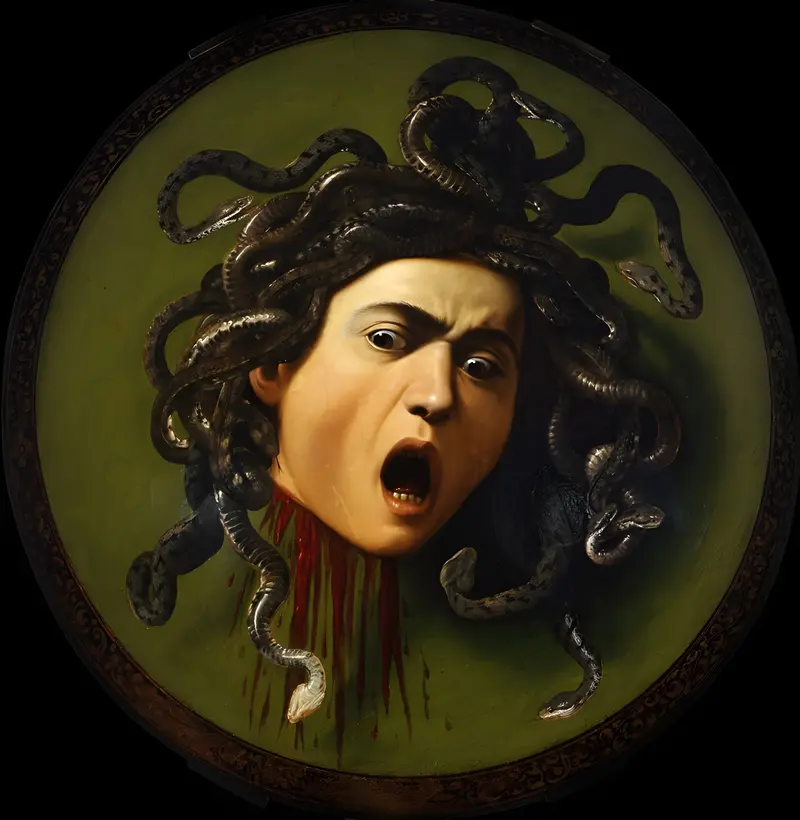
Medusa
Caravaggio
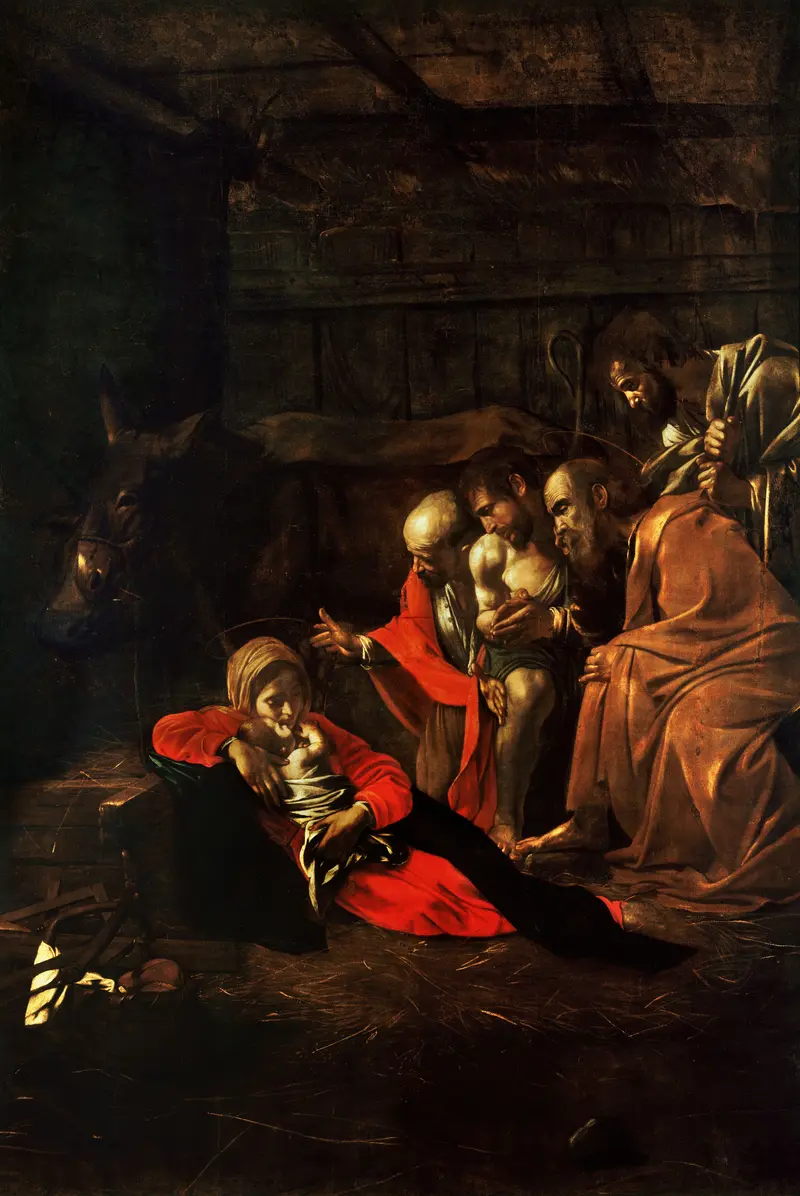
Adoration of the Shepherds
Caravaggio
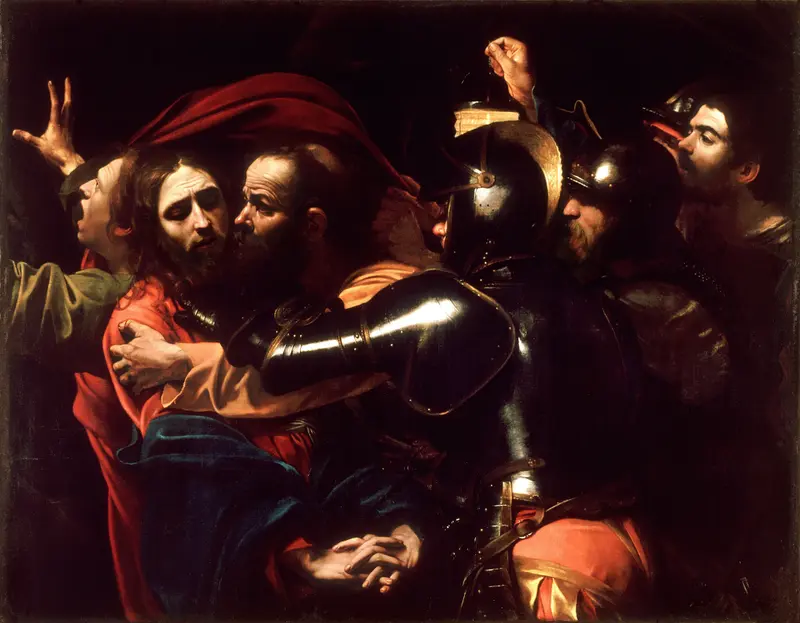
The Taking of Christ
Caravaggio
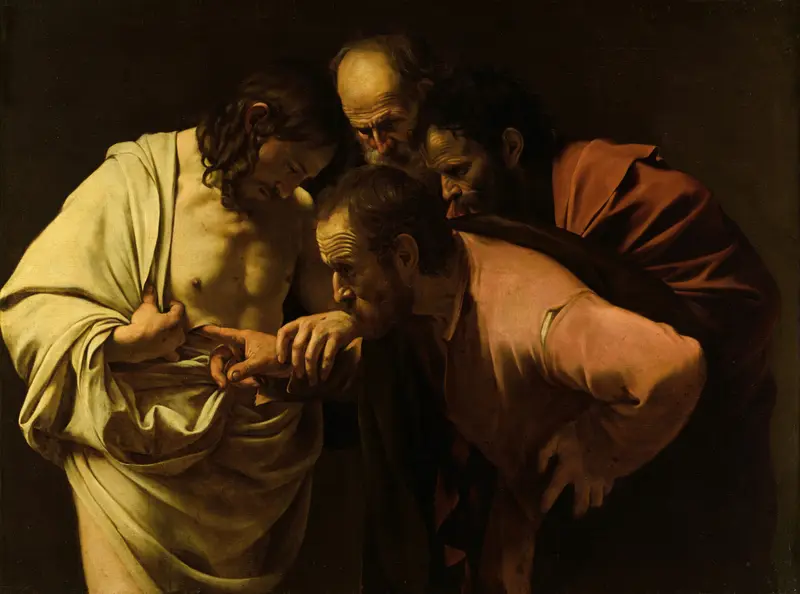
The Incredulity of Saint Thomas
Caravaggio
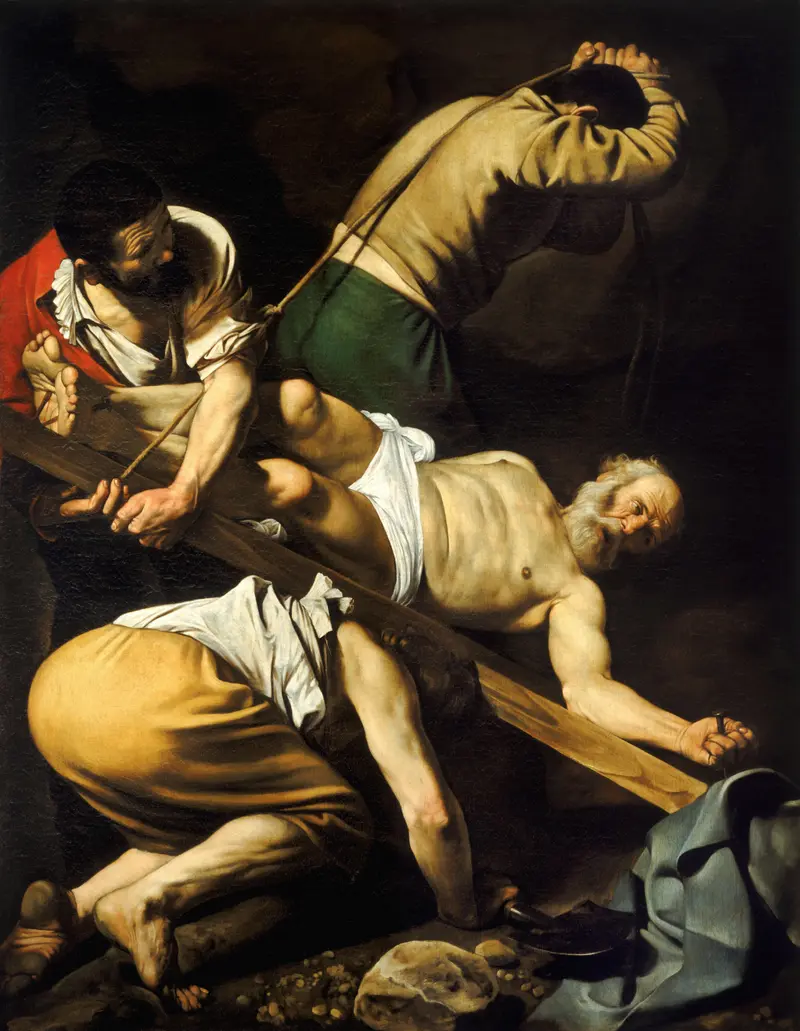
Crucifixion of Saint Peter
Caravaggio
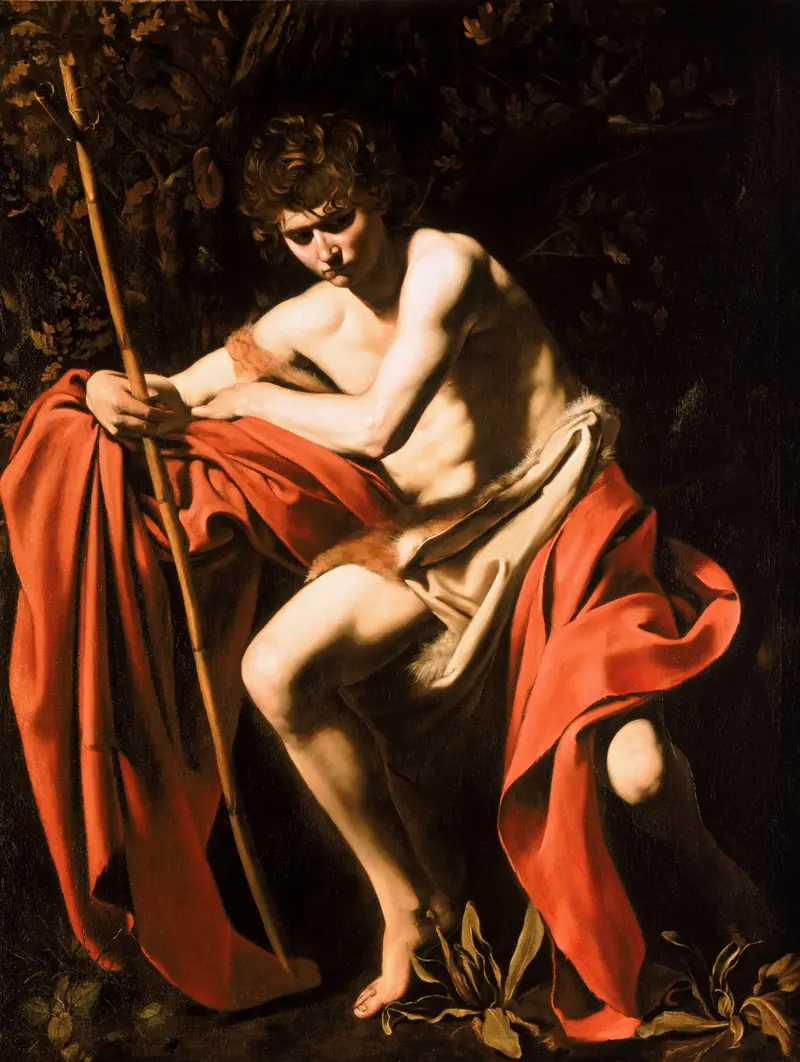
Saint John The Baptist In The Wilderness
Caravaggio

Saint Matthew and the angel
Caravaggio
The Inspiration of Saint Matthew
Caravaggio

Conversion on the Way to Damascus
Caravaggio
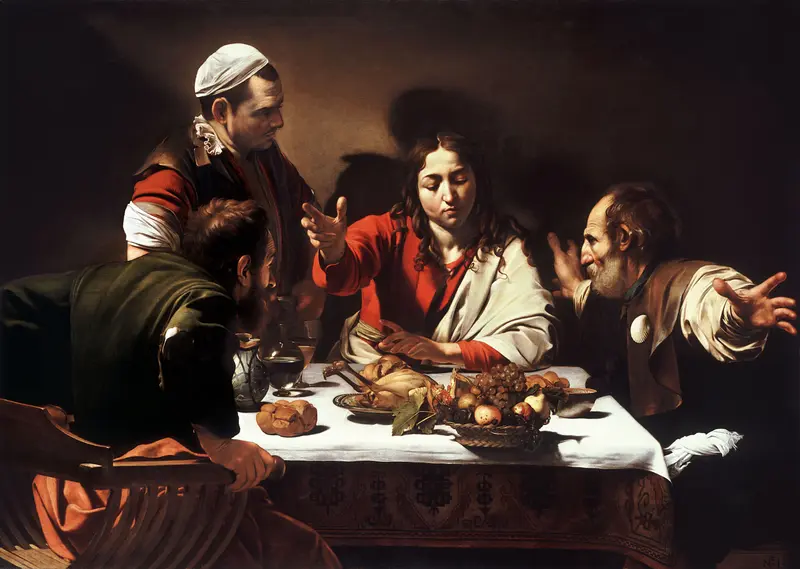
Supper at Emmaus
Caravaggio





