
Portrait of a Young Fiancée — History & Facts
No one knows for certain who the sitter is in Portrait of a Young Fiancée, nor even if she was truly a bride-to-be, but for centuries the painting has been a magnet for speculation and legend. Attributed to Leonardo da Vinci since the late 19th century, the work has been at the heart of debates about the artist’s lost portraits and the mysterious women who populated his circle in Milan around 1495. Some have suggested she might be Bianca Sforza, the ill-fated daughter of Ludovico Sforza, Duke of Milan, whose marriage alliances shaped the politics of Renaissance Italy.
The painting’s uncertain medium—whether oil, tempera, or a lost experimental technique—only deepens the enigma. Its first public exhibition in the 1870s ignited fresh interest in Leonardo’s portraiture, with critics marveling at its psychological depth. The young woman turns slightly, her gaze lowered, lips just parted as if caught in a private thought. Her hands, delicately clasped, rest on a ledge, while a string of pearls at her throat signals purity and high status, a classic symbol for brides of the period.
The faint, almost imperceptible smile and the gentle modeling of her features recall Leonardo’s Lady with an Ermine, yet here the mood is quieter, more introspective. The soft light caresses her face, dissolving into shadow at the edges, a technique Leonardo perfected to suggest both physical form and inner life. Unlike the more formal, direct engagement seen in Ghirlandaio’s Florentine betrothal portraits, this sitter seems suspended in a moment of anticipation, her identity and emotions just out of reach. Little is known about the painting’s early history; it does not appear in inventories of the Sforza court or in early lists of Leonardo’s works.
By the 18th century, it was recorded in a private Lombard collection, its attribution shifting over time from Boltraffio to Leonardo himself as connoisseurship evolved. Scientific analysis in the late 20th century revealed underdrawing characteristic of Leonardo’s hand, but doubts persist, particularly given the unknown medium. Today, the painting is held in a private collection and is rarely exhibited, making it a tantalizing object of study for scholars and admirers of Leonardo’s elusive genius.
Whether or not it can be definitively linked to the master, Portrait of a Young Fiancée remains a haunting testament to the allure of identity and the art of looking.
More Artworks by Leonardo da Vinci

Sheet of Studies
Leonardo da Vinci
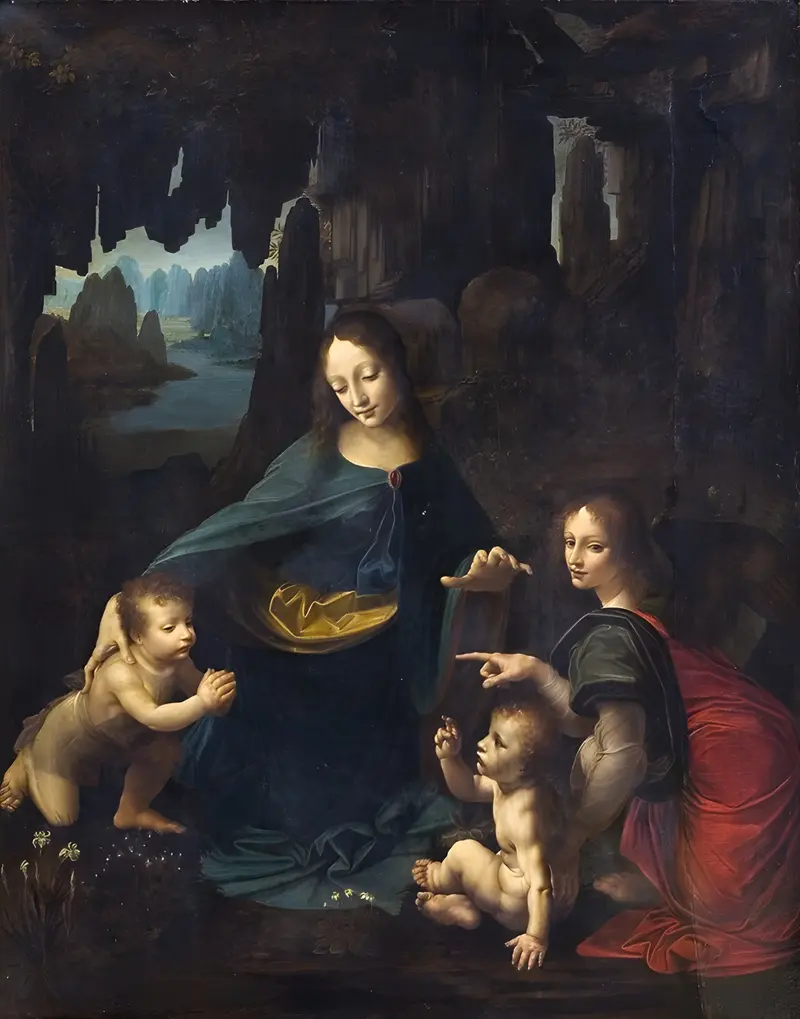
The Virgin of the Rocks
Leonardo da Vinci
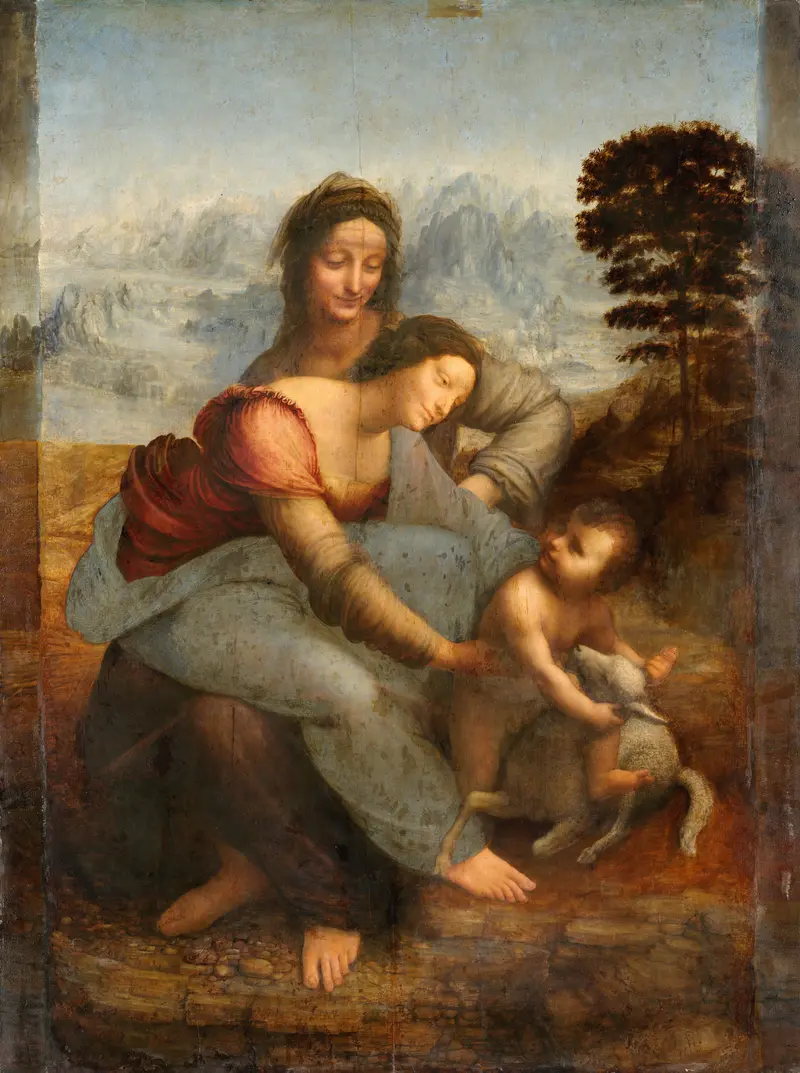
The Virgin and Child with St. Anne
Leonardo da Vinci
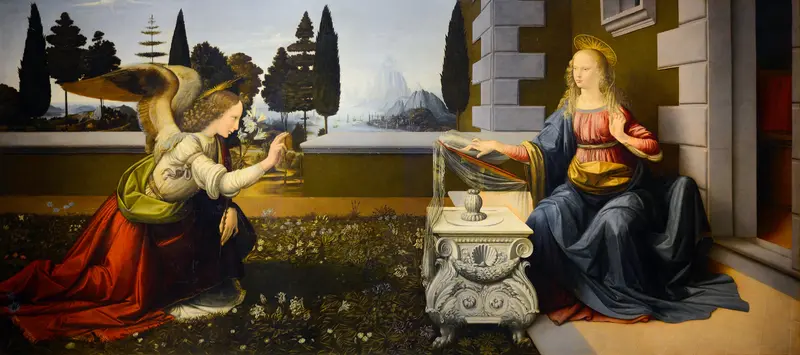
Annunciation
Leonardo da Vinci
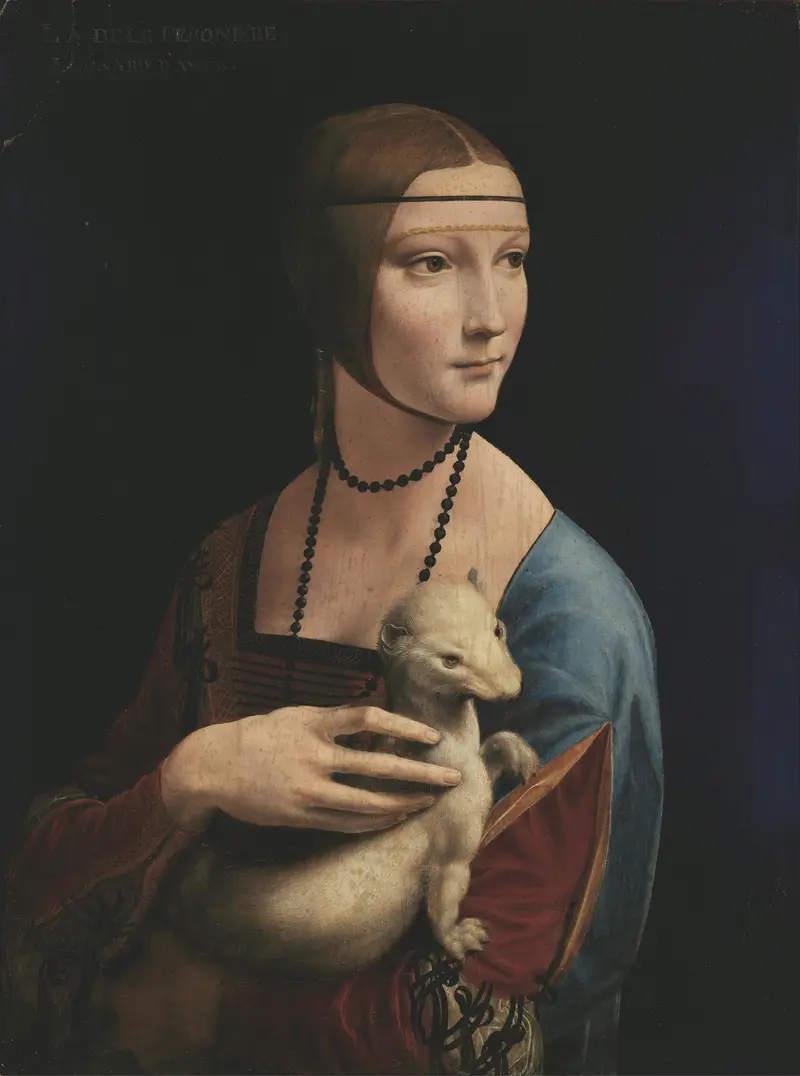
Lady with an Ermine
Leonardo da Vinci
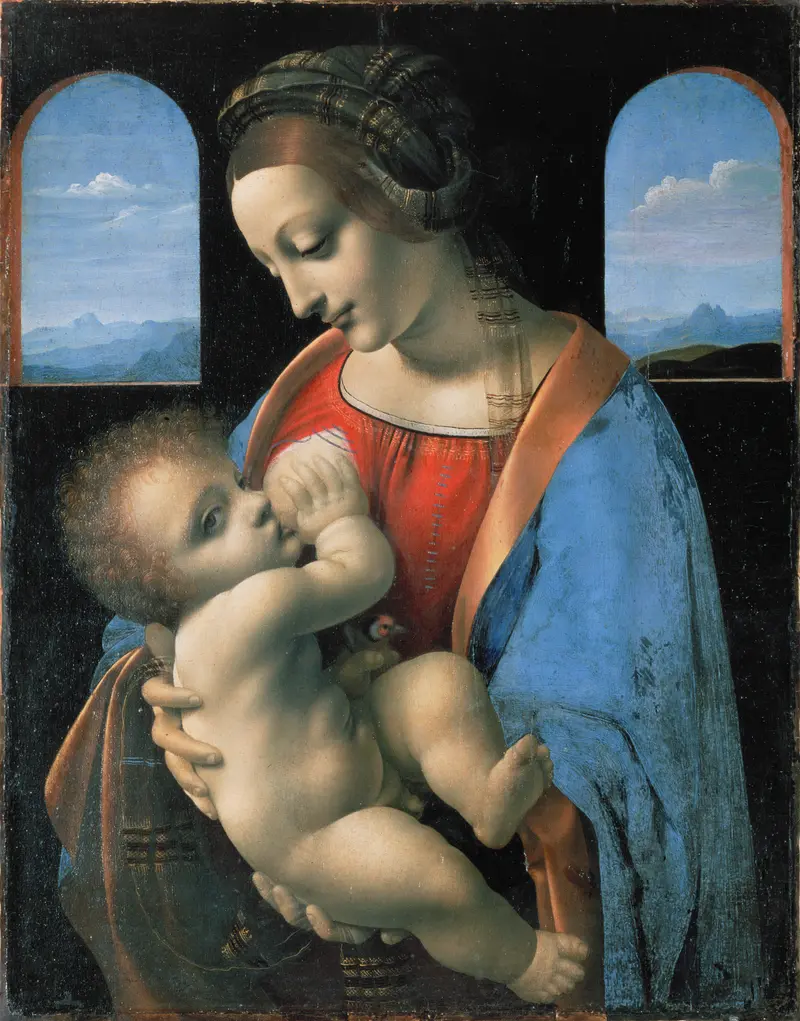
Madonna Litta
Leonardo da Vinci
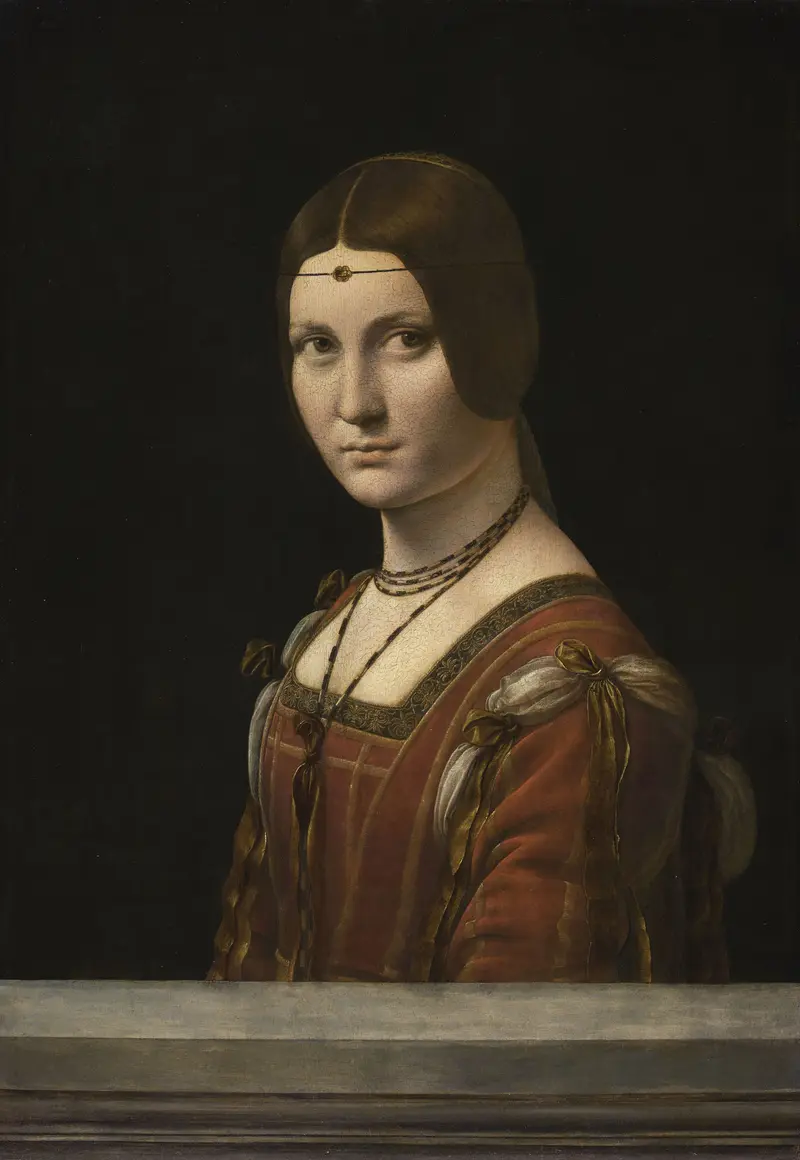
La Belle Ferronnière
Leonardo da Vinci
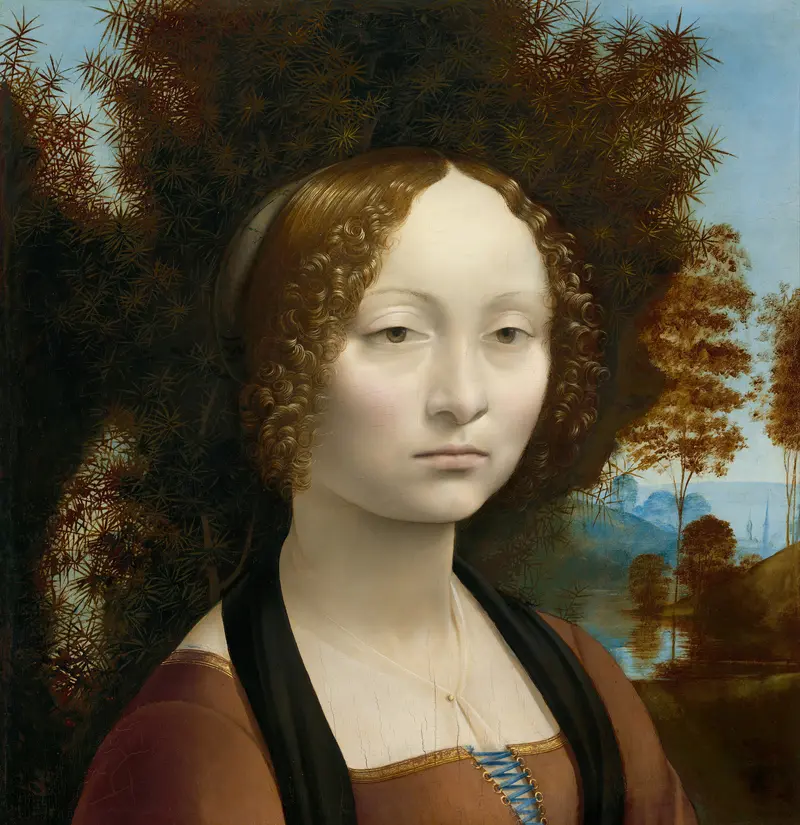
Ginevra de' Benci
Leonardo da Vinci
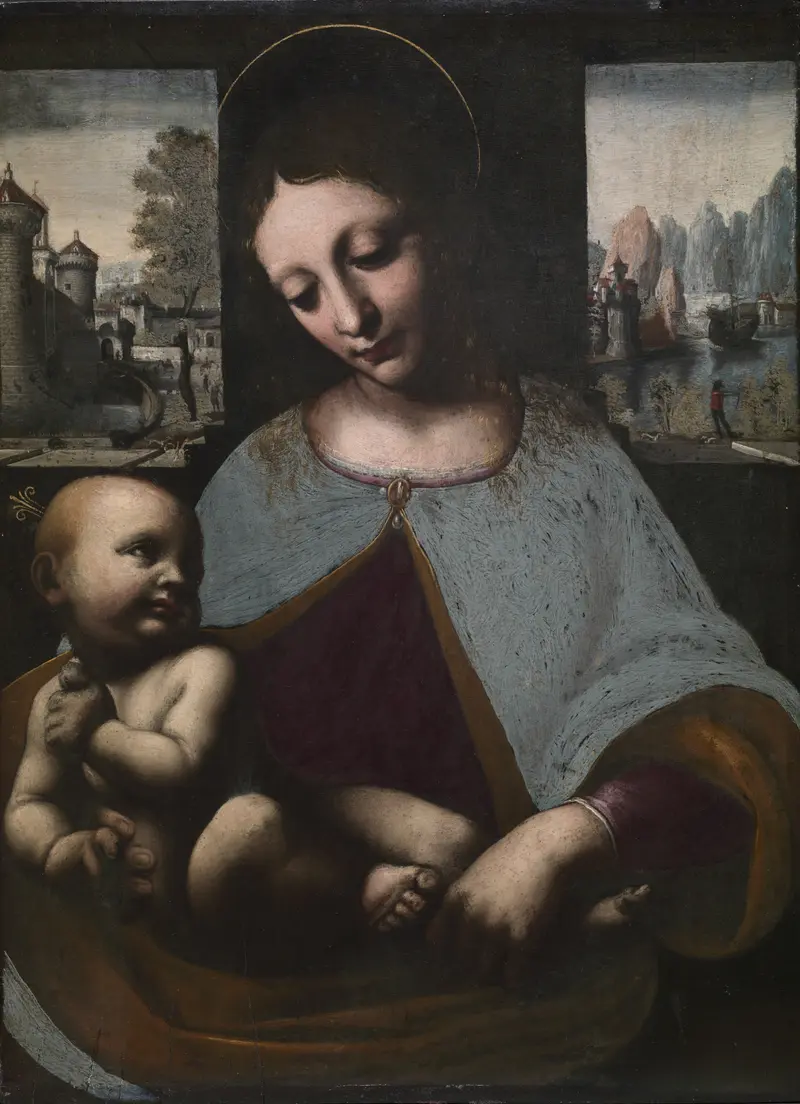
Virgin and Child
Leonardo da Vinci

Head of an Old Man, and Studies of Machinery
Leonardo da Vinci





