
Portrait of a young indian woman — History & Facts
When Portrait of a young indian woman first emerged in British collections, it prompted immediate curiosity: why would Sir Henry Raeburn, a portraitist renowned for his depictions of Scottish gentry, paint a sitter so far outside his usual circle? No records of commission or exhibition survive, and the woman's identity remains a mystery, fueling speculation among historians. Some have suggested the painting was made during the height of British interest in India, perhaps as a study or as part of a private collection reflecting colonial connections. The absence of documentation has left the work shrouded in questions about its origins and intent. The young woman sits composed, her gaze meeting the viewer with a quiet confidence.
Raeburn’s attention to the sitter’s features—her dark eyes, the delicate drape of her clothing, the subtle jewelry—suggests both respect and curiosity. The background is neutral, drawing the eye to her face and hands, which rest lightly in her lap; the light falls softly across her cheek, highlighting her individuality rather than reducing her to an exotic type. Unlike the orientalist fantasies of contemporaries such as George Chinnery, Raeburn’s approach is restrained, focusing on presence rather than spectacle.
The portrait’s dignity and reserve invite viewers to consider the woman as a person, not merely a subject. Little is known about the painting’s early life. It does not appear in contemporary exhibition catalogues or Raeburn’s known commissions, and its provenance before the twentieth century is unclear. Scholars have debated its attribution, but the confident brushwork and psychological insight are consistent with Raeburn’s late style.
Today, Portrait of a young indian woman stands as a rare and intriguing outlier in the artist’s oeuvre, offering a glimpse into the complexities of identity and representation in British portraiture of the period.
More Artworks by Sir Henry Raeburn

Portrait of Hugh Hope
Sir Henry Raeburn
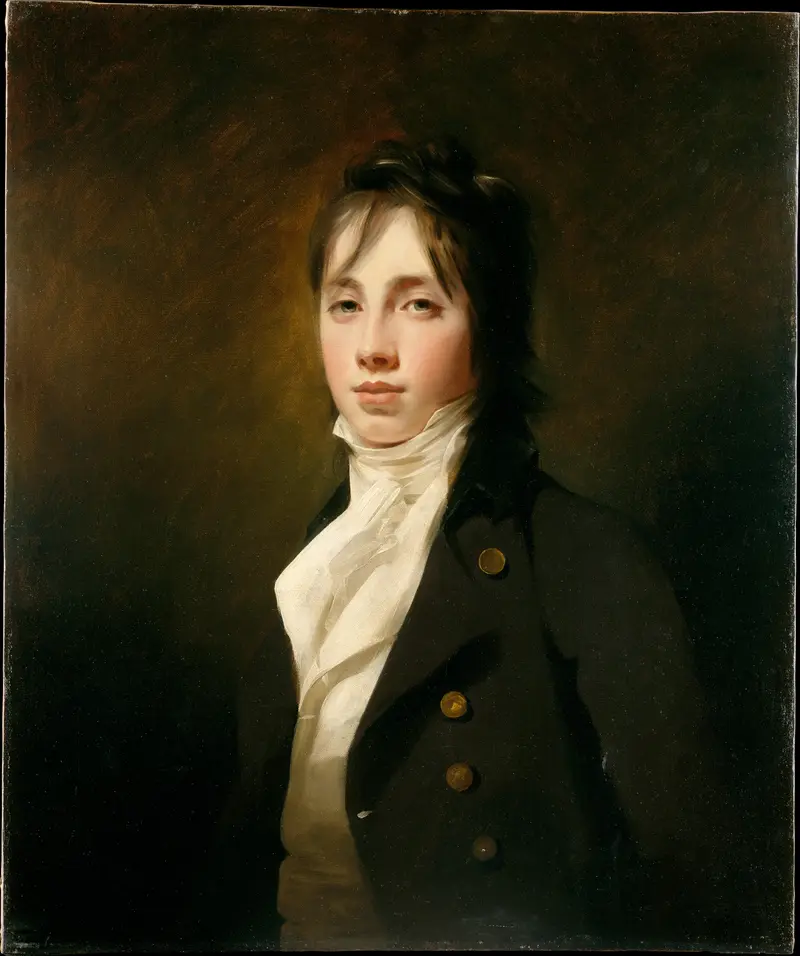
William Fraser of Reelig (1784–1835)
Sir Henry Raeburn
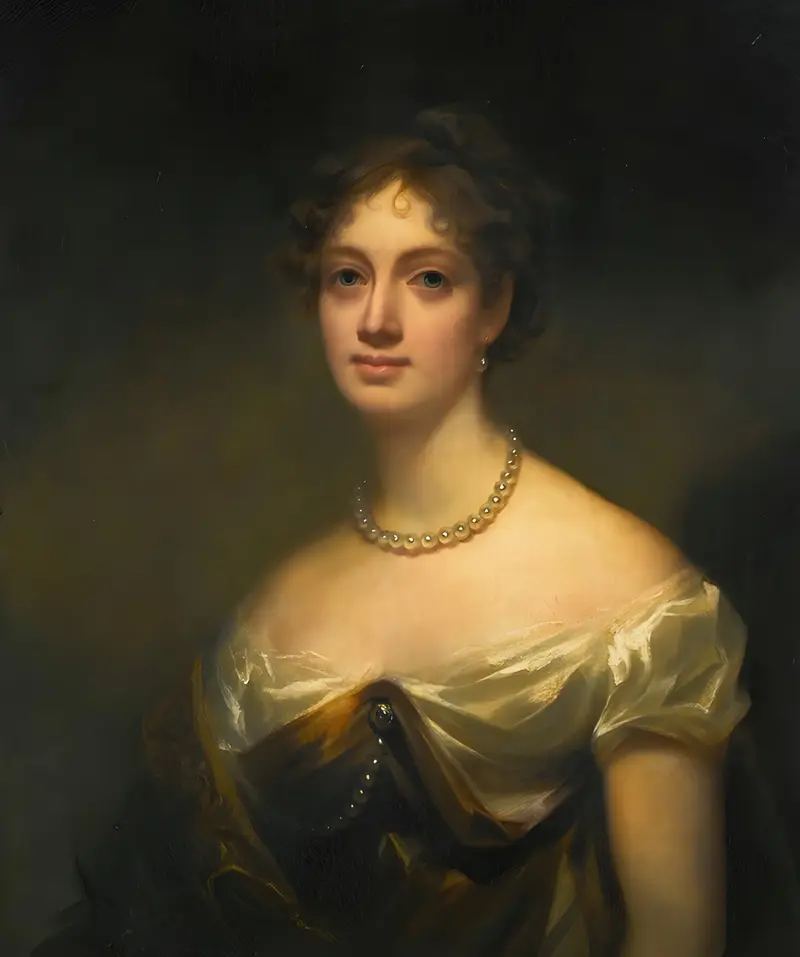
Portrait Of Anne Blair Maconochie Welwood Of Garvock, Lady Meadowbank (1784–1866)
Sir Henry Raeburn
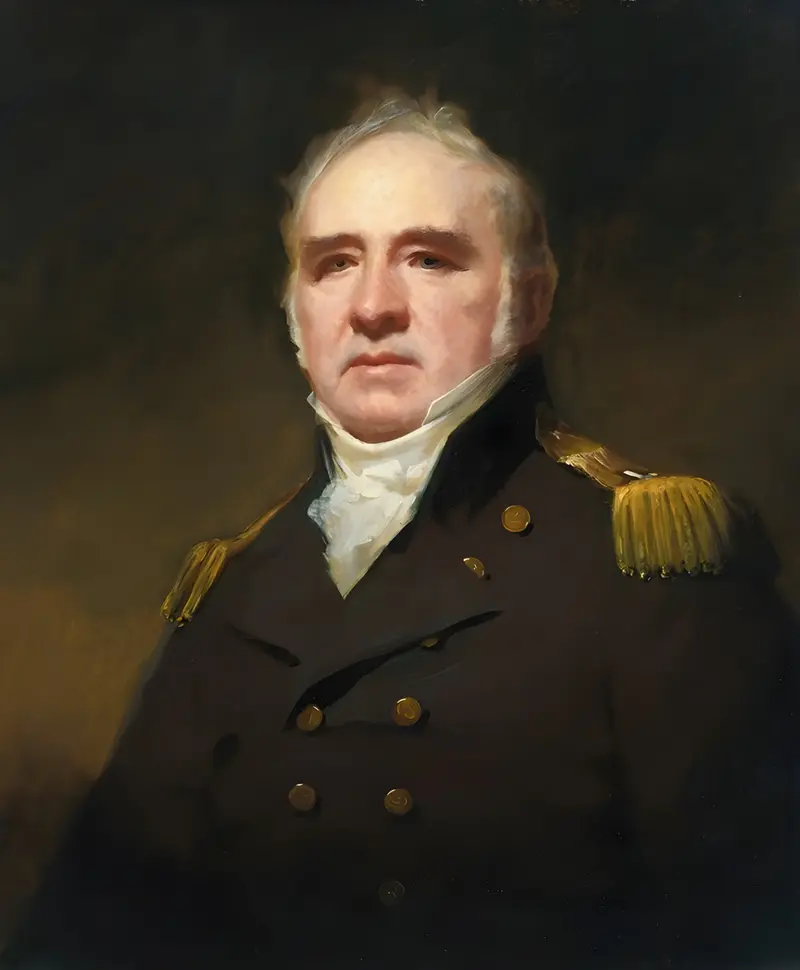
Portrait Of Captain James Forbes-Drummond, R.N., Of Hawthornden
Sir Henry Raeburn
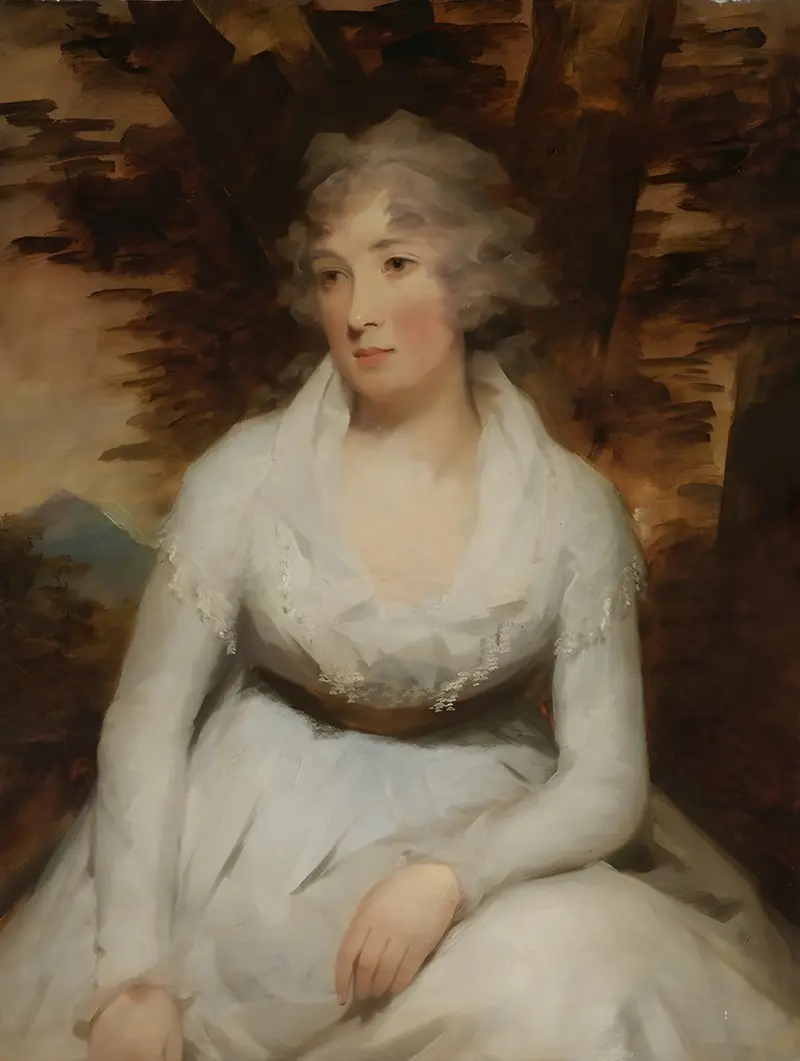
Miss Elizabeth Dalrymple (afterwards Mrs. George Leith)
Sir Henry Raeburn
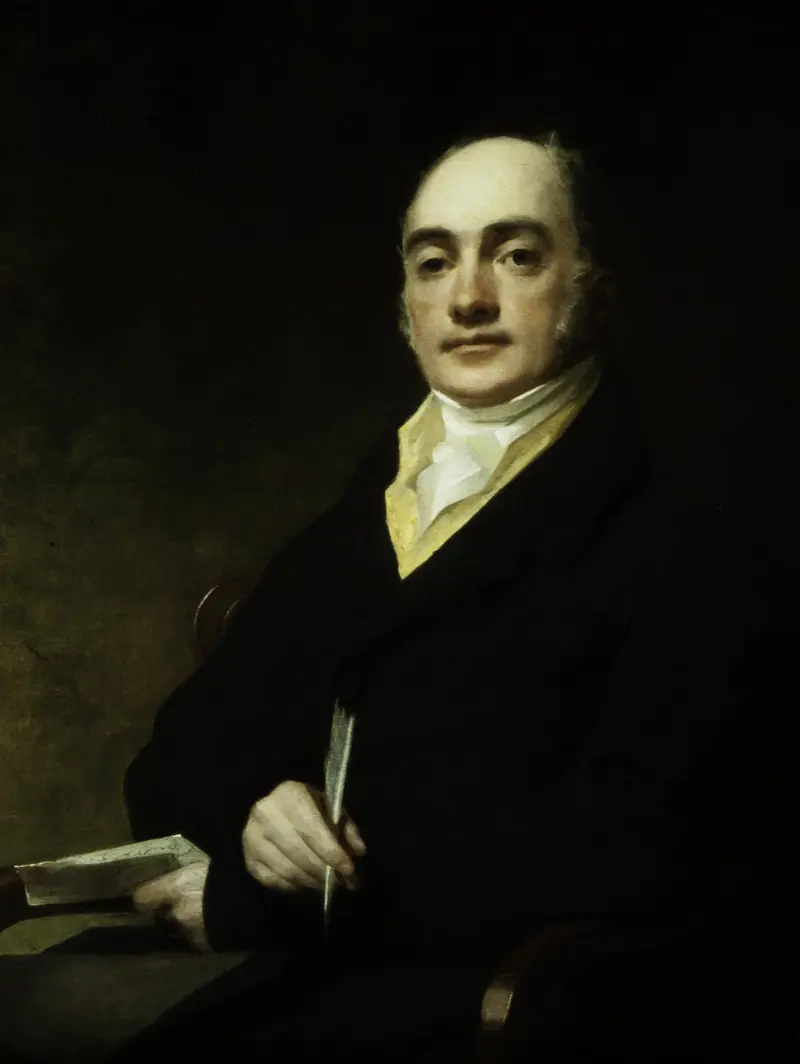
Portrait of John Baillie (1772-1833)
Sir Henry Raeburn
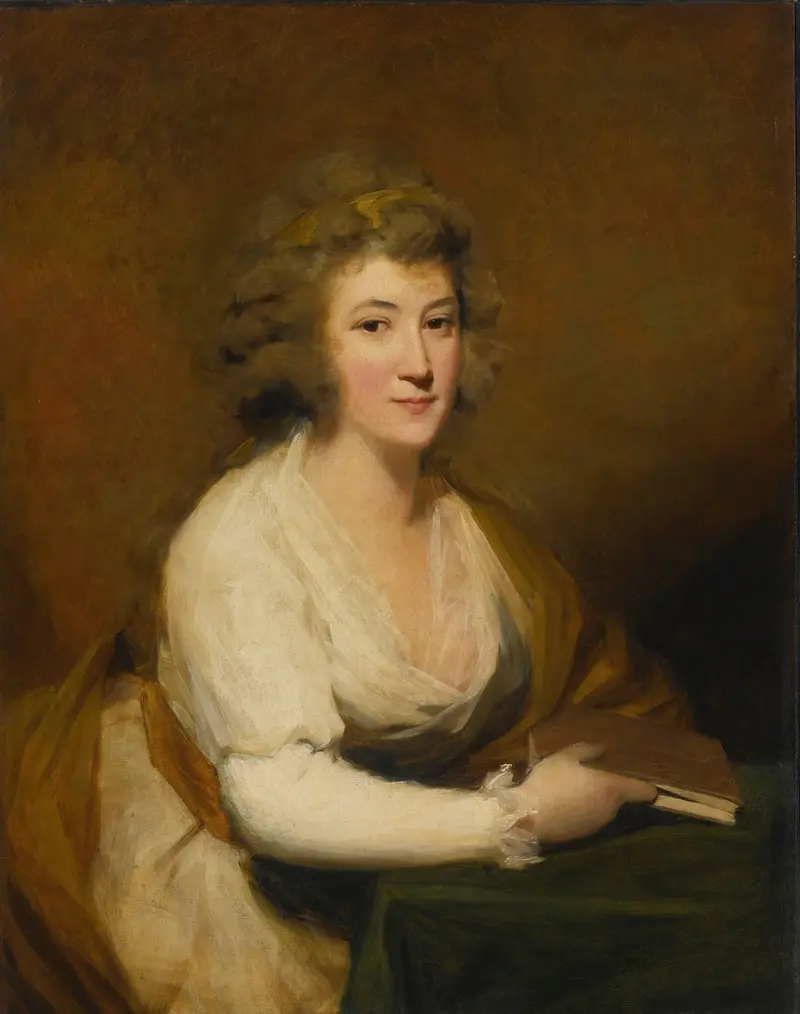
Portrait Of Lady Nasmyth, In A White Dress And Brown Shawl, Seated At A Table, Holding A Book
Sir Henry Raeburn
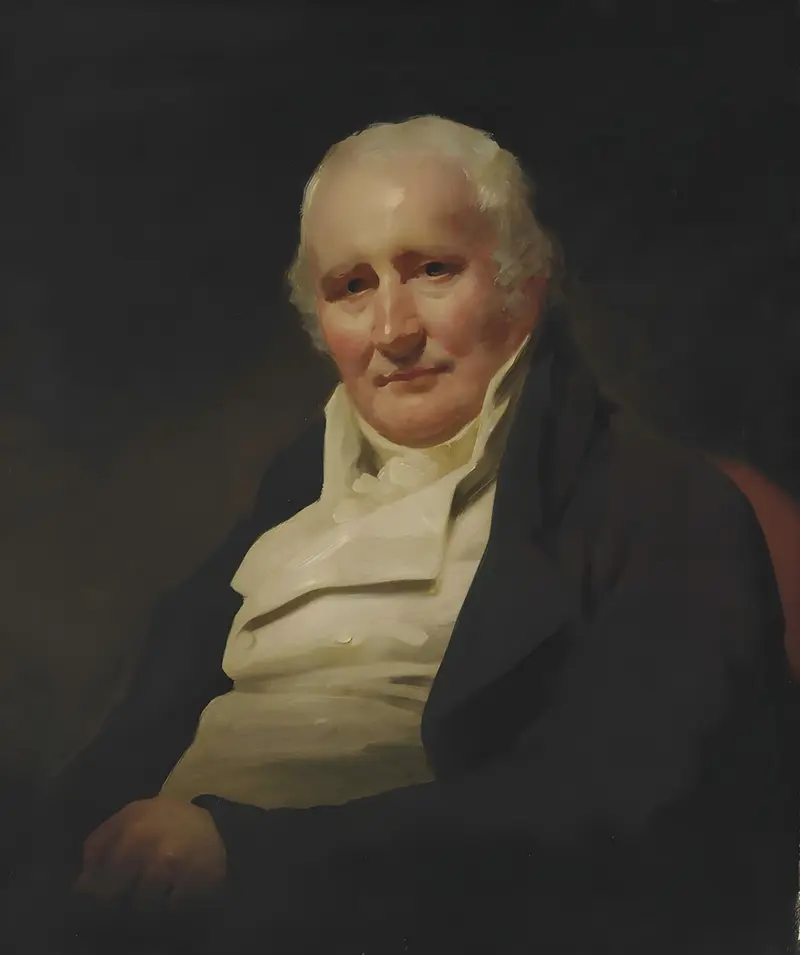
Portrait Of Mr. Spottiswood
Sir Henry Raeburn
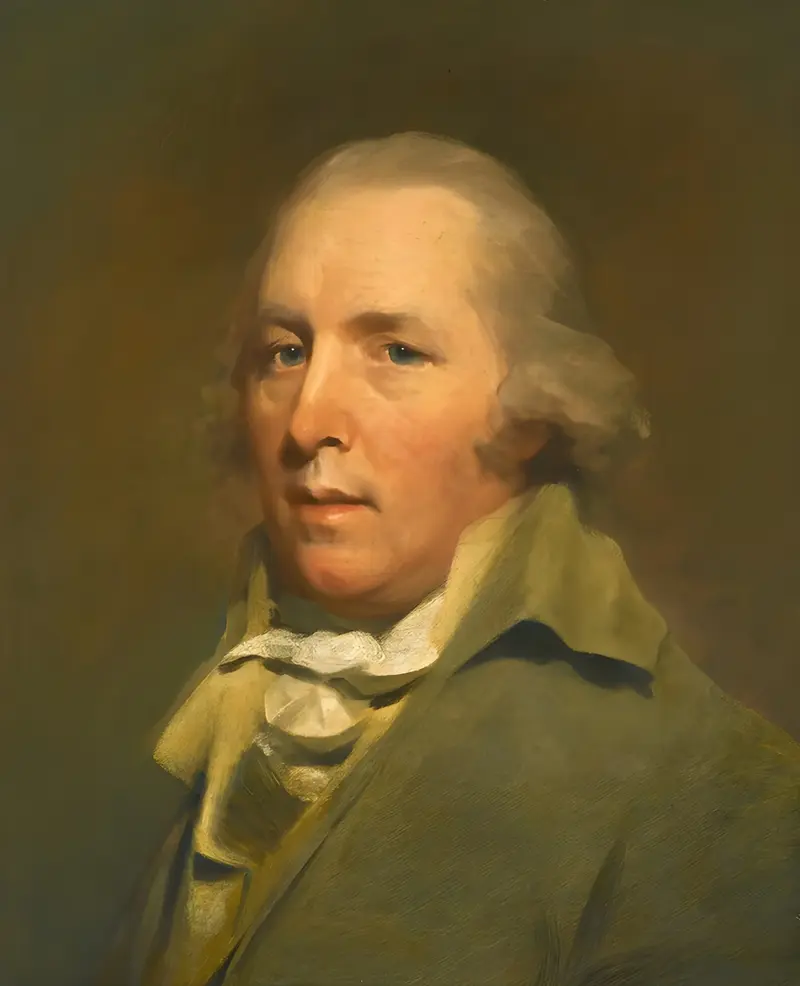
Portrait Of The Reverend John Home (1722-1808)
Sir Henry Raeburn
Portrait of William Hunt (c.1796-1854), Pittencrief House, Dunfermline
Sir Henry Raeburn





