
Portrait of Alexander J. Cassatt and His Son, Robert Kelso Cassatt — History & Facts
When Mary Cassatt painted Portrait of Alexander J. Cassatt and His Son, Robert Kelso Cassatt in 1884, she chose as her subjects not only her beloved brother but also the president of the Pennsylvania Railroad—one of the most influential industrialists of Gilded Age America. This was the only known double portrait Cassatt created of her family, a rare instance where her typically female-centered world expanded to include the men closest to her.
The painting stands out in her oeuvre, not just for its sitters, but for the intimate yet formal tone she achieved, capturing both familial affection and the gravity of public stature. At the heart of the composition, Alexander J. Cassatt sits upright, his posture dignified, while young Robert leans in, his small hand resting trustingly on his father's knee. The contrast between the father's dark, tailored suit and the lighter, softer attire of the child subtly underscores the passage of authority and care from one generation to the next.
The background is restrained, drawing the viewer’s focus to the subtle interplay of glances and gestures—Alexander’s steady gaze outward, Robert’s attention fixed on him. Unlike John Singer Sargent’s public portraits of powerful men, which often exude bravado, Mary Cassatt here offers a quieter study of paternal presence and the bonds of kinship. The painting’s early history remains somewhat obscure; it was likely created during one of Cassatt’s visits to her family in Philadelphia, before returning to her adopted home in Paris. Unlike many of her works, which were quickly acquired by collectors or exhibited with the Impressionists, this portrait remained within the Cassatt family for decades, cherished as a private keepsake.
Today, it is recognized as a rare exploration by Mary Cassatt of male subjects and familial legacy, offering insight into her personal life and the broader social world of late nineteenth-century America. Its current location is not widely publicized, and the medium is not definitively recorded, but its significance in Cassatt's body of work is undisputed.
More Artworks by Mary Cassatt

The Child's Bath
Mary Cassatt
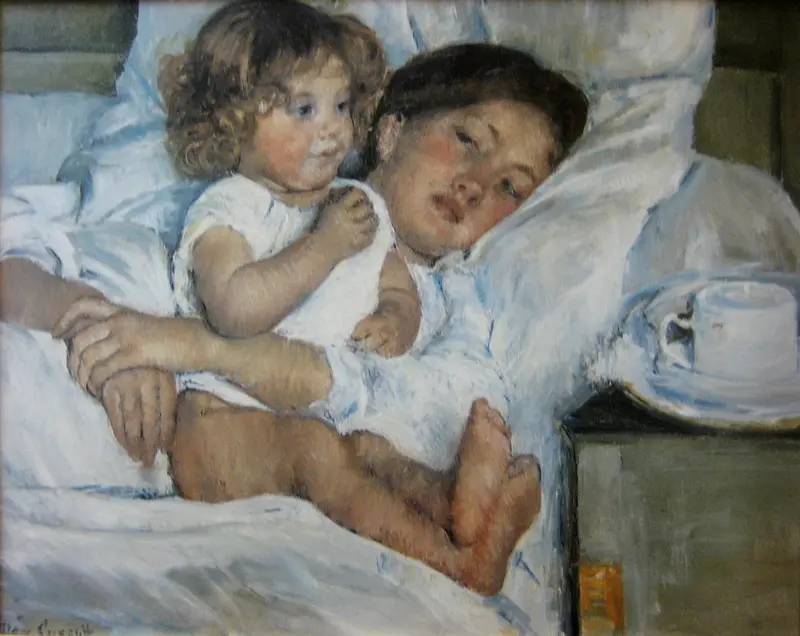
Breakfast in Bed
Mary Cassatt

Mother and Child (Baby Getting Up from His Nap)
Mary Cassatt
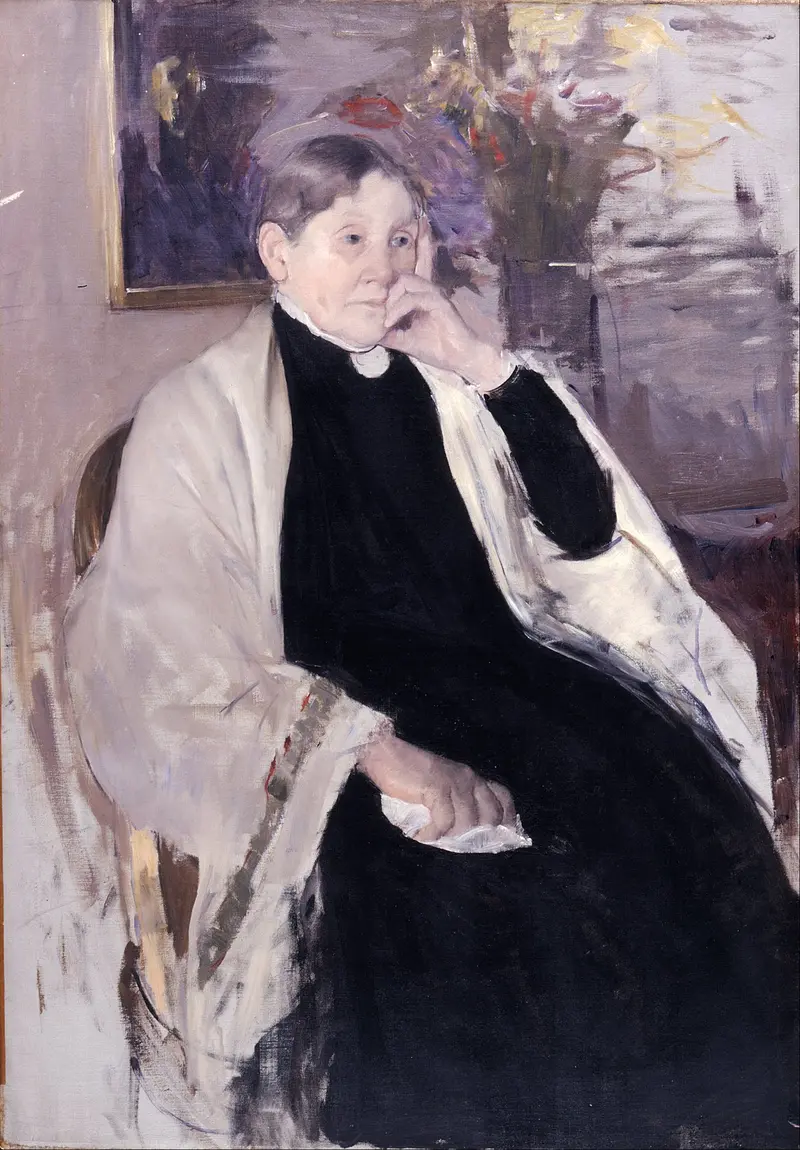
Mrs. Robert S. Cassatt, the Artist's Mother
Mary Cassatt
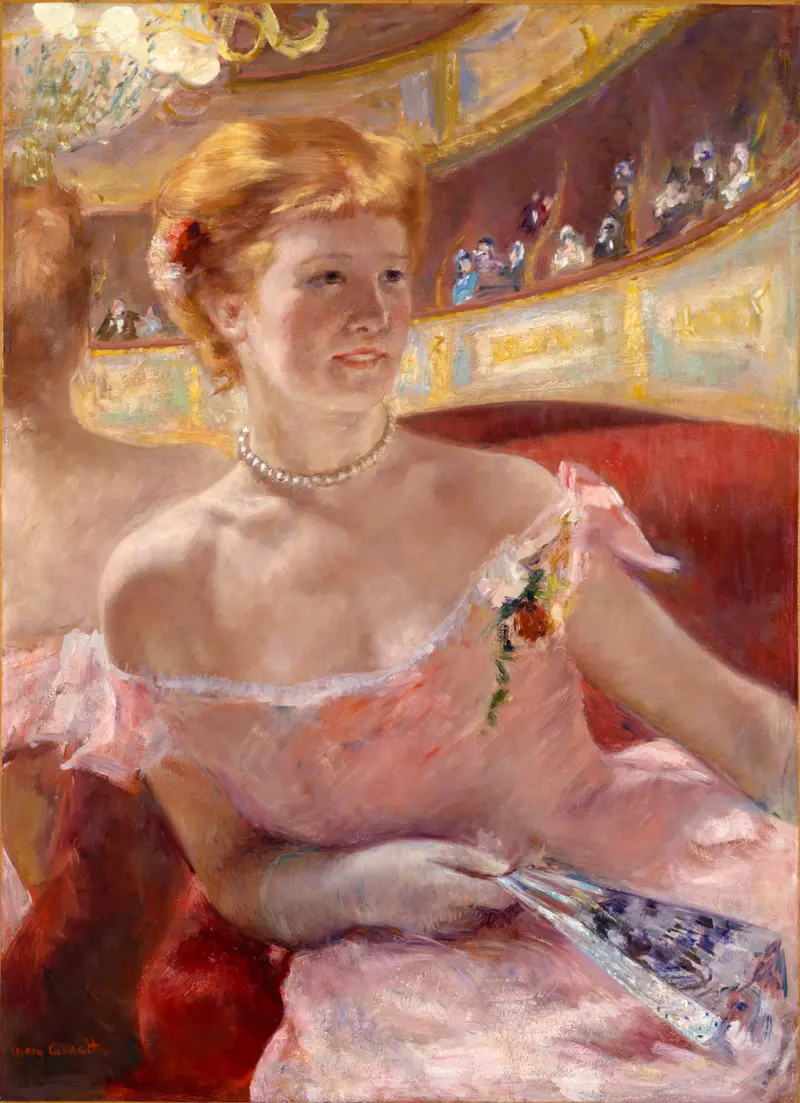
Woman with a Pearl Necklace in a Loge
Mary Cassatt
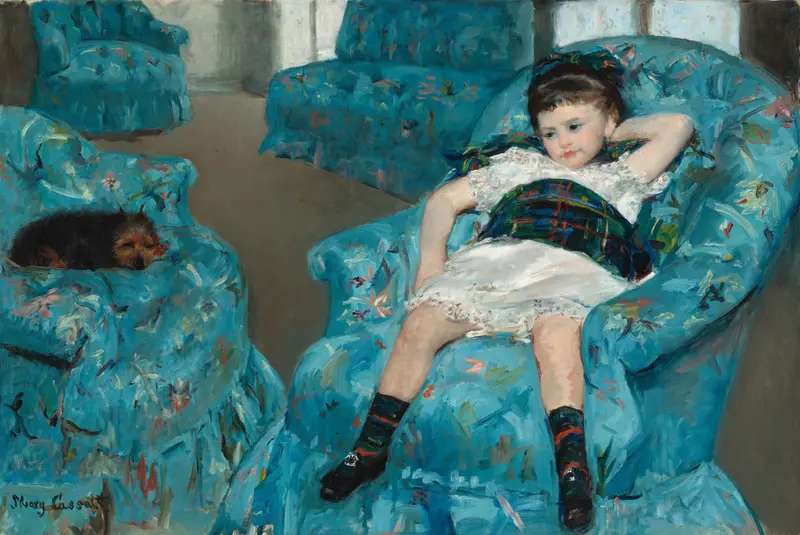
Little Girl in a Blue Armchair
Mary Cassatt
Mother and Child (The Oval Mirror)
Mary Cassatt
Mother and Child
Mary Cassatt
In The Loge
Mary Cassatt
On a Balcony
Mary Cassatt





