
Portrait Of Mrs. Blair — History & Facts
When Portrait Of Mrs. Blair was first displayed, it drew immediate attention for the sitter’s direct gaze—an unusual choice in late eighteenth-century British portraiture, where women were more often depicted with demure or averted eyes. This boldness sparked curiosity about Mrs.
Blair herself, whose identity remains only partially documented. Some period viewers speculated she was a woman of remarkable character, while others saw in her expression the signature psychological insight of Sir Henry Raeburn, who was celebrated for capturing the personalities of Edinburgh’s elite. The painting’s air of intimacy led one contemporary to remark on its “singular candour,” a rare compliment in the formal world of Georgian portraiture. The canvas captures Mrs.
Blair at a moment of poised stillness, her face illuminated against a shadowed background. She sits turned slightly to one side, yet her eyes meet the viewer’s, suggesting both confidence and approachability. The simplicity of her attire—a dark dress with a white fichu—focuses attention on her features rather than on fashion or status symbols.
Raeburn’s handling of light, especially the soft glow on her cheek and the gentle modeling of her hands, recalls the psychological realism found in Thomas Gainsborough’s portraits, though Raeburn’s brushwork is more robust and direct. The lack of overt adornment or narrative props invites viewers to consider Mrs. Blair’s character, rather than her social role. The precise origins of Portrait Of Mrs.
Blair are not fully recorded, and the date and circumstances of its commission remain uncertain—a common situation for Raeburn’s works outside his most famous sitters. The painting likely remained in private hands for much of its existence, passing through family collections before entering the public eye. Over the years, its attribution to Sir Henry Raeburn has never been seriously questioned, thanks to the distinctive brushwork and psychological depth.
Today, it is recognized as a fine example of Raeburn’s mature period, reflecting his standing as a leading portraitist of the Scottish Enlightenment. The painting’s quiet intensity continues to draw viewers, standing as a testament to both artist and sitter.
More Artworks by Sir Henry Raeburn

Portrait of Hugh Hope
Sir Henry Raeburn
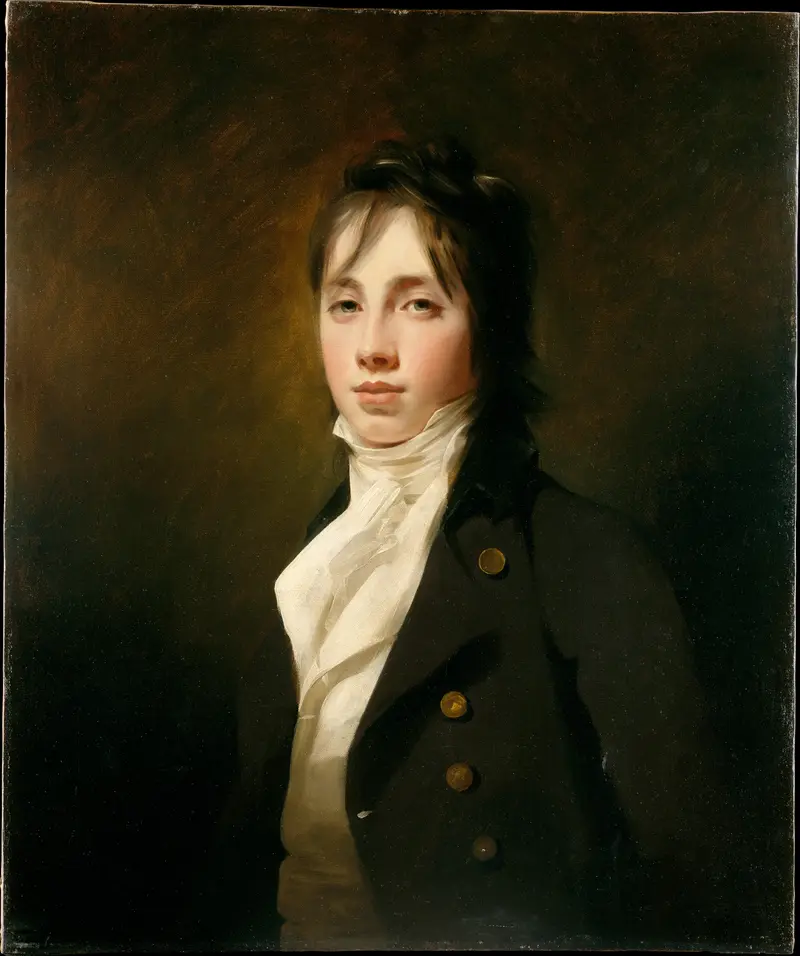
William Fraser of Reelig (1784–1835)
Sir Henry Raeburn
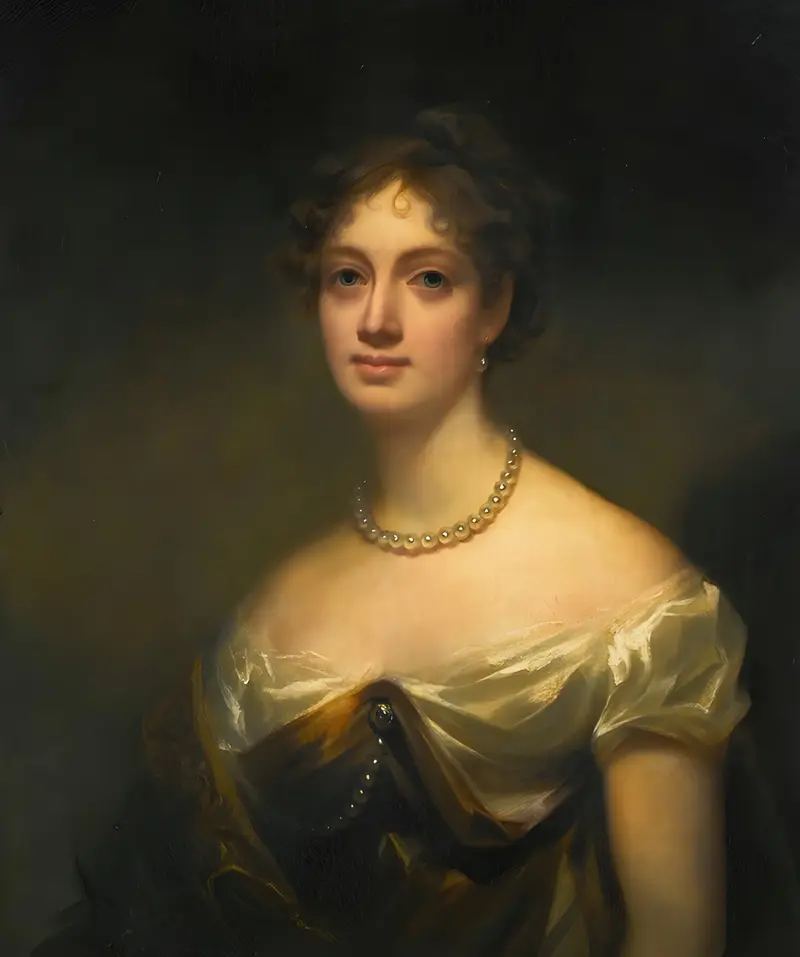
Portrait Of Anne Blair Maconochie Welwood Of Garvock, Lady Meadowbank (1784–1866)
Sir Henry Raeburn
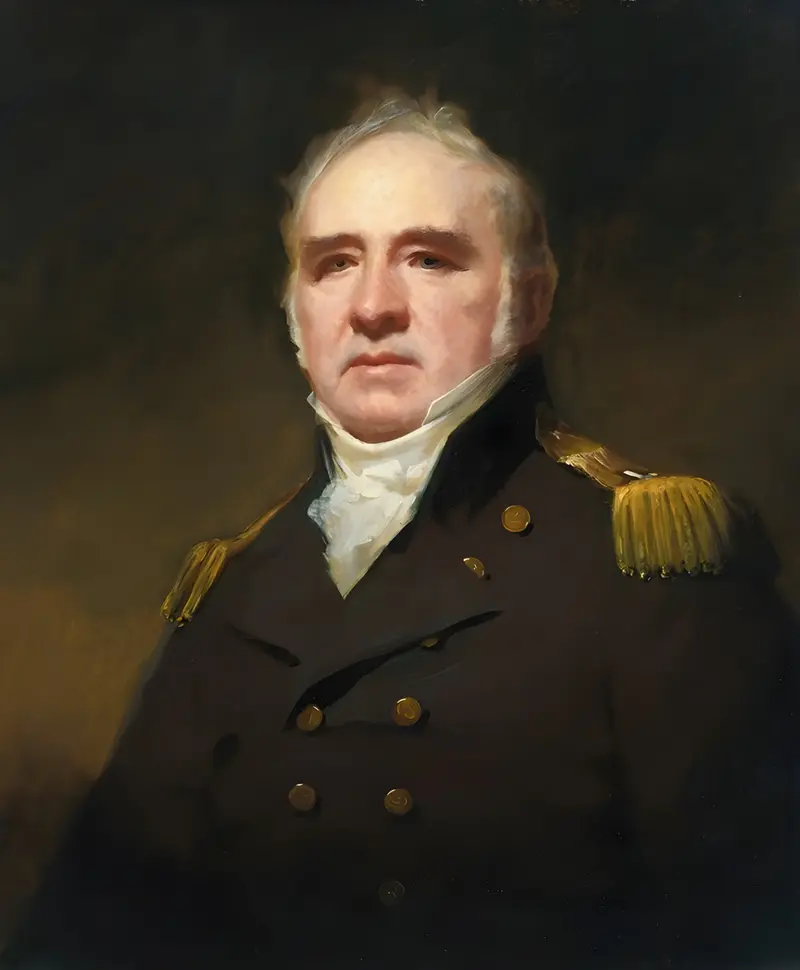
Portrait Of Captain James Forbes-Drummond, R.N., Of Hawthornden
Sir Henry Raeburn
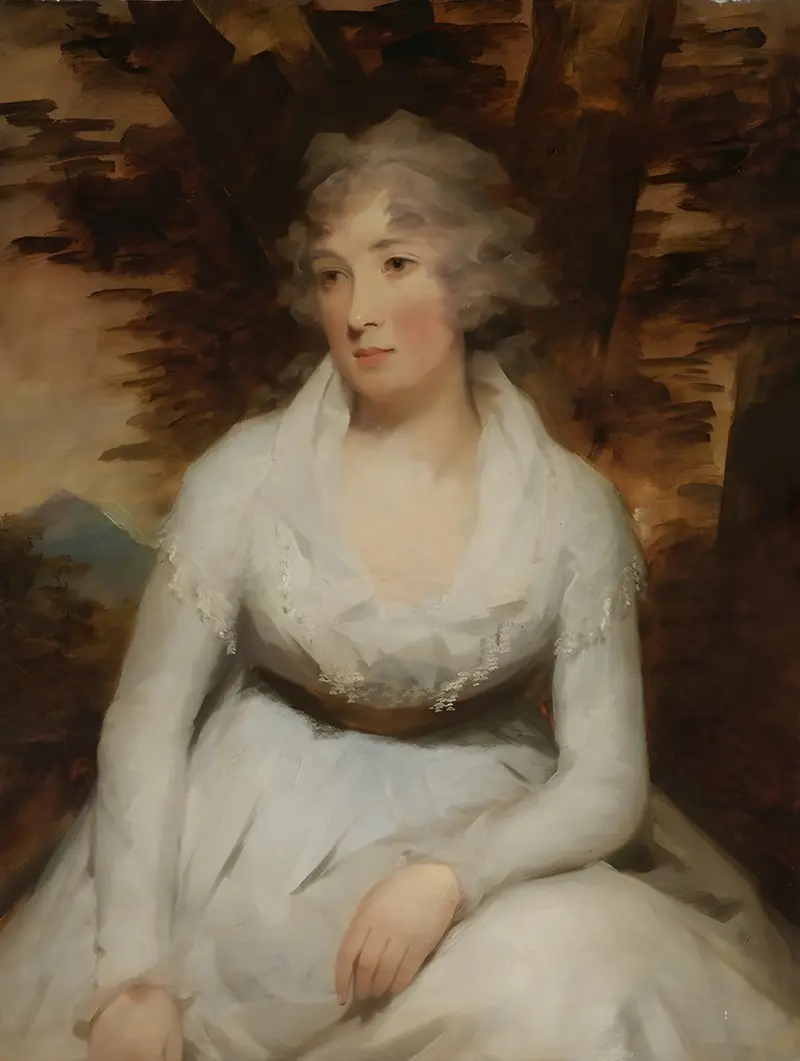
Miss Elizabeth Dalrymple (afterwards Mrs. George Leith)
Sir Henry Raeburn
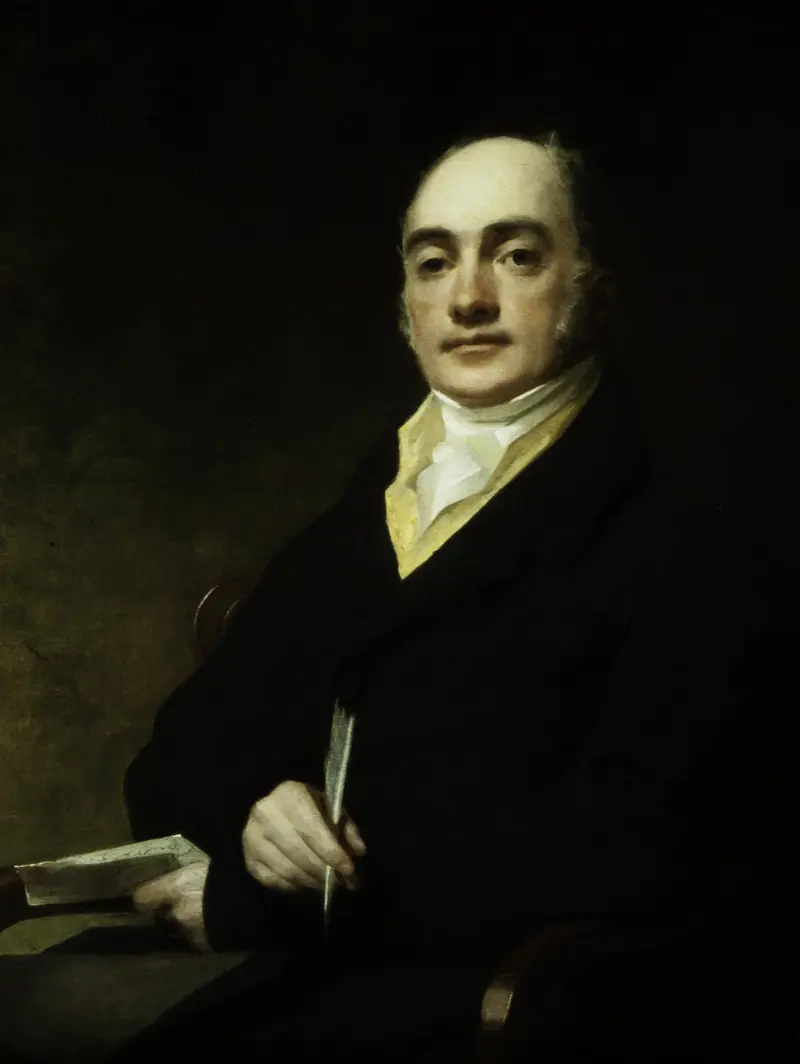
Portrait of John Baillie (1772-1833)
Sir Henry Raeburn
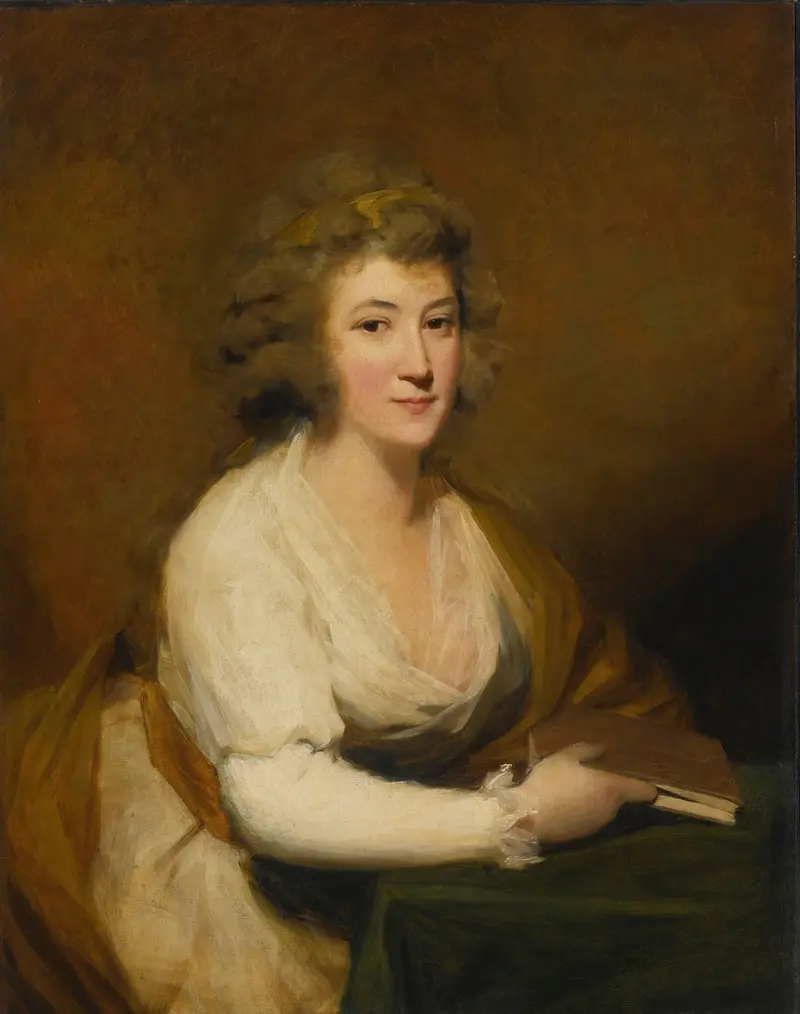
Portrait Of Lady Nasmyth, In A White Dress And Brown Shawl, Seated At A Table, Holding A Book
Sir Henry Raeburn
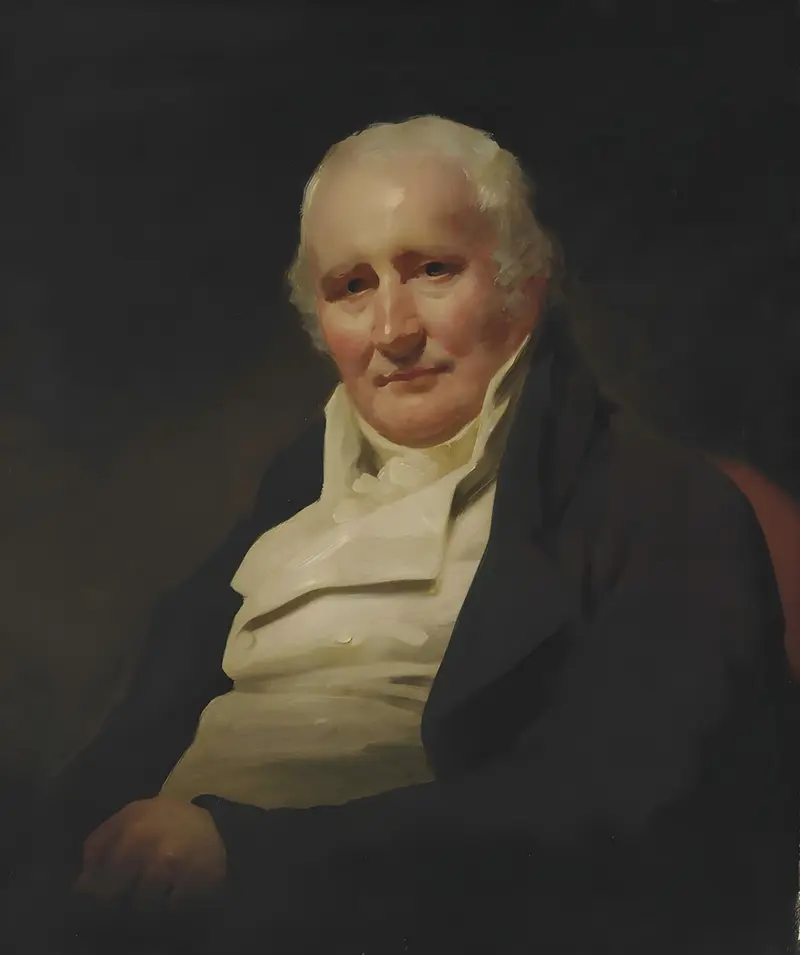
Portrait Of Mr. Spottiswood
Sir Henry Raeburn
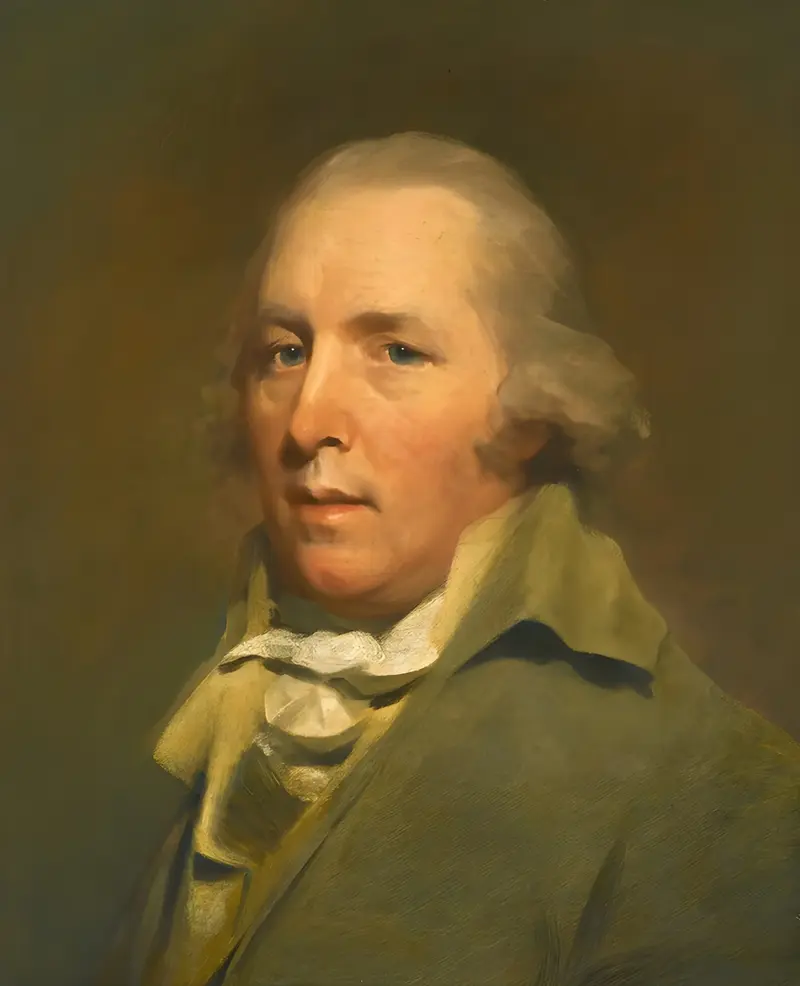
Portrait Of The Reverend John Home (1722-1808)
Sir Henry Raeburn
Portrait of William Hunt (c.1796-1854), Pittencrief House, Dunfermline
Sir Henry Raeburn





