
Portrait of Samuel Ampzing — History & Facts
In 1630, the city of Haarlem was abuzz with the publication of Beschrijvinge ende lof der stad Haerlem, a lavish chronicle by the preacher and poet Samuel Ampzing. To commemorate this civic achievement, Frans Hals, Haarlem’s most celebrated portraitist, was commissioned to paint Ampzing’s likeness. The resulting portrait is not only a tribute to a prominent citizen, but also a testament to the pride and intellectual ferment of the Dutch Golden Age.
The painting stands out as one of the few surviving images of Ampzing, whose writings shaped Haarlem’s cultural identity. Ampzing sits at three-quarters view, his gaze alert and direct, lips gently parted as if about to speak. He wears the sober black clothing of a Calvinist minister, a crisp white ruff framing his face, and his right hand rests on a closed book—most likely his own work. The neutral background and soft, natural light focus all attention on his expressive features, capturing both the gravity and wit for which he was known.
Unlike the more formal, static portraits of Rembrandt or Thomas de Keyser, Hals animates his sitter with loose, fluid brushwork, giving the impression that Ampzing has just turned to address the viewer. The painting’s immediacy suggests a man deeply engaged with his city and his time. The exact details of the painting’s early history remain unclear, but it likely hung in a civic or private collection in Haarlem, cherished as a record of local achievement. Over the centuries, Portrait of Samuel Ampzing has been recognized as a key work in Hals’s mature period, when his portraits became more psychologically acute and technically daring.
Today, the painting is held by the Frans Hals Museum in Haarlem, where it continues to bear witness to the city’s golden era and the enduring vitality of its most famous painter.
More Artworks by Frans Hals

Banquet of the Officers of the St George Civic Guard
Frans Hals

Portrait of Jacob Pietersz Olycan (1596-1638)
Frans Hals
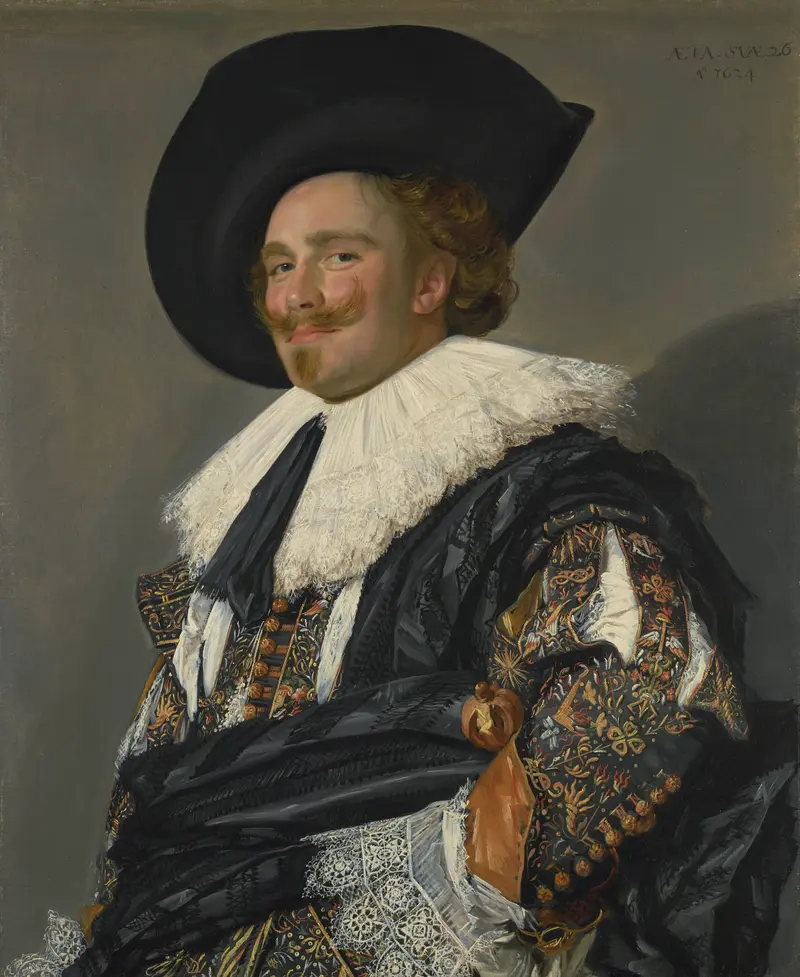
Laughing Cavalier
Frans Hals

Militia Company of District XI under the Command of Captain Reynier Reael, Known as ‘The Meagre Company’
Frans Hals
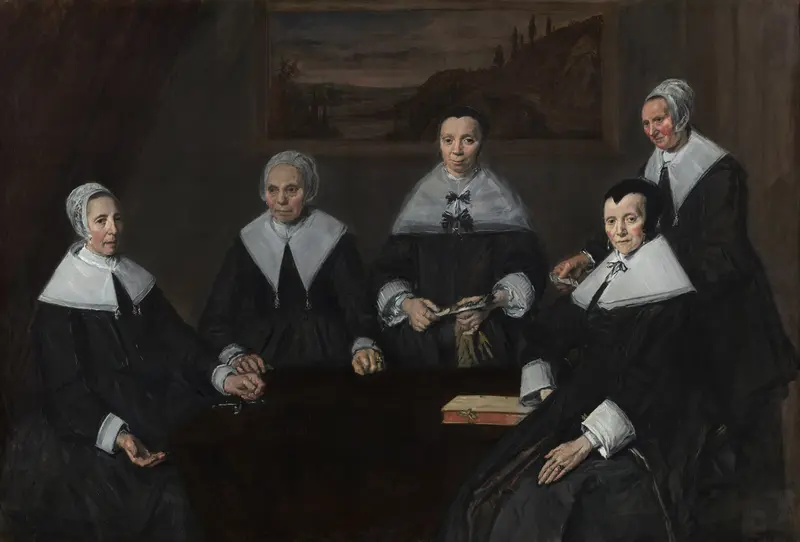
Regentesses of the Old Men's Alms House
Frans Hals
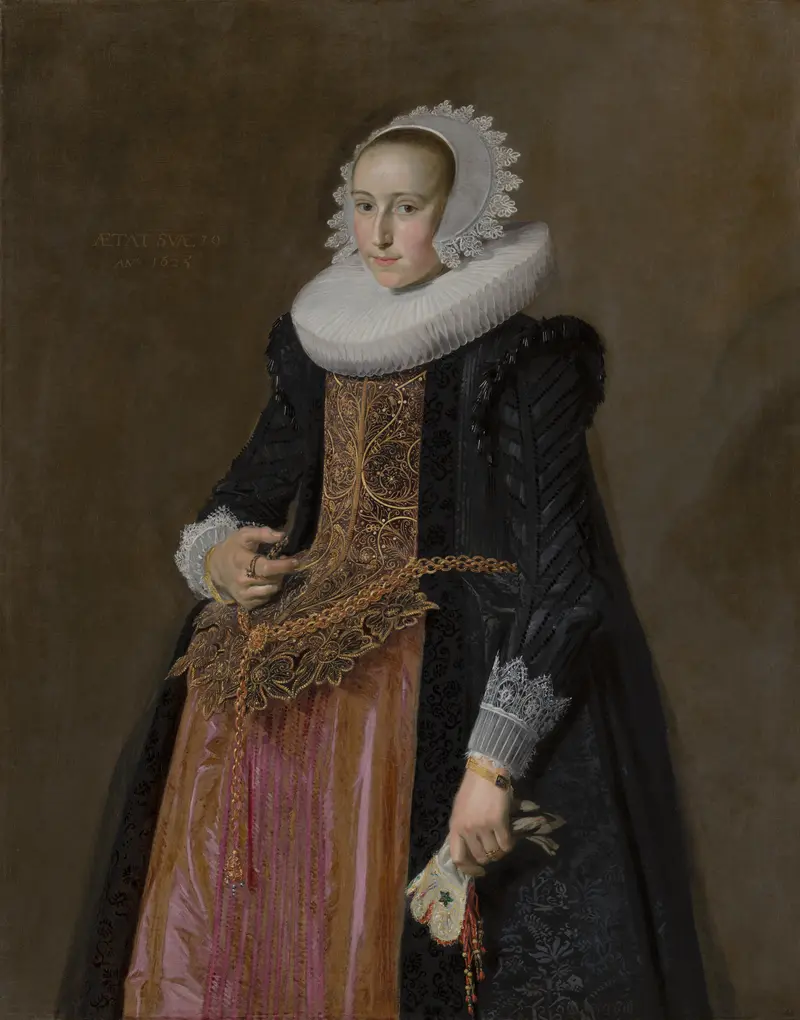
Portrait of Aletta Hanemans (1606–1653)
Frans Hals
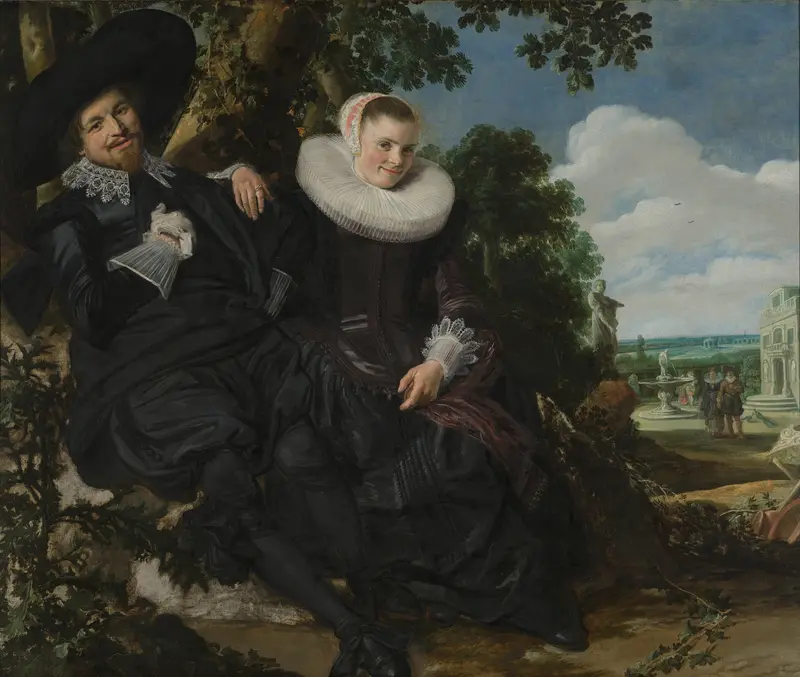
Portrait of a Married Couple, Likely Isaac Abrahamsz Massa and Beatrix van der Laen
Frans Hals
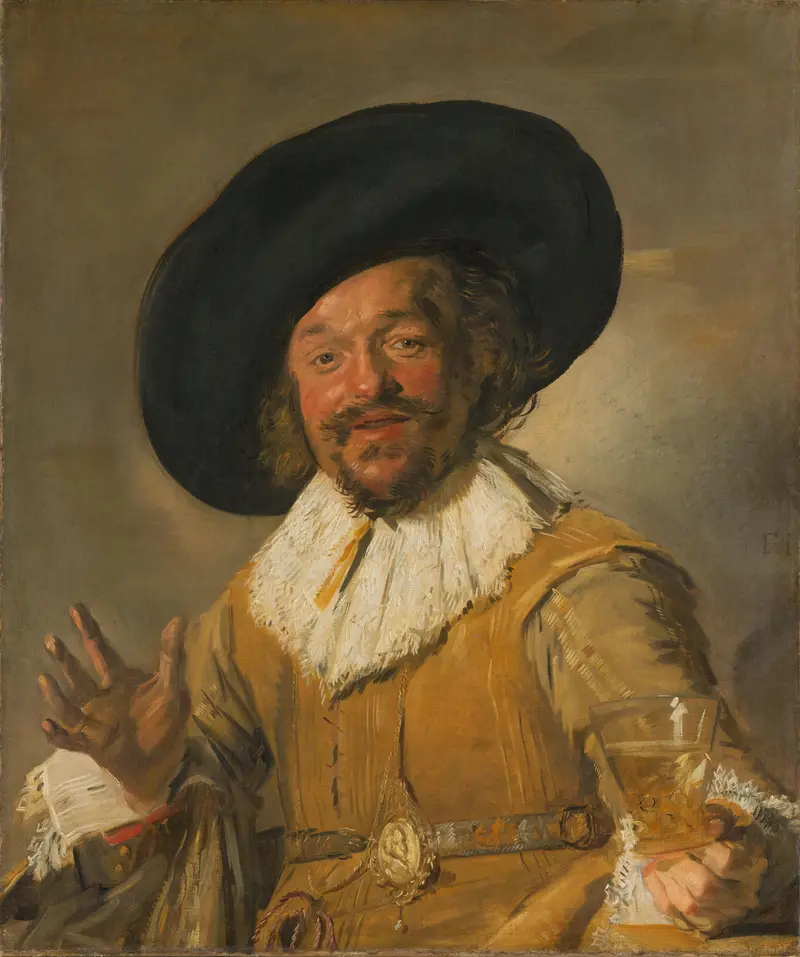
The Merry Drinker
Frans Hals
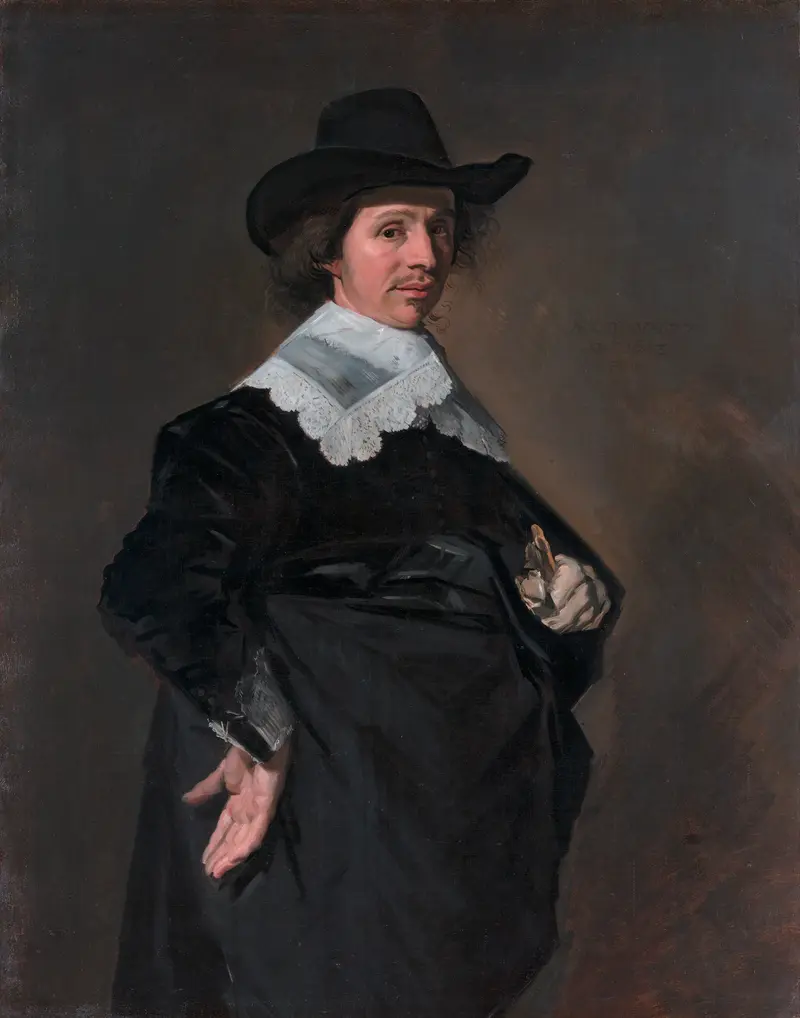
Portrait of Paulus Verschuur
Frans Hals
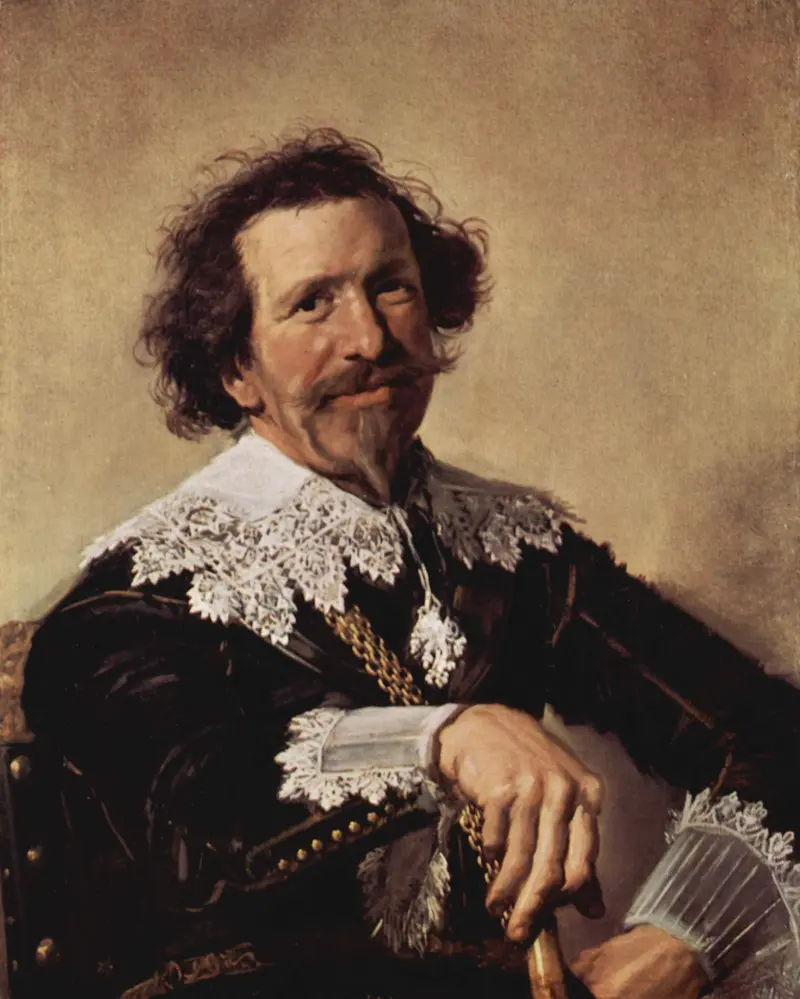
Portrait of Pieter van den Broecke
Frans Hals





