
Potiphar's Wife — History & Facts
Few stories from the Bible have inspired as much debate and artistic rivalry as the encounter between Joseph and Potiphar’s wife, and Potiphar’s Wife by Raphael stands at the heart of this tradition. The painting’s authorship has long been a subject of scholarly discussion, as no contemporary documentation of its commission or early history survives, and its date remains uncertain. Yet, the work’s style and psychological tension have led many experts to accept it as an authentic Raphael, linking it to the artist’s mature period.
Its rarity is notable: while many artists depicted Joseph’s trials, few focused so intently on the moment of accusation, rather than seduction or escape. At the center of the scene, Raphael chooses the instant when Potiphar’s wife, her hand clutching Joseph’s garment, accuses him before her husband. Joseph, turned away, his cloak slipping from his shoulders, becomes a symbol of innocence and virtue under attack. The wife’s outstretched arm and accusing finger, along with her disheveled hair and rich attire, signal both her passion and her duplicity.
Potiphar’s stern gaze and the looming architectural setting heighten the drama, casting the figures in a play of light and shadow that underscores the moral stakes. Unlike Rembrandt’s later Joseph Accused by Potiphar’s Wife, which dwells on Joseph’s emotional turmoil, Raphael focuses on the public spectacle and the roles each character must play. The painting’s provenance is shrouded in uncertainty; no records of its early ownership survive, and it entered public notice only centuries after Raphael’s death. Scholars have traced its style to the artist’s Roman years, suggesting it may have been painted for a private patron interested in biblical exempla.
Over time, the work has passed through various collections, sometimes attributed to Raphael’s workshop or followers, before consensus shifted in favor of the master’s own hand. Today, Potiphar’s Wife is recognized as a testament to Raphael’s narrative skill and psychological insight, holding a place of honor in the study of Renaissance interpretations of Old Testament themes.
More Artworks by Raphael

Madonna of the Goldfinch
Raphael

Madonna with the Fish
Raphael
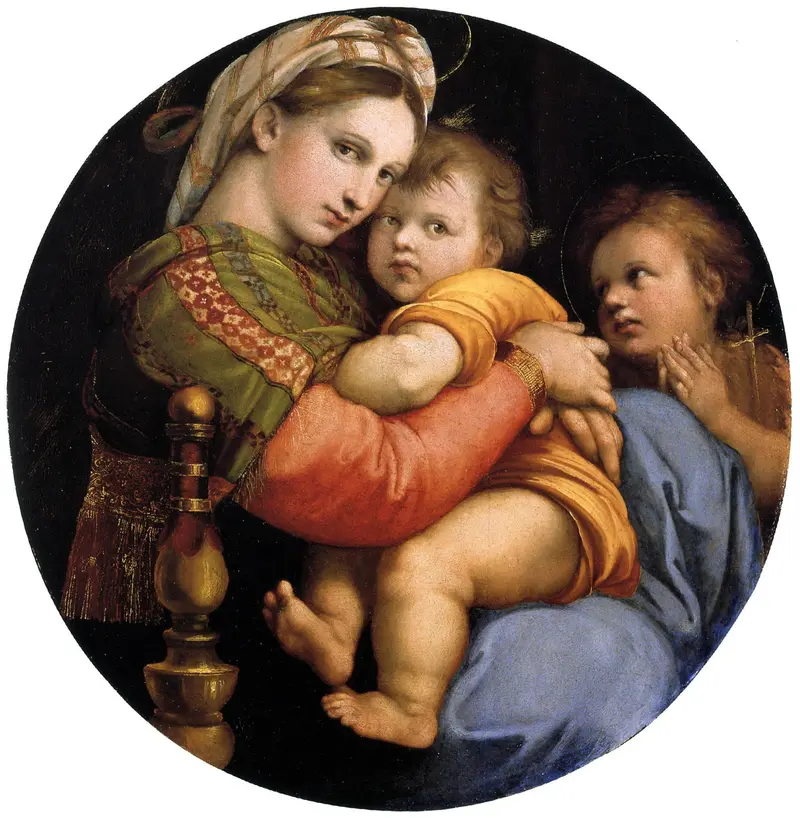
Madonna and Child (Madonna della Seggiola)
Raphael
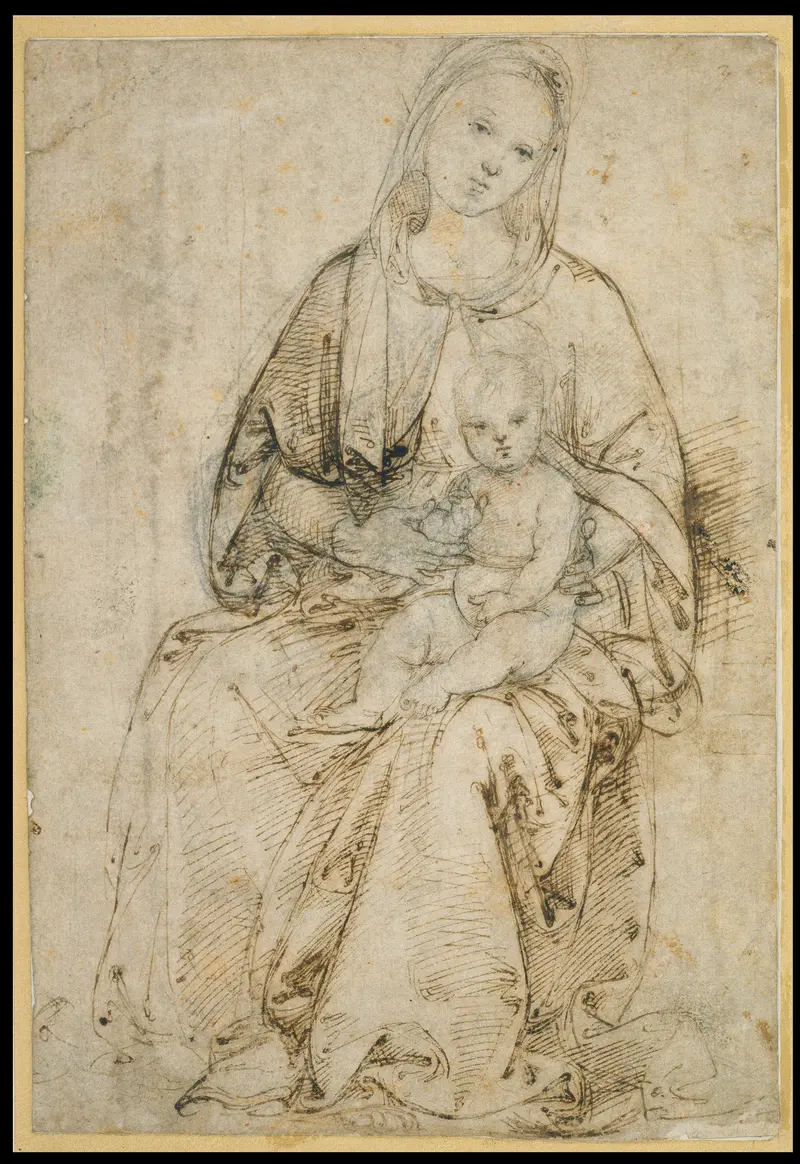
Seated Madonna and Child
Raphael
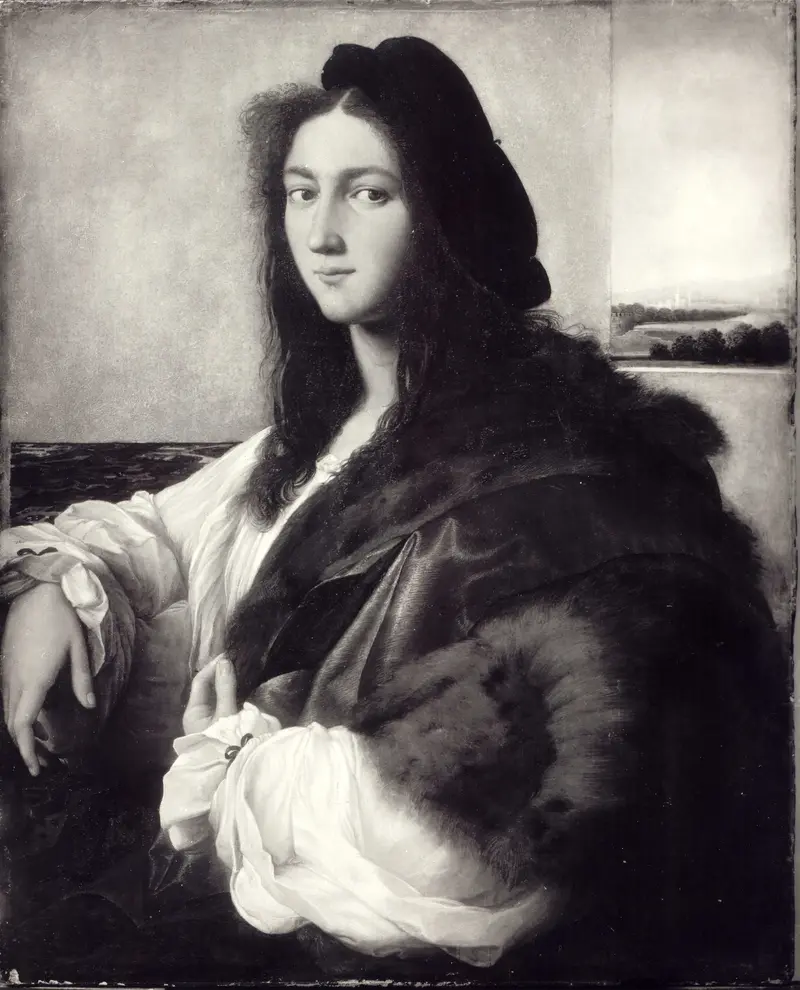
Portrait of a Young Man
Raphael
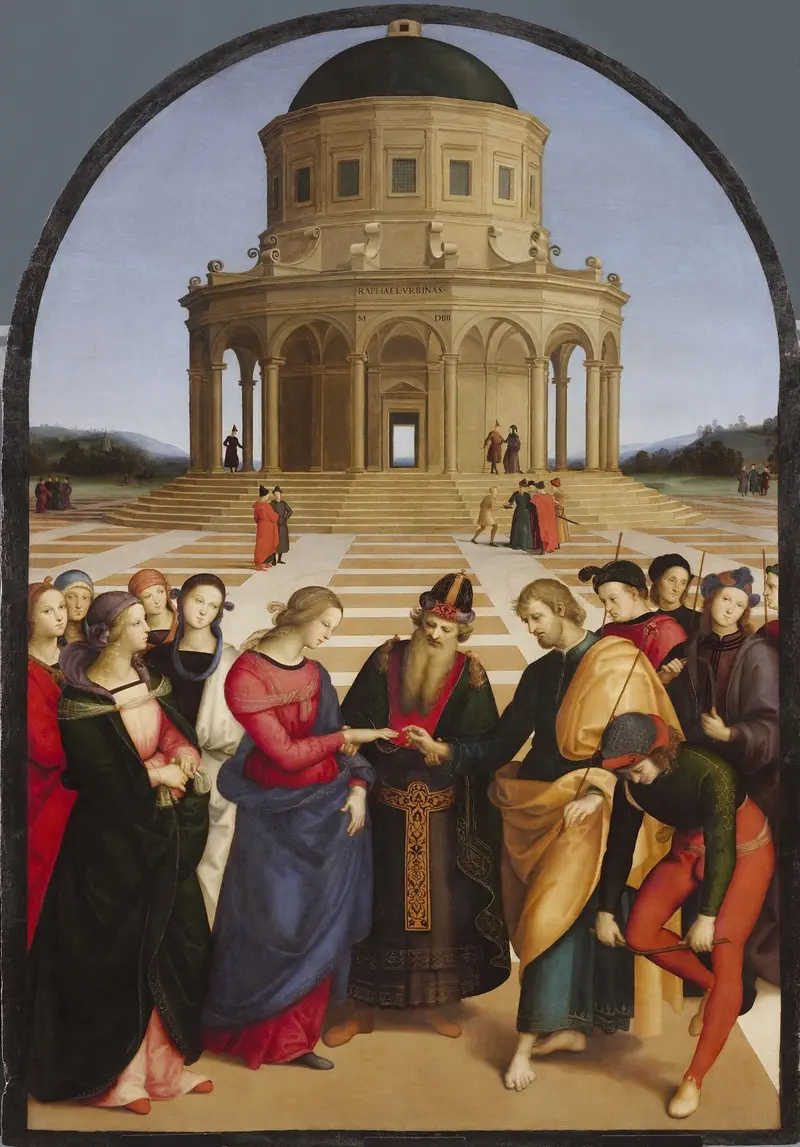
The Marriage of the Virgin
Raphael
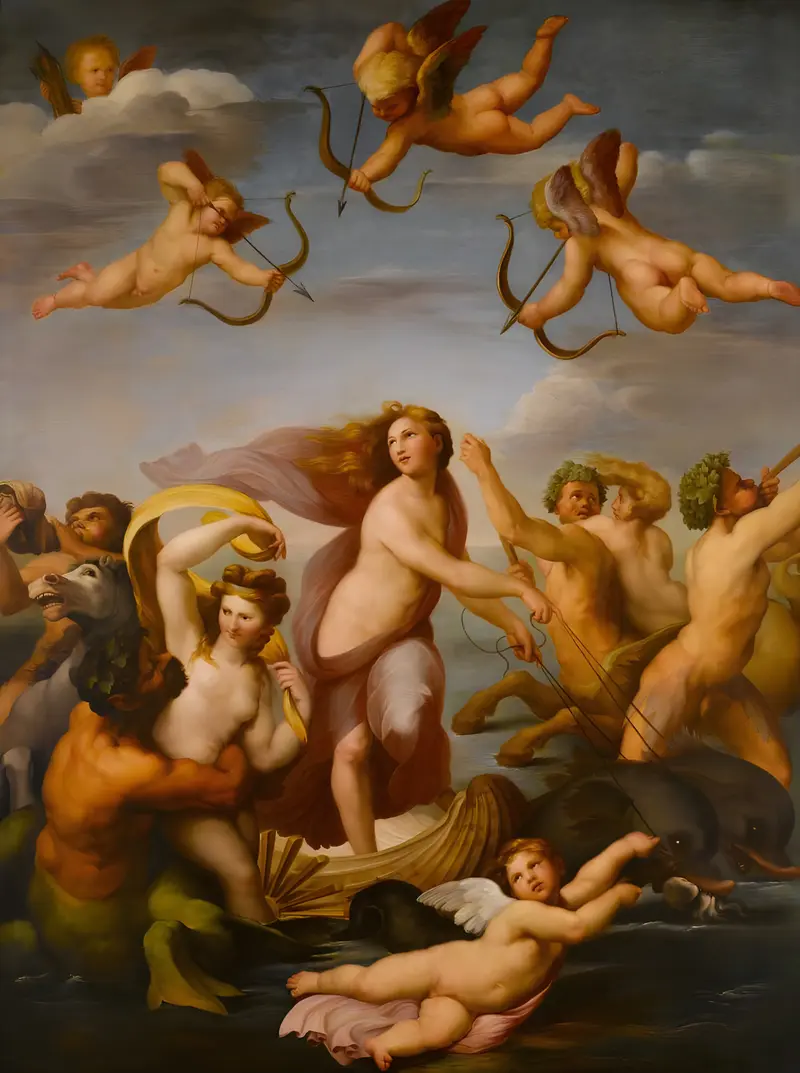
The Triumph of Galatea (copy after Raphael)
Raphael
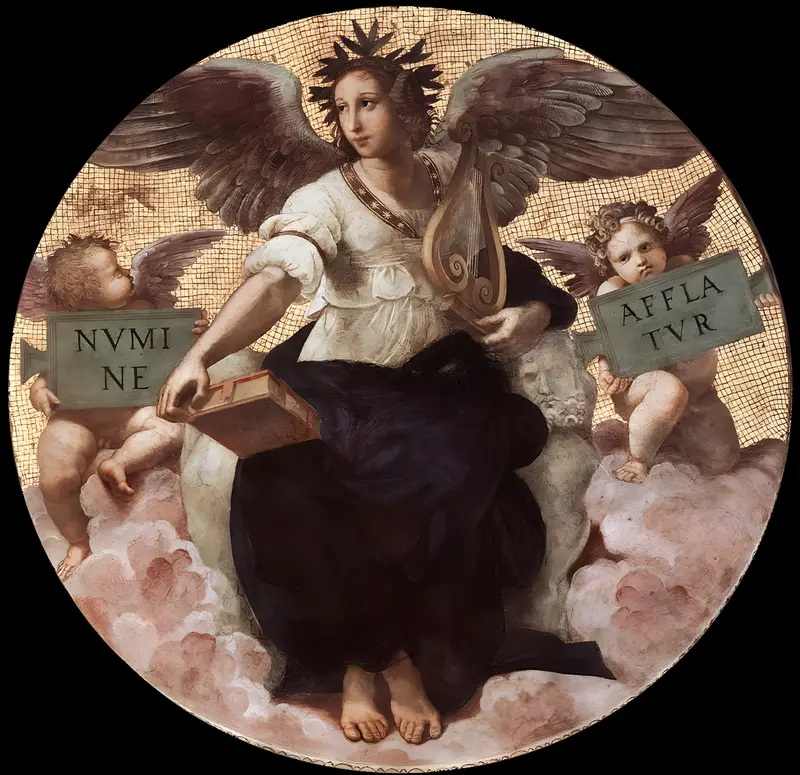
Poetry
Raphael
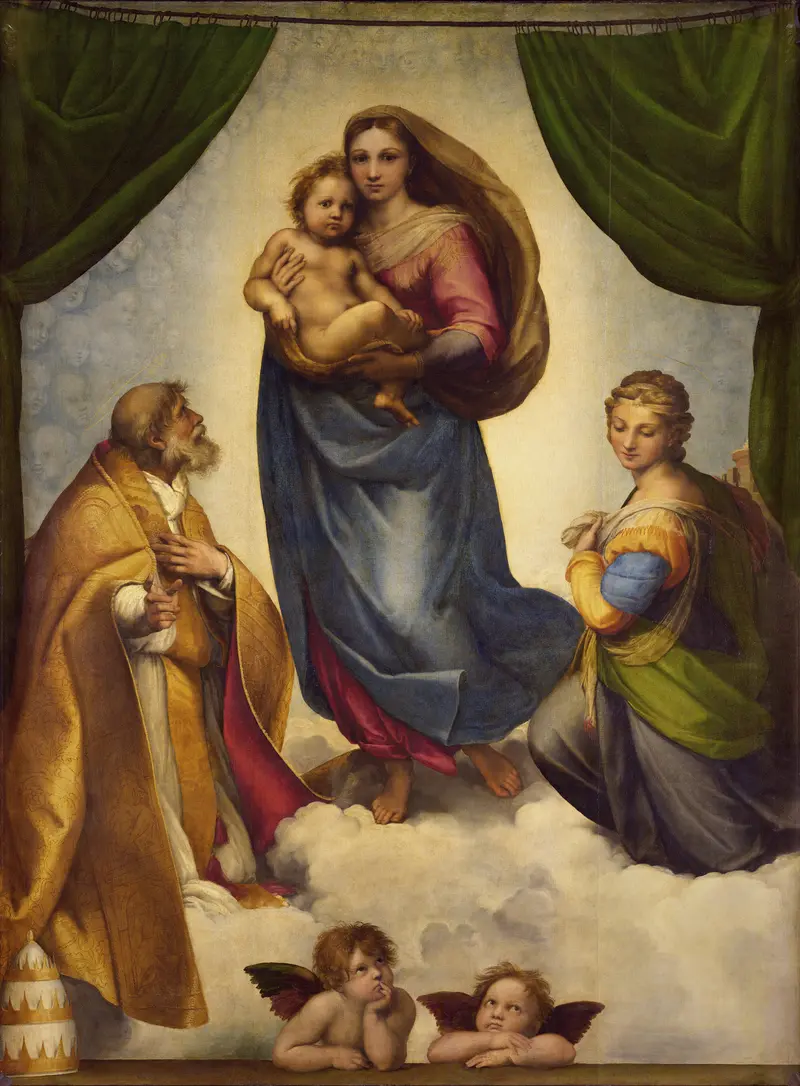
Sistine Madonna
Raphael
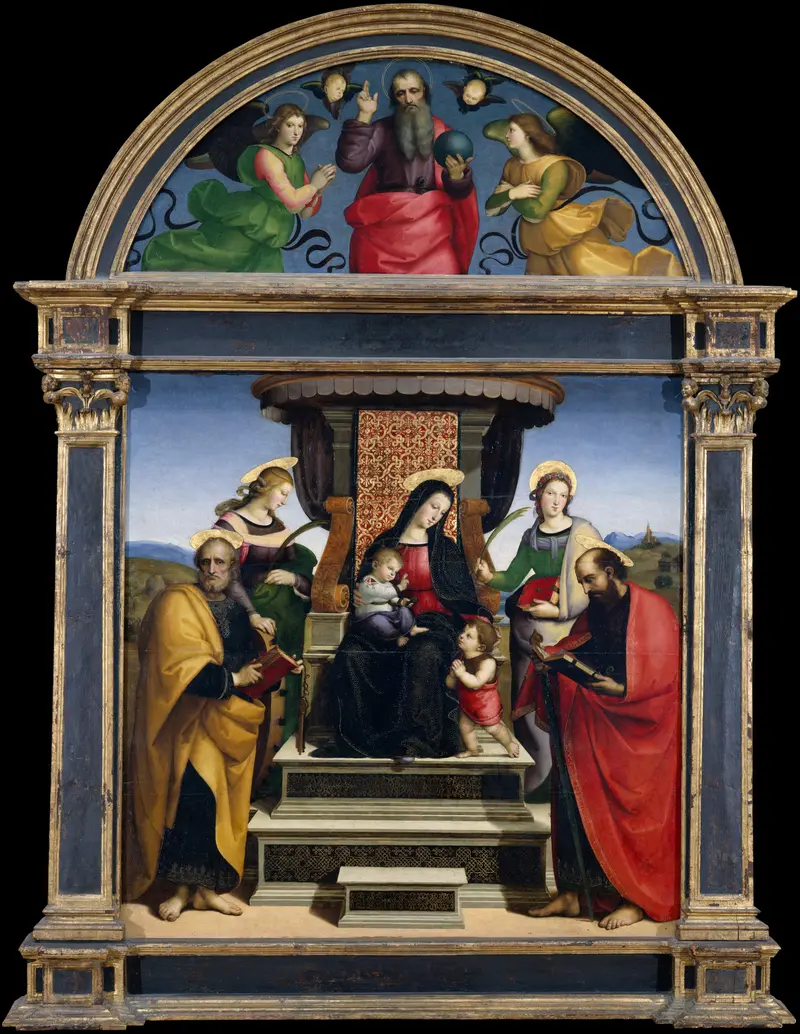
Madonna and Child Enthroned with Saints
Raphael




