
Rafaela Flores Calderón — History & Facts
The first thing to catch the eye in Rafaela Flores Calderón is the gentle, almost conspiratorial gaze of the young girl, poised in a luminous white dress that seems to float above the floor. Her right arm is extended with the casual confidence of childhood, supporting a grey parrot whose red tail feathers echo the blush in her cheeks. The birdcage, open and empty, hints at a moment of freedom or trust, while the lush garden backdrop—hollyhocks and urn—frames her in a world that feels both cultivated and wild.
Light pools across her dress and bare shoulders, drawing the viewer into the quiet intimacy between girl and bird, as if we have interrupted a private afternoon. Painted in 1842 by Antonio Maria Esquivel, this portrait belongs to a tradition of 19th-century Spanish child portraiture, where the boundaries between innocence and emerging individuality are carefully observed. Such works were often commissioned by affluent families to commemorate youth and lineage, at a time when the Romantic movement encouraged artists to explore personal expression and natural settings. The presence of the parrot—a symbol of exoticism and perhaps education—reflects both the aspirations and the worldly reach of the sitter’s milieu.
Though history has kept few traces of Rafaela Flores Calderón herself, the painting’s delicate balance of formality and affection invites us to linger, searching her expression for the story she holds back.
More Artworks by Antonio Maria Esquivel

Baldomero Espartero
Antonio Maria Esquivel
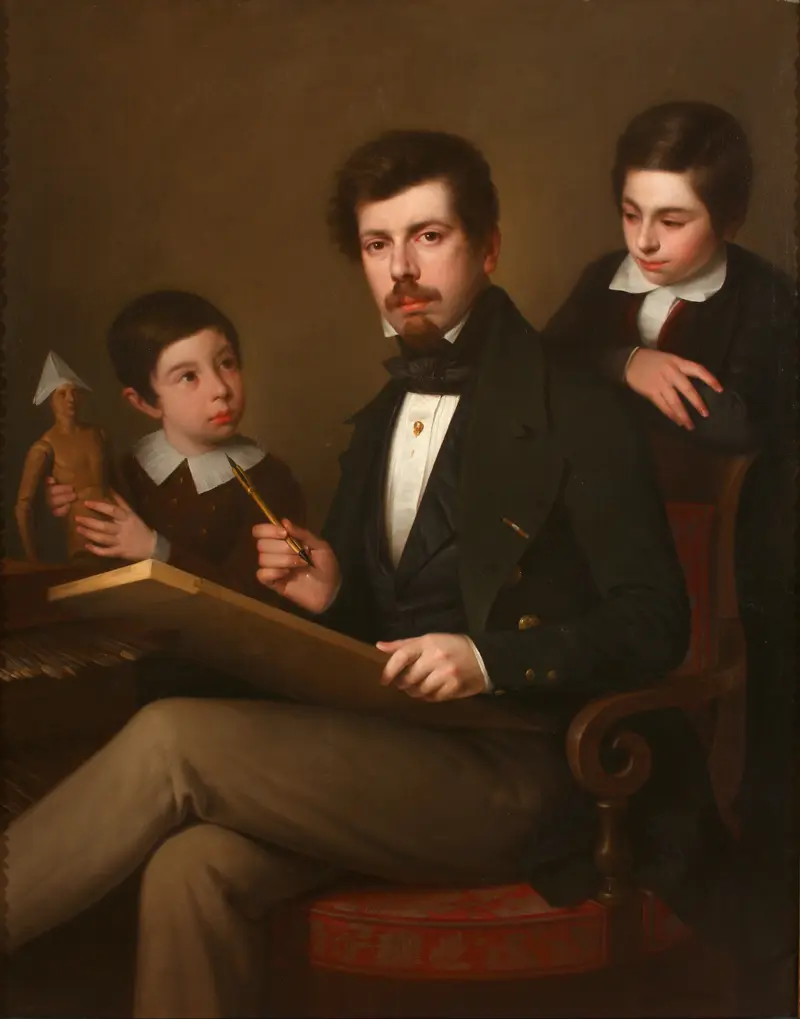
Self-portrait with his sons Carlos and Vicente
Antonio Maria Esquivel
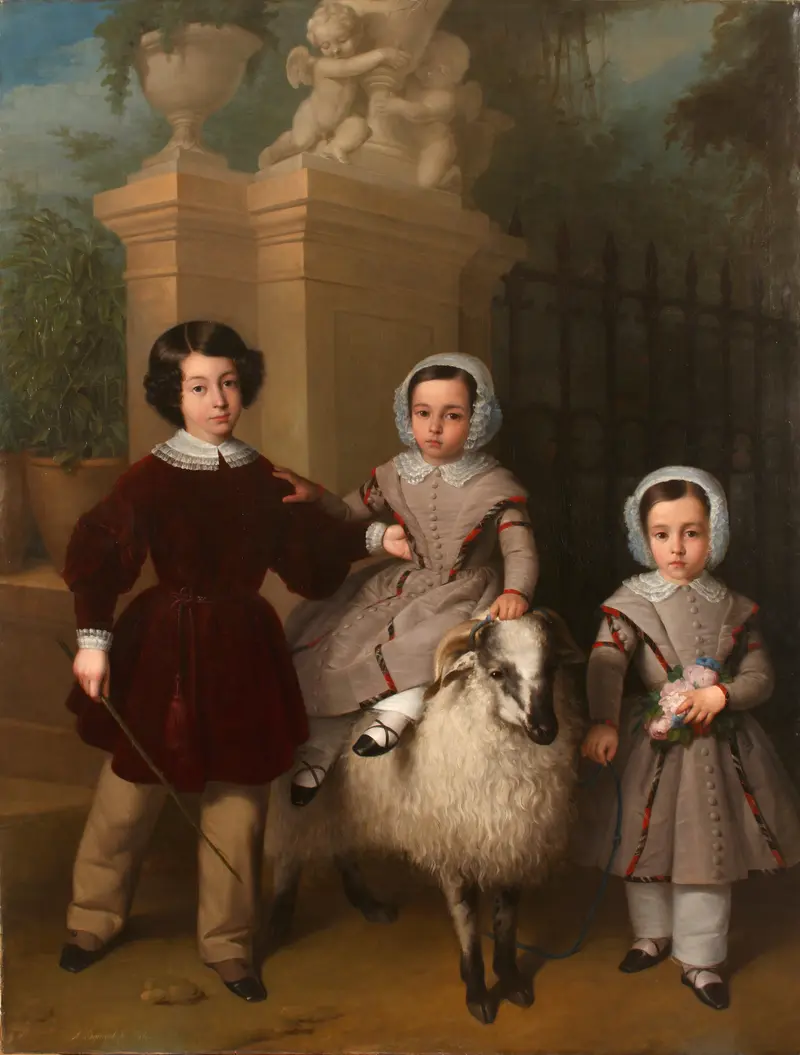
Children playing with a ram
Antonio Maria Esquivel
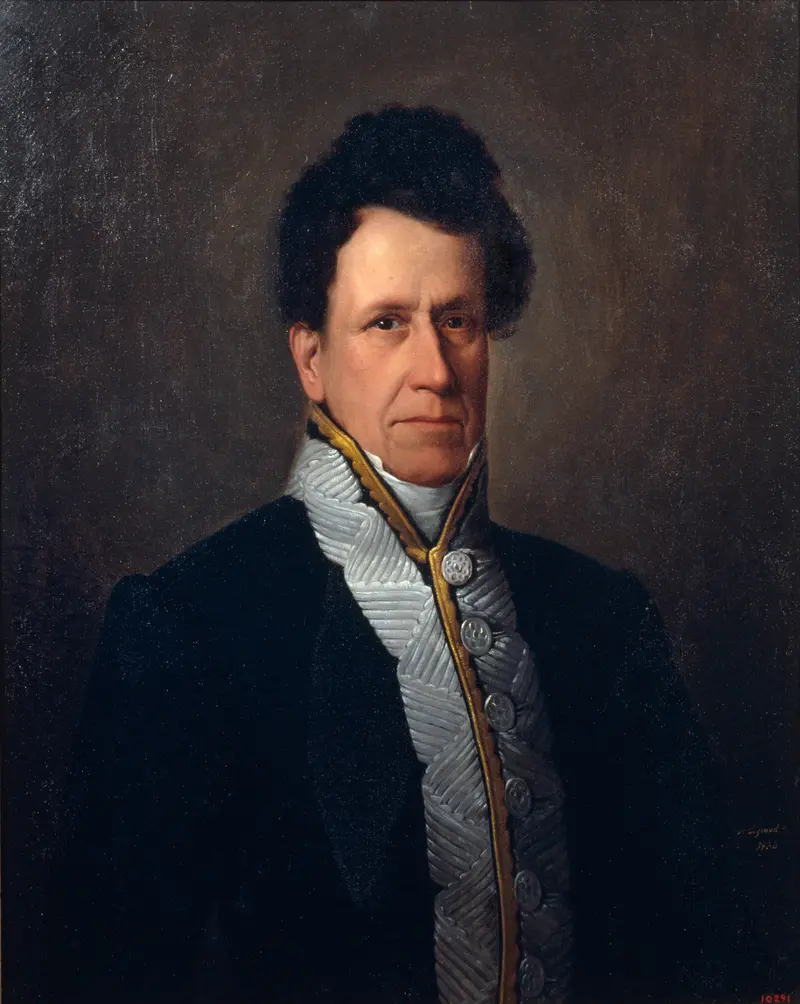
Portrait of Manuel Mª Gutiérrez
Antonio Maria Esquivel
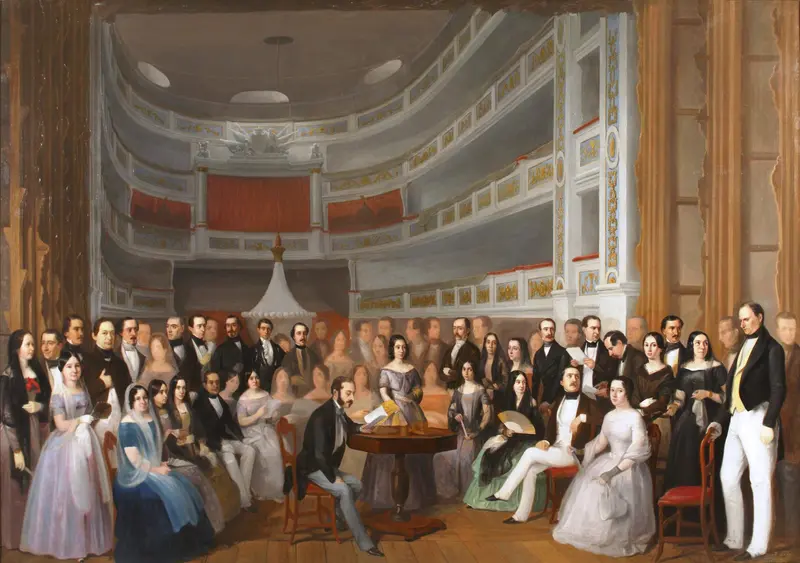
Ventura de la Vega reading a play at the Teatro del Príncipe
Antonio Maria Esquivel
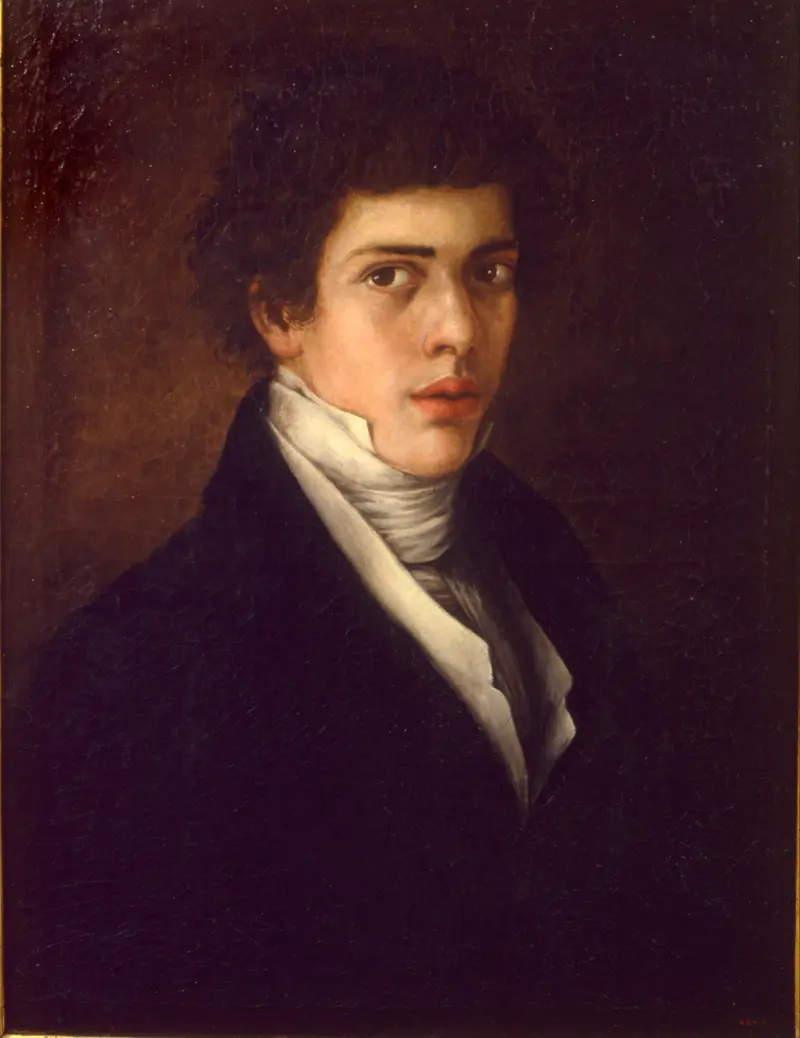
Self-portrait
Antonio Maria Esquivel
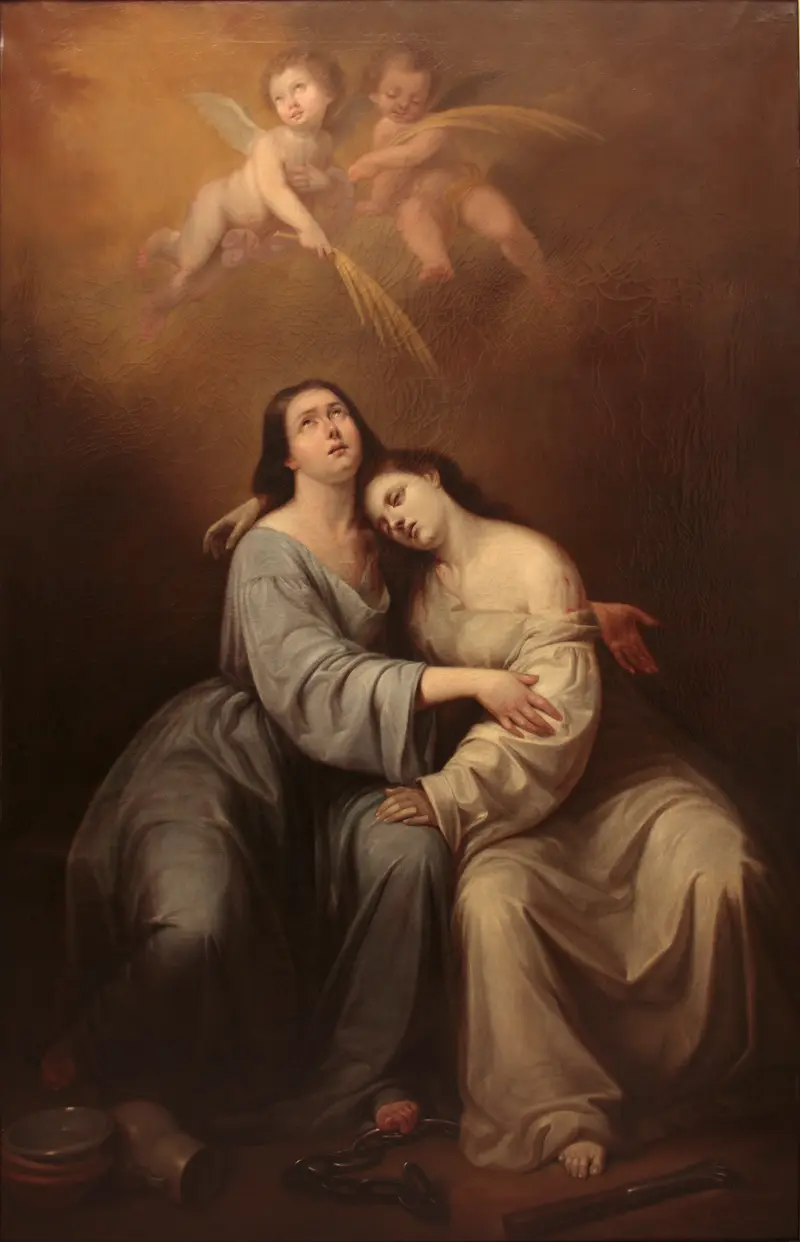
Saint Justa and Saint Rufina
Antonio Maria Esquivel
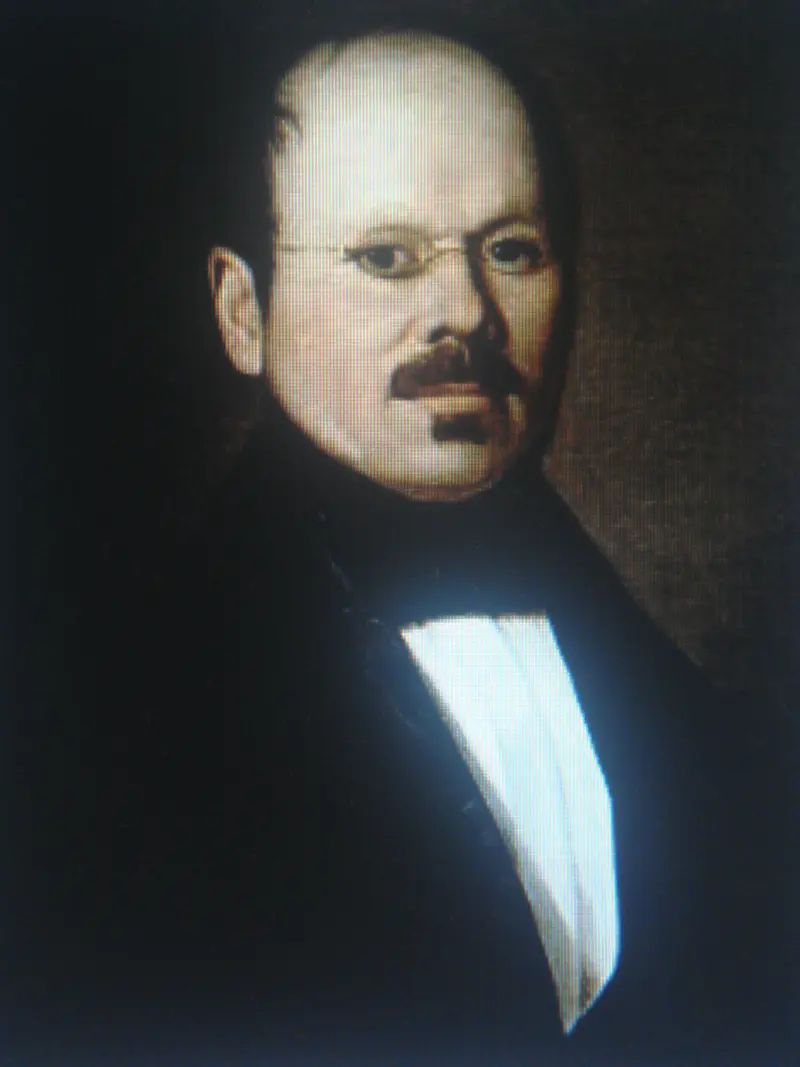
Antonio Benavides Fernández de Navarrete (Real Academia de la Historia)
Antonio Maria Esquivel
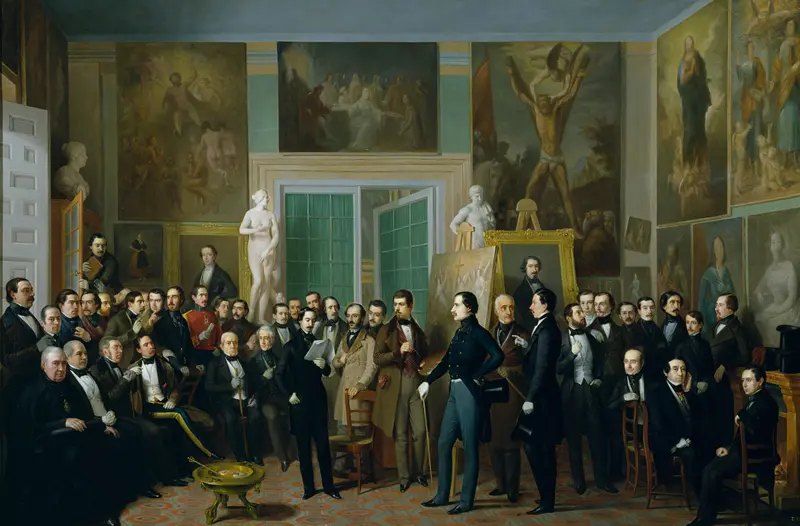
The Contemporary Poets. A Reading of Zorrilla in the Artist's Studio
Antonio Maria Esquivel
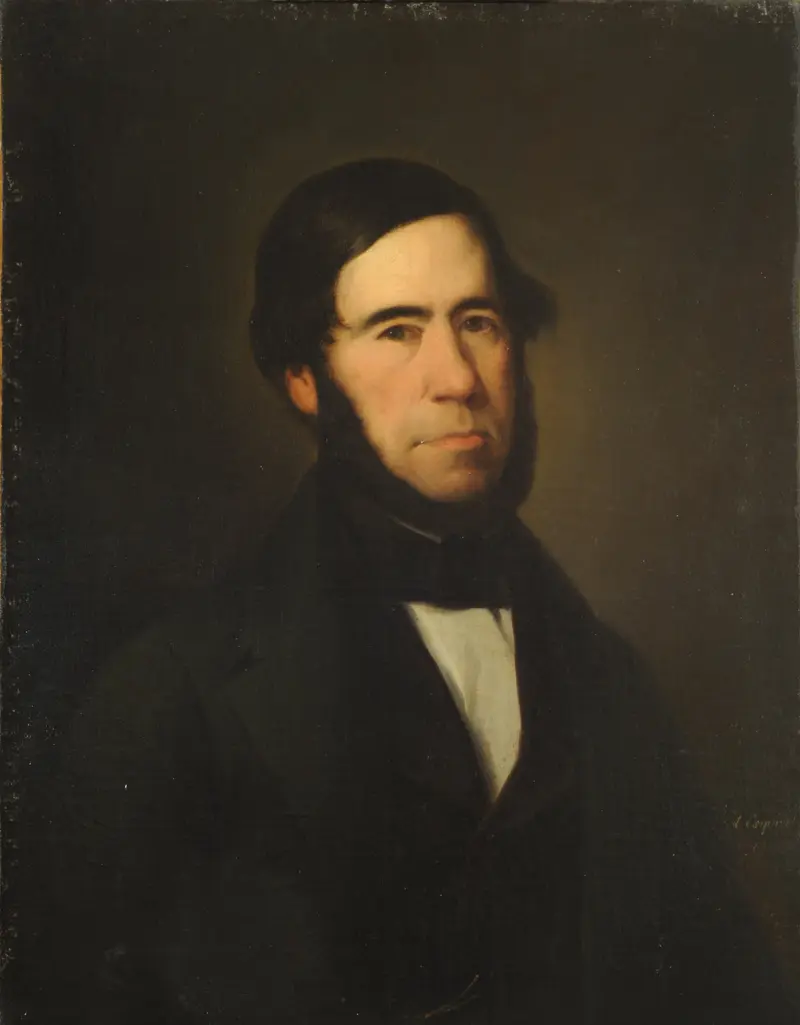
Portrait of Don Manuel José de Guerrico
Antonio Maria Esquivel





