
Ruggiero Rescuing Angelica — History & Facts
When Jean Auguste Dominique Ingres exhibited Ruggiero Rescuing Angelica at the 1819 Salon, the painting sparked immediate debate over its bold blend of Renaissance clarity and the sensuality of Romanticism. Critics were divided: some praised its luminous color and precise line, while others found its subject and style unsettlingly archaic. This was Ingres' first major mythological canvas, and it marked a decisive moment in his career, as he sought to assert his artistic independence from the dominant Neoclassicism of his teacher, Jacques-Louis David.
The painting’s reception foreshadowed the lifelong controversy that would accompany Ingres’ work. The drama unfolds on a rocky shore, at the very instant the knight Ruggiero, mounted on a winged hippogriff, swoops down to save the princess Angelica. She is chained to a bare rock, her pale body exposed to the sea monster that rises from the waves—a scene drawn from Orlando Furioso, Ariosto’s epic poem. Ingres freezes the action at the height of suspense: Angelica’s outstretched arms and terrified gaze, Ruggiero’s poised spear, and the coiling monster all form a tight triangle of tension.
The silvery light, cool and hard, sculpts the figures with almost sculptural precision, recalling the clarity of Raphael—Ingres’ lifelong idol—yet the sensuous flesh and dramatic rescue anticipate the Romantic drama of Delacroix’s later The Abduction of Rebecca. Commissioned by the French state for the Musée du Luxembourg, Ruggiero Rescuing Angelica was painted during Ingres’ years in Rome, a period of both isolation and artistic experimentation. Its cool reception in Paris did not deter Ingres, who would go on to revisit similar mythological themes throughout his career. The painting has remained in French public collections ever since, now housed in the Musée du Louvre.
Today, it stands as a testament to a young artist’s audacious negotiation between tradition and innovation, and to the enduring power of myth retold through the lens of a restless imagination.
More Artworks by Jean Auguste Dominique Ingres
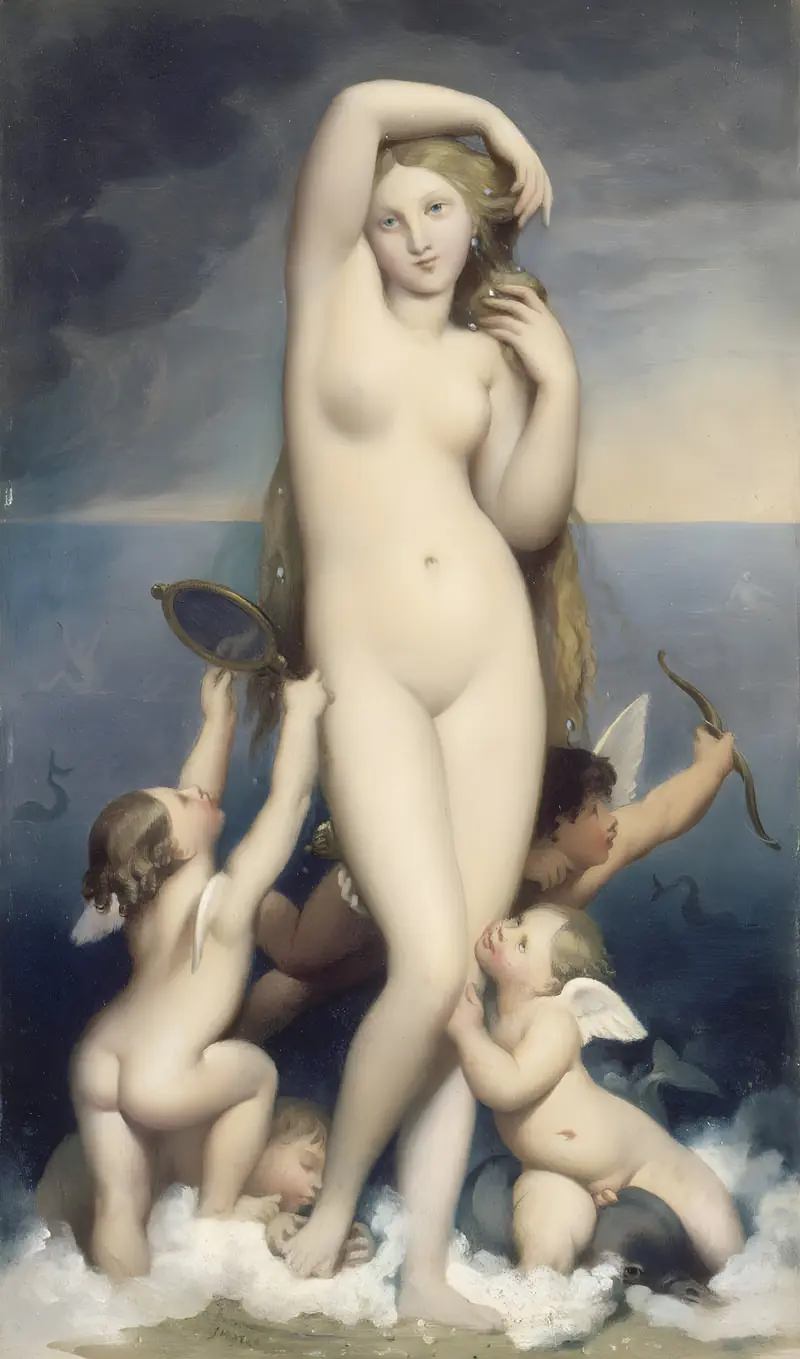
Vénus anadyomène
Jean Auguste Dominique Ingres
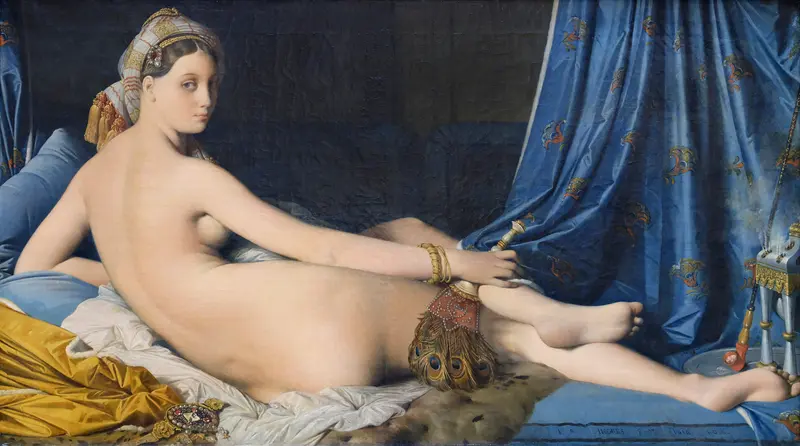
Grande Odalisque
Jean Auguste Dominique Ingres
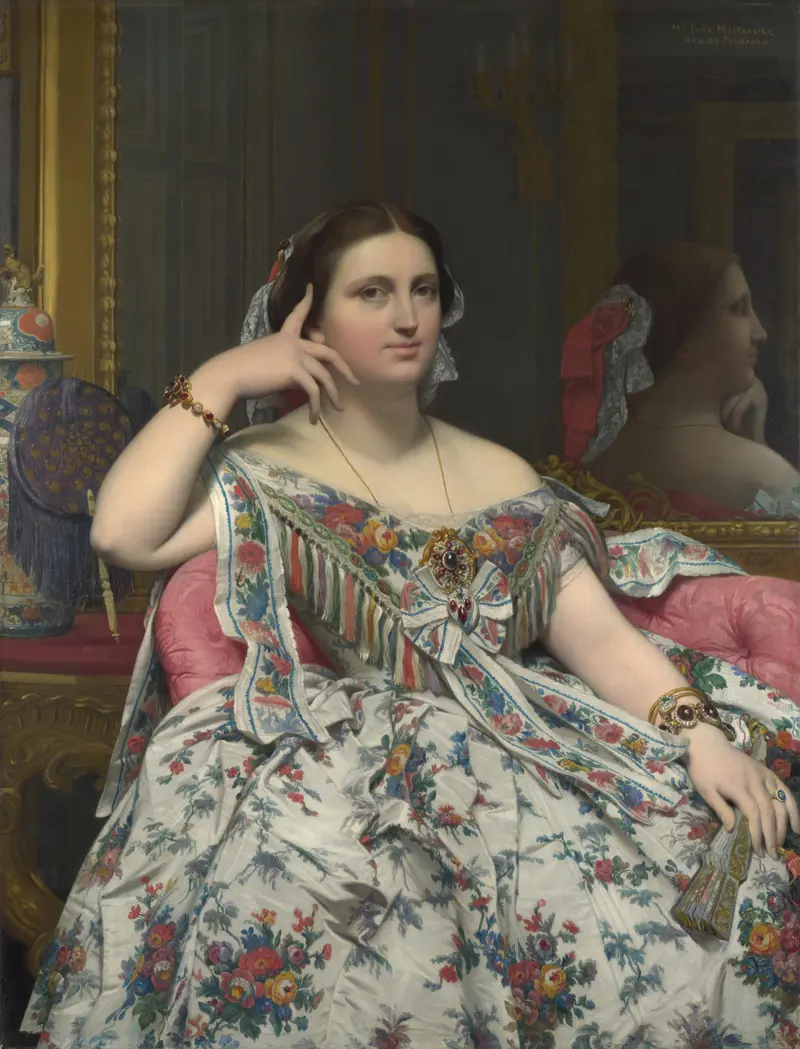
Madame Moitessier (seated)
Jean Auguste Dominique Ingres
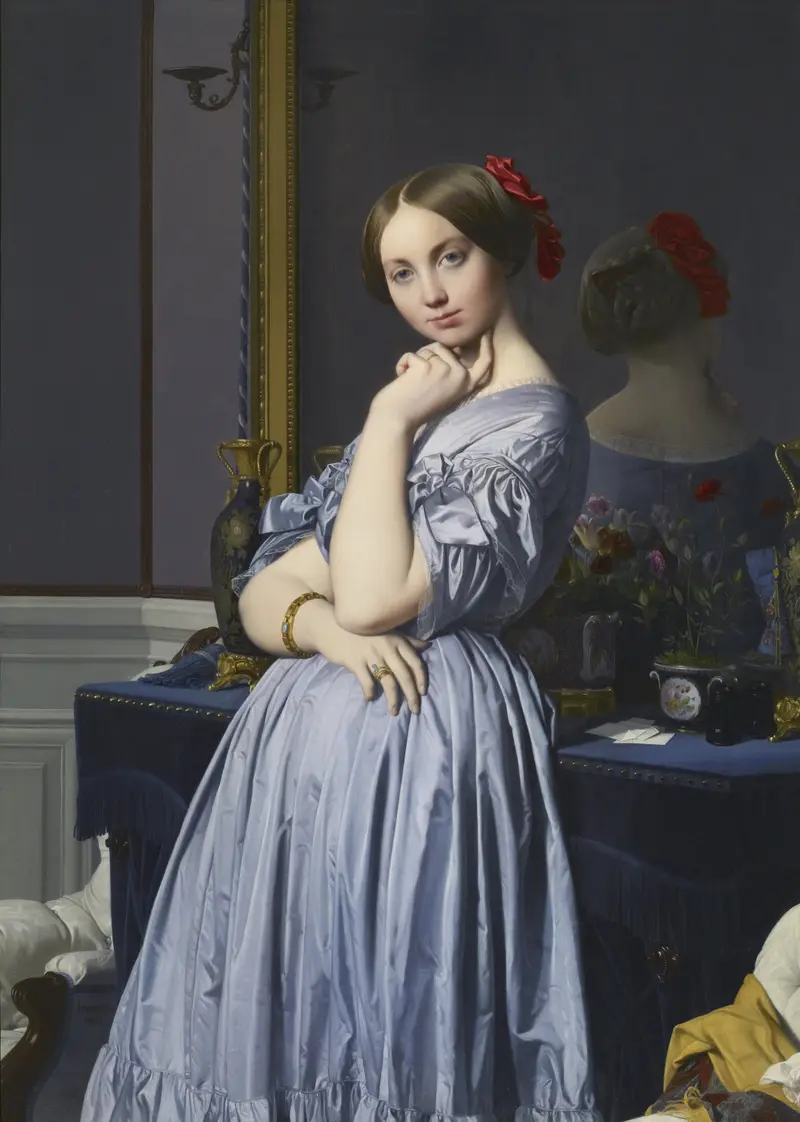
Portrait of Comtesse d’Haussonville
Jean Auguste Dominique Ingres
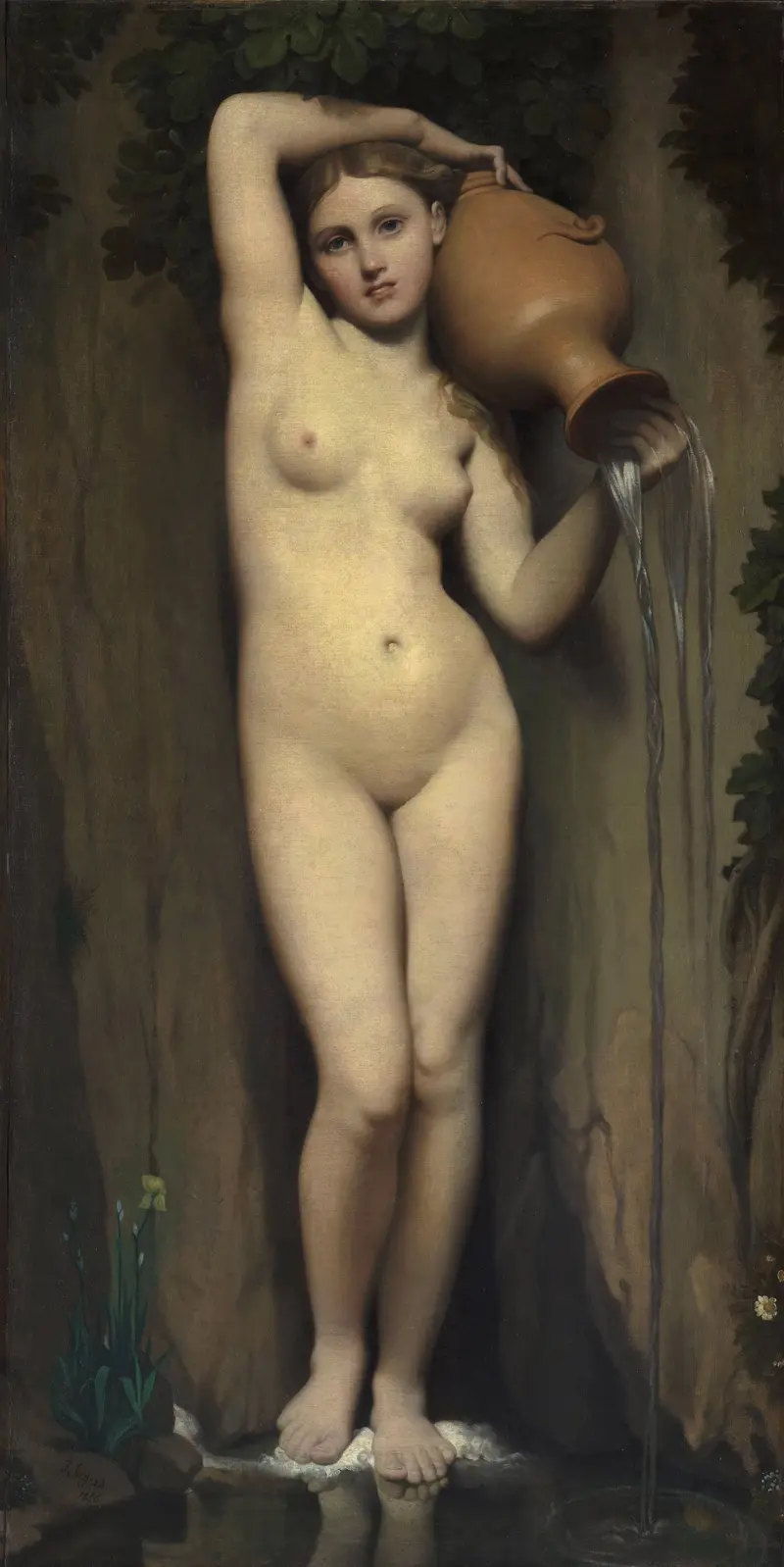
The Source
Jean Auguste Dominique Ingres
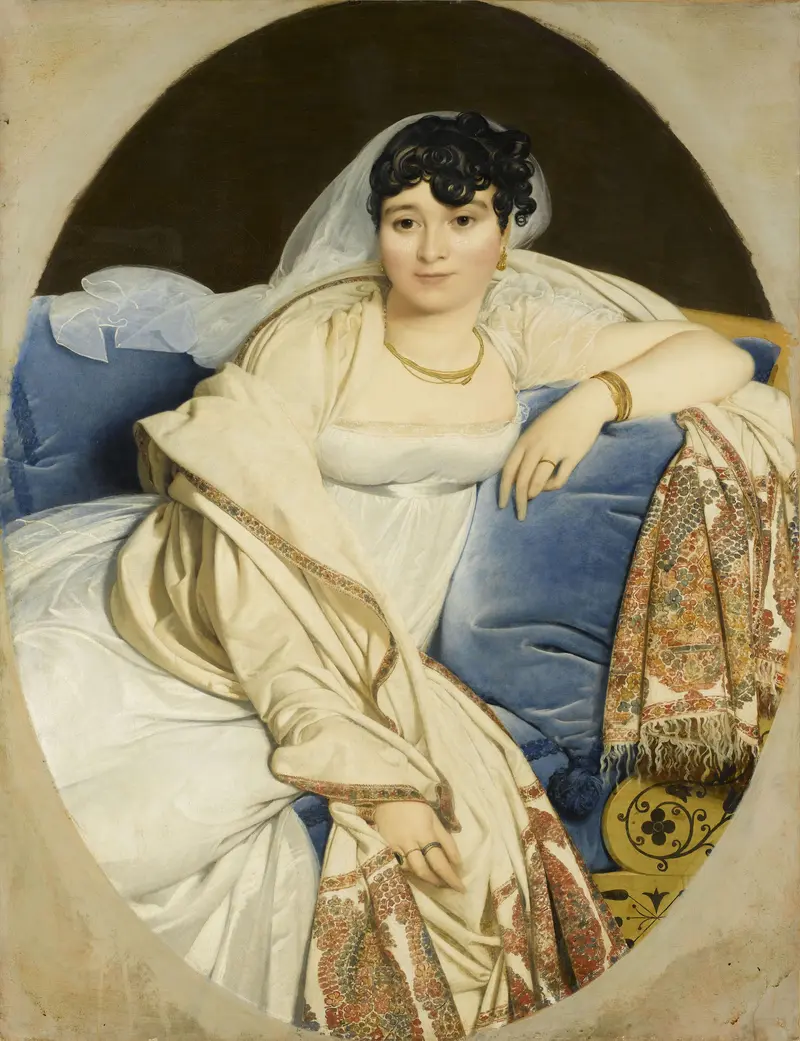
Madame Rivière
Jean Auguste Dominique Ingres

Madame Jean-Auguste-Dominique Ingres, née Madeleine Chapelle
Jean Auguste Dominique Ingres

Portrait of a Lady
Jean Auguste Dominique Ingres
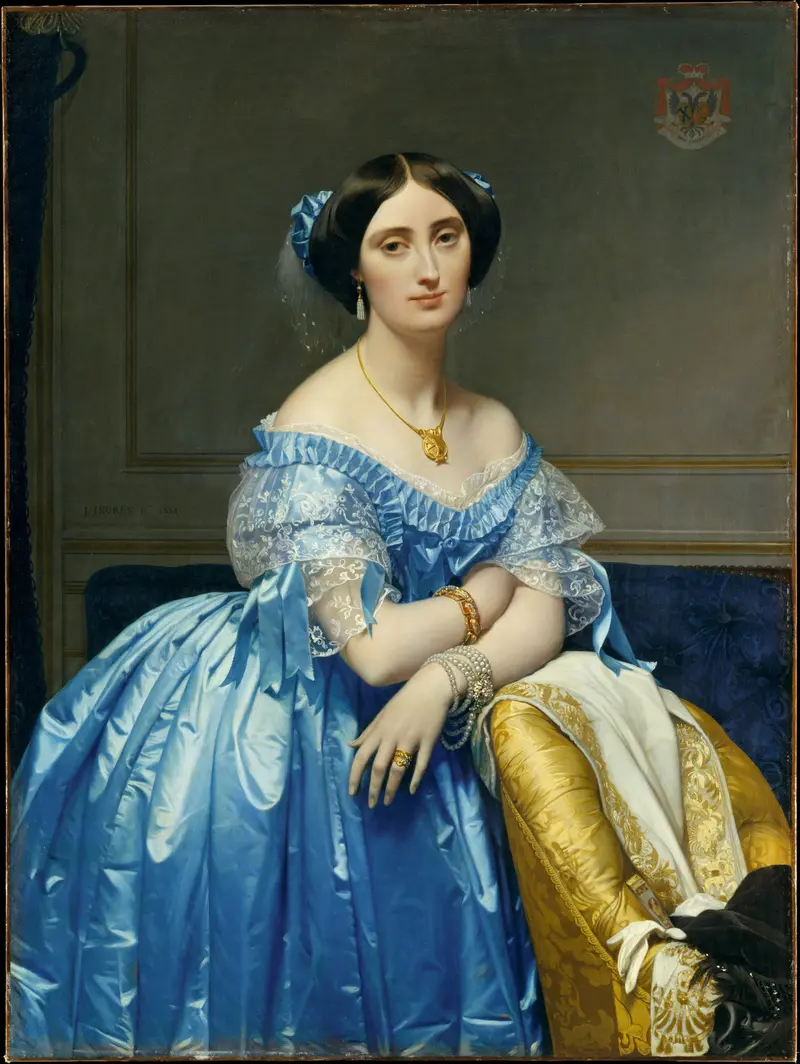
Joséphine-Éléonore-Marie-Pauline de Galard de Brassac de Béarn (1825–1860), Princesse de Broglie
Jean Auguste Dominique Ingres
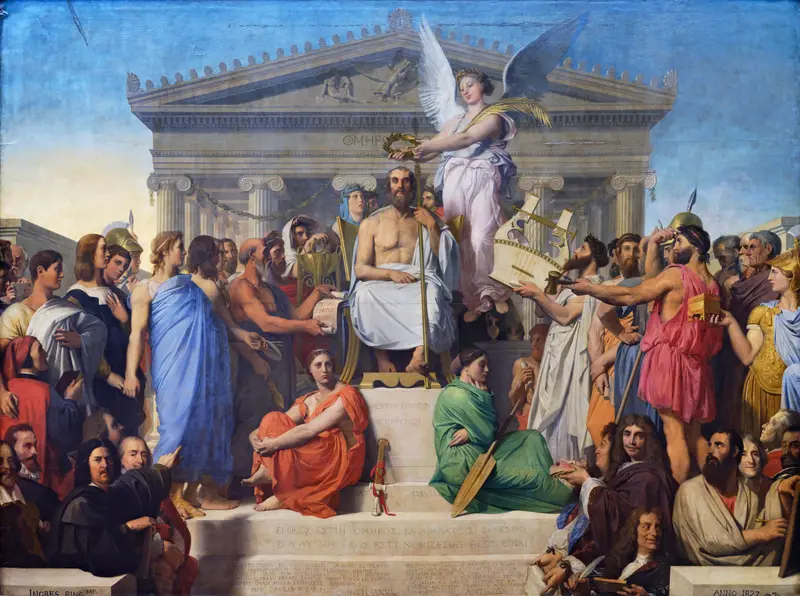
The Apotheosis of Homer
Jean Auguste Dominique Ingres





