
Ruisseau — History & Facts
What first catches the eye in Ruisseau is the way the trees lean in close, as if drawn by the quiet current at the heart of the image. The stream itself is narrow, almost shy, winding its way beneath a canopy of tangled branches that seem to shelter it from the world beyond. The path on the left curves gently toward a barn or cottage, its door dark and inviting, suggesting a human presence just out of sight.
Every line in the etching pulls the viewer onward—down the path, under the trees, along the water’s mirrored surface—inviting a slow exploration of shadow and light. The artist’s hand is clear in the energetic, almost restless marks that animate the foliage and water, giving the tranquil scene a sense of movement and life. Little is recorded about this particular work by Armand Apol, and its date and medium remain uncertain, though it now resides in the Royal Library of Belgium. Scenes like this—rural, intimate, and rendered with a sensitive eye for the poetry of the everyday—were cherished in late nineteenth- and early twentieth-century Belgian art, often reflecting a longing for the countryside as cities grew and modern life accelerated.
Such prints were collected by connoisseurs and ordinary admirers alike, serving as windows onto quieter worlds. History has kept few traces of Ruisseau’s journey, but its gentle invitation to linger by the water’s edge remains as clear as ever—drawing the viewer back for another look.
More Artworks by Armand Apol
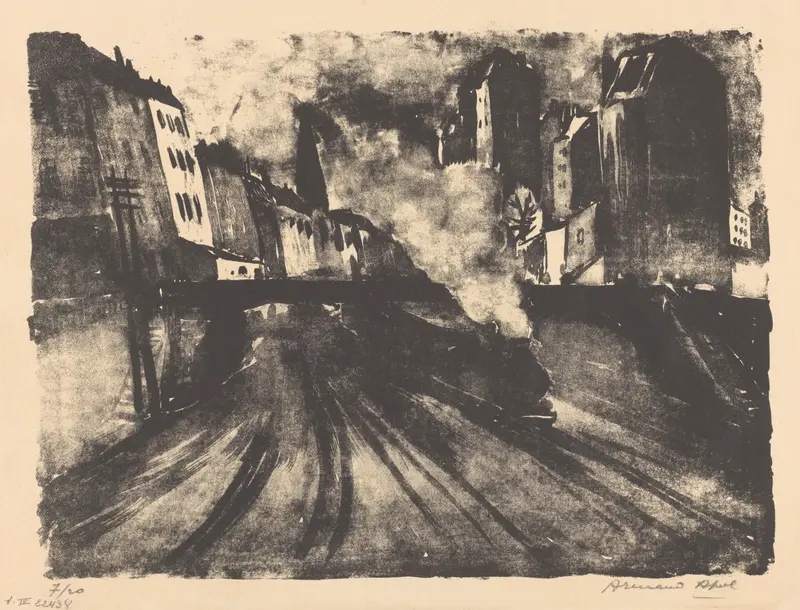
Chemin de fer de ceinture à Paris
Armand Apol
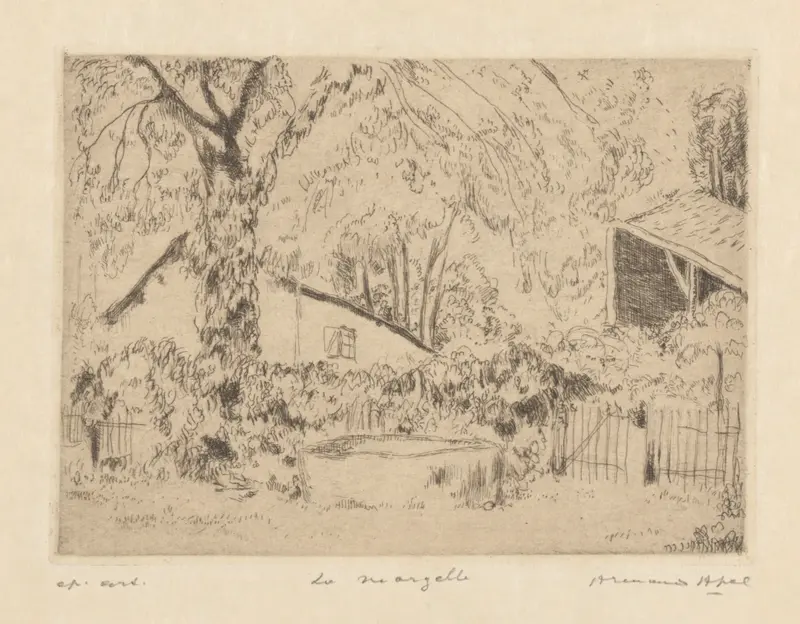
La margelle
Armand Apol
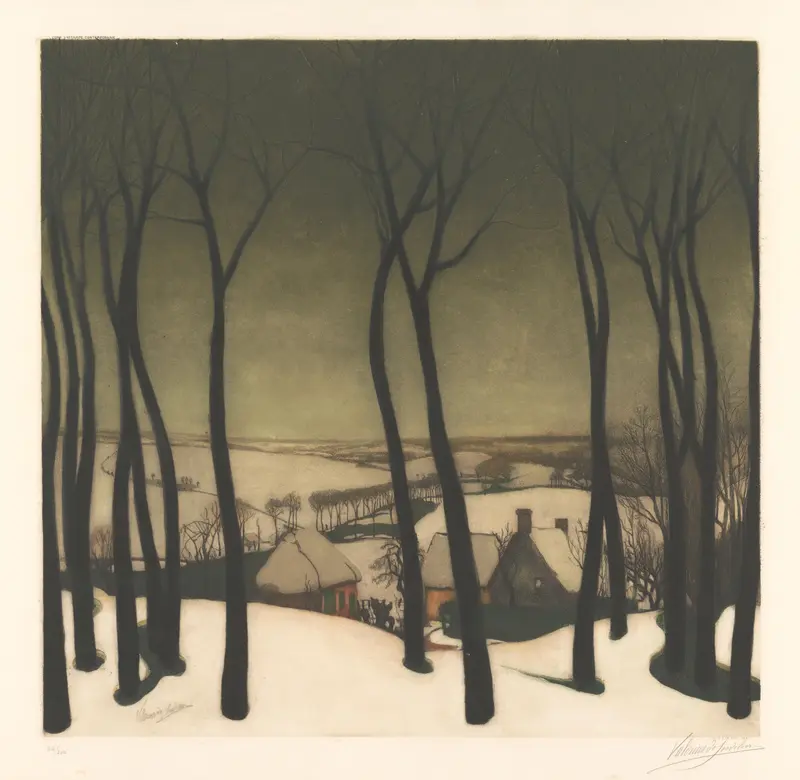
Album 8 estampes (en couleurs) (05) : Paysage
Armand Apol
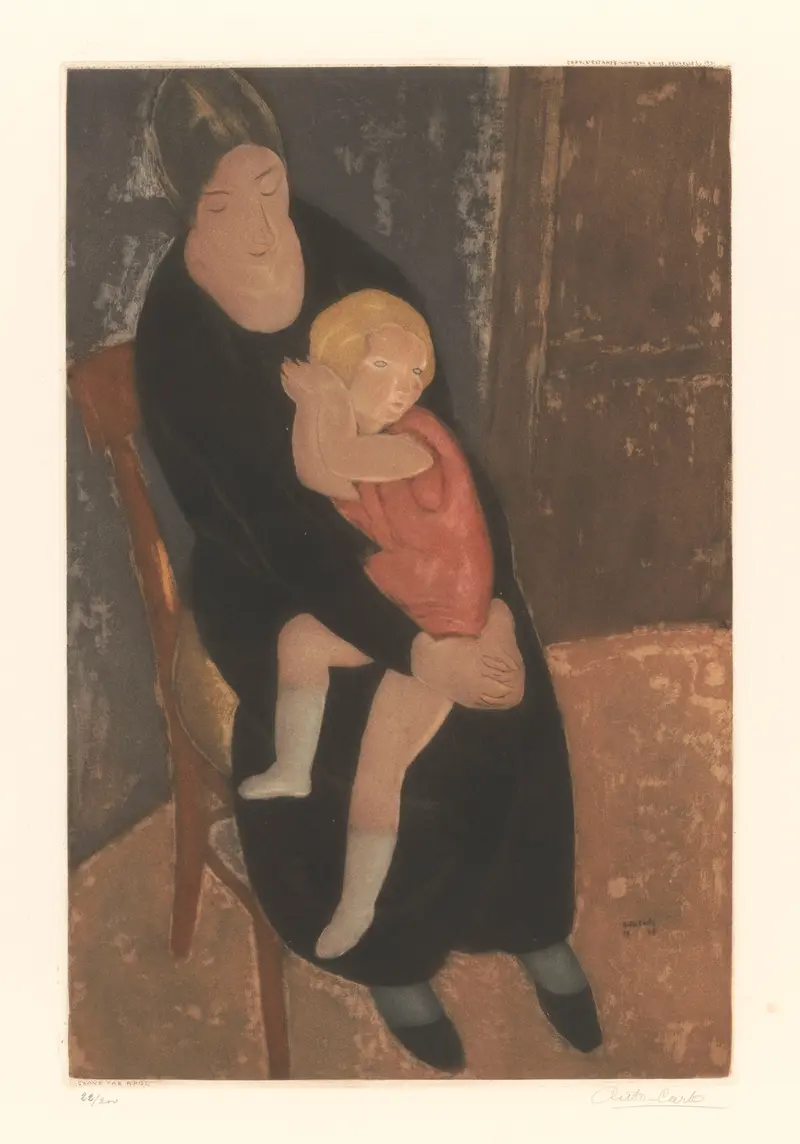
Album 8 estampes (en couleurs) (08) : Mère et enfant
Armand Apol
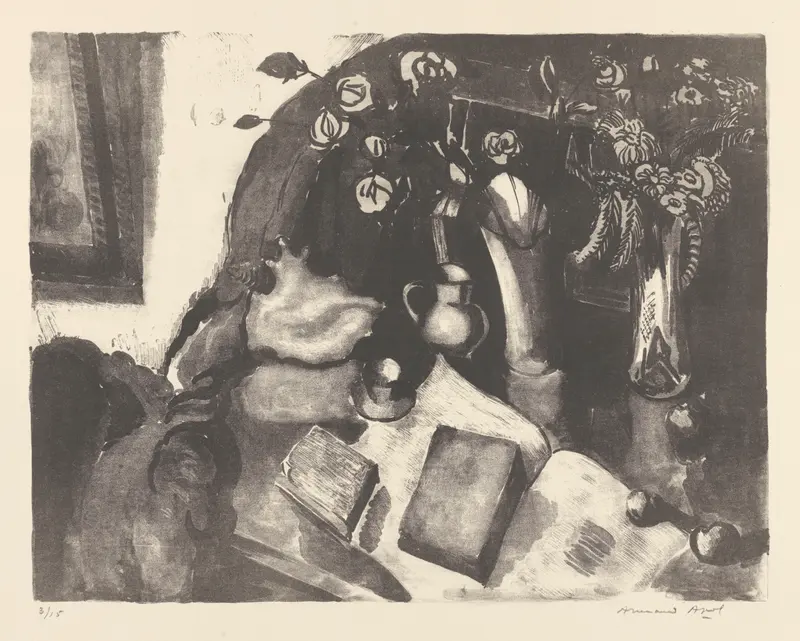
Dix lithographies au lavis (02) : Nature morte
Armand Apol

Dix planches (06) : La loge
Armand Apol
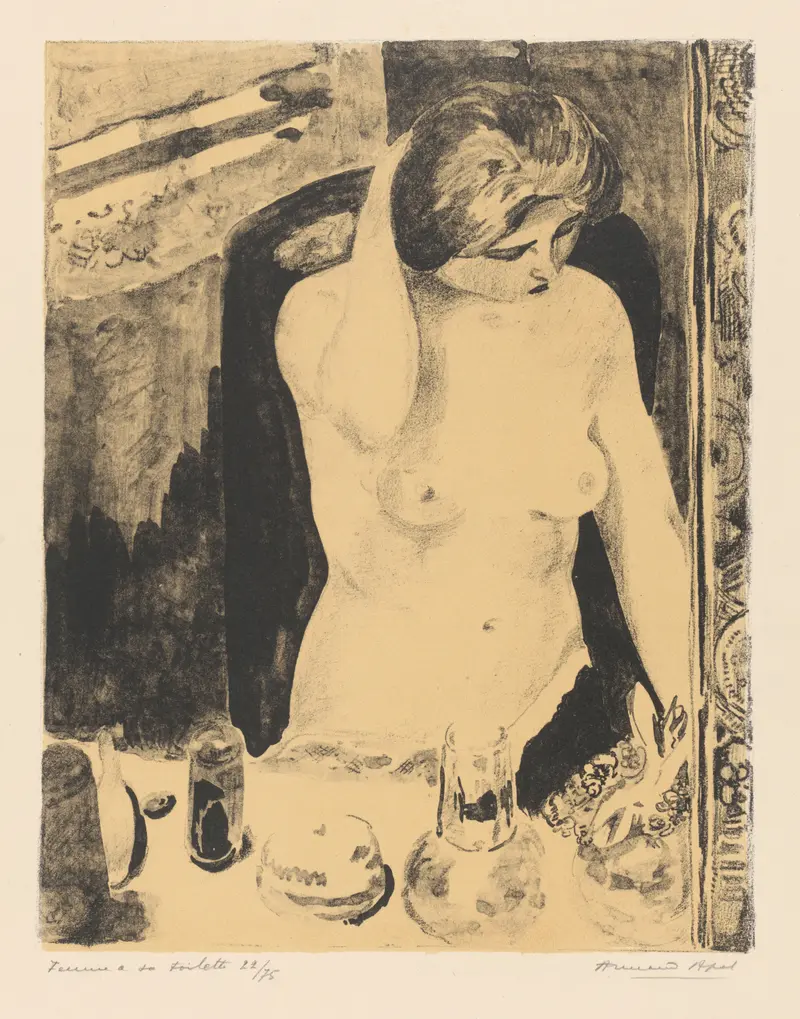
Dix planches (10) : Femme à sa toilette
Armand Apol
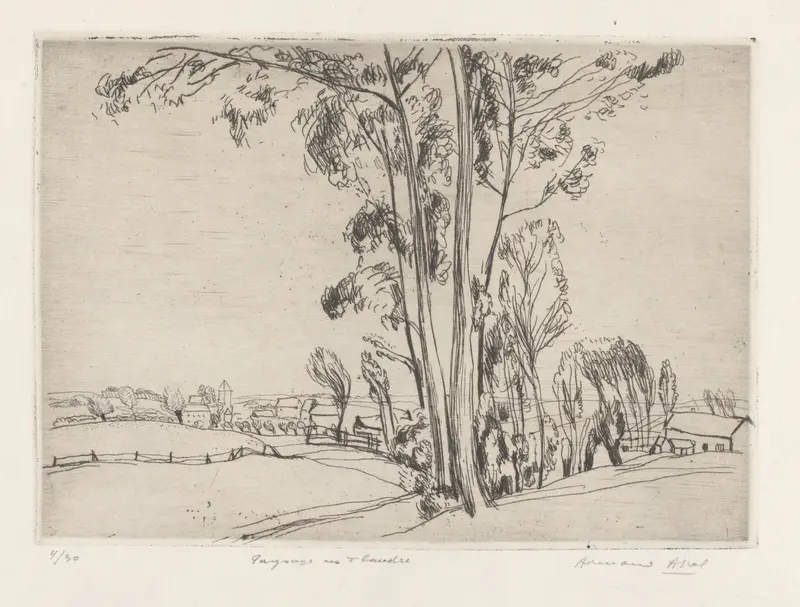
Paysage en Flandre (Etichove)
Armand Apol
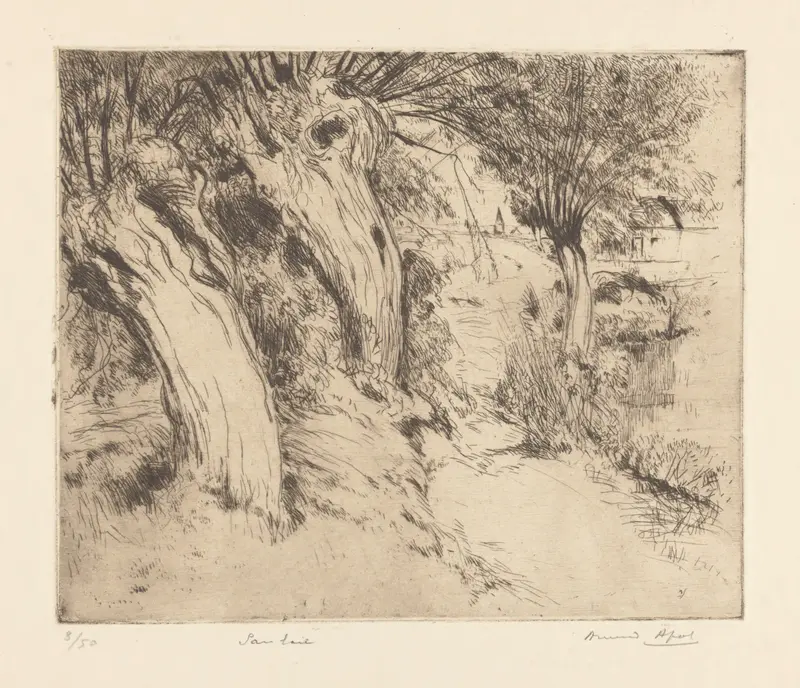
Saulaie
Armand Apol
Zeebrugge
Armand Apol
More Landscape Art

The Starry Night
Vincent van Gogh

View of Delft
Johannes Vermeer

Water Lilies
Claude Monet

The Grand Canal, Venice, looking north-west from the Ca' Corner to the Ca' Contarini degli Scrigni, with the campanile of Santa Maria della Carità
Canaletto

Windsor Castle
Canaletto

The Grand Canal looking North-East from the Palazzo Dolfin-Manin to the Rialto Bridge
Canaletto