
Rzeczpospolita Babińska — History & Facts
In 1881, Jan Matejko turned his attention to one of Poland’s most curious historical footnotes: the Rzeczpospolita Babińska, or “Babinian Republic,” a satirical, mock state founded in the 16th century by Polish nobles as a parody of the real Commonwealth. The Babinian Republic, with its invented offices and playful decrees, flourished as a haven for wit and irony at a time when Poland’s political life was anything but lighthearted. Matejko’s painting is the only known major 19th-century depiction of this eccentric society, and it stands out for its blend of humor and historical detail—qualities rarely combined in his grand historical canvases. The scene captures the Babinian “court” in full session, with costumed nobles presiding over a farcical ceremony.
At the center, the “King” of Babin raises a goblet in mock solemnity, while courtiers—some in outlandish hats, others with scrolls or makeshift regalia—exchange knowing glances. Matejko fills the composition with visual jokes: a chain of sausages in place of a golden collar, a scepter topped with a turnip, documents sealed with blobs of wax and laughter. The light, unusually warm for Matejko, draws the eye to these comic details, inviting viewers to share in the jest.
Unlike Rembrandt’s The Night Watch, which transforms a civic guard into heroes, Matejko’s Babinians are heroes of irony, their dignity entirely self-invented. The original patron of Rzeczpospolita Babińska is not recorded, and the painting’s early history remains obscure—a rarity in Matejko’s otherwise well-documented career. Today, it is held in a Polish national collection, recognized as a testament to the artist’s fascination with the less solemn sides of history. Painted at the height of Matejko’s fame, it reveals his willingness to explore humor and satire alongside his grand historical narratives.
The work is often discussed as a companion to his more serious depictions of Polish parliament and nobility, and it continues to intrigue scholars for its unique subject and playful spirit.
More Artworks by Jan Matejko
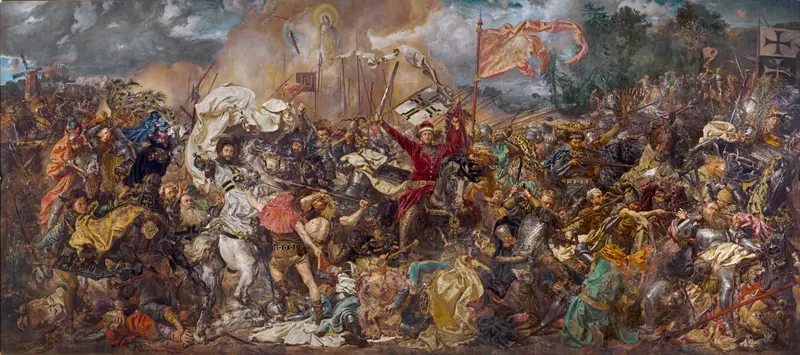
Battle of Grunwald
Jan Matejko

Stańczyk
Jan Matejko

Battle of Raclawice
Jan Matejko
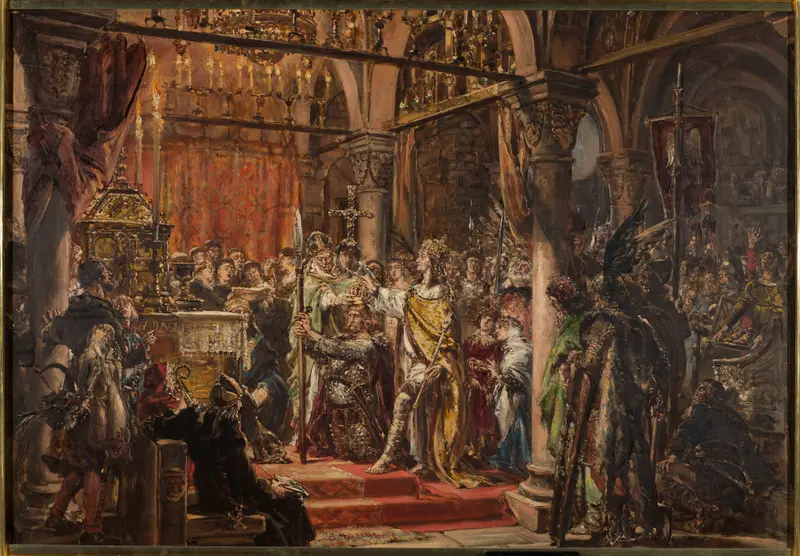
Coronation of the First King, 1001 AD, from the series “History of Civilization in Poland”
Jan Matejko
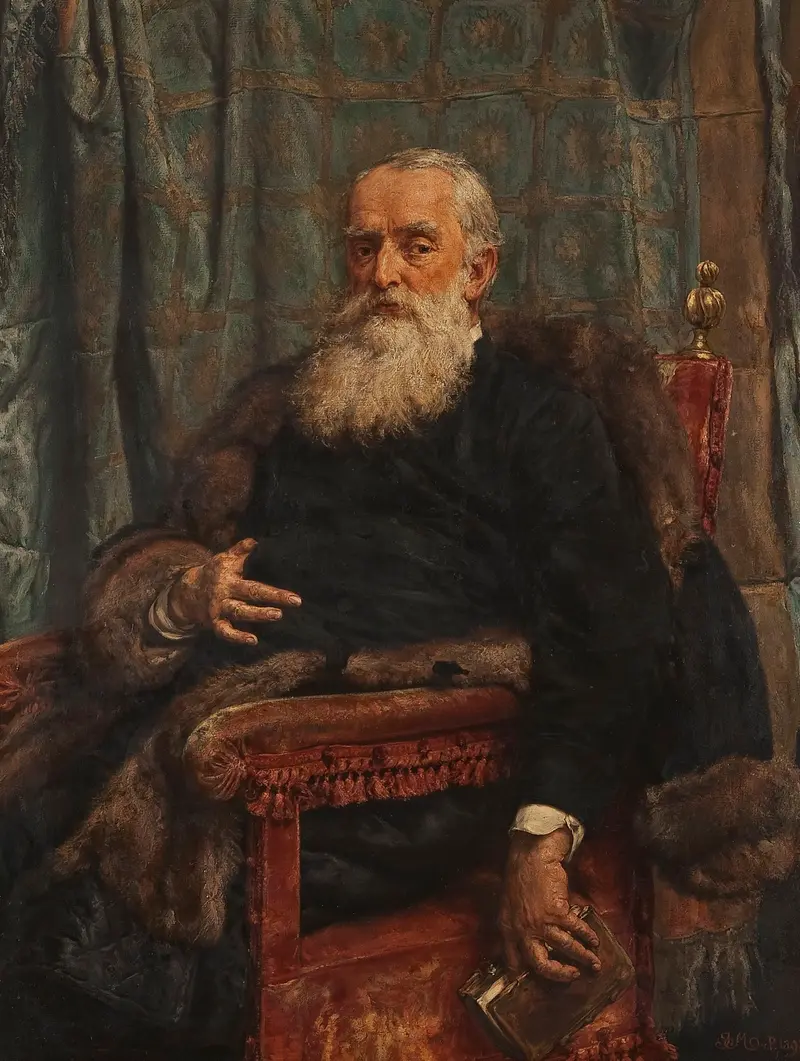
Portrait of Henryk Krajewski
Jan Matejko
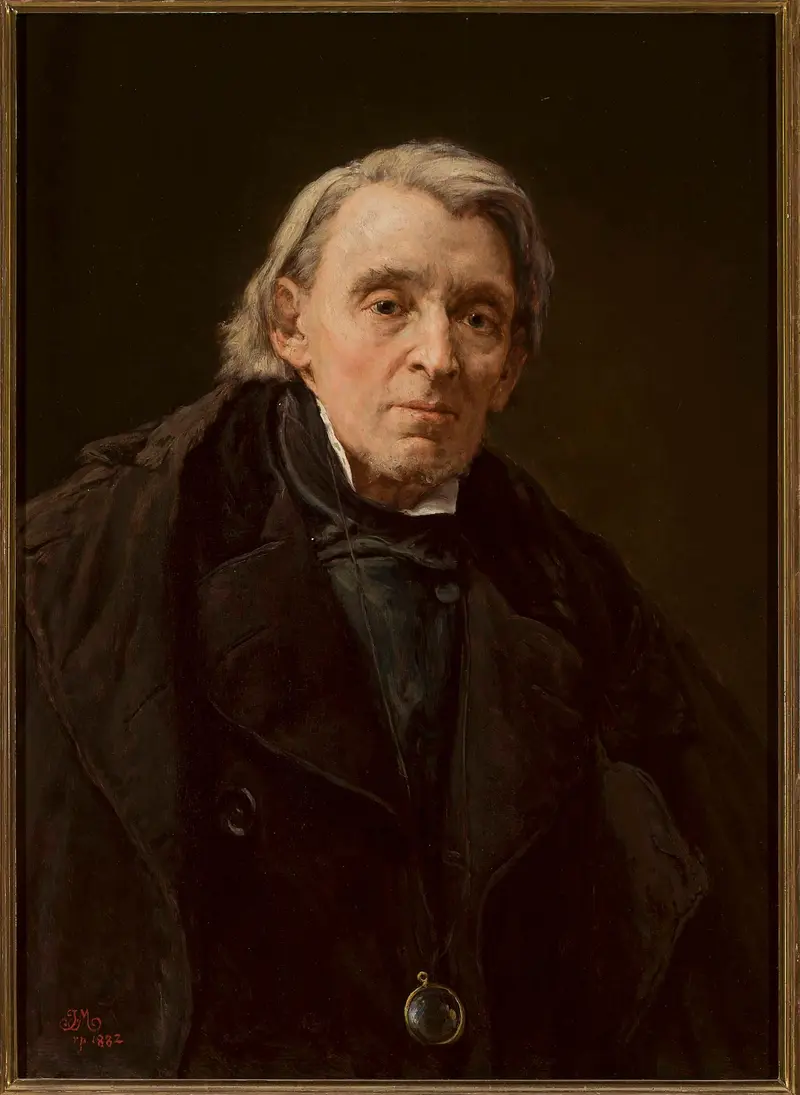
Portrait of Karol Podlewski
Jan Matejko
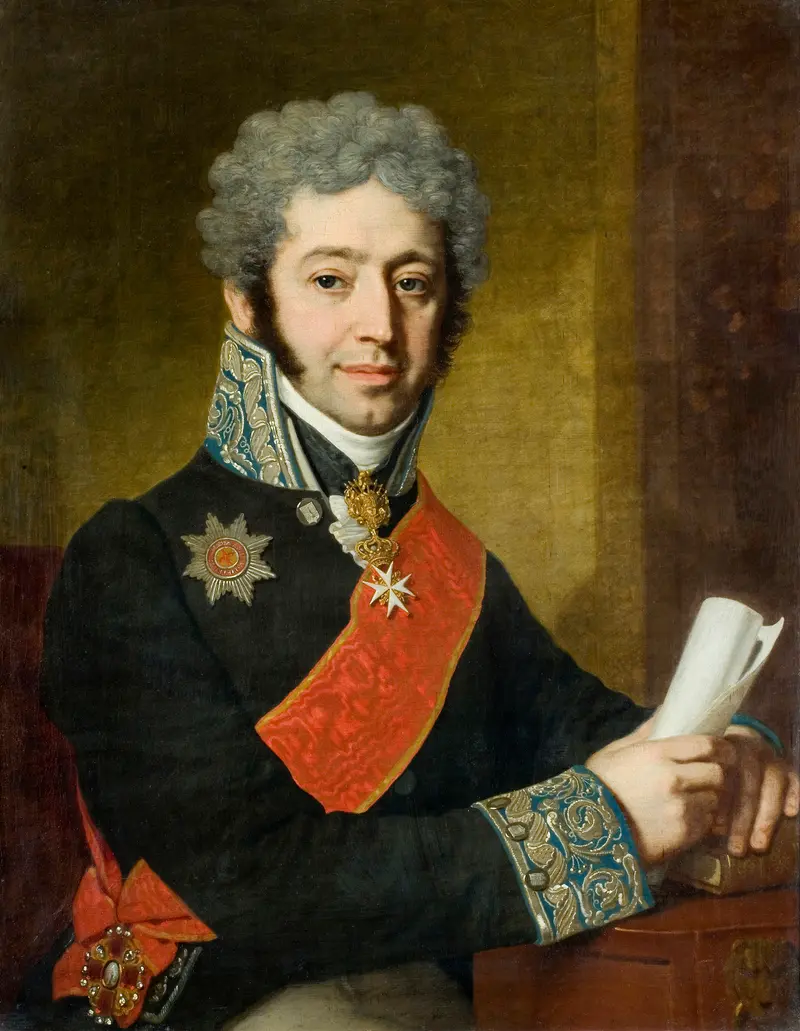
Portrait of Potocki and Poninski
Jan Matejko
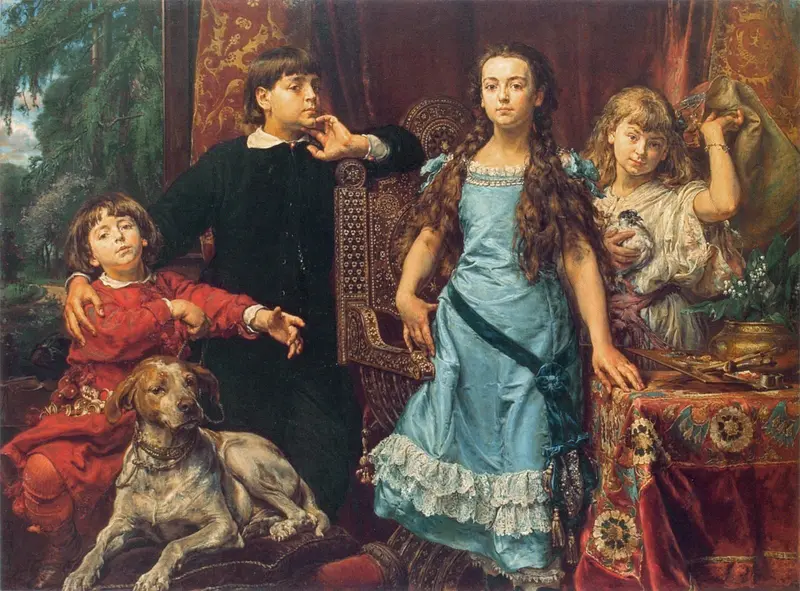
Portrait of the artist's four children
Jan Matejko
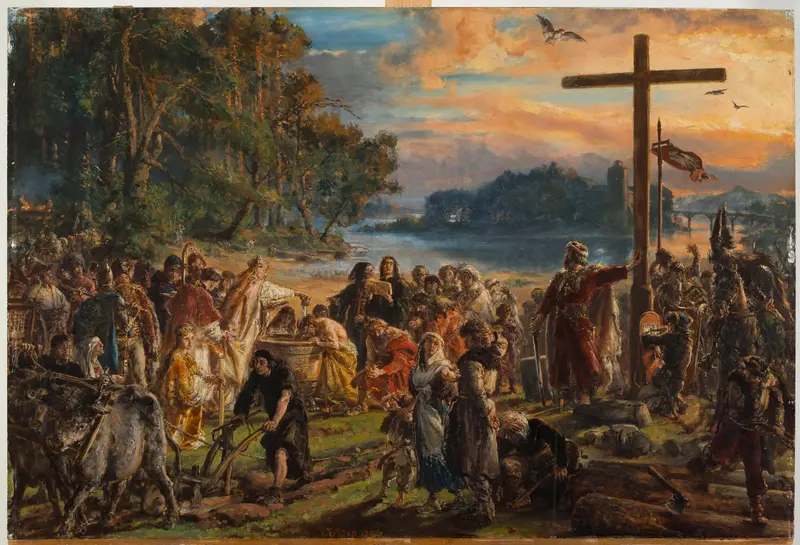
Introduction of Christianity in Poland
Jan Matejko
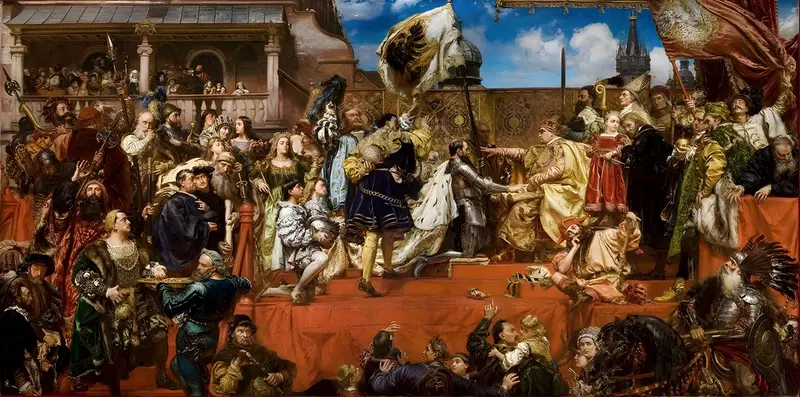
Prussian Homage
Jan Matejko
More Genre Scene Art

Banquet of the Officers of the St George Civic Guard
Frans Hals

Rembrandt and Saskia in the Scene of the Prodigal Son
Rembrandt van Rijn

Bal du moulin de la Galette
Pierre-Auguste Renoir

Quadrille at the Moulin Rouge
Henri de Toulouse-Lautrec

A Burial at Ornans
Gustave Courbet

When Will You Marry?
Paul Gauguin