
Saint Ambrose — History & Facts
When Francisco de Zurbarán painted Saint Ambrose in 1626, he was just beginning to make his name in Seville, having recently secured a prestigious commission for the city’s new Carthusian monastery. This painting is one of a set of four Fathers of the Church, all created for the church of San Pablo el Real. The series marked a turning point for Zurbarán, whose intense realism and focus on solitary, monumental figures drew immediate attention.
The commission itself was a mark of confidence from the powerful Dominican order, who sought to inspire the faithful through dramatic images of Church authority. Zurbarán selects the moment when Ambrose, Bishop of Milan and one of the four original Doctors of the Western Church, sits in contemplative stillness, his gaze lowered in scholarly meditation. The saint is robed in heavy episcopal vestments, rendered with Zurbarán’s signature attention to texture: the gold embroidery, the mitre, and the crozier all signal ecclesiastical power. Light falls sharply across Ambrose’s face and hands, isolating him against a dark background and emphasizing the gravity of his thought—a device reminiscent of Caravaggio’s tenebrism, but with a Spanish austerity.
Unlike Rubens’s dynamic, crowded depictions of saints, Zurbarán’s Ambrose is alone, absorbed in silent communion with God and his own conscience. The original set of four paintings remained in San Pablo el Real until the 19th century, when the upheavals of the Napoleonic invasions and later secularization scattered many church treasures. While the exact journey of Saint Ambrose is not fully documented, it eventually entered the Prado’s collection, where it stands as a testament to Zurbarán’s early mastery. The painting’s stark dignity and psychological intensity would become hallmarks of his mature style, influencing generations of Spanish religious art.
Today, Saint Ambrose continues to command a quiet authority, inviting viewers to pause and reflect, much as Zurbarán’s contemporaries must have done nearly four centuries ago.
More Artworks by Francisco de Zurbarán
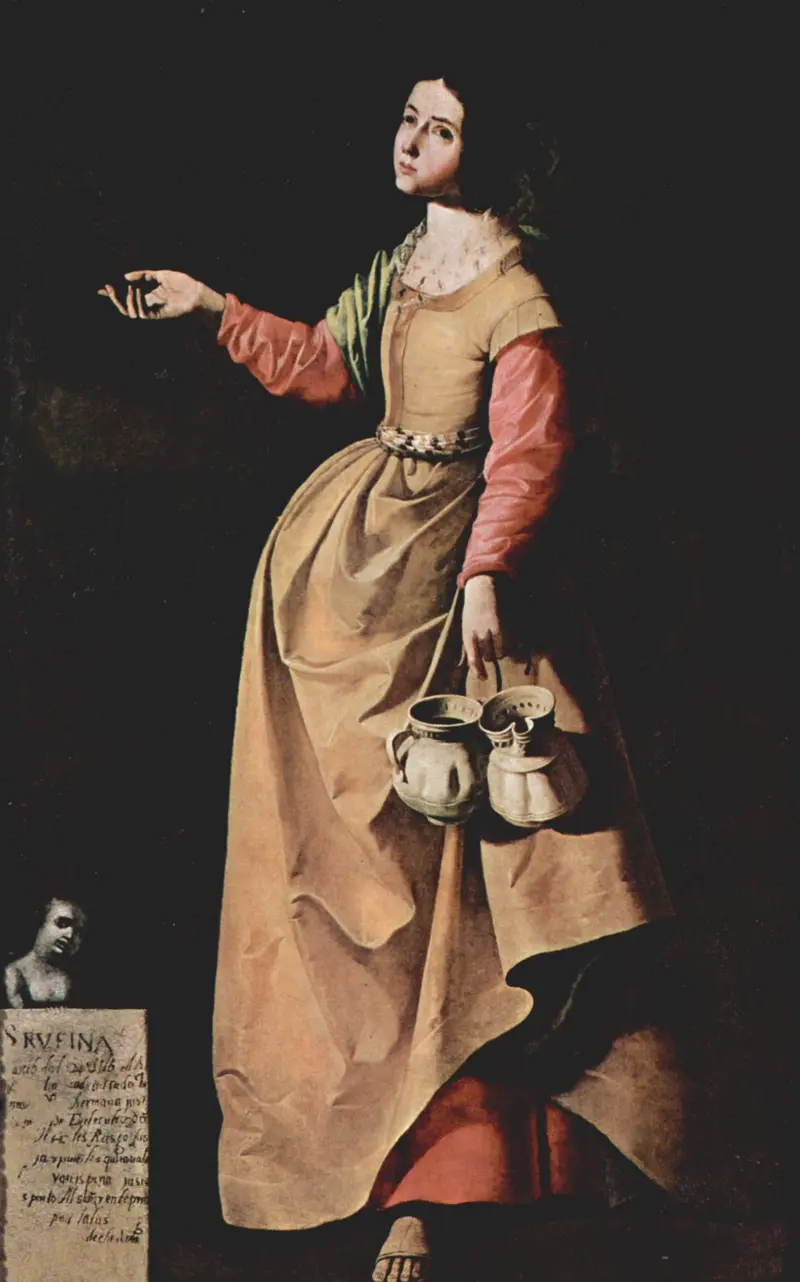
Saint Rufina
Francisco de Zurbarán
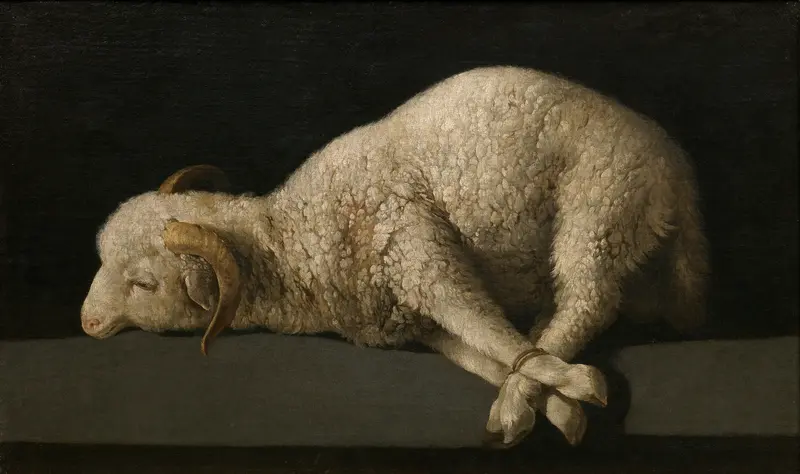
Agnus Dei
Francisco de Zurbarán
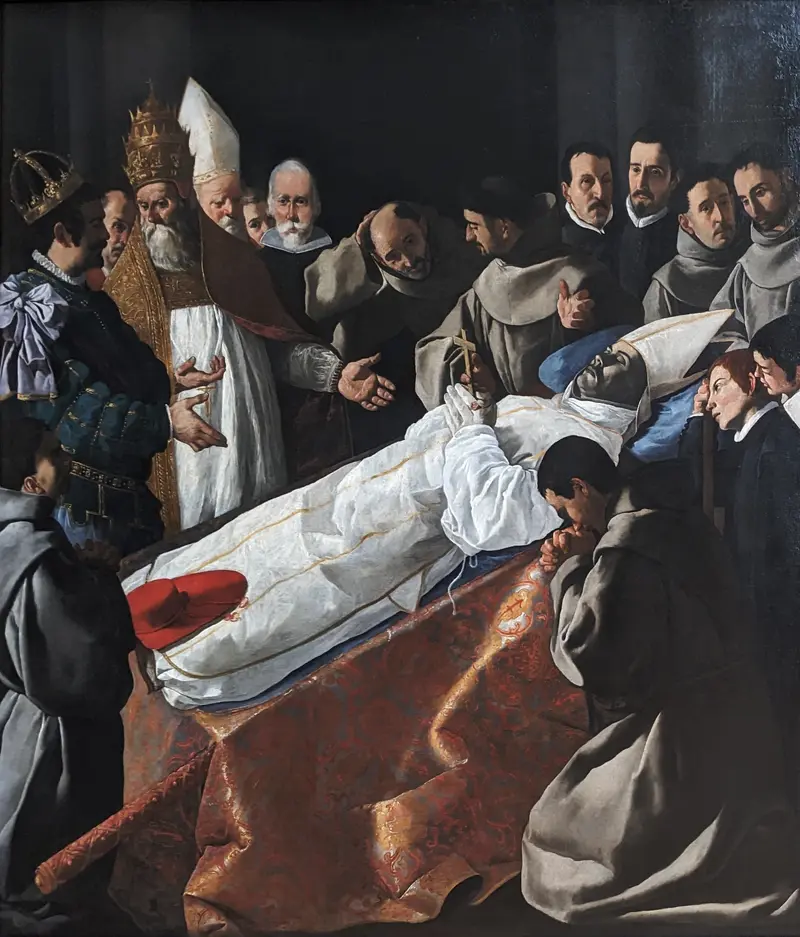
Saint Bonaventure's Body Lying in State
Francisco de Zurbarán
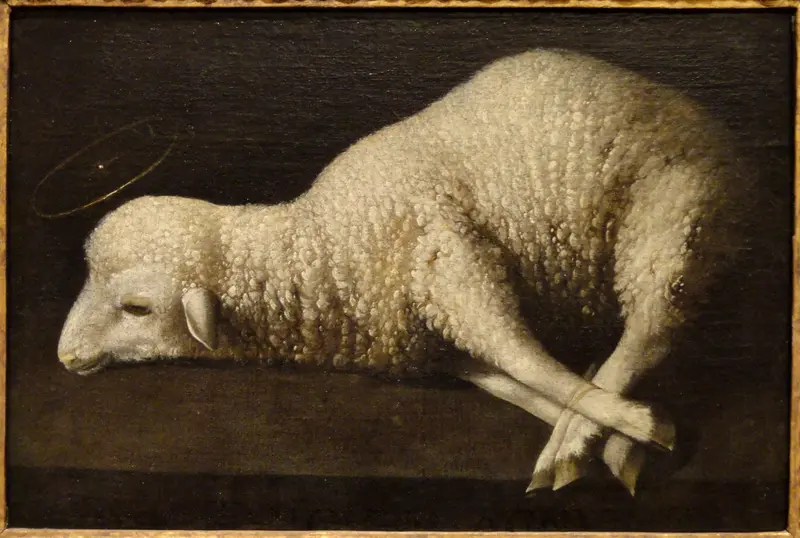
The Lamb of God
Francisco de Zurbarán

Adoration of the Magi
Francisco de Zurbarán
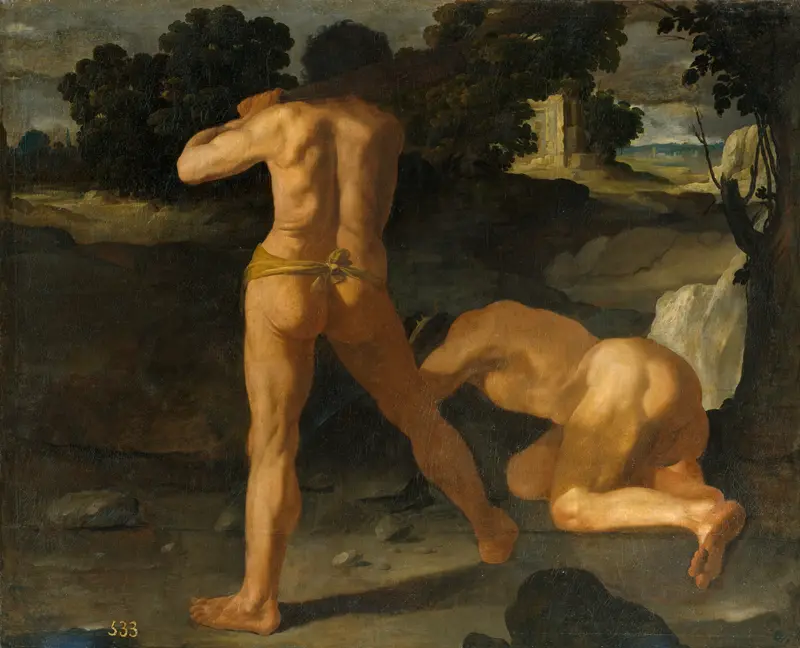
Hercules defeats King Geryon
Francisco de Zurbarán
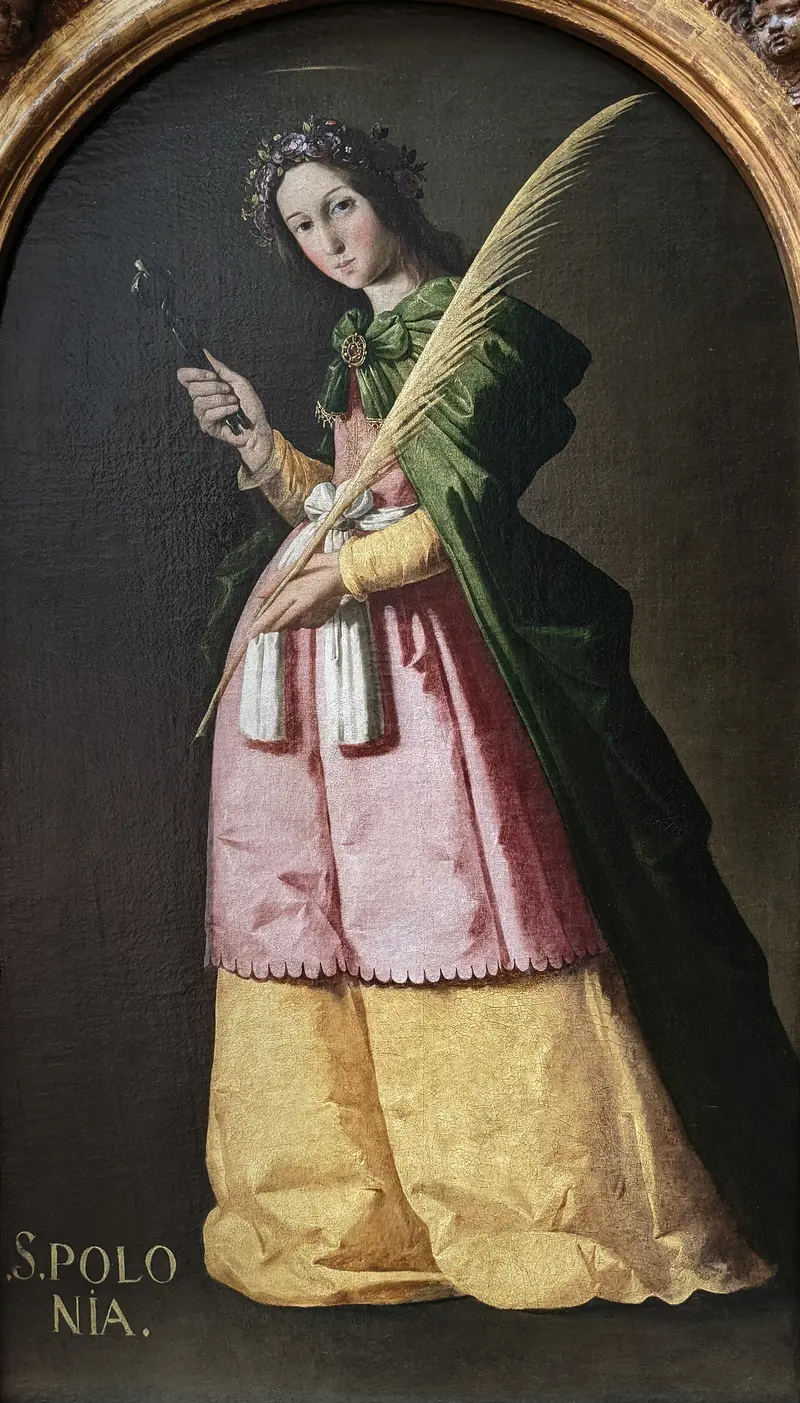
Saint Apollonia
Francisco de Zurbarán
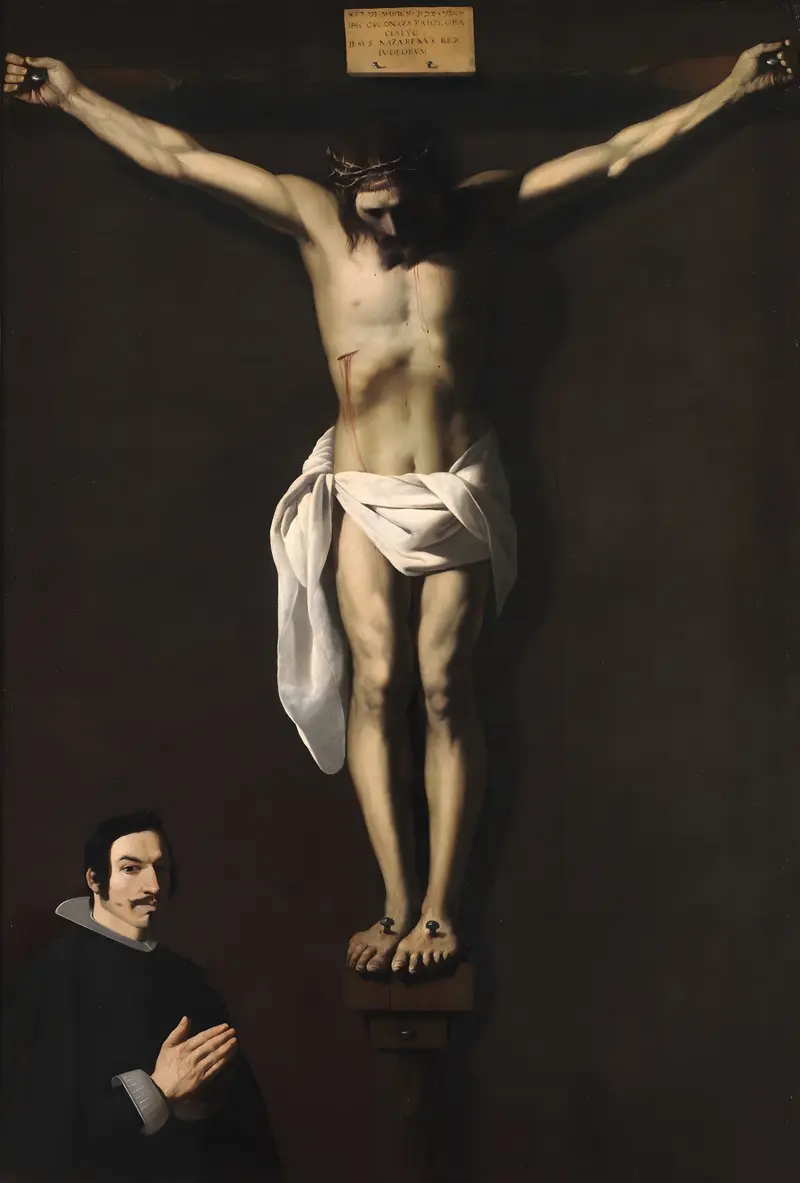
The Crucified Christ with a Donor
Francisco de Zurbarán
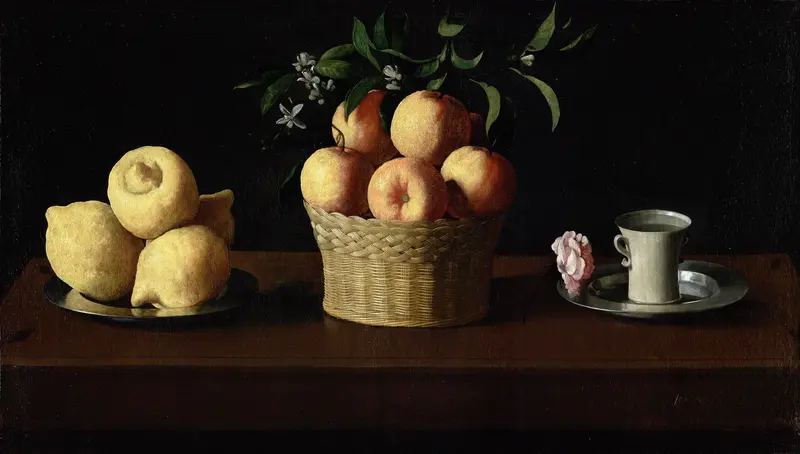
Still Life with Lemons, Oranges and a Rose
Francisco de Zurbarán
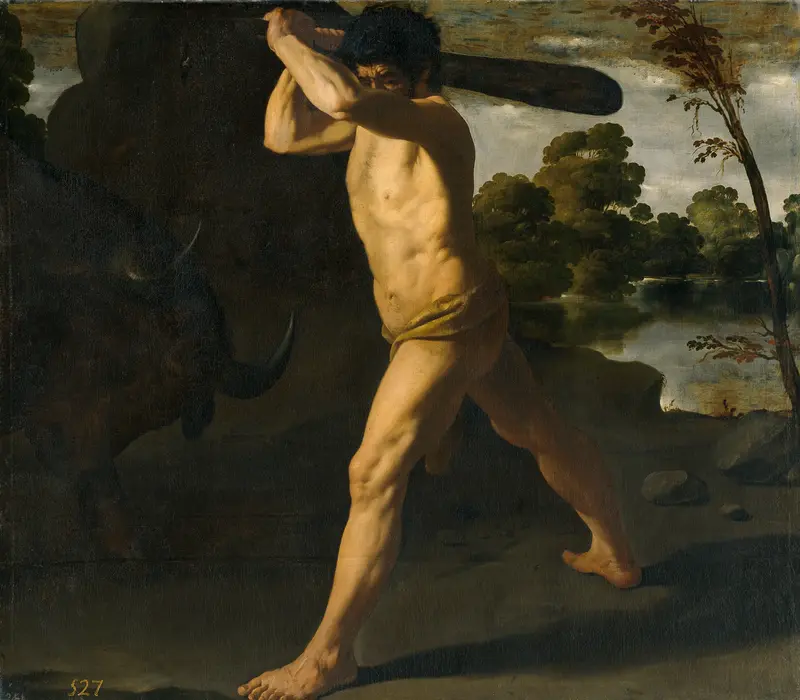
Hercules and the Cretan Bull
Francisco de Zurbarán





