
Saint Catherine of Siena and Saint Cecilia (predella, left panel) — History & Facts
No one knows for certain which church first displayed Saint Catherine of Siena and Saint Cecilia (predella, left panel), but it once formed part of a grand altarpiece by Fra Angelico, likely painted for a Dominican context in early 15th-century Florence. Predella panels like this were often separated from their parent altarpieces over the centuries, scattered across collections and continents—a fate that befell many of Fra Angelico’s works. The painting’s survival as an independent fragment invites us to imagine the lost ensemble it once anchored, and to consider how its saints’ stories were meant to unfold across the altar’s base. Fra Angelico selects a moment of quiet triumph for each saint.
Saint Catherine, draped in the white Dominican habit, holds the stigmata and a martyr’s palm, alluding to her mystical union with Christ and her death in 1380 after a life of fervent reform and negotiation between popes and princes. Saint Cecilia, patroness of music, clasps a palm and wears a garland of flowers, recalling her refusal to renounce her faith and her legendary singing to God as she faced martyrdom. The gold ground and delicate halos root the scene in the tradition of International Gothic painting, yet the gentle modeling of faces and hands shows Fra Angelico’s move toward the new naturalism of the early Renaissance.
Compared with the more dramatic martyrdoms painted by Caravaggio centuries later, Angelico’s saints radiate serenity rather than suffering. The panel’s precise origins remain uncertain, but its style and iconography place it firmly within Fra Angelico’s early Florentine period, when he was active at San Domenico in Fiesole. Like many predellas, it was likely separated from its main altarpiece during the upheavals of the Napoleonic era or later art market dispersals. Today, it is cherished as a rare survival of a once-unified devotional program, and as a testament to Fra Angelico’s ability to translate saintly legend into luminous paint.
The painting stands as both a fragment and a window into the devotional life of Renaissance Italy, where saints were not distant icons but present companions.
More Artworks by Fra Angelico

Condemnation of St Lawrence by the Emperor Valerian
Fra Angelico
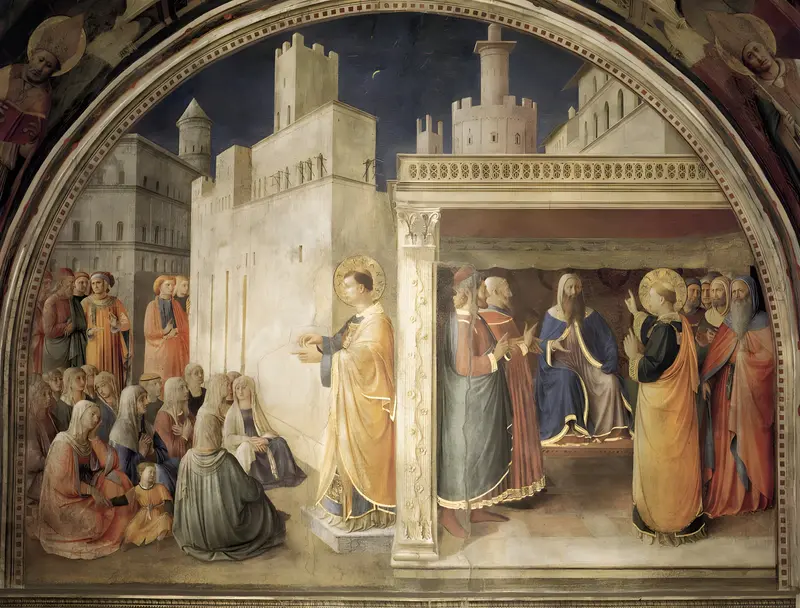
Lunette of the north wall
Fra Angelico
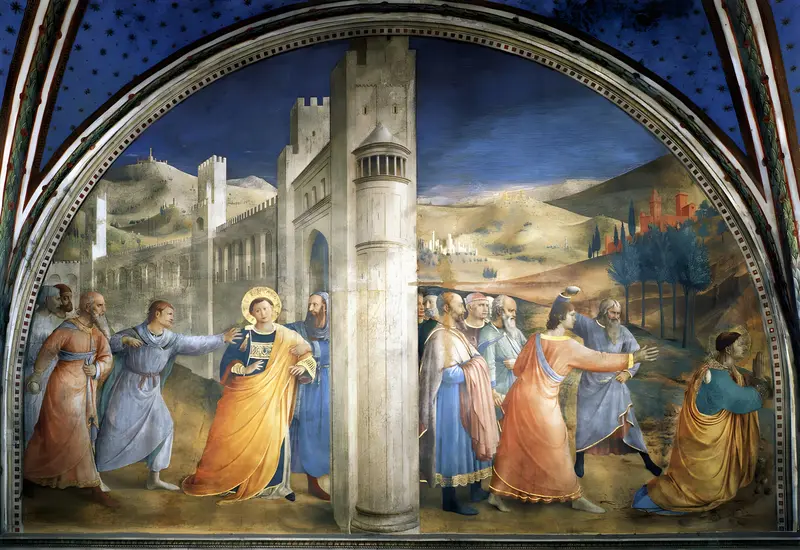
Lunette of the east wall in Niccoline Chapel
Fra Angelico
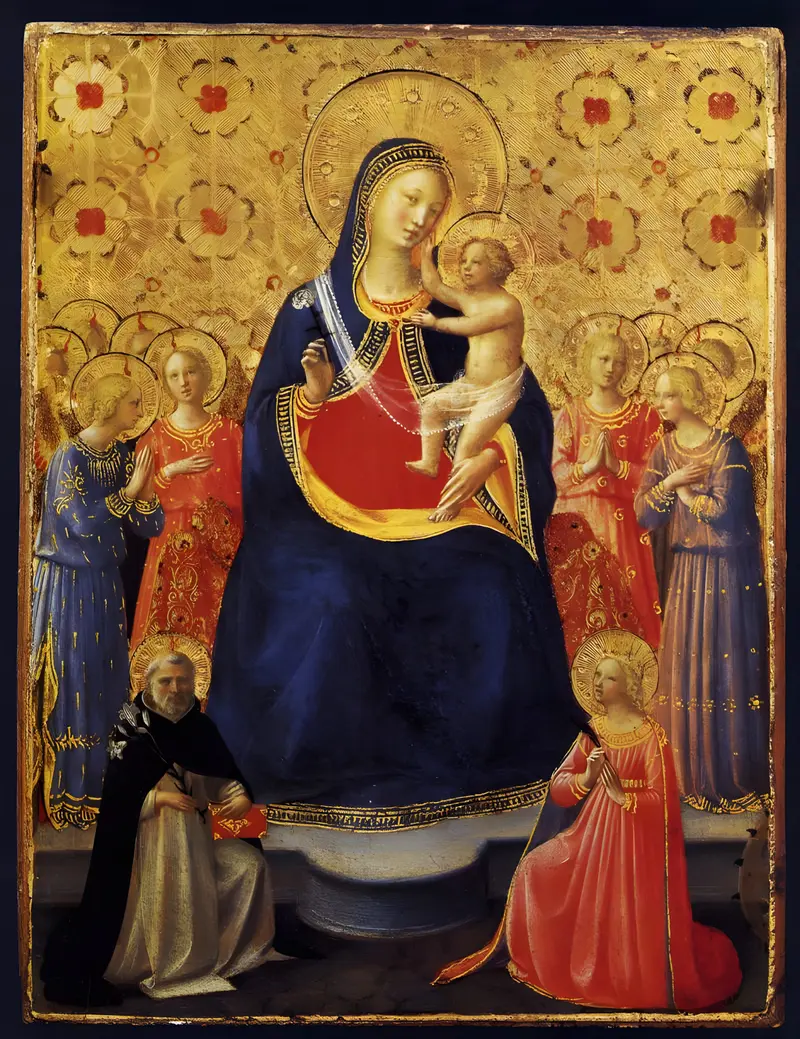
Madonna and Child Enthroned with Nine Angels and Saints Dominic and Catherine of Alexandria
Fra Angelico
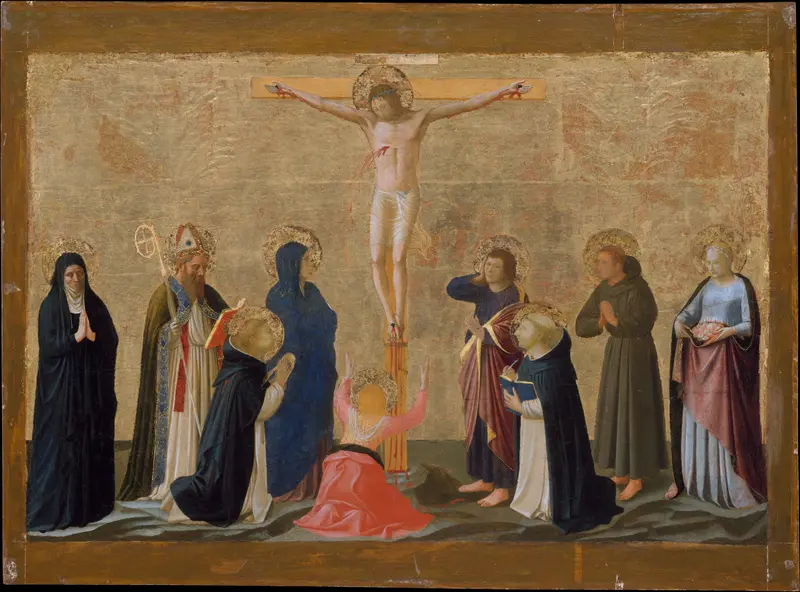
The Crucifixion
Fra Angelico
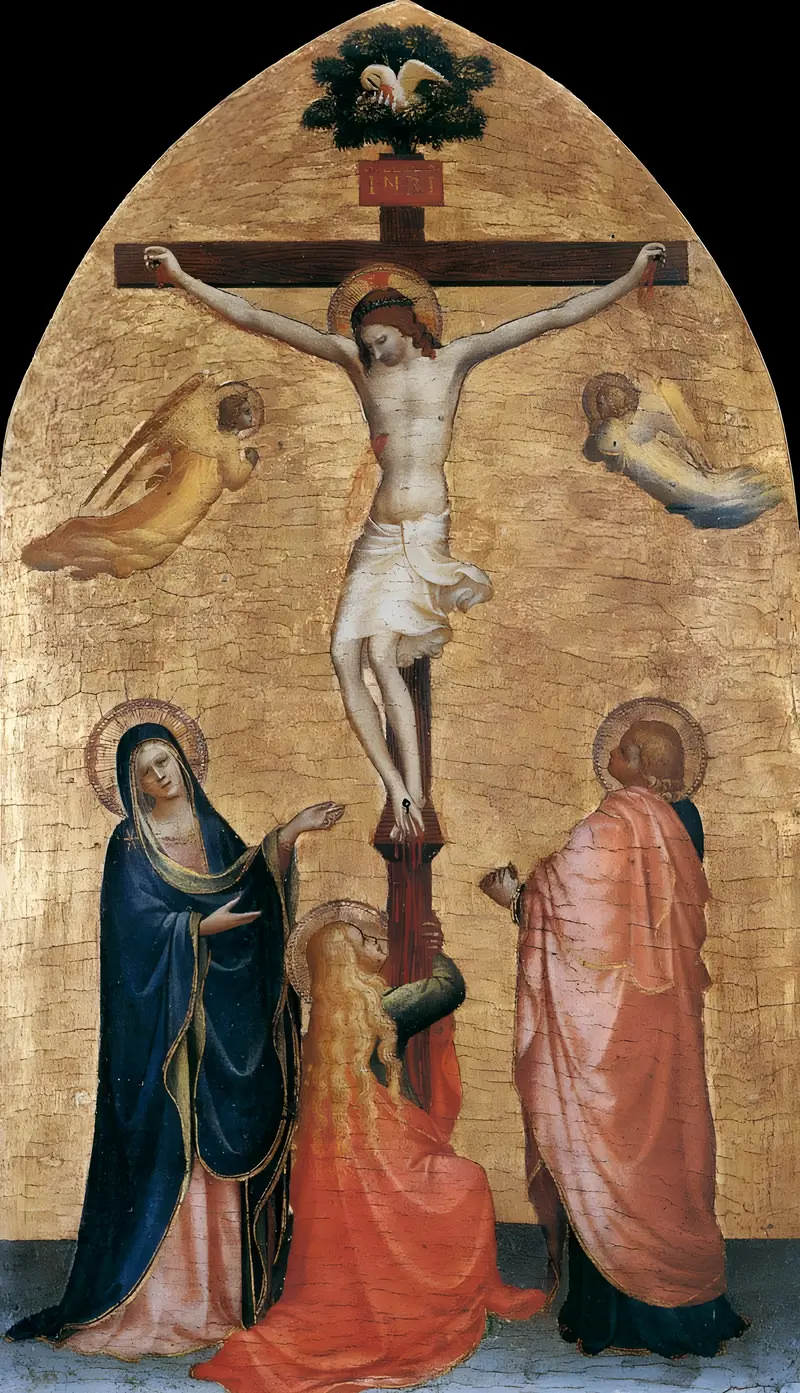
Crucifixion with the Virgin, John the Evangelist, and Mary Magdelene
Fra Angelico
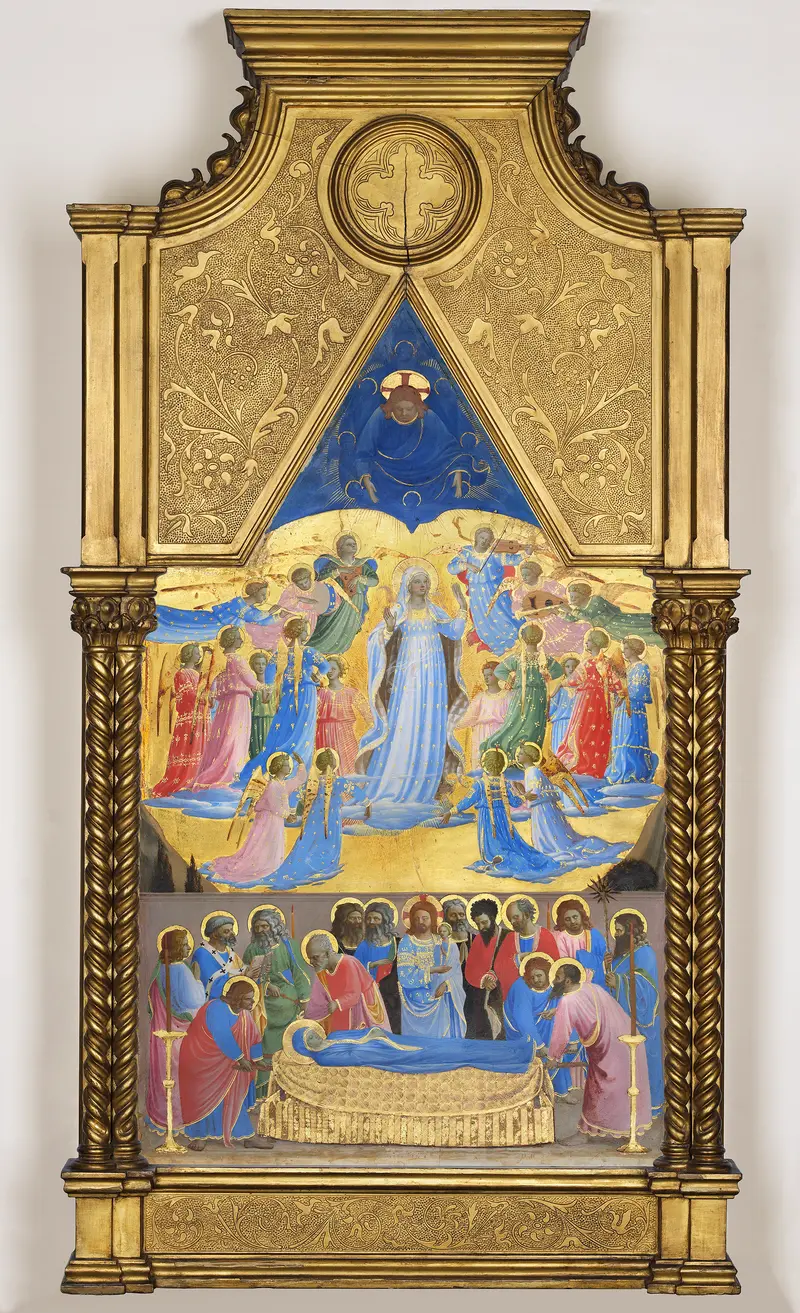
Dormition and Assumption of the Virgin
Fra Angelico
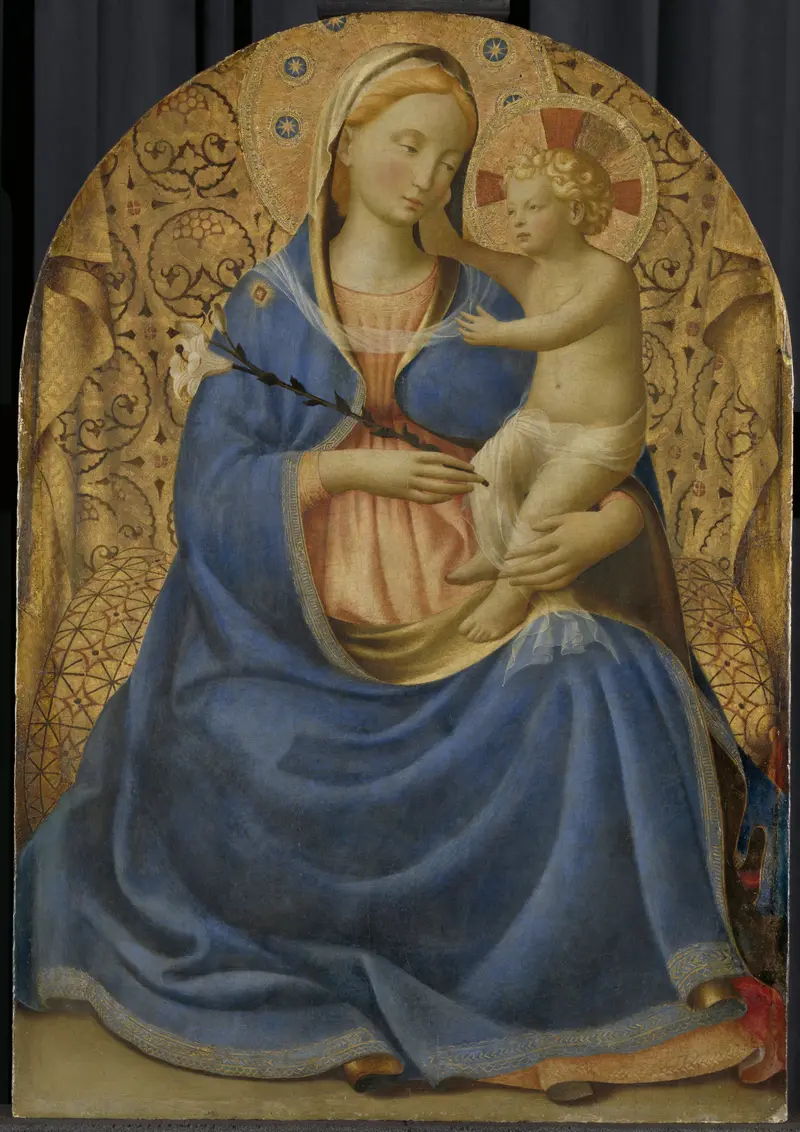
Madonna of Humility
Fra Angelico
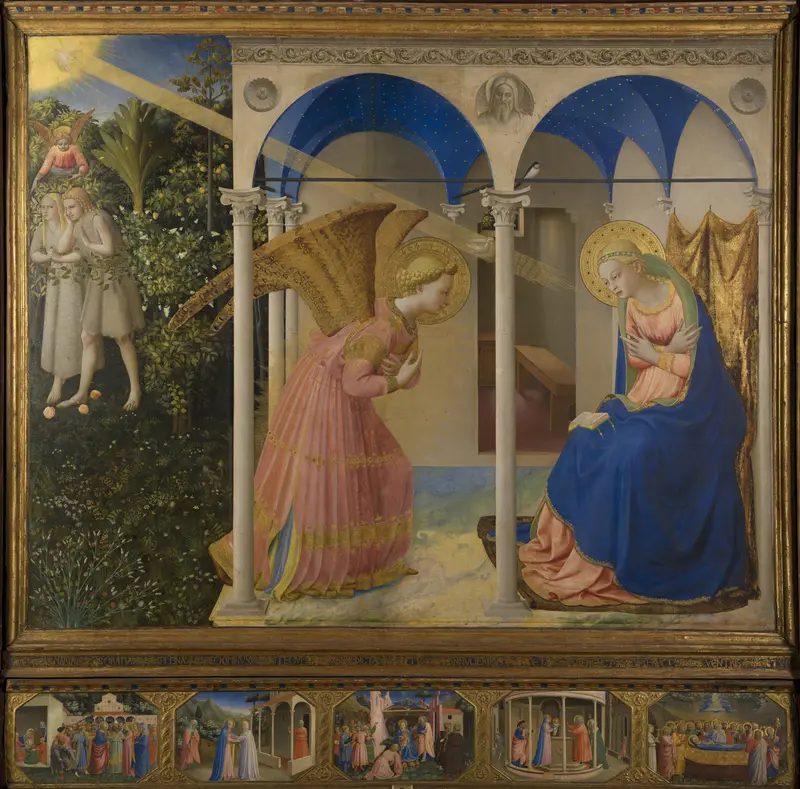
The Annunciation
Fra Angelico

Saint Anthony Abbot
Fra Angelico





