
Saint Francis in Meditation — History & Facts
No fewer than five versions of Saint Francis in Meditation by Caravaggio are known to exist, and scholars still debate which, if any, is the original. This uncertainty is heightened by the fact that Caravaggio was on the run from Roman authorities in 1606, following a deadly duel, and painted several works for private patrons during his exile. The proliferation of similar paintings—each with subtle differences—has fueled centuries of discussion over their authorship and intent.
The version now attributed to 1606 is often singled out for its stark, intimate portrayal of the saint, stripped of any grand narrative or setting. At the heart of the painting, Caravaggio captures Saint Francis of Assisi at a moment of solitary reflection, his hands clasped around a skull—a traditional memento mori, reminding viewers of mortality. The saint’s rough habit and bare feet speak to his vow of poverty, while his downcast gaze suggests both humility and the weight of spiritual contemplation. The composition is almost entirely swallowed by darkness, with a single shaft of light illuminating Francis’s face and hands, intensifying the sense of isolation.
Unlike earlier depictions by artists such as El Greco, who surrounded the saint with angels and supernatural light, Caravaggio chooses silence and shadow, grounding the vision in the real and tactile. The history of this particular version is as shadowy as its subject. Its early provenance is unclear, and it likely passed through private hands before entering public collections. The painting’s attribution to Caravaggio was not firmly established until the twentieth century, as scholars compared it to other authenticated works from his Neapolitan period.
Today, it is celebrated as a key example of Caravaggio’s late style, marked by stark realism and psychological intensity, and hangs in the Museo Civico in Cremona, Italy. The ongoing debates about its origins only add to its aura, inviting viewers to look closer and question what they see.
More Artworks by Caravaggio
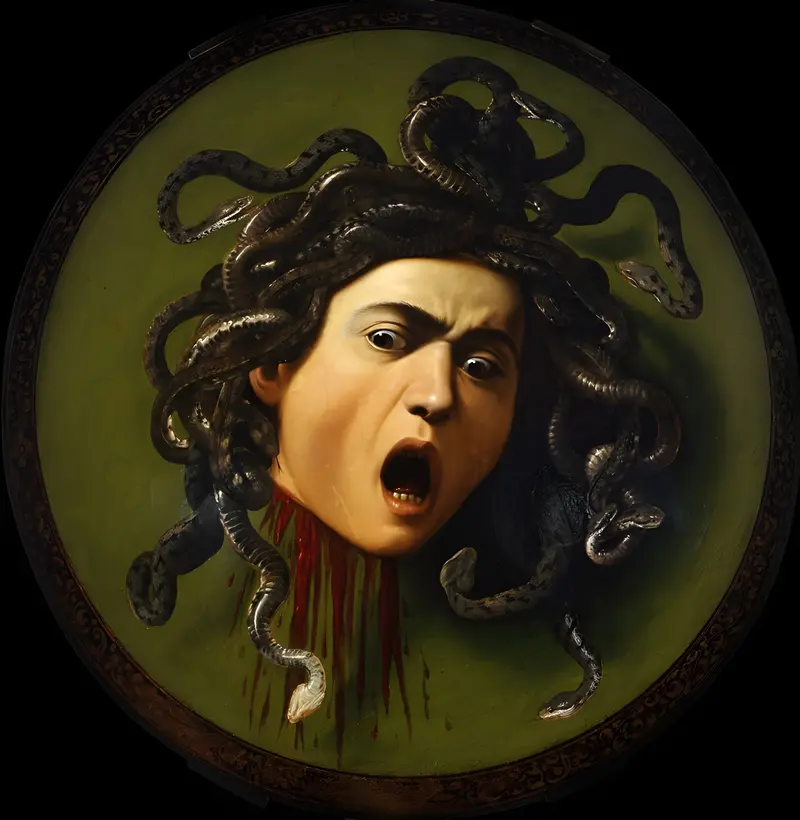
Medusa
Caravaggio
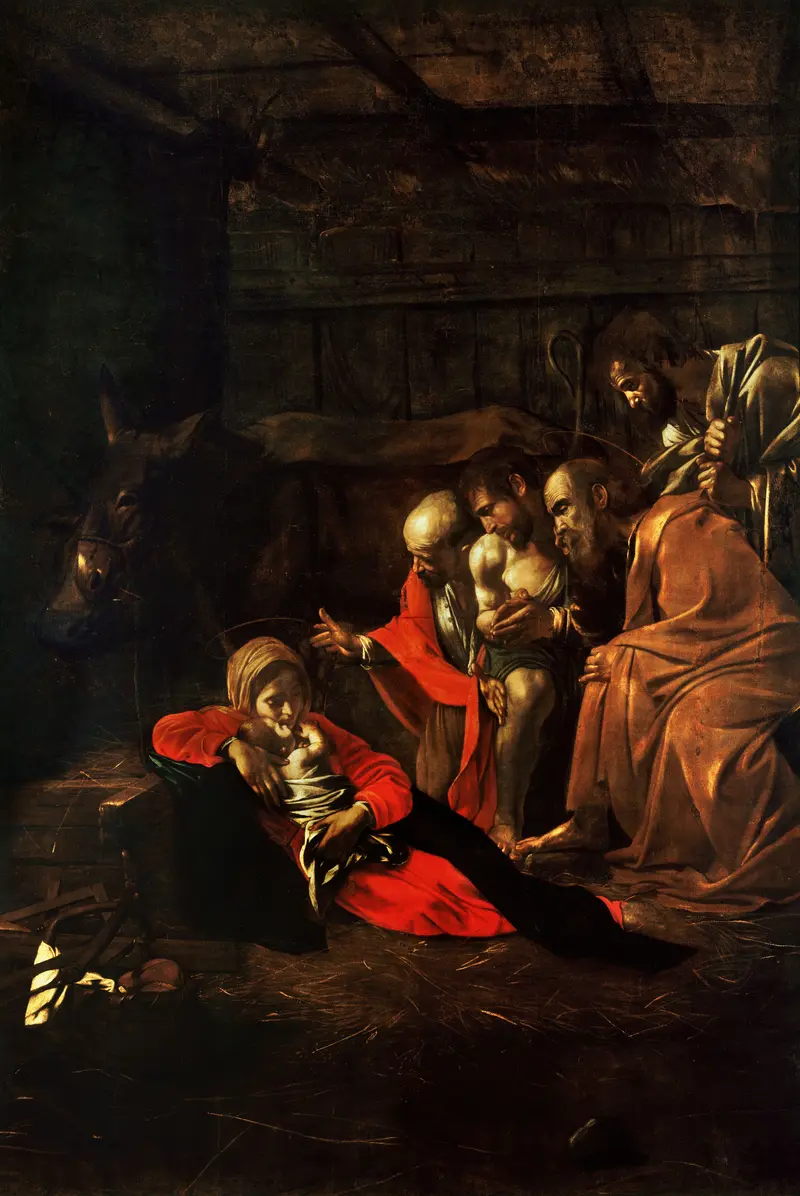
Adoration of the Shepherds
Caravaggio
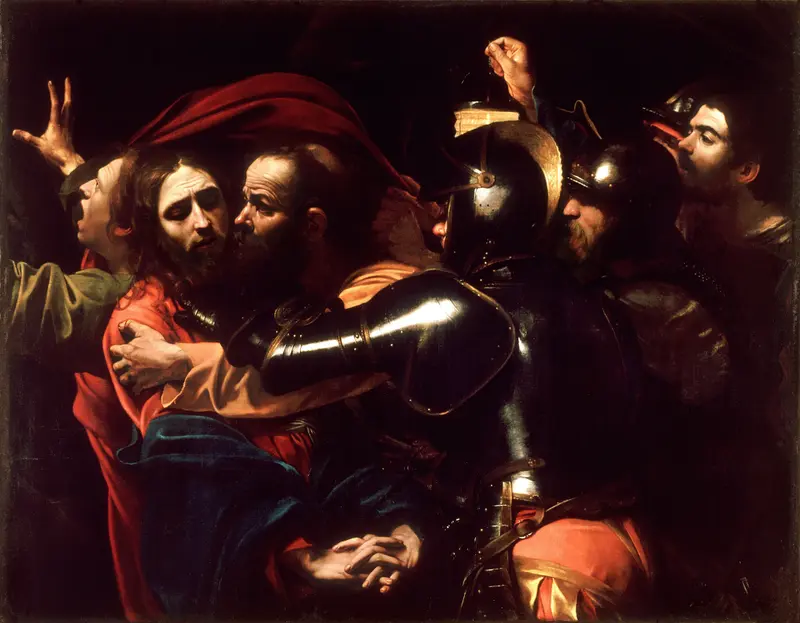
The Taking of Christ
Caravaggio
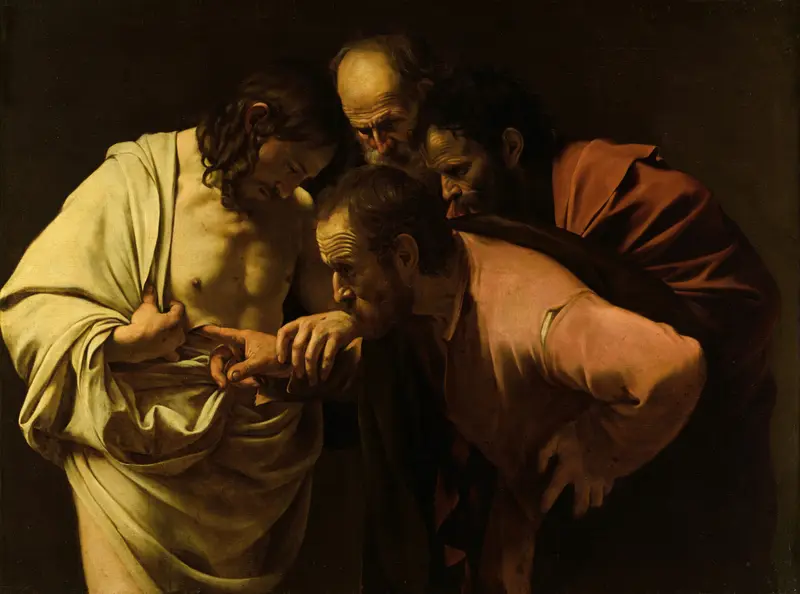
The Incredulity of Saint Thomas
Caravaggio
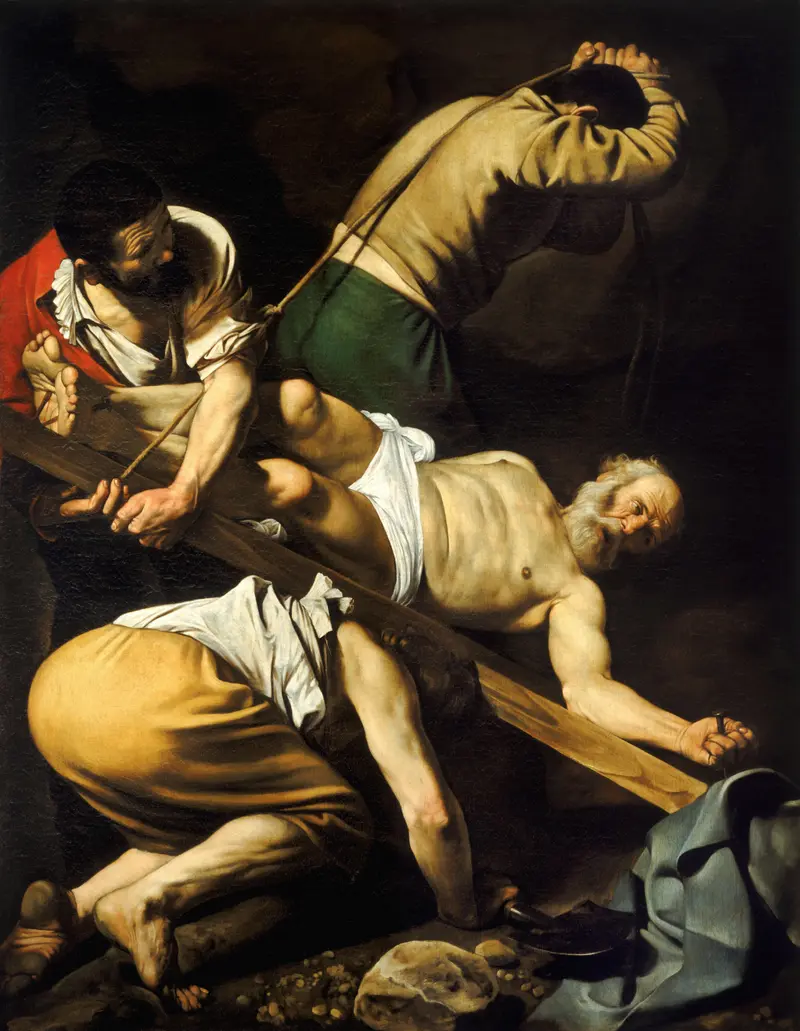
Crucifixion of Saint Peter
Caravaggio
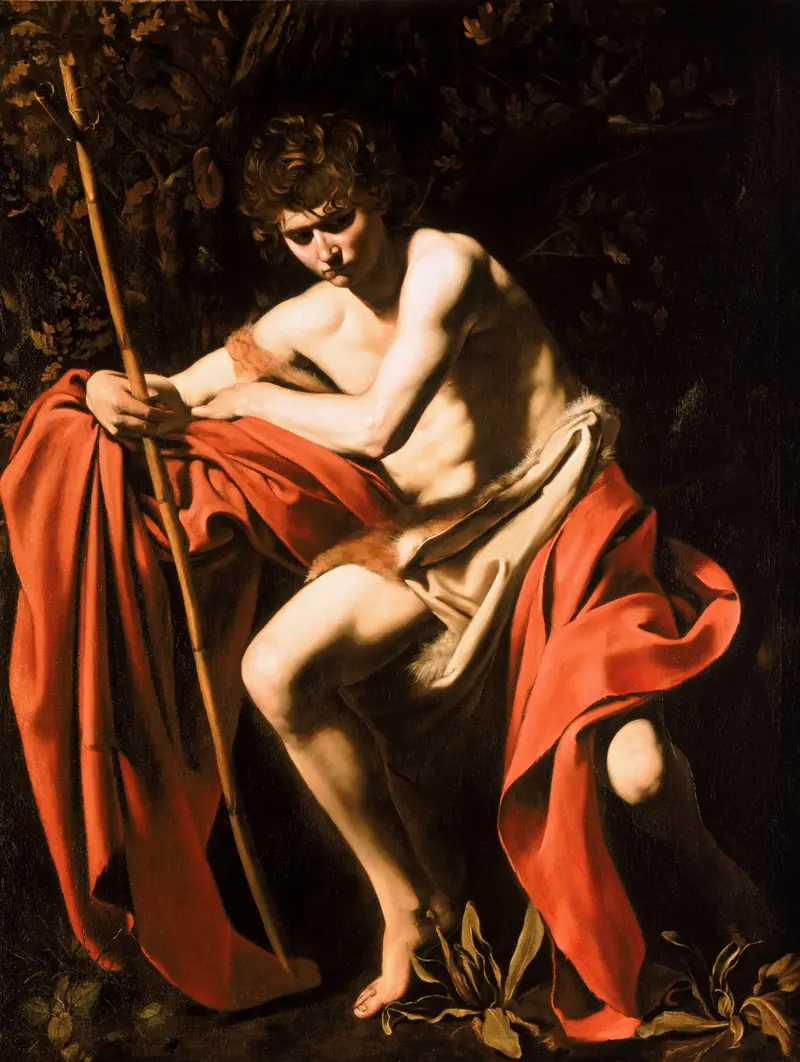
Saint John The Baptist In The Wilderness
Caravaggio

Saint Matthew and the angel
Caravaggio
The Inspiration of Saint Matthew
Caravaggio

Conversion on the Way to Damascus
Caravaggio
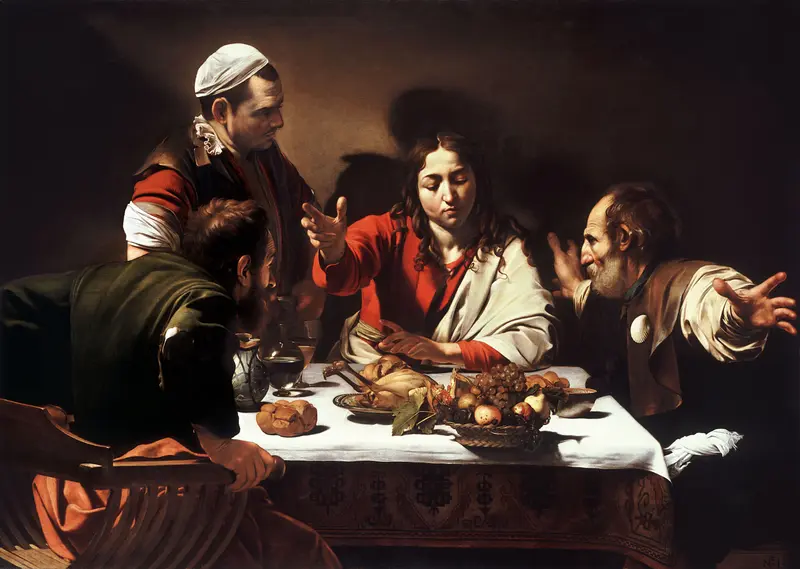
Supper at Emmaus
Caravaggio





