
Saint Margaret of Antioch — History & Facts
When Francisco de Zurbarán painted Saint Margaret of Antioch in 1630, he was already celebrated in Seville for his uncanny ability to make saints appear at once earthly and miraculous. What sets this work apart is how Zurbarán, in the midst of the Spanish Counter-Reformation, chose to depict a young woman whose legend was so popular that her name was invoked by women in labor across Europe. The painting belongs to a series of female saints Zurbarán created for convents, and its serene dignity helped define the visual language of Spanish sanctity in the early 17th century.
Although the exact commission is not documented, works like this were often intended to inspire devotion in cloistered nuns. The moment Zurbarán selects is one of calm after ordeal: Saint Margaret stands poised, her gaze steady, her hand resting on the dragon that, according to legend, had tried to devour her. The dragon, a symbol of evil and pagan persecution, lies subdued at her feet, while Margaret’s unbroken composure and the palm branch she holds mark her as a martyr victorious through faith. The crisp folds of her dress and the luminous stillness of her face are typical of Zurbarán’s style, which contrasts with the more dramatic, swirling energy seen in Peter Paul Rubens’ treatments of female saints.
Here, the quiet clarity of the light and the tactile realism of the objects—Margaret’s chain, the dragon’s scales—invite contemplation rather than spectacle. The precise origins and early journey of Saint Margaret of Antioch are not fully known, but it is characteristic of Zurbarán’s output for religious institutions in Andalusia during the 1630s. Paintings of this type were highly prized by convents, where they served as models of virtue and steadfastness. Over the centuries, many of Zurbarán’s saints were dispersed, often passing through private collections before entering public museums.
Today, this painting stands as a testament to Zurbarán’s unique vision within the Baroque movement, bridging the mystical and the tangible in the service of faith.
More Artworks by Francisco de Zurbarán
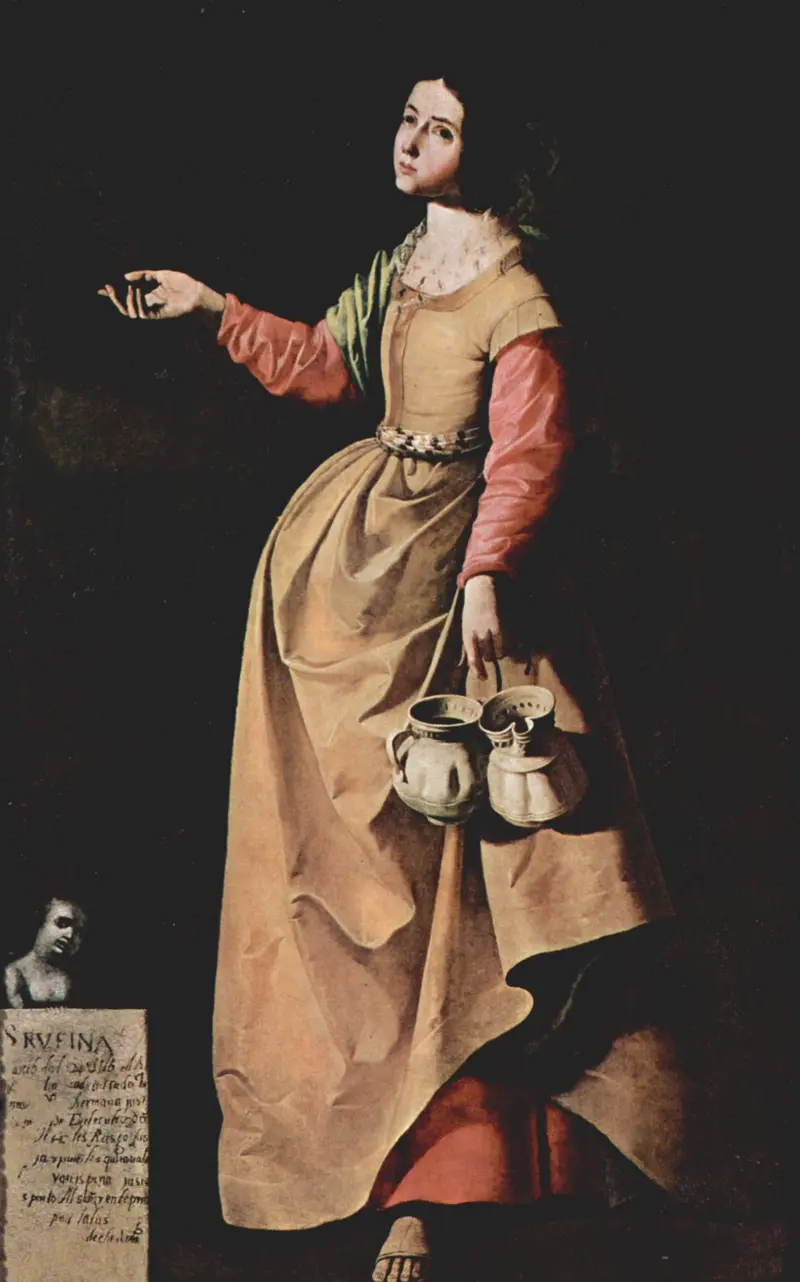
Saint Rufina
Francisco de Zurbarán
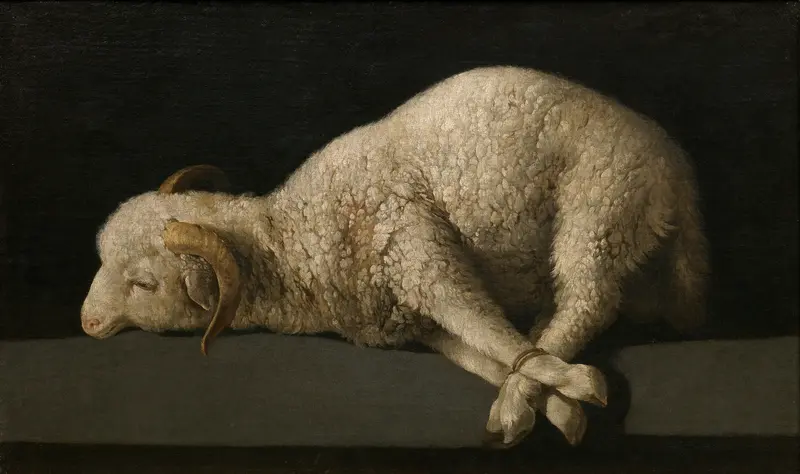
Agnus Dei
Francisco de Zurbarán
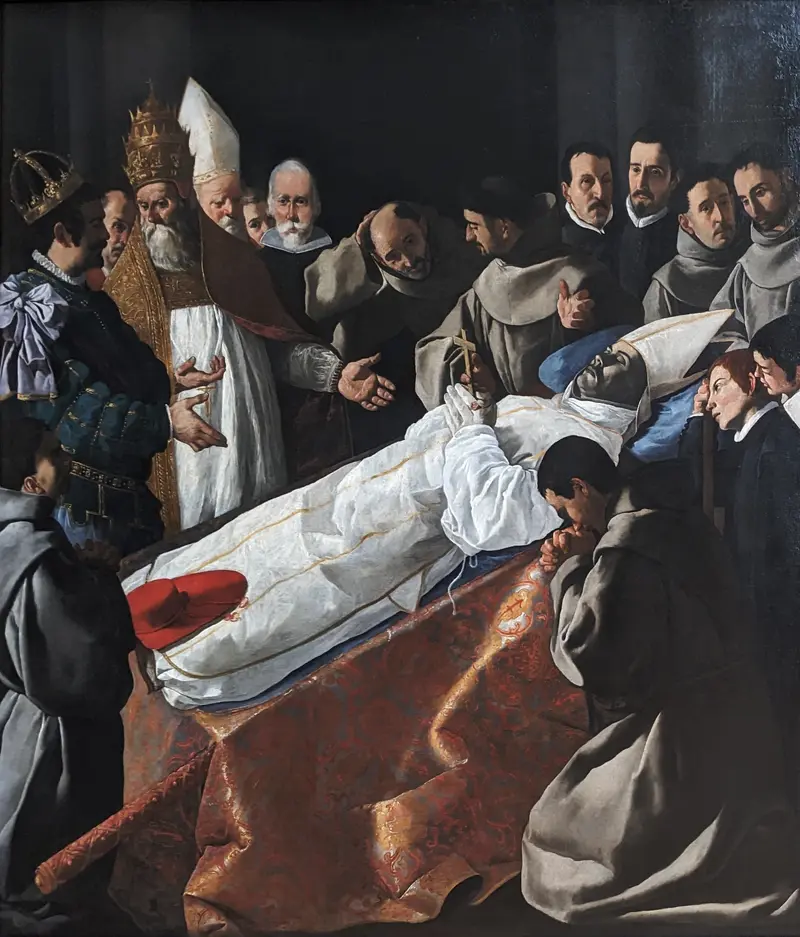
Saint Bonaventure's Body Lying in State
Francisco de Zurbarán
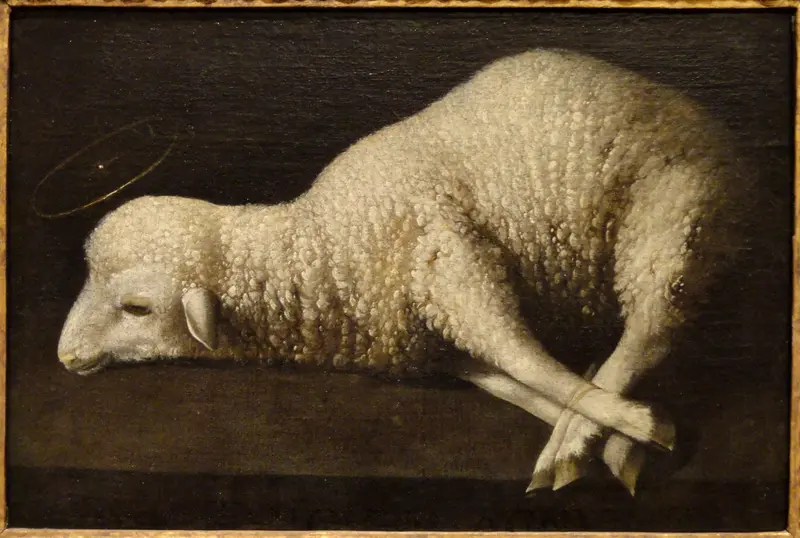
The Lamb of God
Francisco de Zurbarán

Adoration of the Magi
Francisco de Zurbarán
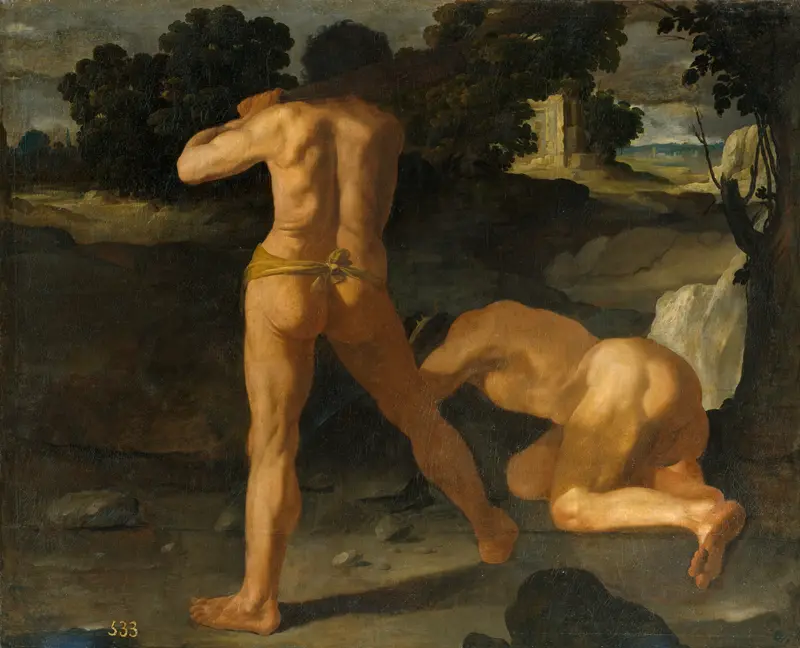
Hercules defeats King Geryon
Francisco de Zurbarán
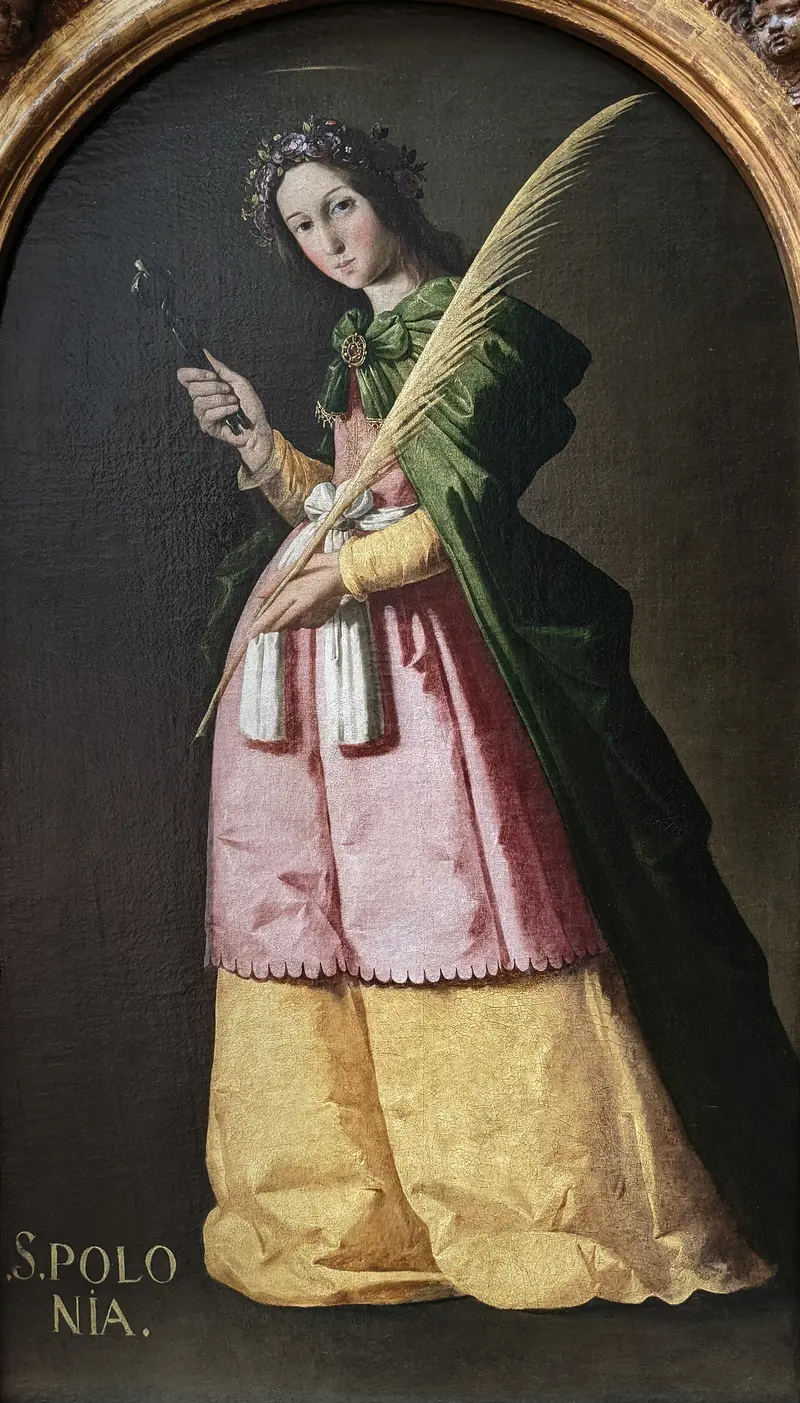
Saint Apollonia
Francisco de Zurbarán
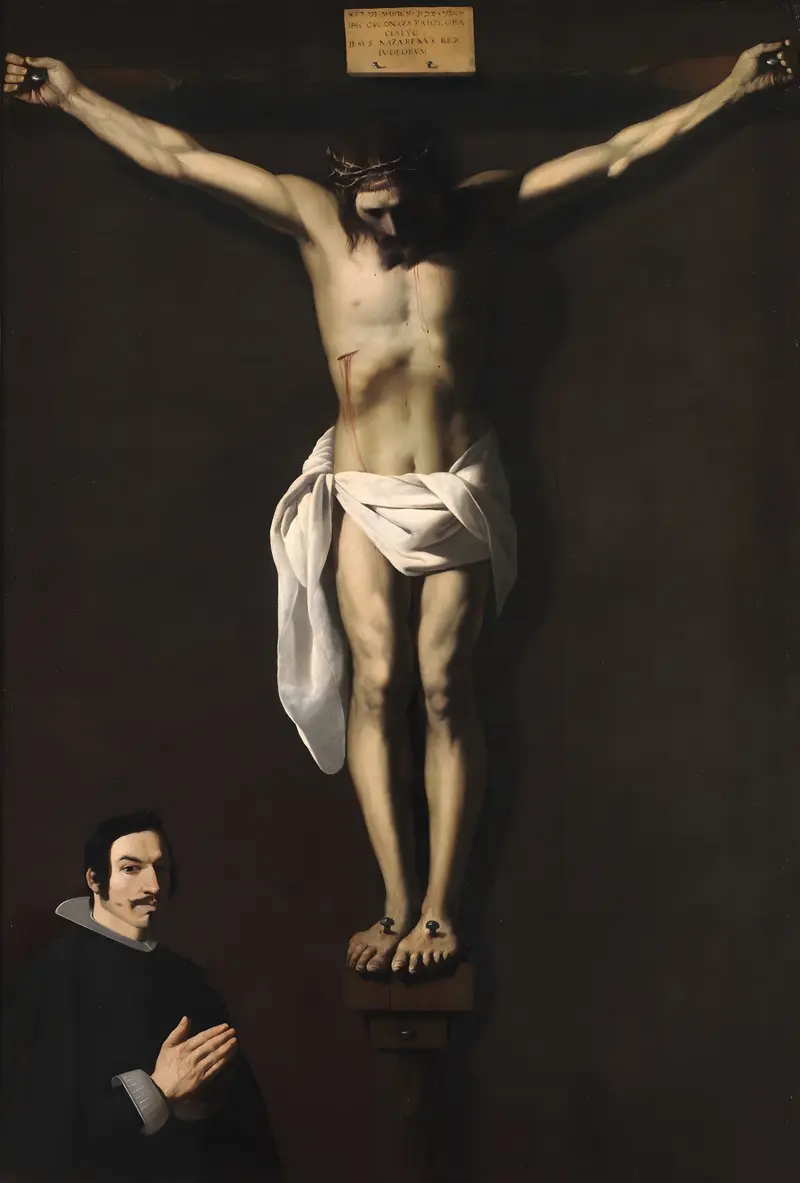
The Crucified Christ with a Donor
Francisco de Zurbarán
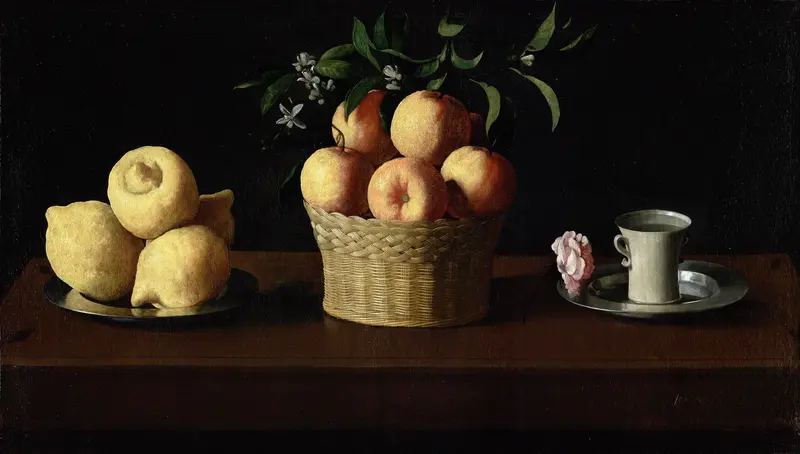
Still Life with Lemons, Oranges and a Rose
Francisco de Zurbarán
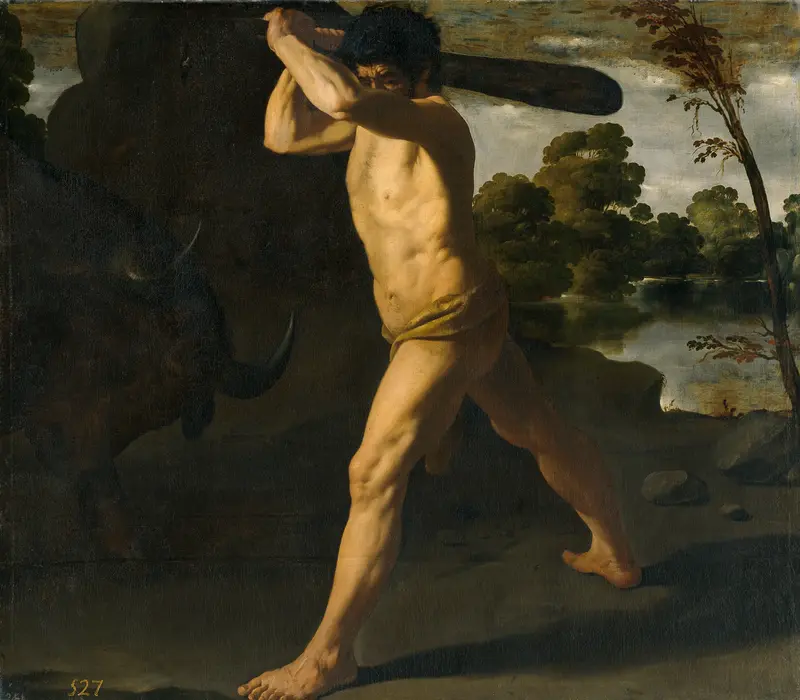
Hercules and the Cretan Bull
Francisco de Zurbarán





