
Santiago Miranda — History & Facts
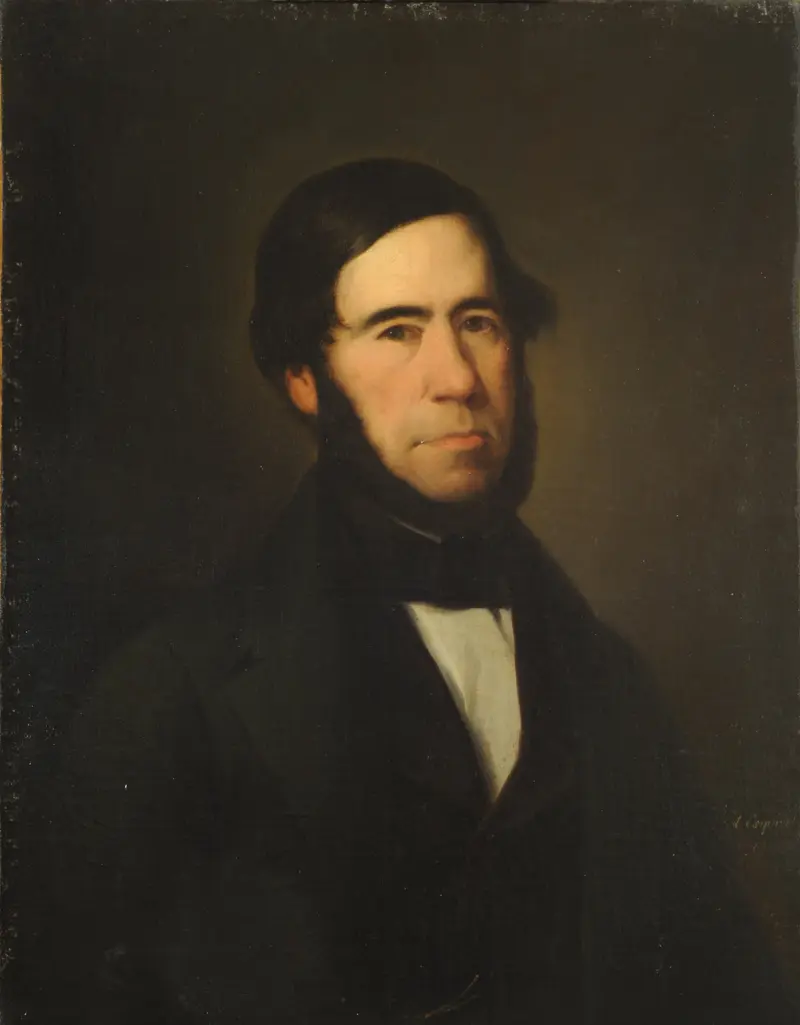
A gentle confidence radiates from the subject of Santiago Miranda by Antonio Maria Esquivel, painted in 1836. The sitter’s steady gaze meets the viewer directly, his expression composed but not rigid, as if caught in a moment between conversation and contemplation. The crisp white of his shirt, slightly open at the collar, draws the eye upward to his face, framed by thick, dark sideburns that were the height of fashion in early nineteenth-century Spain.
The subtle blue-and-white ribbon on his lapel is no mere decoration—it signals distinction, a quiet assertion of honors earned and status held. Portraits like this were not simply records of appearance but declarations of identity and achievement. In the Spain of the 1830s, to be painted by an artist such as Esquivel was to stake a claim to one’s place in society, particularly for a man like Santiago Miranda, whose roles and honors are documented: president of the Junta de Clases Pasivas of the Ministry of Finance, knight of the Order of Carlos III, and grand cross of the Order of Isabel la Católica. The sober background and restrained palette focus all attention on the sitter, a hallmark of official portraiture of the era, when the rising bourgeoisie and state functionaries sought to immortalize their ascent.
History has kept few traces of Miranda’s personal story, but the painting itself stands as a testament to a world where dignity, ambition, and public service were rendered in oil and brushwork—inviting us to search the face for the man behind the honors.
More Artworks by Antonio Maria Esquivel

Baldomero Espartero
Antonio Maria Esquivel
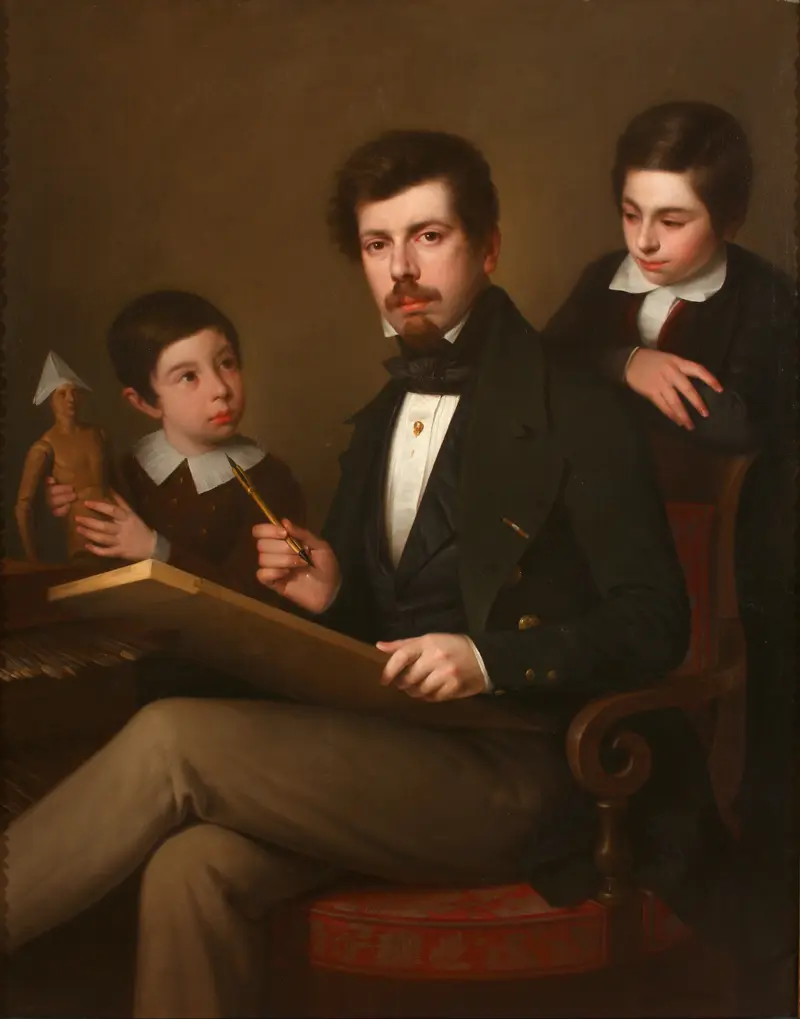
Self-portrait with his sons Carlos and Vicente
Antonio Maria Esquivel
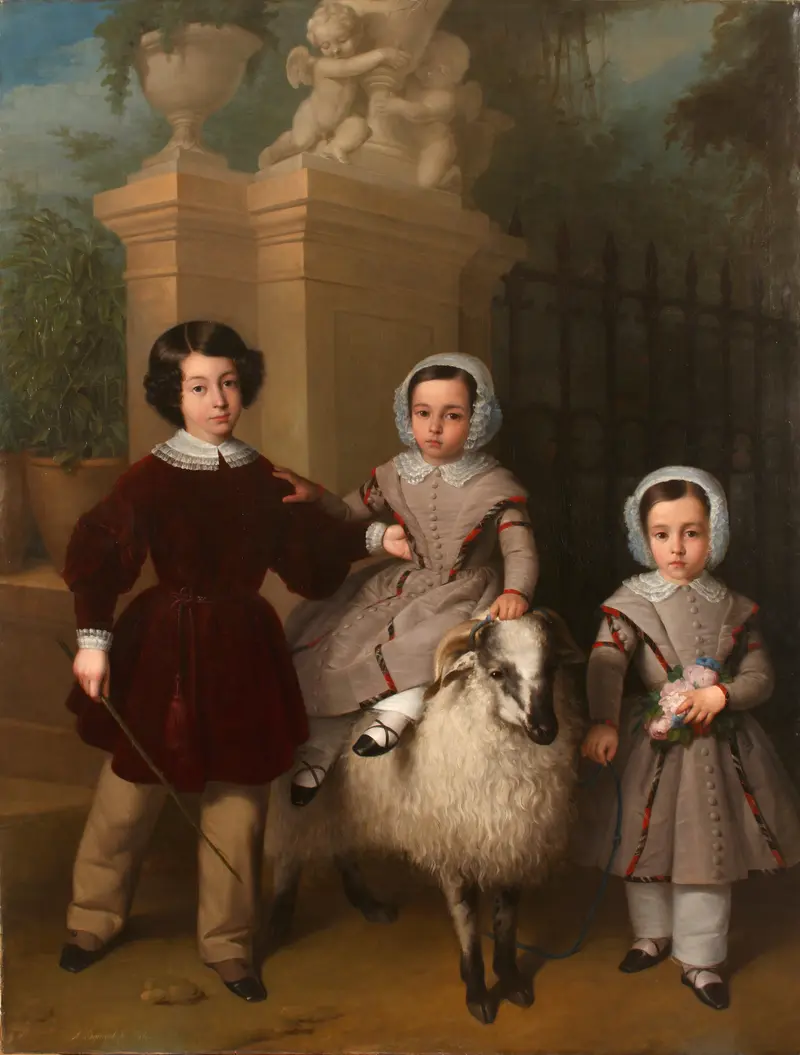
Children playing with a ram
Antonio Maria Esquivel
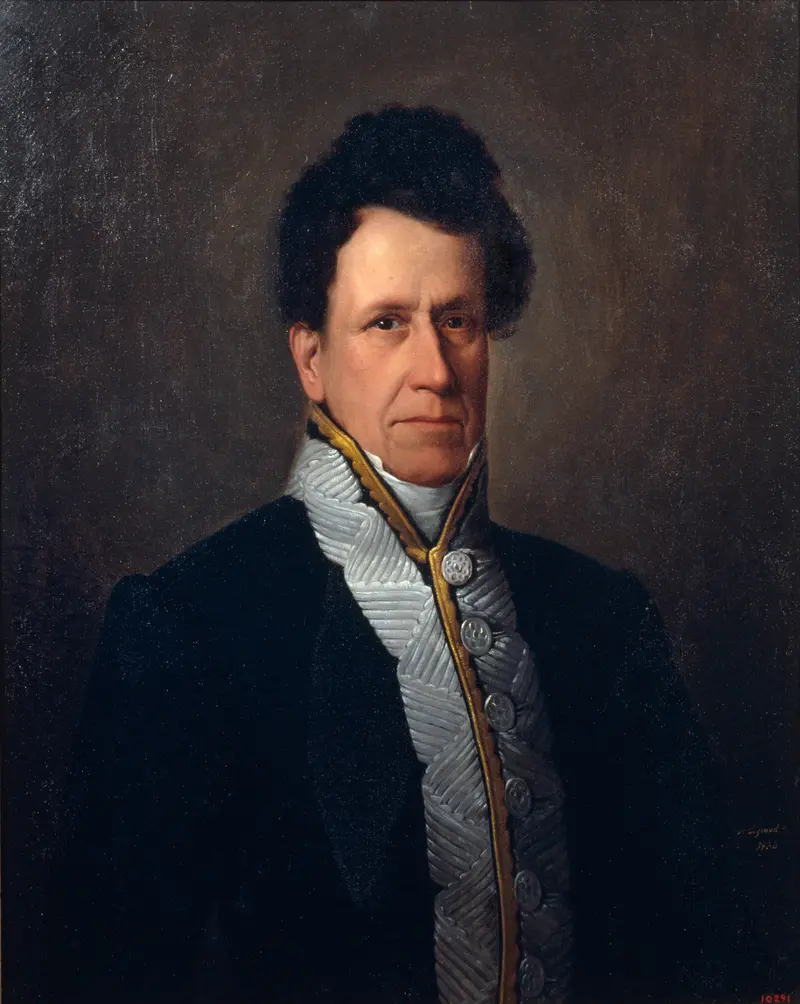
Portrait of Manuel Mª Gutiérrez
Antonio Maria Esquivel
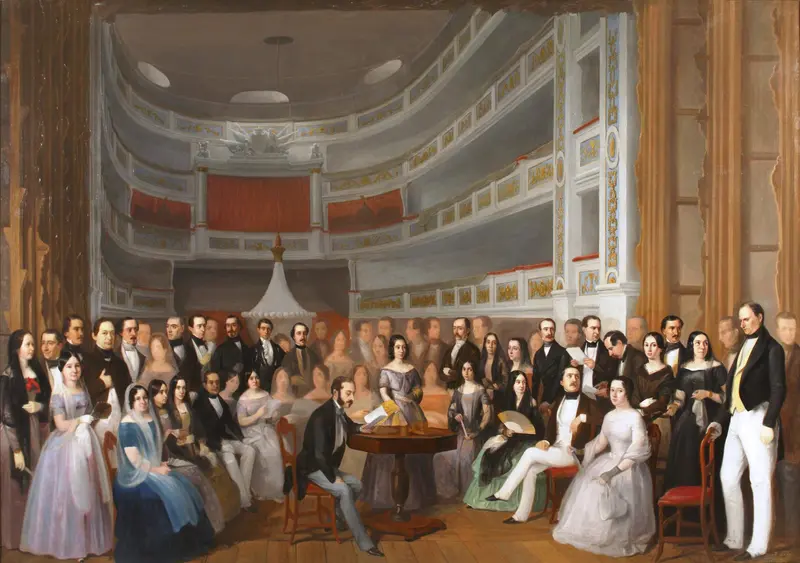
Ventura de la Vega reading a play at the Teatro del Príncipe
Antonio Maria Esquivel
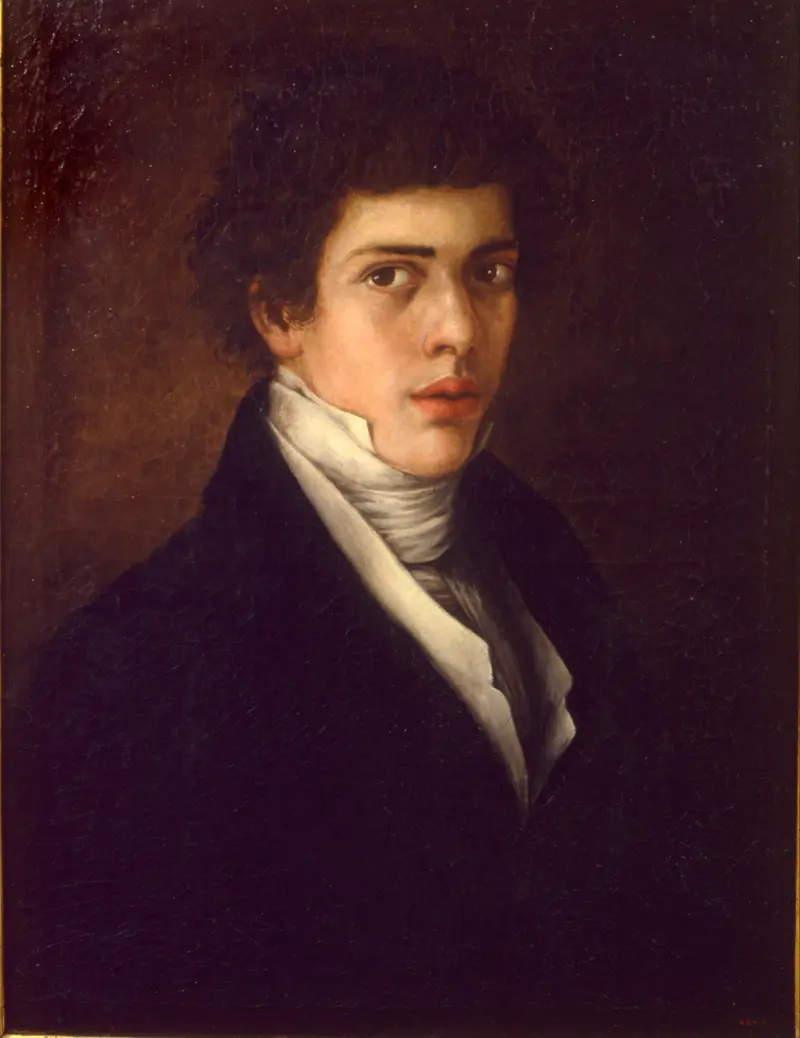
Self-portrait
Antonio Maria Esquivel
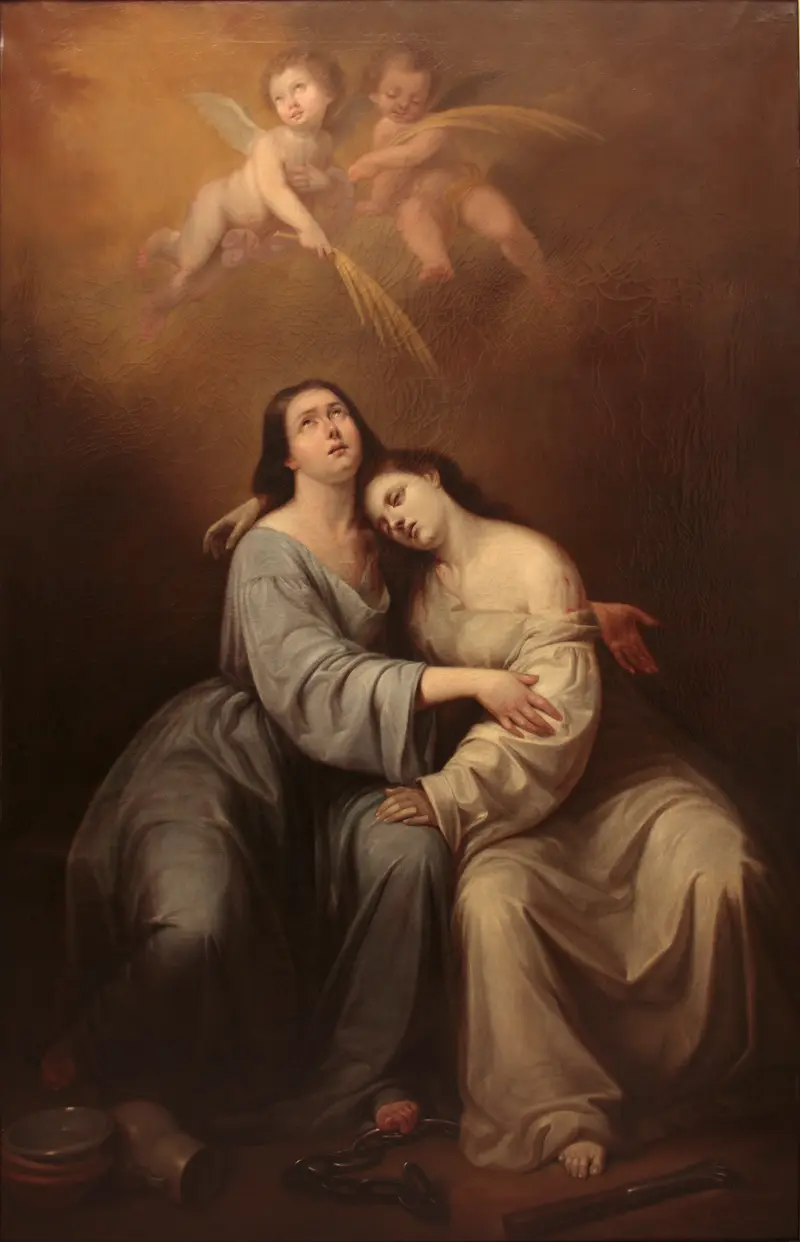
Saint Justa and Saint Rufina
Antonio Maria Esquivel
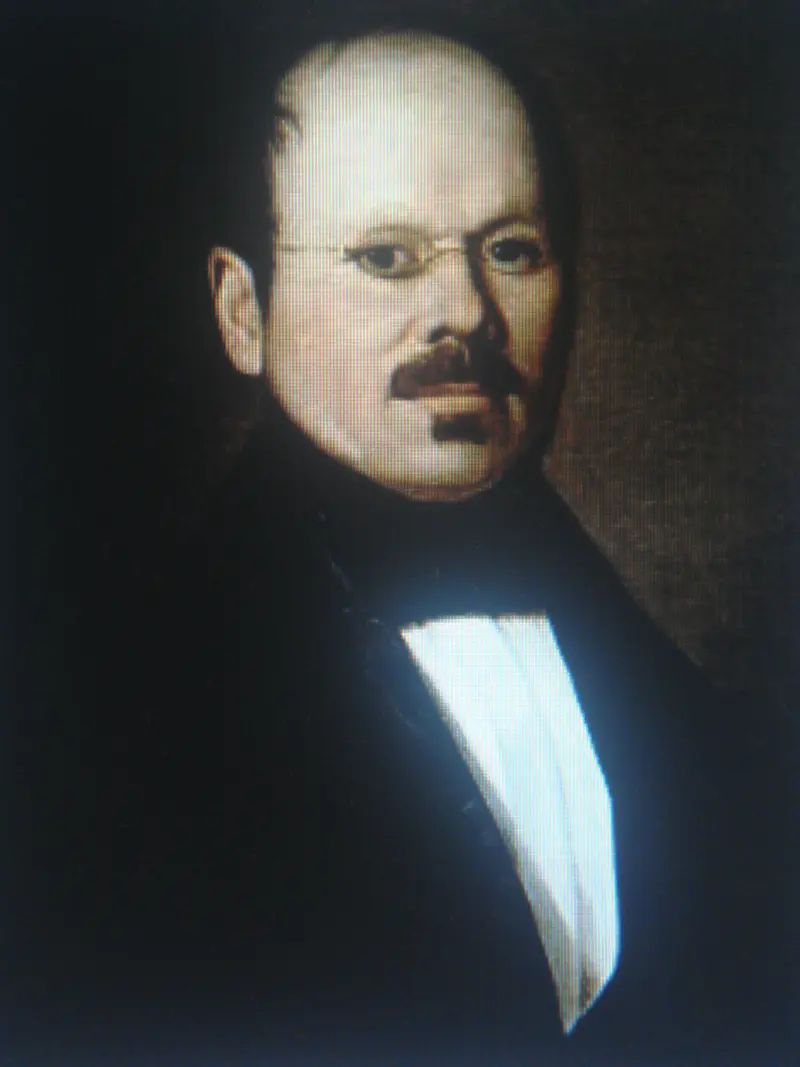
Antonio Benavides Fernández de Navarrete (Real Academia de la Historia)
Antonio Maria Esquivel
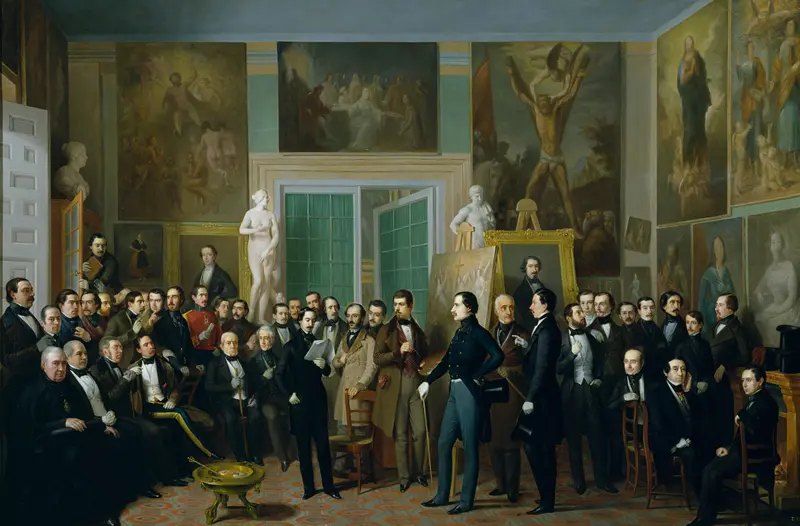
The Contemporary Poets. A Reading of Zorrilla in the Artist's Studio
Antonio Maria Esquivel
Portrait of Don Manuel José de Guerrico
Antonio Maria Esquivel





