
Satan Smiting Job with Sore Boils — History & Facts
When William Blake published his illustrations for the Book of Job in 1826, he was already a visionary force on the fringes of British art and poetry. Among these, Satan Smiting Job with Sore Boils stands out for its raw confrontation with suffering and faith. The image has fascinated viewers and scholars alike for its uncompromising depiction of Satan as an agent of torment, a figure rarely given such direct, physical presence in religious art.
The work is one of a series of twenty-two engravings, each interpreting a different episode from the biblical tale, and was produced late in Blake’s life, when his reputation was only just beginning to grow beyond a small circle of admirers. The scene captures the moment when Satan, under God’s permission, afflicts Job with painful boils as a test of his faith. Blake’s composition is stark: Job, gaunt and naked, writhes on the ground, his body contorted in agony, while Satan looms above, muscular and almost luminous, pressing down with both hands. The light in the image is harsh, casting deep shadows that heighten the sense of despair and isolation.
Around Job, his wife and friends recoil in horror, their gestures echoing the disbelief and helplessness that pervade the story. Unlike earlier treatments—such as those by Albrecht Dürer, who depicted Job as a patient sufferer—Blake’s version is unflinching, emphasizing both the violence of the ordeal and the spiritual struggle at its heart. The original medium of Satan Smiting Job with Sore Boils is an engraving, part of a set commissioned by John Linnell, a devoted patron who recognized Blake’s genius when few others did. The prints were not widely circulated during Blake’s lifetime, but they gradually gained recognition as some of his most personal and innovative works.
Today, impressions of the engraving can be found in major collections such as the British Museum and the Morgan Library. These plates mark the culmination of Blake’s lifelong engagement with biblical themes, and their influence can be traced in later artists who grappled with the depiction of suffering and the supernatural. The Job engravings remain a testament to Blake’s unique vision—one forged in obscurity, but destined to shape the course of Romantic art.
More Artworks by William Blake
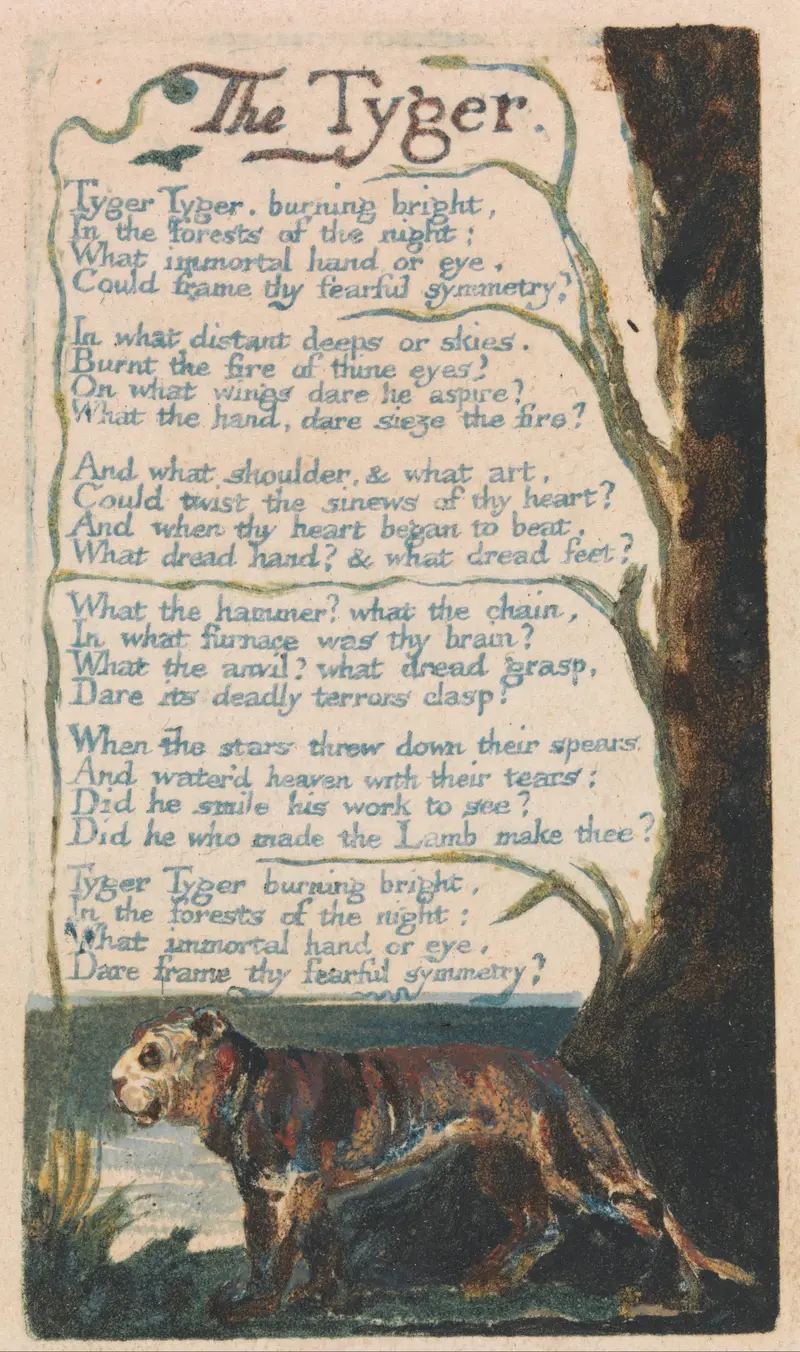
The Tyger
William Blake

Christ Blessing
William Blake
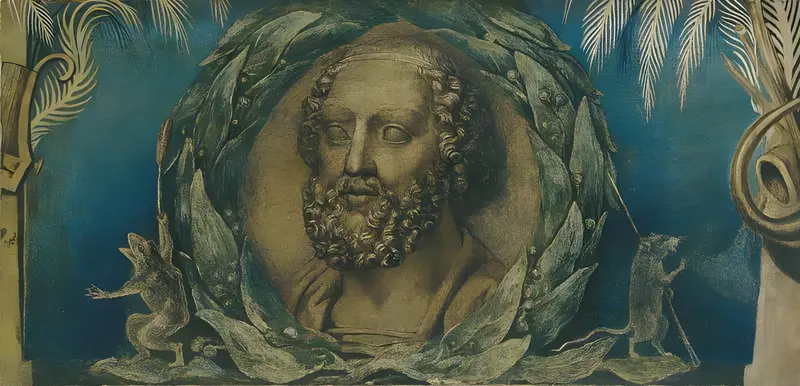
Homer
William Blake
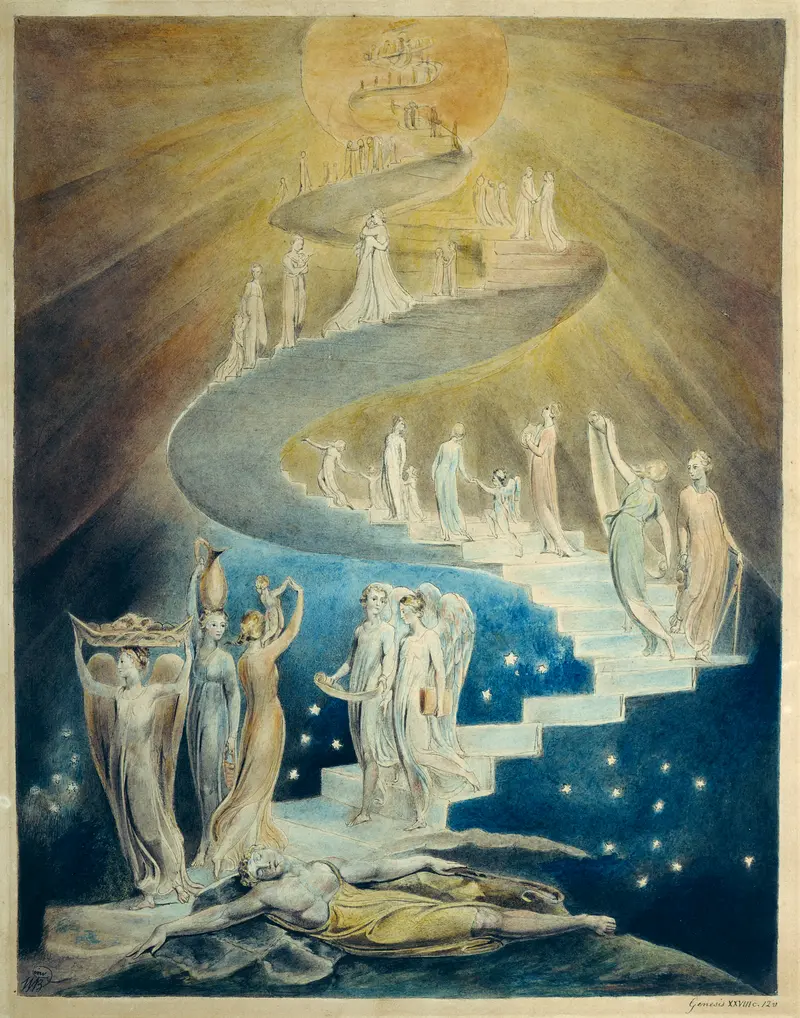
Jacob's Ladder
William Blake
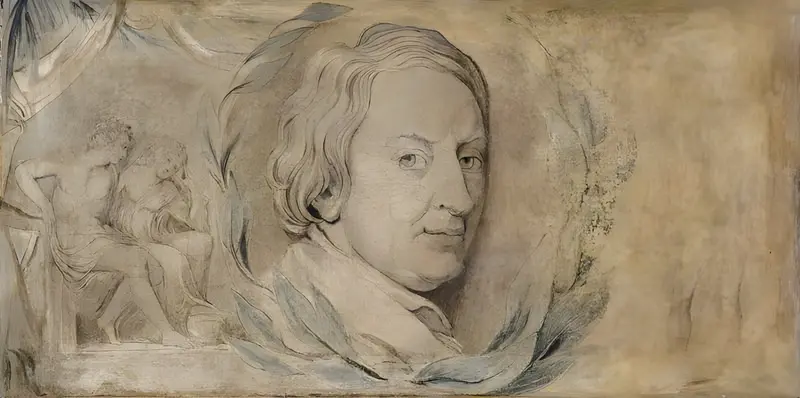
John Dryden (1631–1700)
William Blake
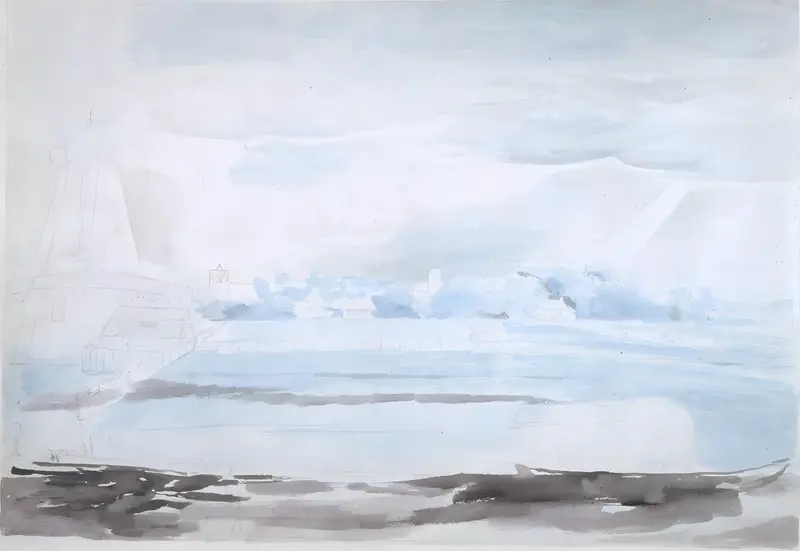
Landscape near Felpham
William Blake
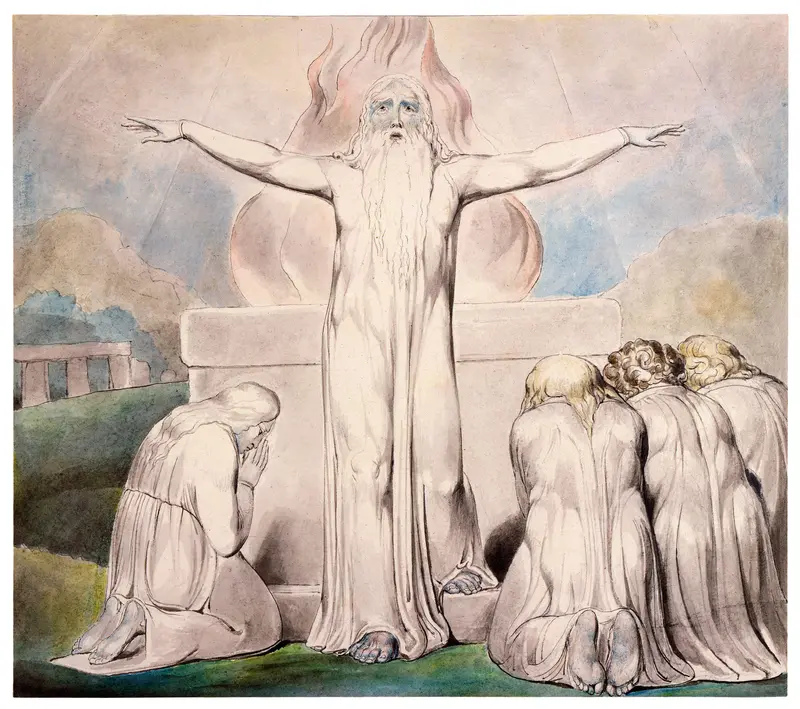
Sacrifice of Job
William Blake
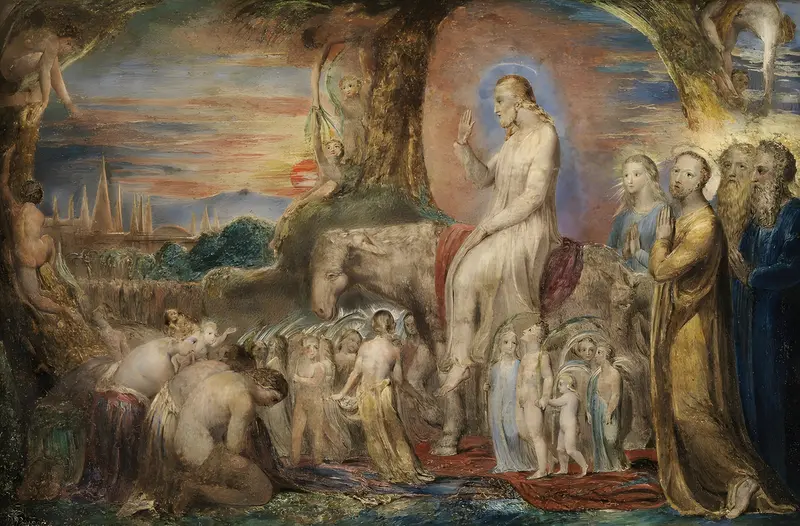
Christ's Entry into Jerusalem
William Blake
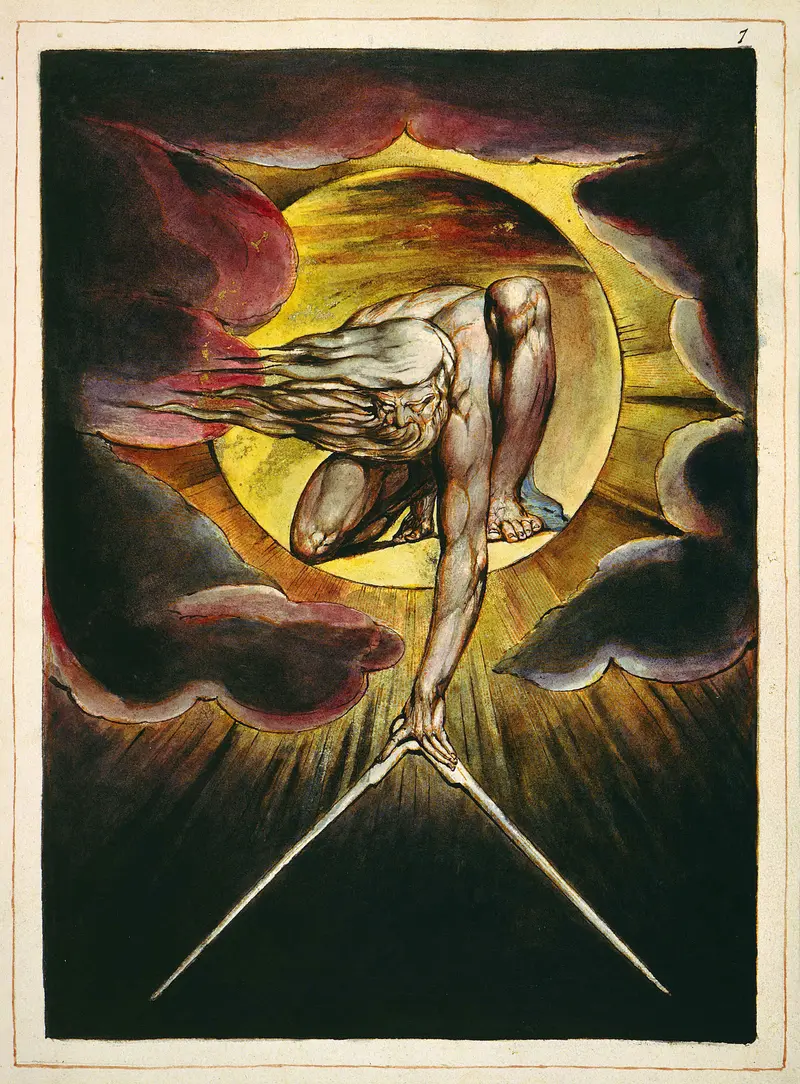
The Ancient of Days
William Blake
Adam Naming the Beasts
William Blake





