
Seascape (Gravelines) — History & Facts
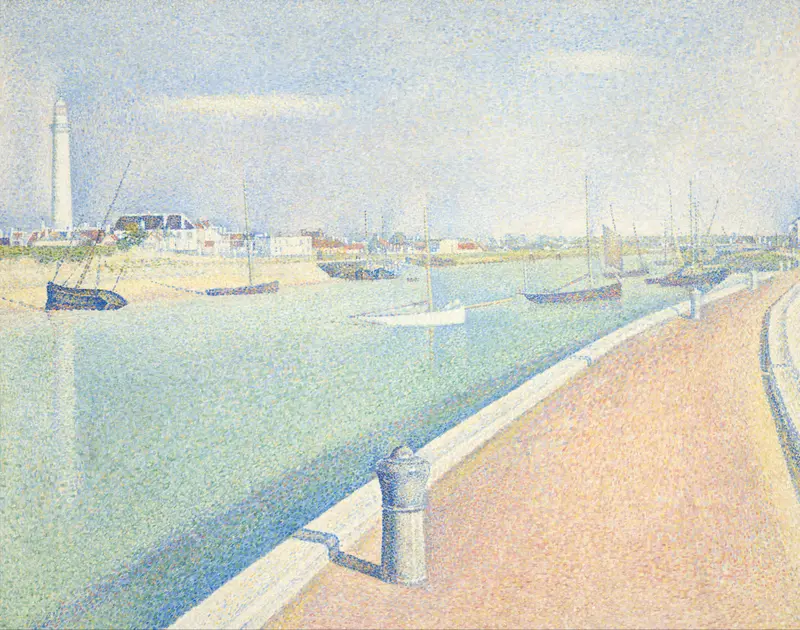
When Georges Seurat painted Seascape (Gravelines) in 1890, he was at the very end of his brief, brilliant career, and the work stands as one of the last he ever completed before his sudden death at just 31. This small painting is part of a series Seurat created during his summer visits to the northern French coast, and it is remarkable for how it pushes his pointillist technique to the edge of abstraction. Unlike his monumental A Sunday Afternoon on the Island of La Grande Jatte, here Seurat offers a radical simplification: the sea and sky dissolve into bands of color, with almost no trace of human presence.
The painting has become a touchstone for scholars tracing the origins of modernism, who debate whether Seurat was already anticipating the minimalist experiments of the 20th century. The scene captures the quiet expanse of Gravelines, a coastal town near the Belgian border, at a moment when the wind has stilled and the horizon barely separates water from sky. Seurat’s methodical dots of paint—his signature divisionism—soften the boundaries between forms, so that the boats and breakwaters seem to float in a haze of blue and pale gold. The composition is almost unnervingly calm: the sea is rendered as a flat, shimmering plane, and the sky is a muted wash, suggesting the stillness of early morning or late afternoon.
Unlike the bustling harbors painted by Claude Monet or Eugène Boudin, Seurat’s Gravelines is emptied of anecdote, inviting the viewer to contemplate color and light itself. The precise provenance of Seascape (Gravelines) is not fully documented, but it is known that Seurat painted several views of Gravelines in 1890, likely for exhibition and sale through Parisian dealers. The painting’s intimate scale and experimental style meant it was overlooked for decades, compared to Seurat’s larger canvases. Only in the 20th century did collectors and museums begin to recognize its significance as a precursor to abstraction.
Today, Seascape (Gravelines) is held in a major public collection, where it stands as a quiet but radical testament to Seurat’s final explorations, and a window into the last chapter of the Post-Impressionist movement.
More Artworks by Georges Seurat
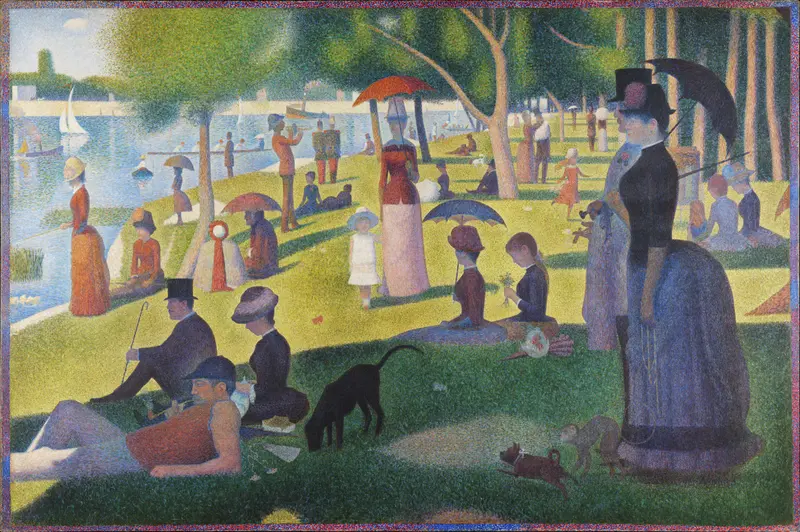
A Sunday Afternoon on the Island of La Grande Jatte
Georges Seurat
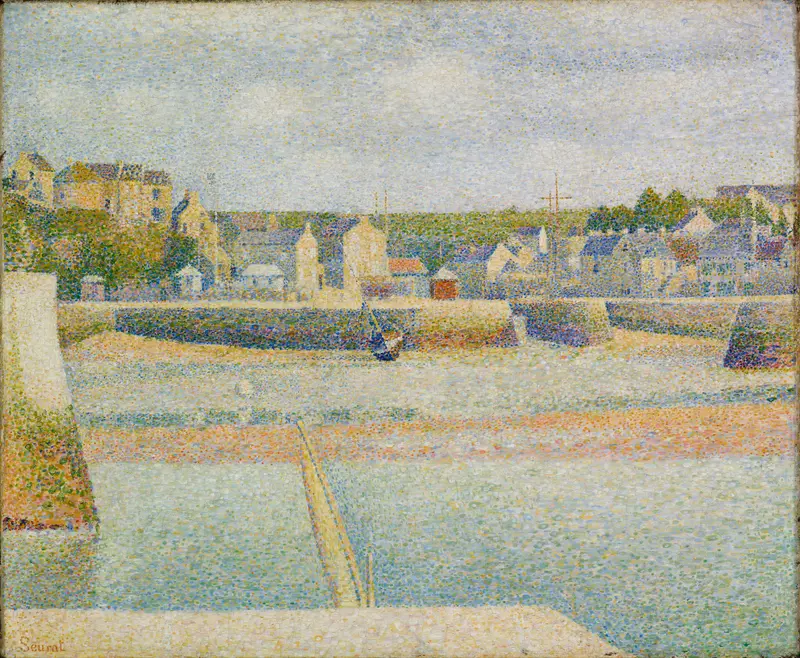
Port-en-Bessin, The Outer Harbor (Low Tide)
Georges Seurat
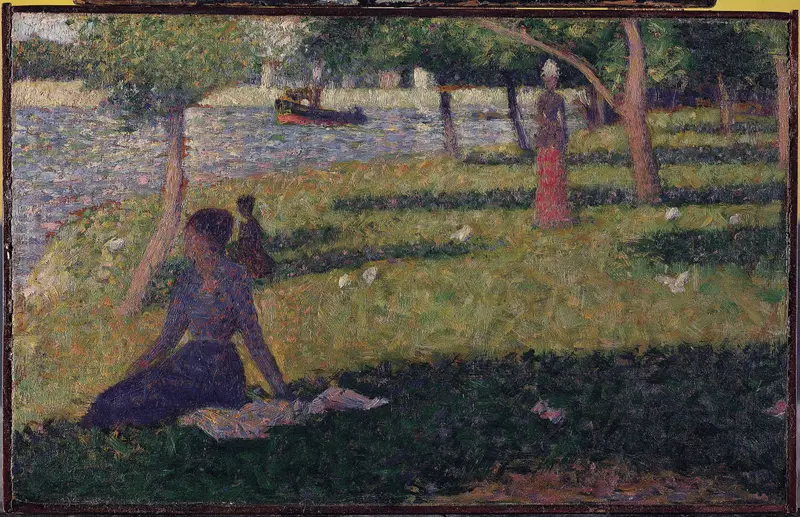
Étude pour ‘La Grande Jatte’ (Study for ‘La Grande Jatte’)
Georges Seurat
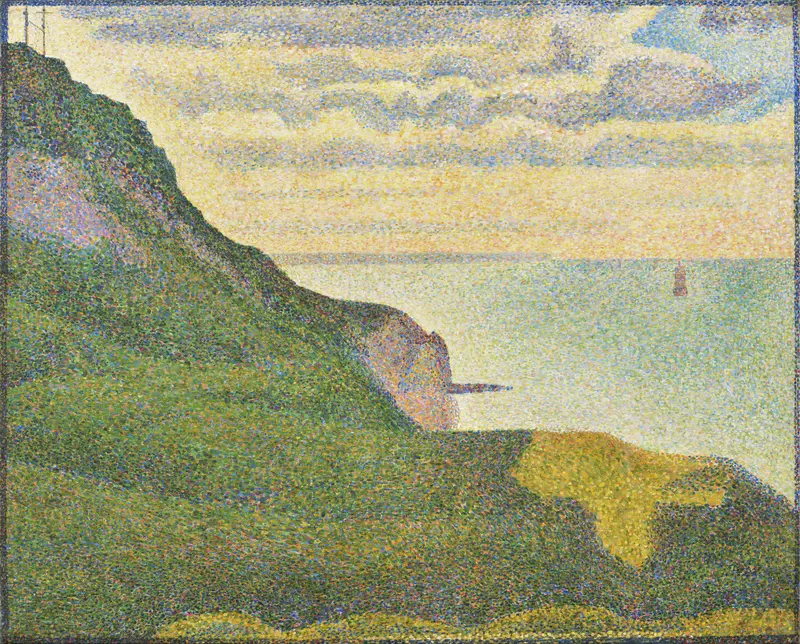
Seascape at Port-en-Bessin,Normandy
Georges Seurat
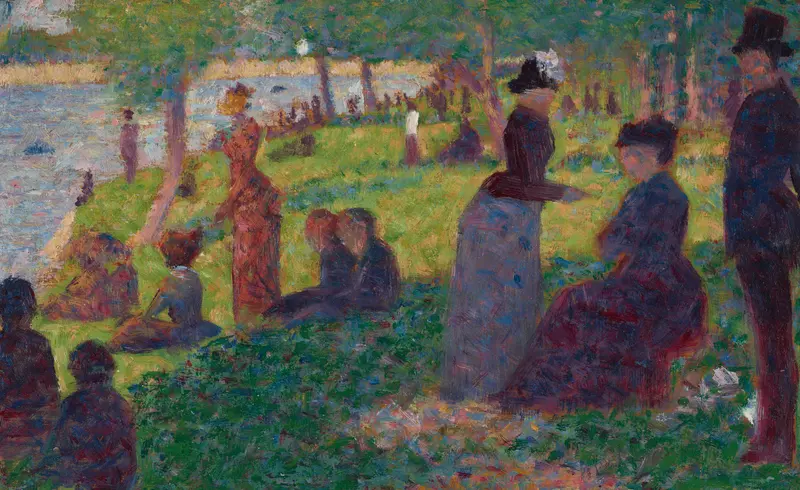
Oil Sketch for "A Sunday on La Grande Jatte — 1884"
Georges Seurat
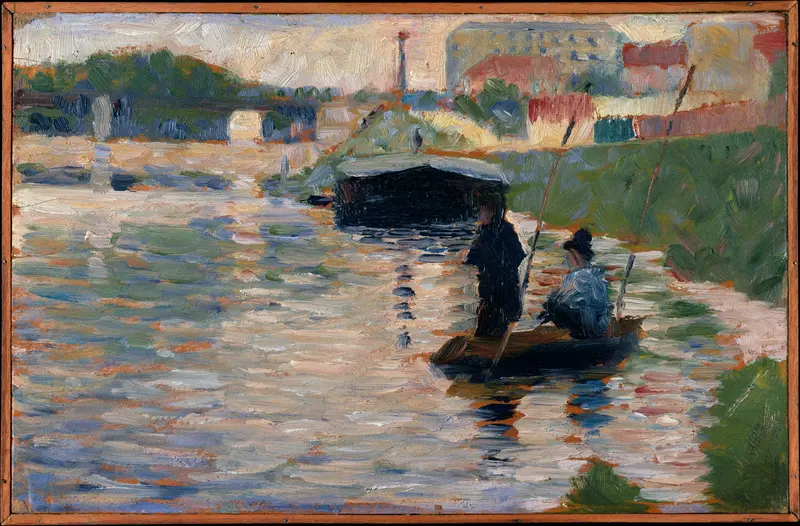
View of the Seine
Georges Seurat
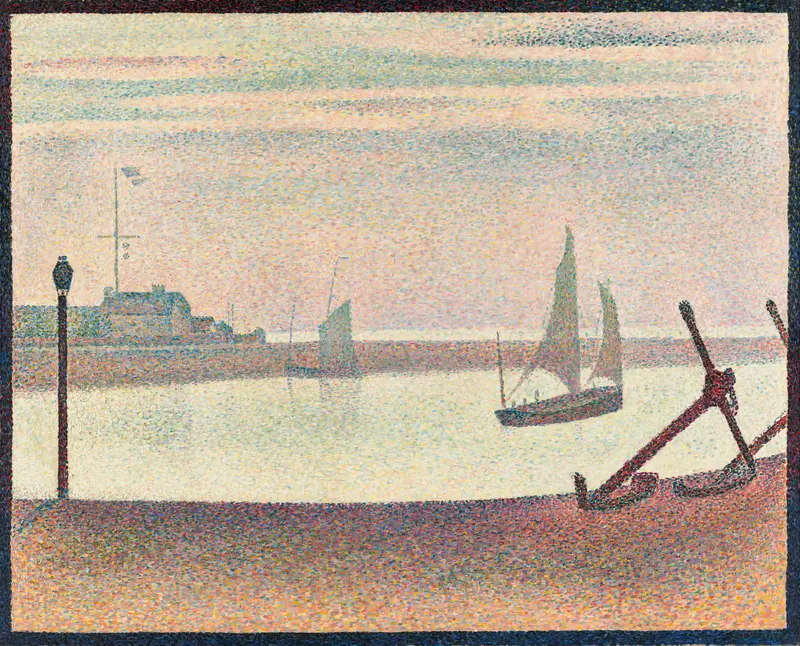
The Channel at Gravelines, Evening
Georges Seurat
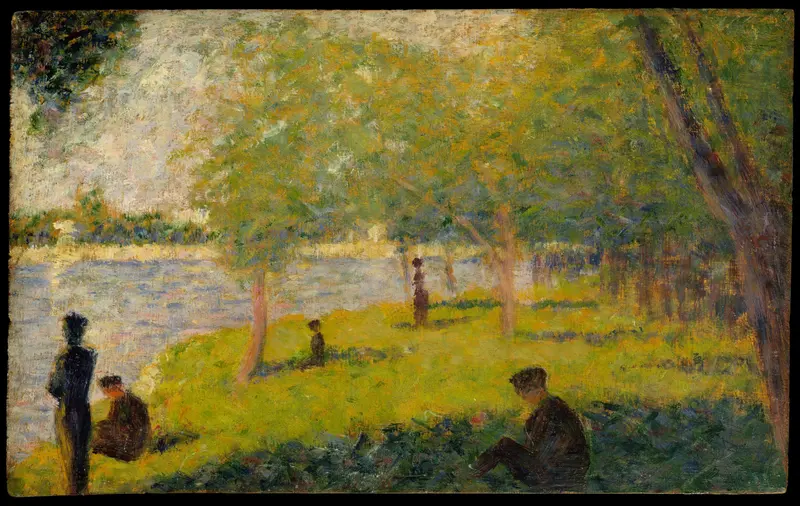
Study for ‘A Sunday on La Grande Jatte’
Georges Seurat
Study for A Sunday on La Grande Jatte
Georges Seurat
The Channel of Gravelines, Petit Fort Philippe
Georges Seurat





