
Self-Portrait (?) by Theo van Doesburg ex collection Krause — History & Facts
A shadowed face emerges from the gloom, the eyes half-lost in darkness, the mouth set in a line that could be resignation or resolve. The first thing that grips the viewer is the play of light: a single, angled beam carves out the cheekbones and brow, leaving the rest to dissolve into the background. This is a portrait that withholds as much as it reveals.
The hat, pulled low, and the rough brushwork around the jaw create an impression of guardedness, as if the sitter—perhaps Theo van Doesburg himself—has chosen this moment to stand apart, unadorned and unyielding. The palette is earthy and subdued, lending a sense of gravity and introspection, while the thick, visible strokes make the flesh seem to pulse with life. Painted around 1906, this work belongs to a world on the cusp of transformation. Dutch portraiture at the turn of the twentieth century was still steeped in tradition, but artists like van Doesburg were beginning to search for new ways to see and to show the self.
The uncertainty of the title—Self-Portrait (?) by Theo van Doesburg ex collection Krause—mirrors the uncertainty of the era, a time when artists questioned not just how to paint, but why. History has kept few traces of this particular canvas beyond its listing in the 2000 Oeuvrecatalogus, yet its brooding presence invites us to linger, to search the shadows for the man and the moment behind the paint.
More Artworks by Theo van Doesburg
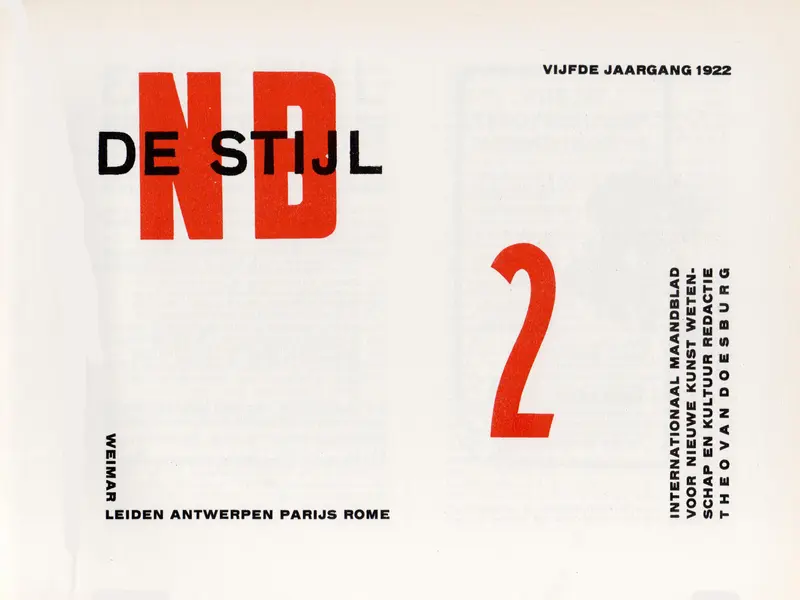
De Stijl, vol. 5, no. 2 (cover)
Theo van Doesburg
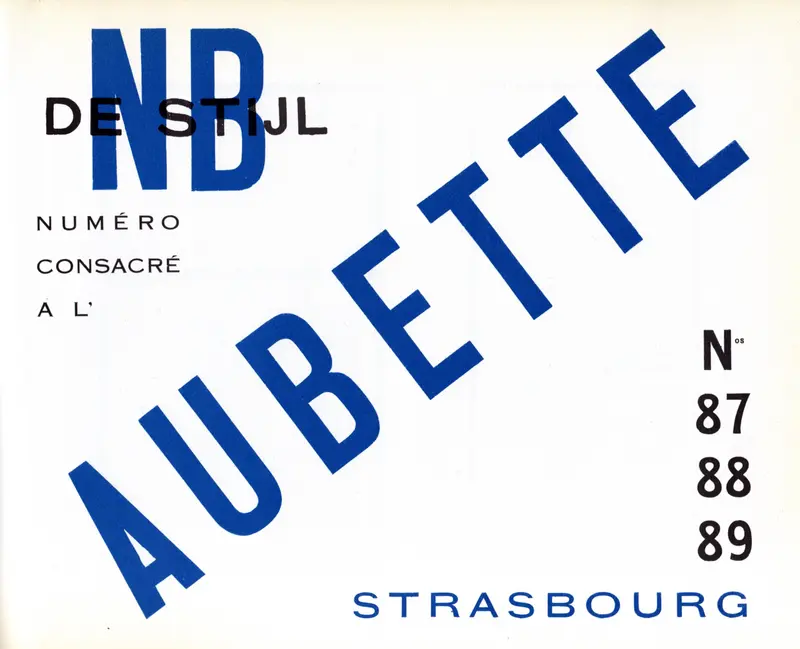
De Stijl, nos. 87–89: Aubette Issue (cover)
Theo van Doesburg
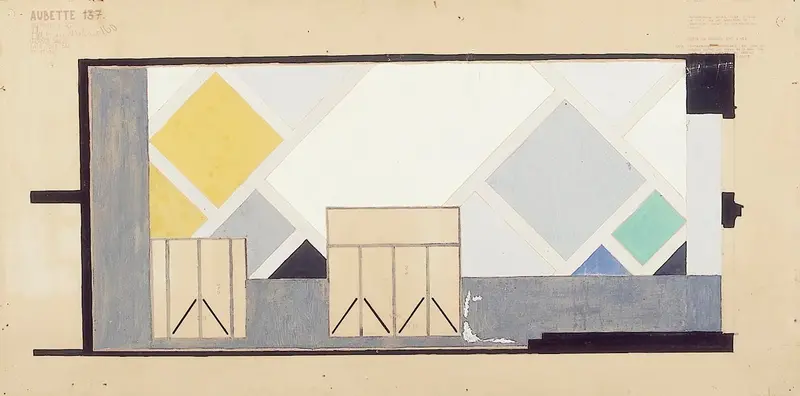
Aubette Ciné-Dancing: Final Color Design for a Wall
Theo van Doesburg
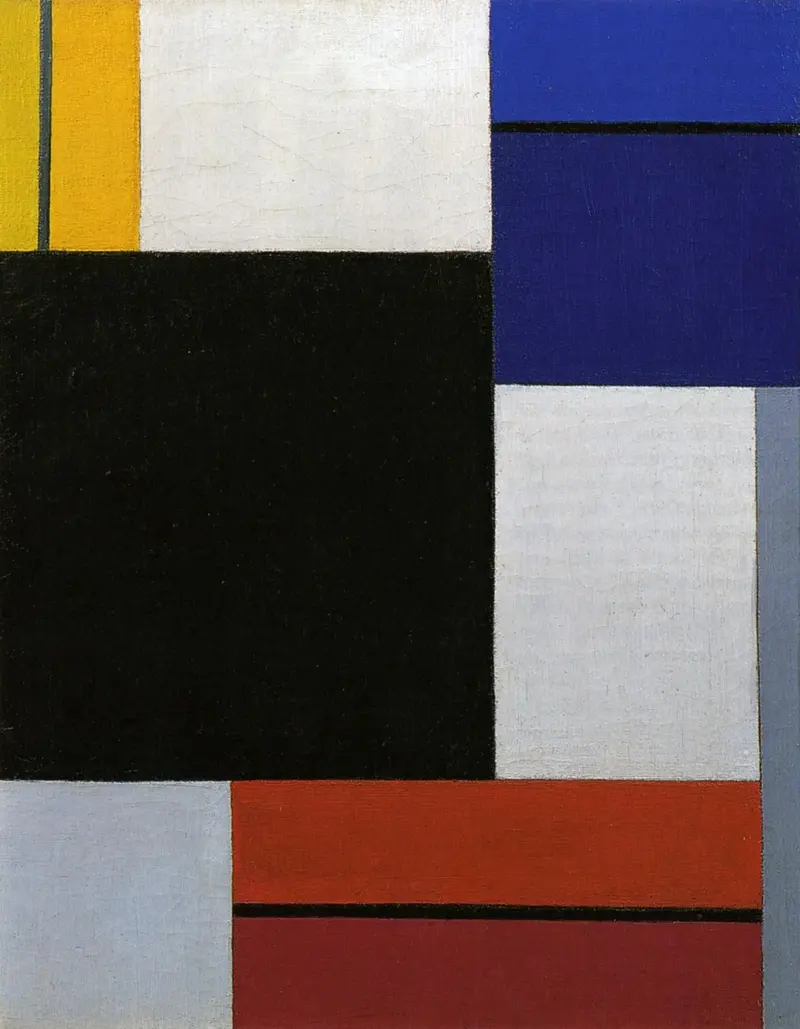
Composition XXI
Theo van Doesburg
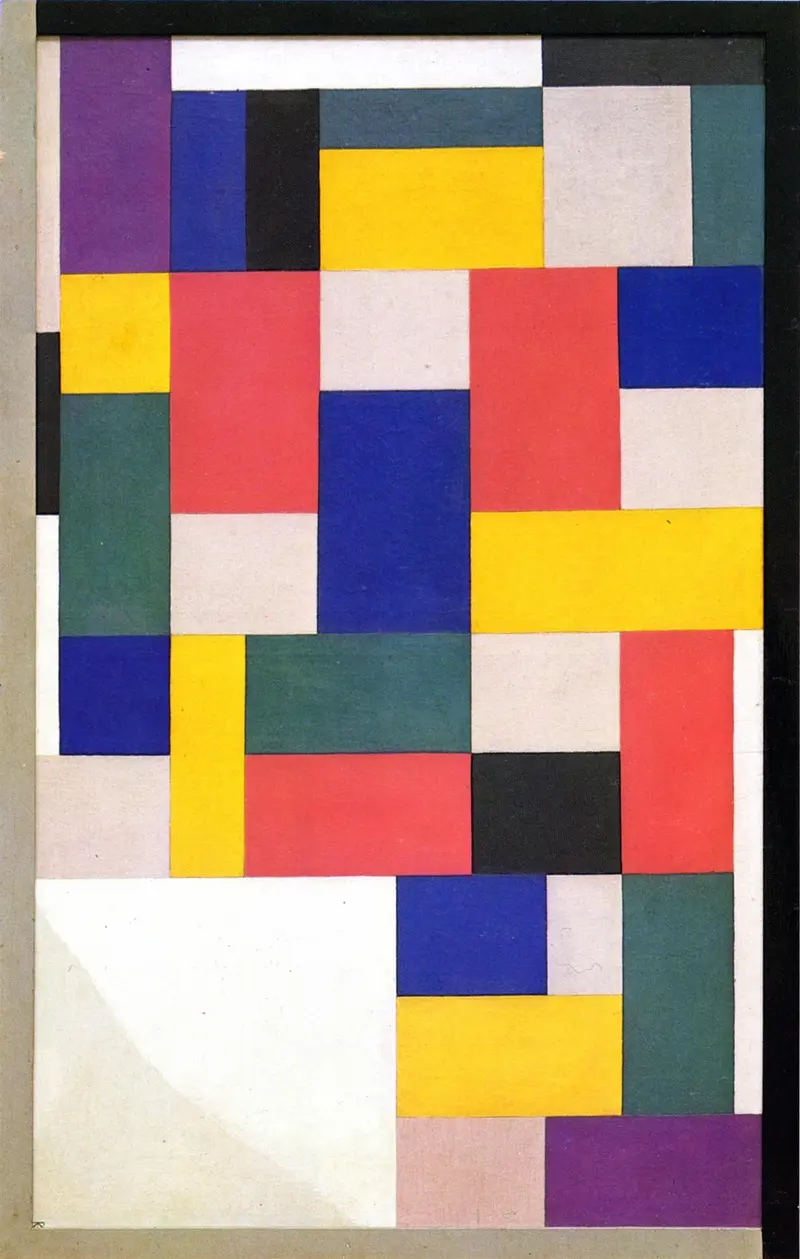
Pure Painting
Theo van Doesburg
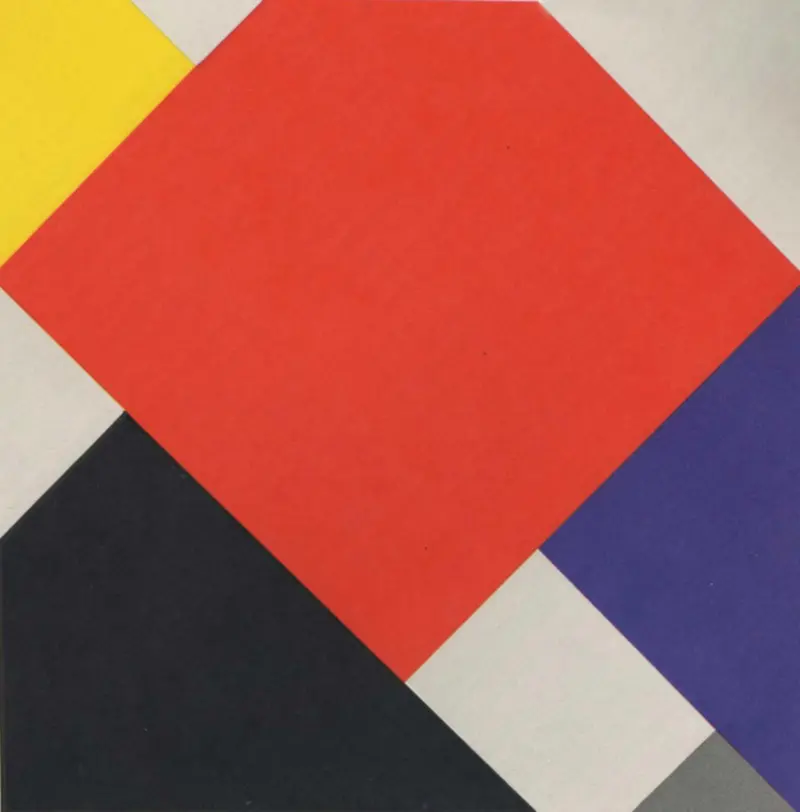
Counter-Composition V
Theo van Doesburg
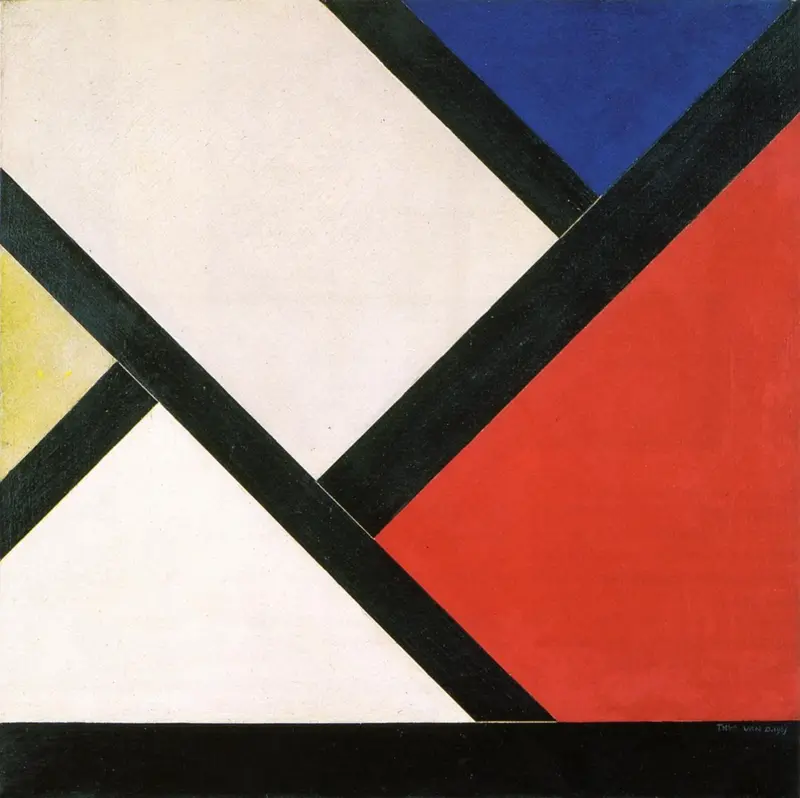
Counter-Composition XIV
Theo van Doesburg
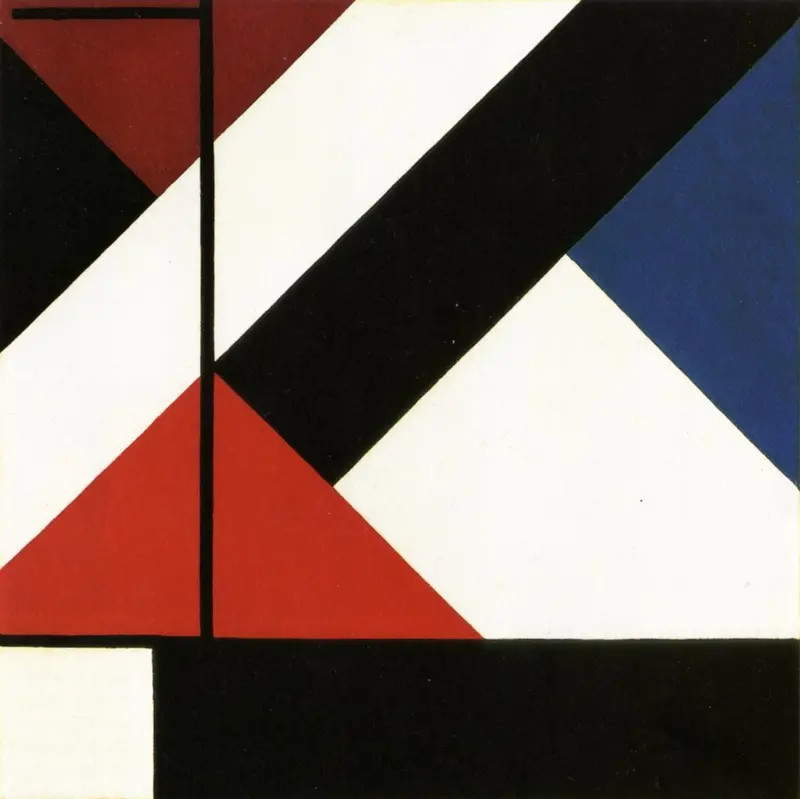
Simultaneous Counter-Composition
Theo van Doesburg
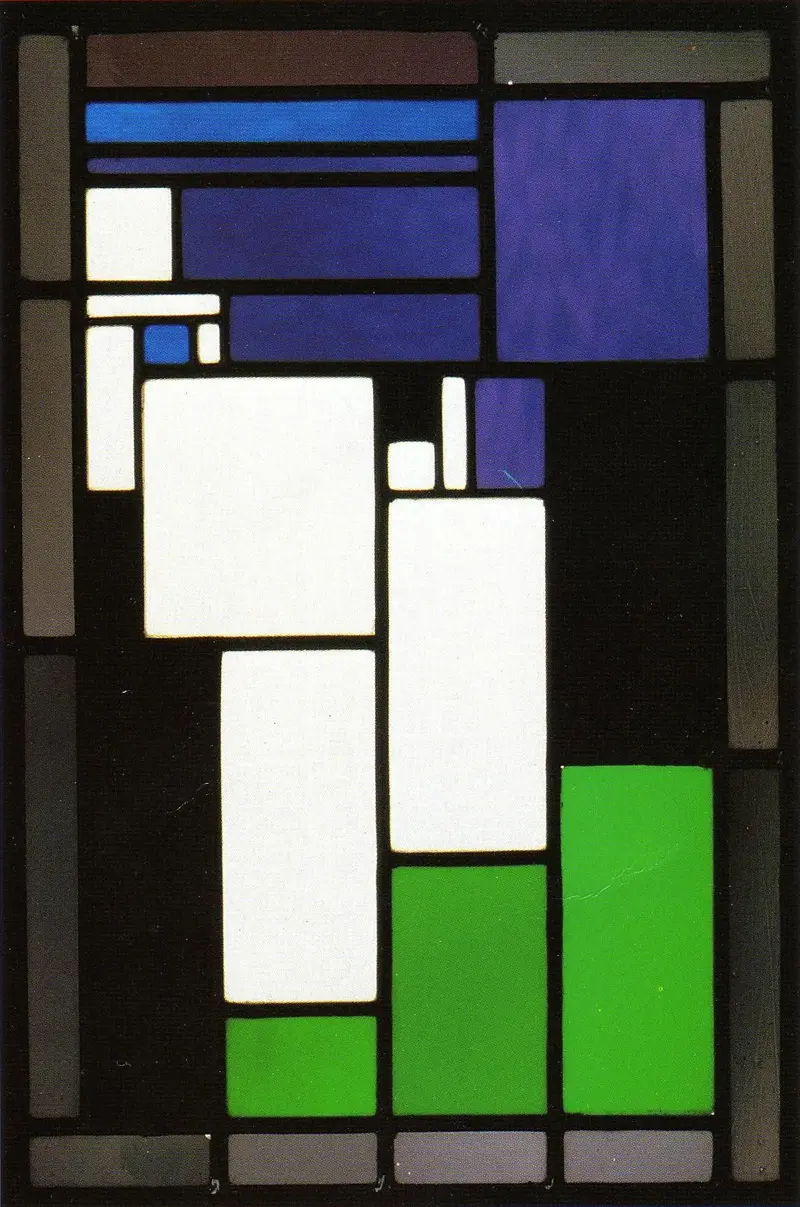
Stained-Glass Composition: Female Head
Theo van Doesburg
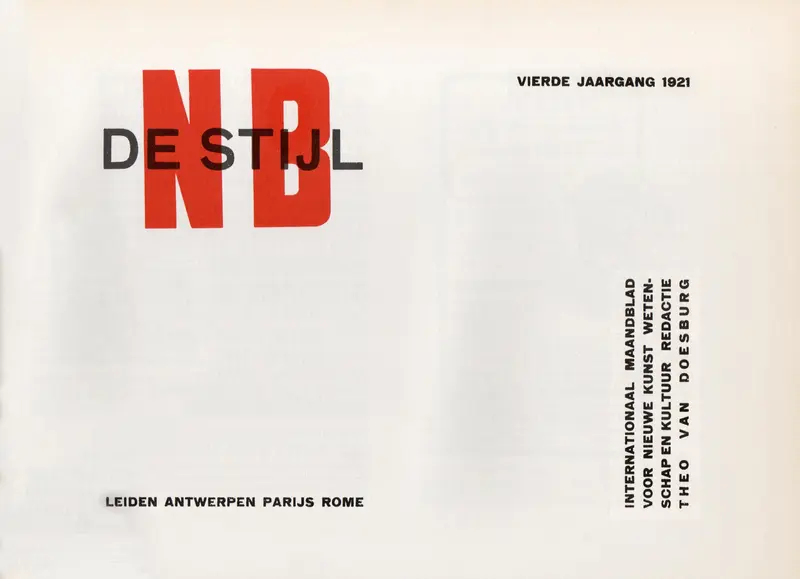
De Stijl, vol. 4, no. 2 (cover)
Theo van Doesburg





