
Sibyl — History & Facts
It is the gaze that first catches you—a figure neither wholly of this world nor entirely of another, pausing mid-thought as if to invite the viewer into her silent prophecy. Her eyes are wide, reflective, and searching, set beneath the shadow of a broad-brimmed hat that casts half her face into gentle obscurity. The delicate rod she holds, poised above the open book, signals her role as a sibyl: a woman of ancient legend, chosen to reveal truths hidden from ordinary mortals.
The intricate patterning of her robe, rendered in soft reds and swirling motifs, draws the eye to her hand, which hovers as if about to inscribe or reveal a secret. The play of light and shadow across her features and garments creates a hush around her, as if the air itself is waiting for her next word. Works like this, painted between 1600 and 1633, belong to a world where the boundaries between myth, religion, and scholarship were constantly negotiated on canvas. The sibyls—pagan prophetesses believed to have foretold the coming of Christ—were popular subjects in the art of the early Baroque, especially in the Southern Netherlands where Abraham Janssens was active.
Such paintings were often commissioned by wealthy collectors or religious institutions eager to display both learning and piety, blending classical wisdom with Christian themes. The attention to costume, the careful modeling of flesh, and the psychological intensity all speak to the era’s fascination with human character and divine inspiration. Though little is recorded about this specific Sibyl, now held in a collection accessible via the provided source, her enigmatic presence continues to invite viewers to search for meaning in her silent pause.
More Artworks by Abraham Janssens

Jupiter Rebuked by Venus
Abraham Janssens
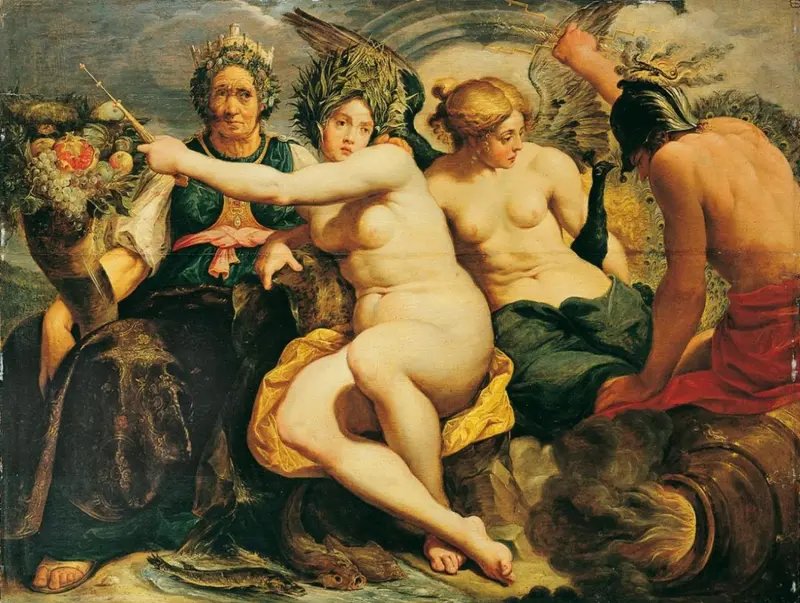
Allegorie der vier Elemente
Abraham Janssens
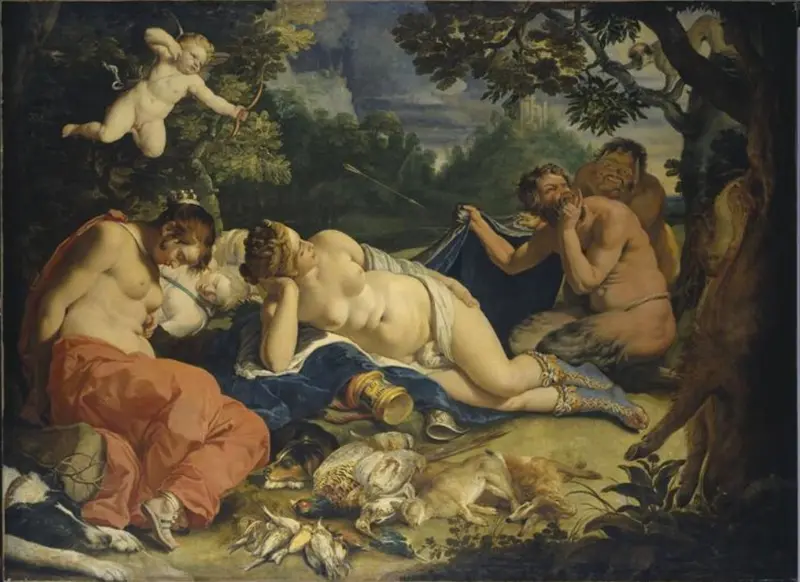
Diana and her nymphs spied on by satyrs
Abraham Janssens

Die Erweckung des Lazarus 153 Bavarian State Painting Collections
Abraham Janssens
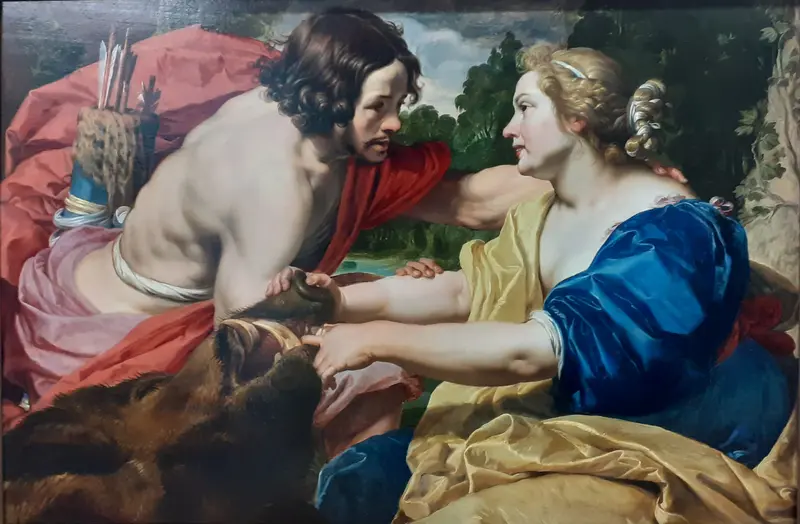
Meleager presents the head of the Calydonian Boar to Atalanta
Abraham Janssens
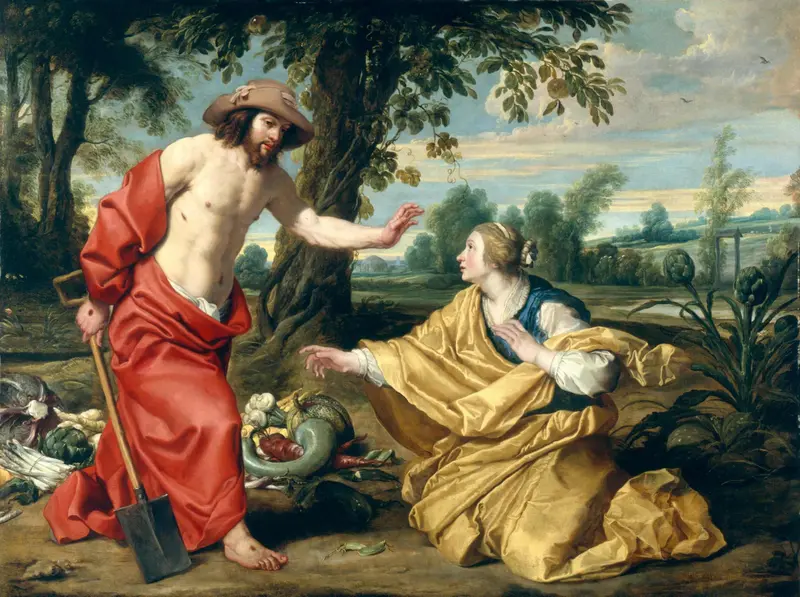
Noli me Tangere
Abraham Janssens
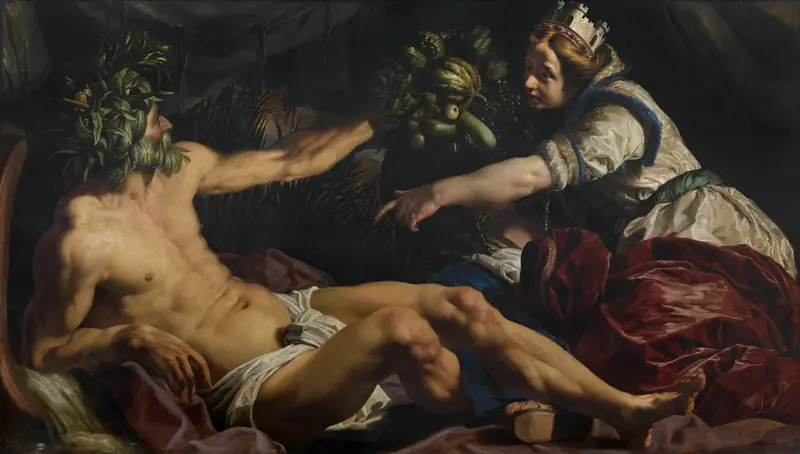
Scaldis and Antverpia
Abraham Janssens
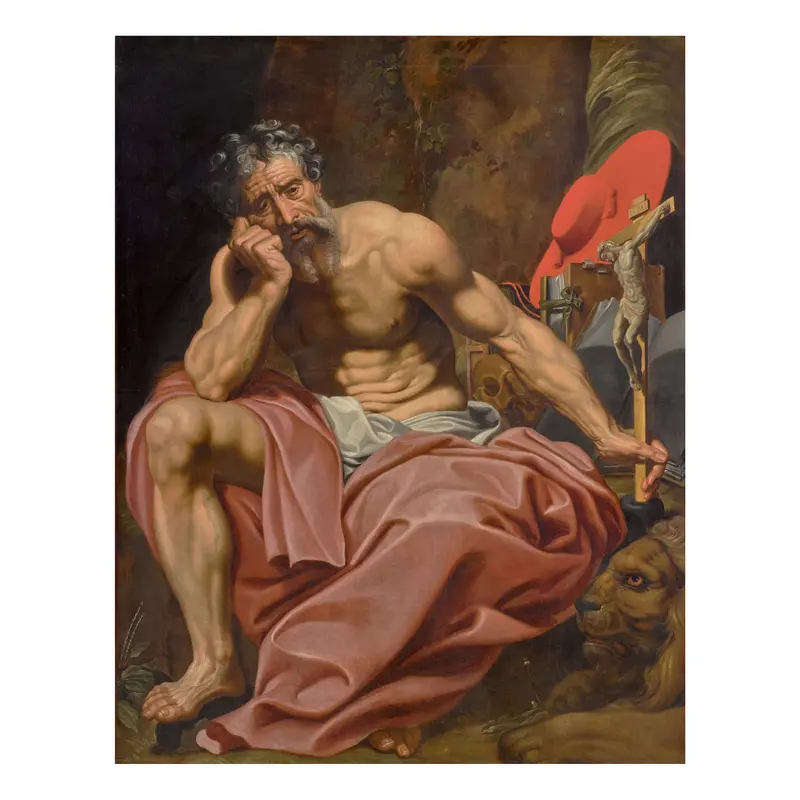
Saint Jerome
Abraham Janssens
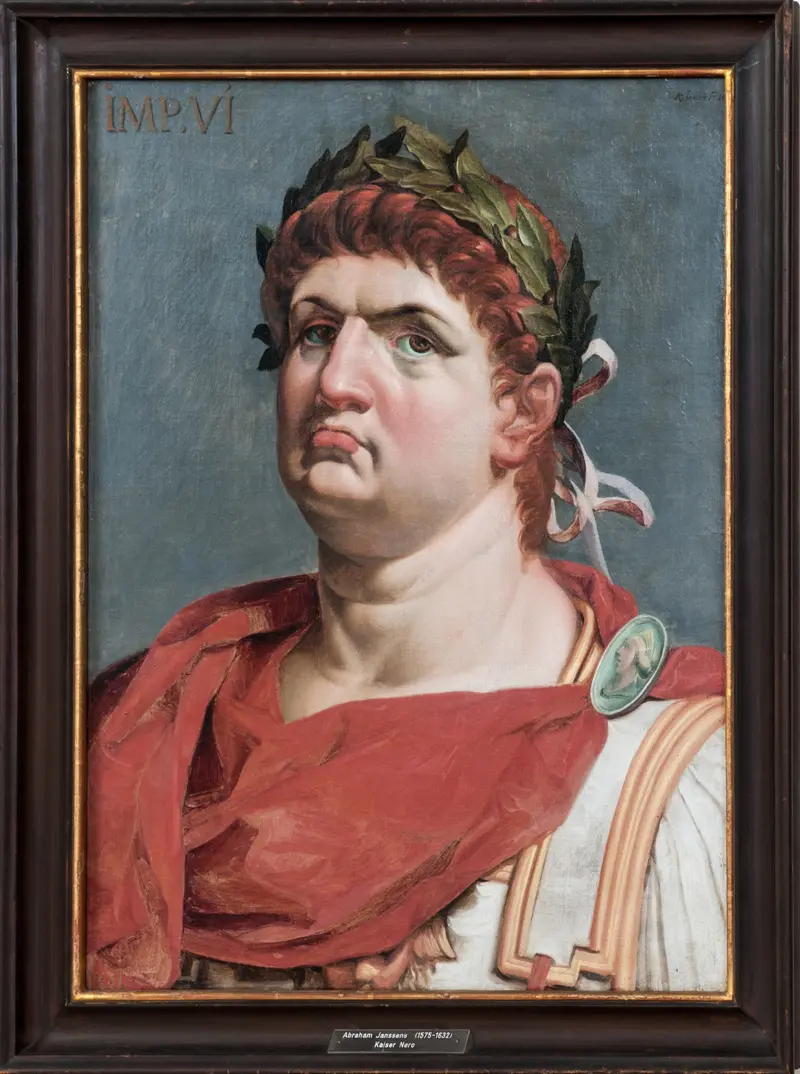
Nero
Abraham Janssens
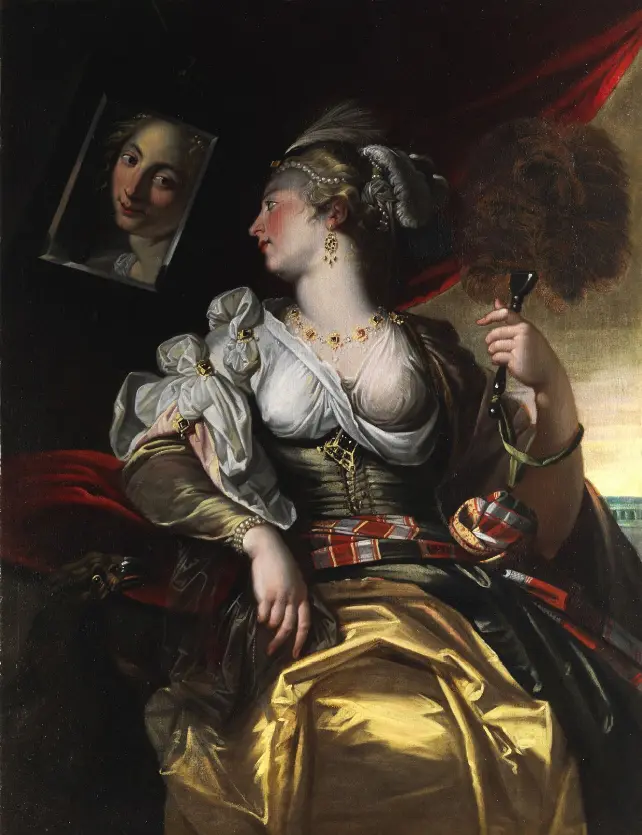
The Face
Abraham Janssens





