
Silenus bij het wijnvat — History & Facts
What first seizes the eye in Silenus bij het wijnvat is not the revelry, but the sheer physicality of its central figure: the corpulent, reclining Silenus, belly bared and limbs sprawling, utterly surrendered to pleasure. Around him, satyrs press in with urgent attention—one offers a bunch of grapes, another steadies a brimming cup, while a third, half-hidden, leans forward with a conspiratorial grin. The light, harsh and directional, carves out every fold and crease, making flesh and fur equally tangible.
Even the donkey braying at the edge seems to join in the chaotic celebration, its open mouth echoing the mood of excess. Ribera’s etching knife lingers on every detail, from the grape leaves tangled in Silenus’s hair to the rough grain of the wine vat behind, drawing the viewer into a world where the senses rule. This print belongs to a tradition that delighted in the mythic and the grotesque, a hallmark of the early seventeenth-century Baroque taste for drama and the rawness of human experience. In Naples, where Jusepe de Ribera built his reputation, such images were prized for their earthy realism and their ability to shock and amuse.
Prints like this circulated widely, collected by scholars and gentlemen who relished both their technical bravura and their sly commentary on human folly. Though history has kept few traces of this particular sheet’s early journey, its survival in the Rijksmuseum today invites us to linger over Ribera’s vision of Silenus—not as a distant myth, but as a living, breathing presence, forever caught in the throes of wine and abandon.
More Artworks by Jusepe de Ribera

Saint Francis of Paola
Jusepe de Ribera

Penitent Saint Peter
Jusepe de Ribera
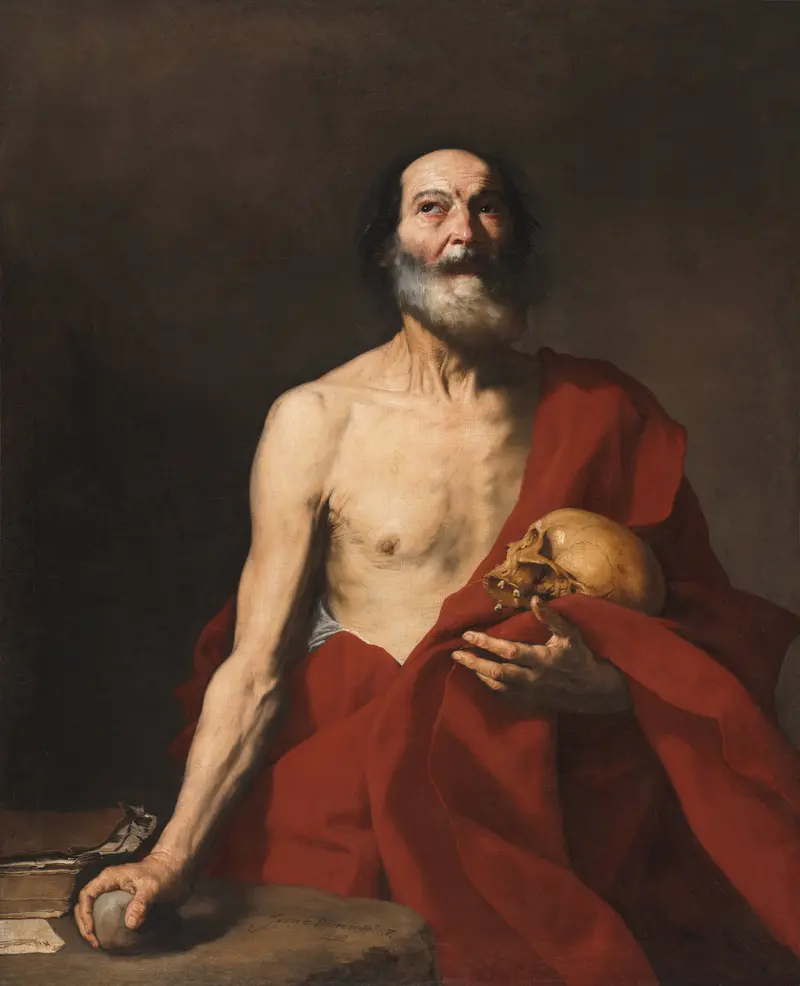
Saint Jerome
Jusepe de Ribera
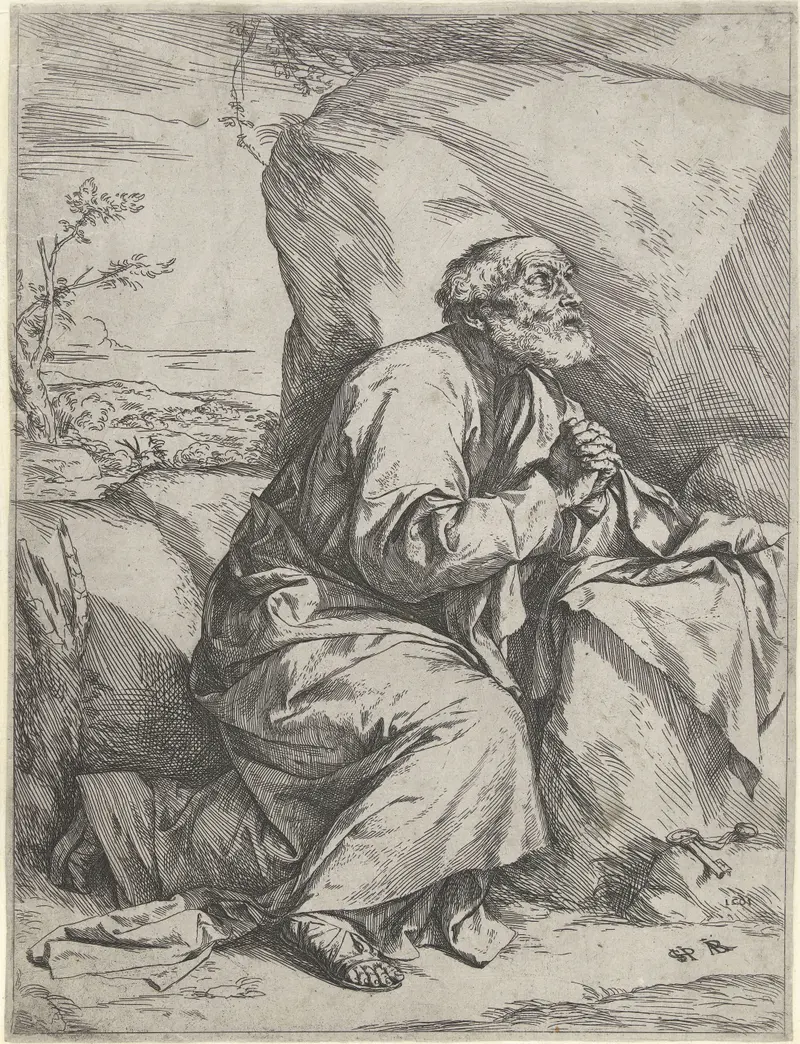
Boetvaardige Petrus
Jusepe de Ribera
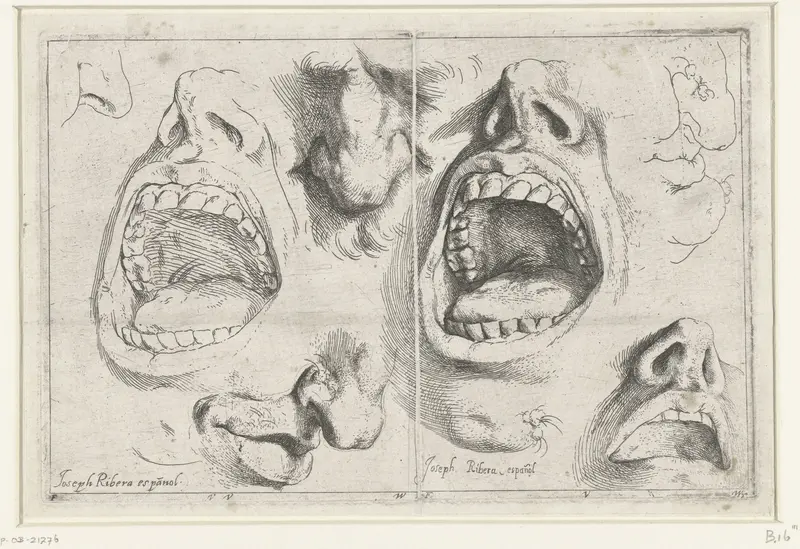
Studies van neus en mond
Jusepe de Ribera
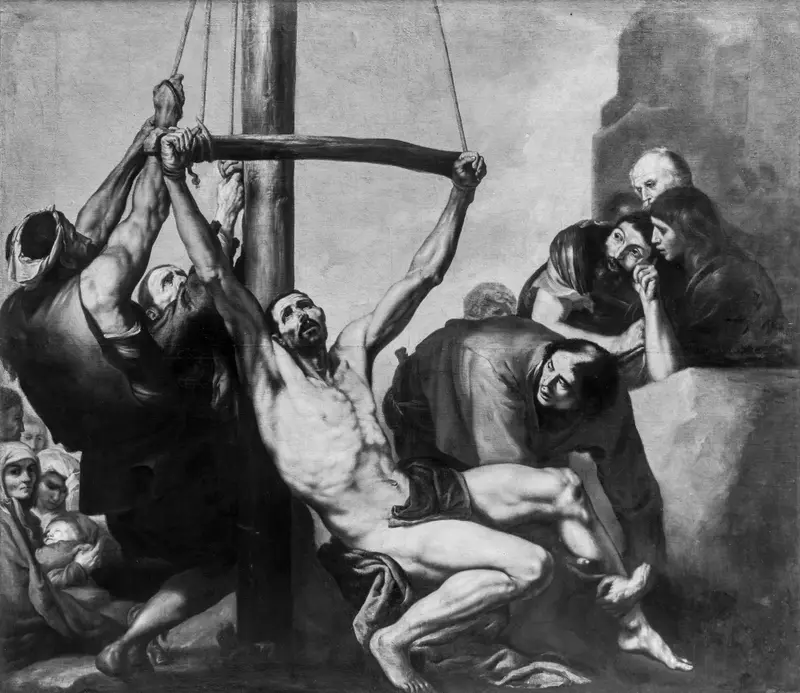
The Martyrdom of Saint Bartholomew
Jusepe de Ribera
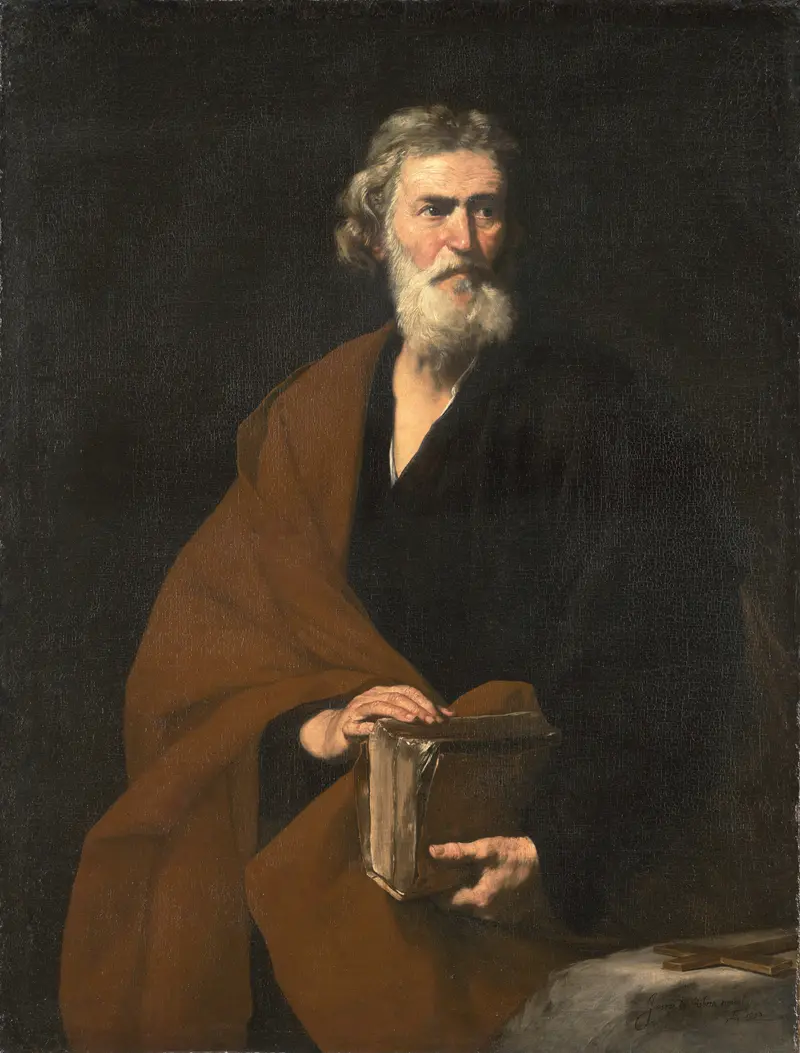
Saint Matthew
Jusepe de Ribera
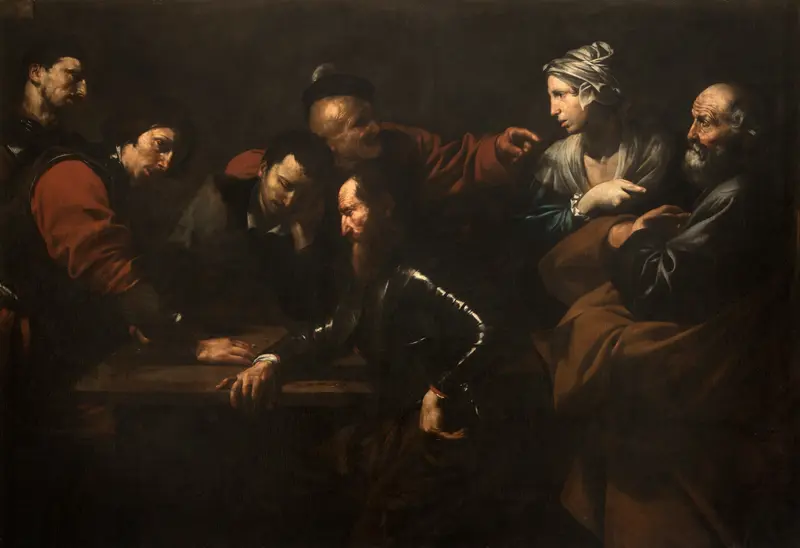
The Denial of Saint Peter
Jusepe de Ribera
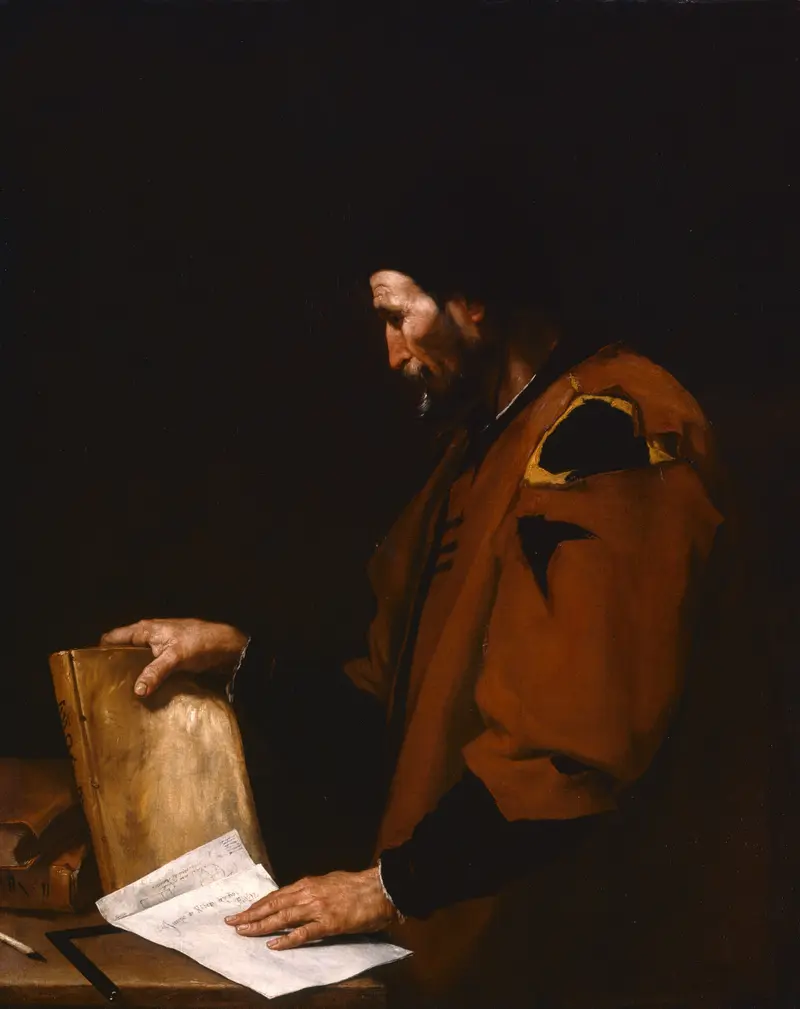
Aristotle
Jusepe de Ribera
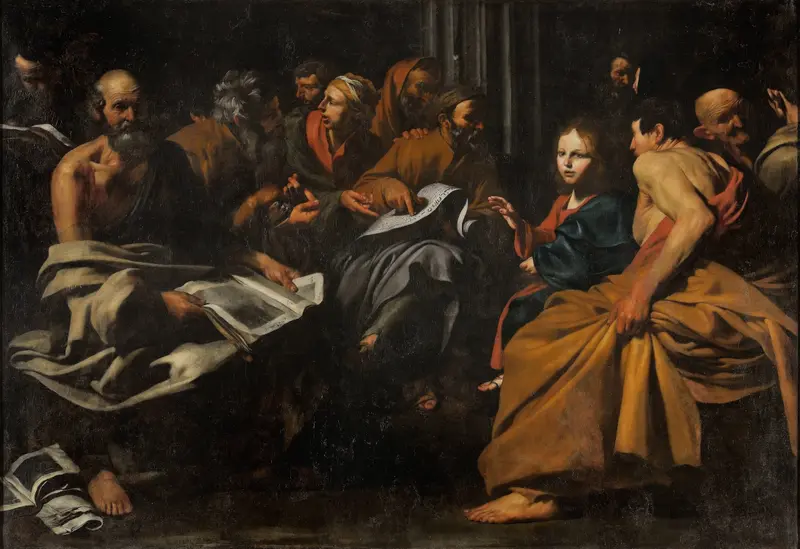
Christ among the doctors
Jusepe de Ribera





