
Singing Birds — History & Facts
A shaft of raw daylight slices through the gloom, catching on the battered limbs and ragged clothes of men who seem more at home with the shadows than the sun. The eye is drawn irresistibly to the outstretched arms and eager faces, all turned toward the small birds that flutter or perch in the makeshift cages and on the hands of their keepers. Every gesture here is a conversation: the man kneeling in the foreground, his arm extended in a gesture of coaxing or command; the central figure, half-reclined, his attention wholly captured by the delicate creature before him.
The disorder of broken planks and scattered vessels underfoot only heightens the sense of a world on the margins, where the birds’ song is both entertainment and escape. Alessandro Magnasco was known for his restless, flickering brushwork and his fascination with society’s outsiders—monks, beggars, prisoners, and here, a ragged gathering whose lives seem measured out in moments of fleeting beauty. In the uncertain light of this interior, the birds become more than pets: they are tokens of hope, or perhaps reminders of freedom just out of reach. Works like this, painted in the late Baroque era, often found their way into private collections, prized for their vivid storytelling and their ability to transform the humble and overlooked into scenes of drama and humanity.
The date and early history of Singing Birds remain unknown, but its survival in the collection sAEYku20G8kUKw is a testament to the enduring fascination with Magnasco’s vision—a world at once chaotic and strangely tender, inviting us to listen for the songs within the silence.
More Artworks by Alessandro Magnasco

The Synagogue
Alessandro Magnasco
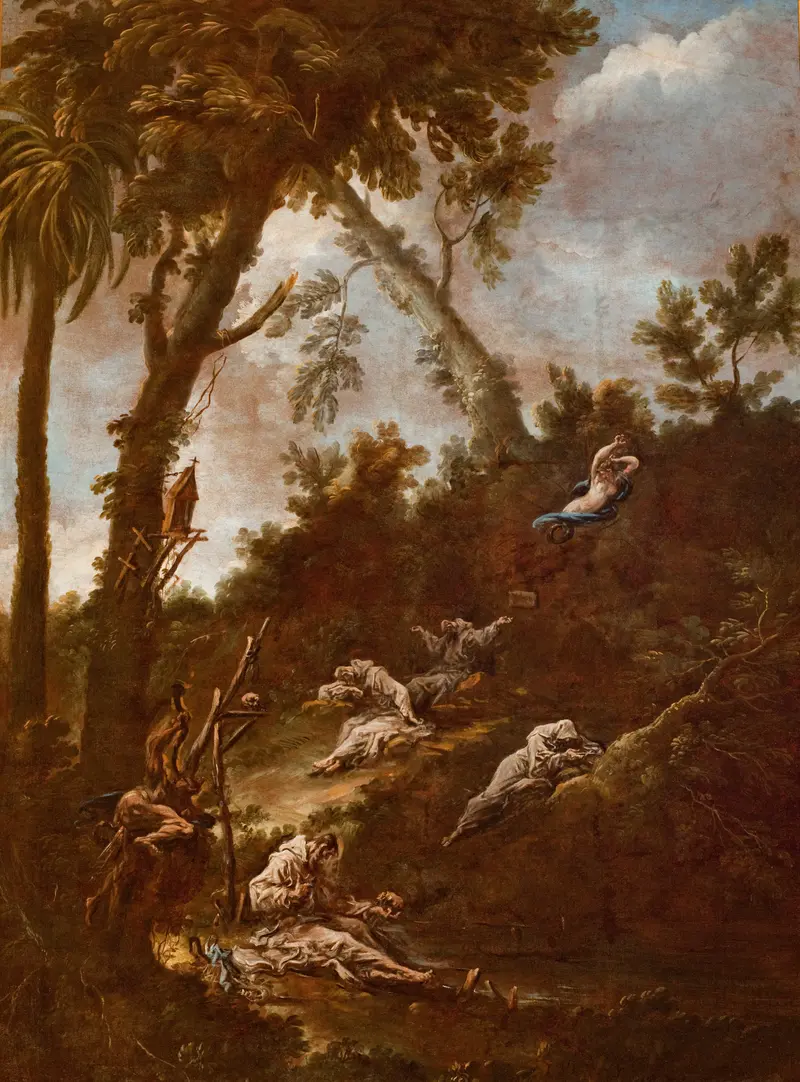
Hermits (Anachorets)
Alessandro Magnasco
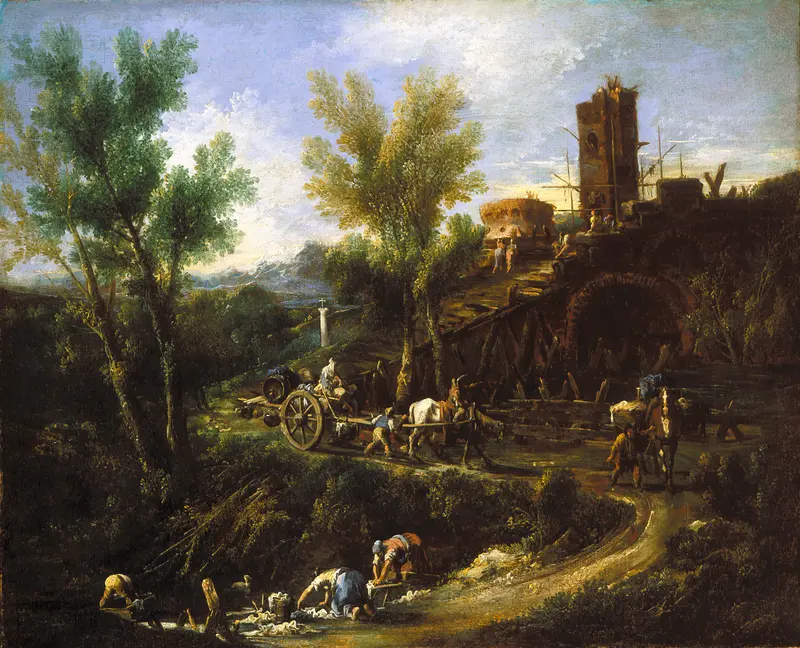
Landscape with Gypsies and Washerwomen
Alessandro Magnasco
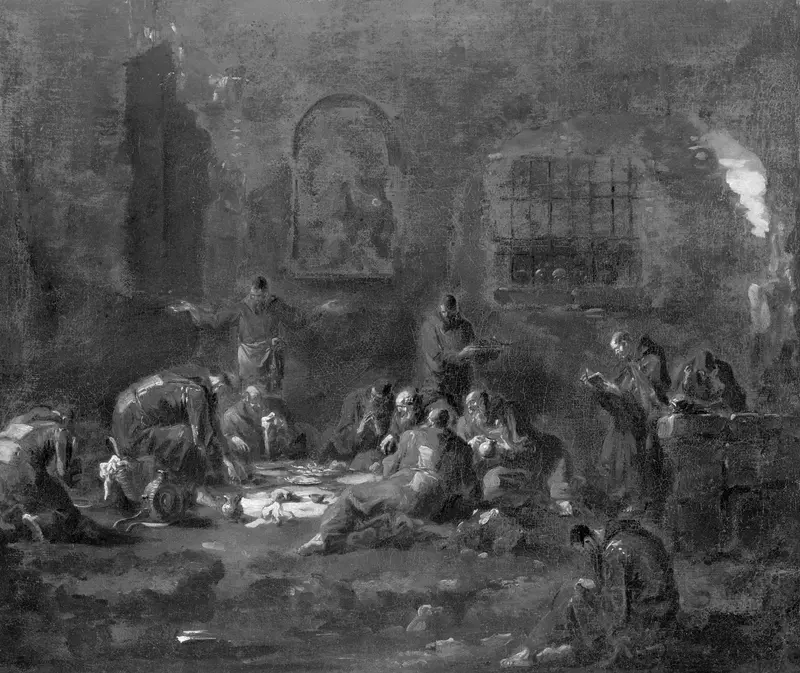
Monks at Supper
Alessandro Magnasco
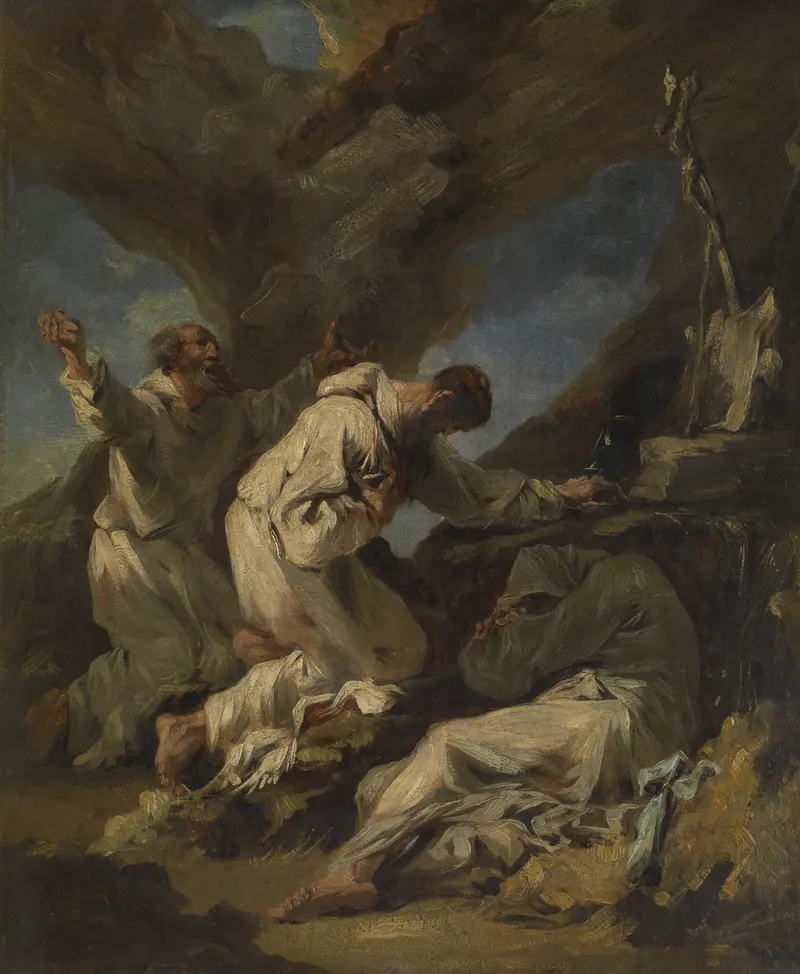
Praying Monks
Alessandro Magnasco
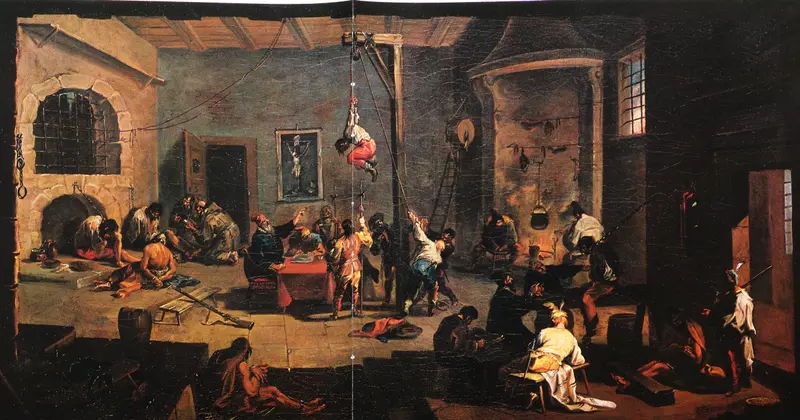
Torture Scene
Alessandro Magnasco
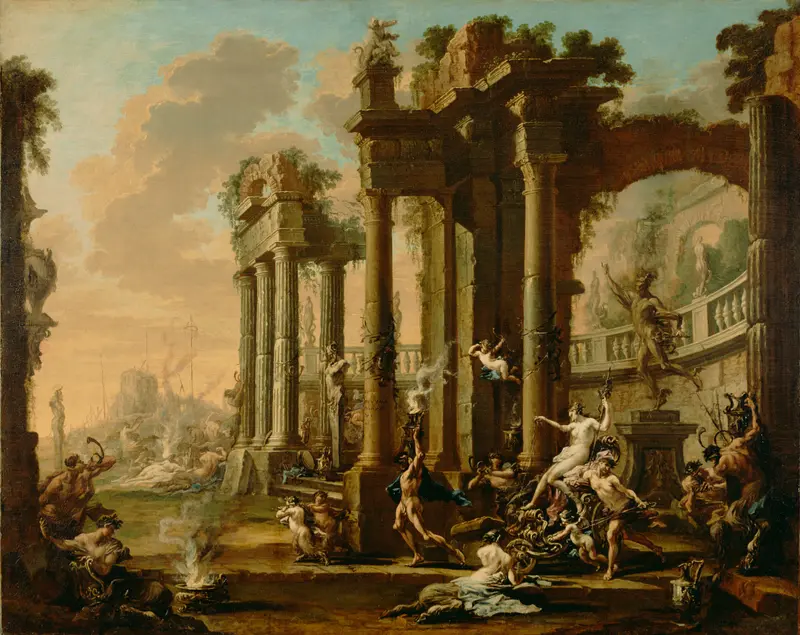
The Triumph of Venus
Alessandro Magnasco
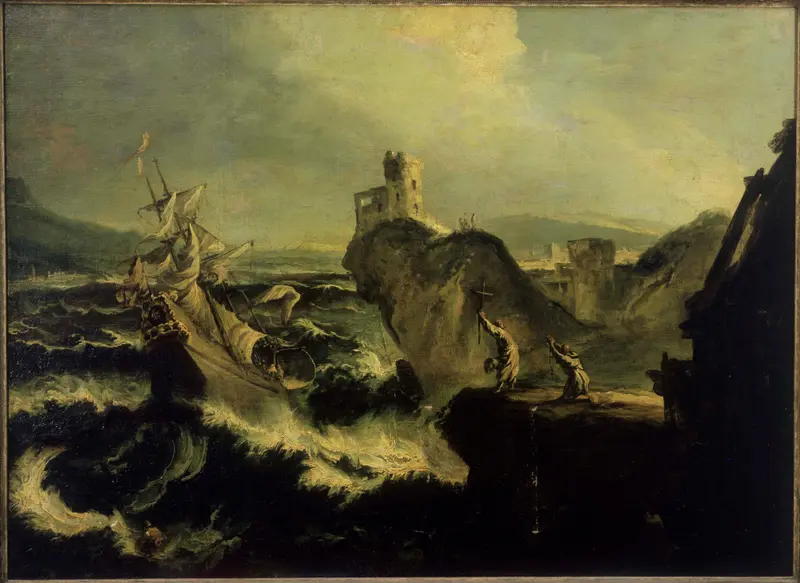
The Shipwreck
Alessandro Magnasco
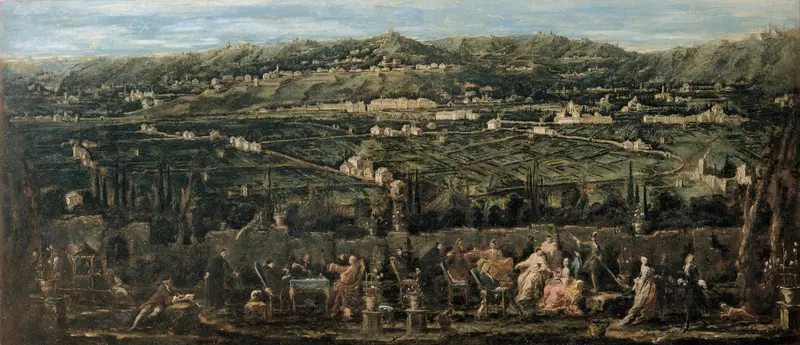
Garden Party in Albaro
Alessandro Magnasco
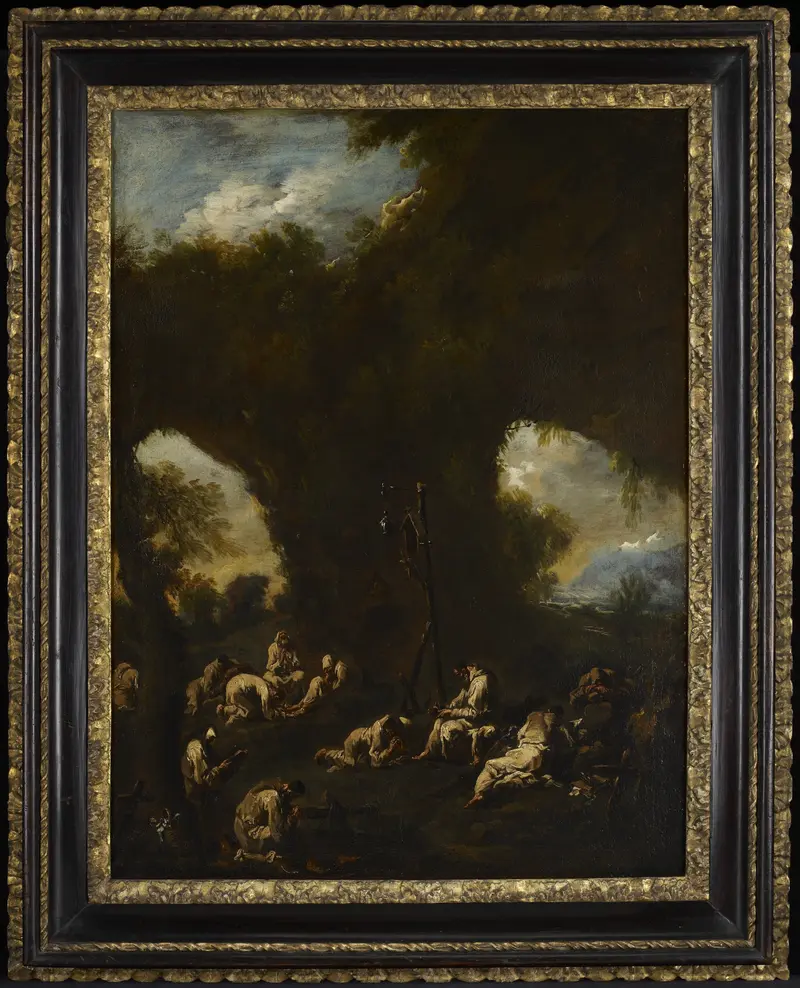
Monks Praying in a Grotto
Alessandro Magnasco
More Genre Scene Art

Banquet of the Officers of the St George Civic Guard
Frans Hals

Rembrandt and Saskia in the Scene of the Prodigal Son
Rembrandt van Rijn

Bal du moulin de la Galette
Pierre-Auguste Renoir

Quadrille at the Moulin Rouge
Henri de Toulouse-Lautrec

A Burial at Ornans
Gustave Courbet

When Will You Marry?
Paul Gauguin