
The Coronation of the Virgin — History & Facts
Few paintings of the Renaissance have inspired as much discussion about authorship and meaning as The Coronation of the Virgin by Filippino Lippi. Long attributed to both Filippino and his father, Fra Filippo Lippi, this work stands at the crossroads of two generations of Florentine painting, blurring the lines between their hands and styles. The painting’s uncertain date and commission have only deepened its allure, with scholars still debating whether it was intended for a private chapel or a public altar.
What is clear is that it represents a moment when religious art was undergoing profound transformation, as artists experimented with narrative, space, and emotion. At the heart of the scene, the Virgin Mary kneels in humility as Christ gently places a crown upon her head, surrounded by a radiant assembly of saints and angels. The painter chooses the climactic instant of coronation, capturing Mary’s awe and the solemnity of Christ’s gesture. The golden light that suffuses the heavens signals divine presence, while the richly colored robes and delicate halos distinguish each holy figure.
The inclusion of contemporary Florentine faces among the saints suggests a merging of the heavenly and earthly communities, a device also seen in Botticelli’s Coronation of the Virgin. The composition invites the viewer’s eye upward, echoing the spiritual ascent at the heart of the subject. The physical history of The Coronation of the Virgin is as enigmatic as its authorship. While the original patron remains unknown, the painting’s style and technique place it firmly within the late 15th-century Florentine tradition, a period when Filippino Lippi was emerging as a leading artist in his own right.
Over the centuries, the work has been admired for its elegance and complexity, though it has also been the subject of restoration and debate. Today, it stands as a testament to the fluid boundaries between workshop and individual genius in Renaissance art, and as a key example of how sacred stories were reimagined for new audiences.
More Artworks by Filippino Lippi

Portrait of a Youth
Filippino Lippi
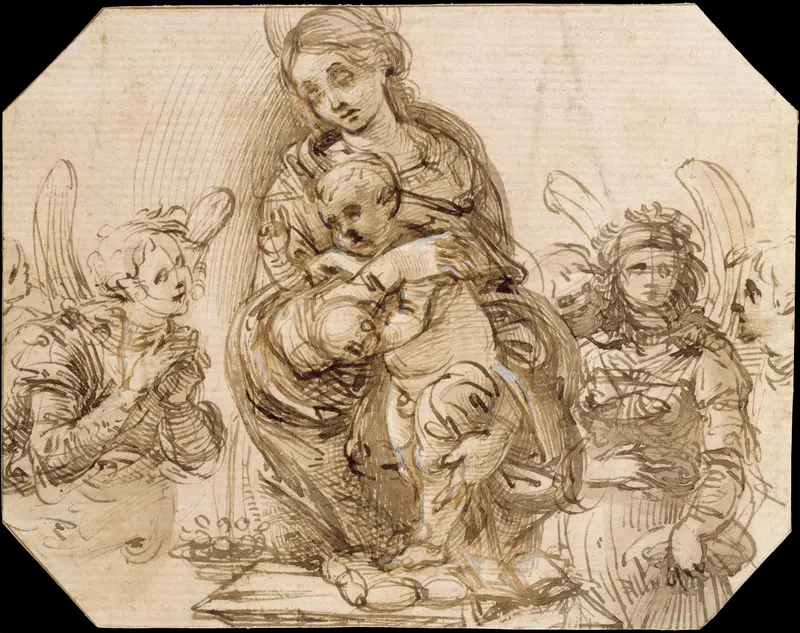
Virgin and Child Attended by Angels
Filippino Lippi

Christ on the Cross
Filippino Lippi
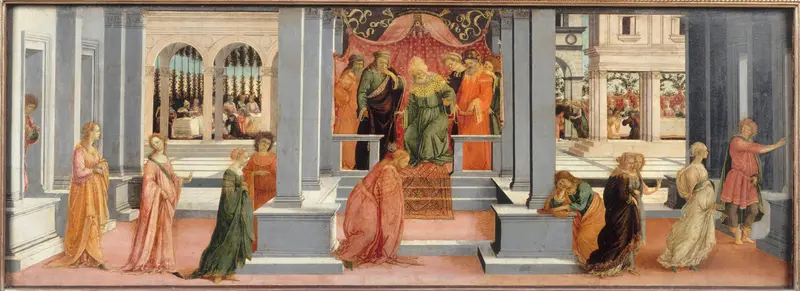
Esther choisie par Assuérus
Filippino Lippi
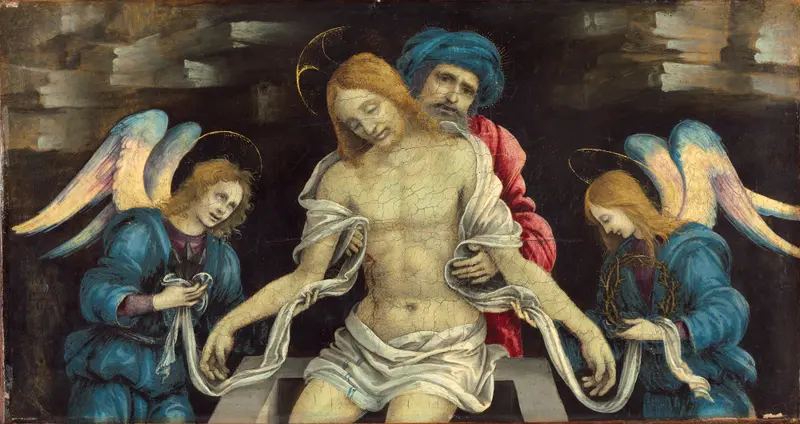
Pietà (The Dead Christ Mourned by Nicodemus and Two Angels)
Filippino Lippi
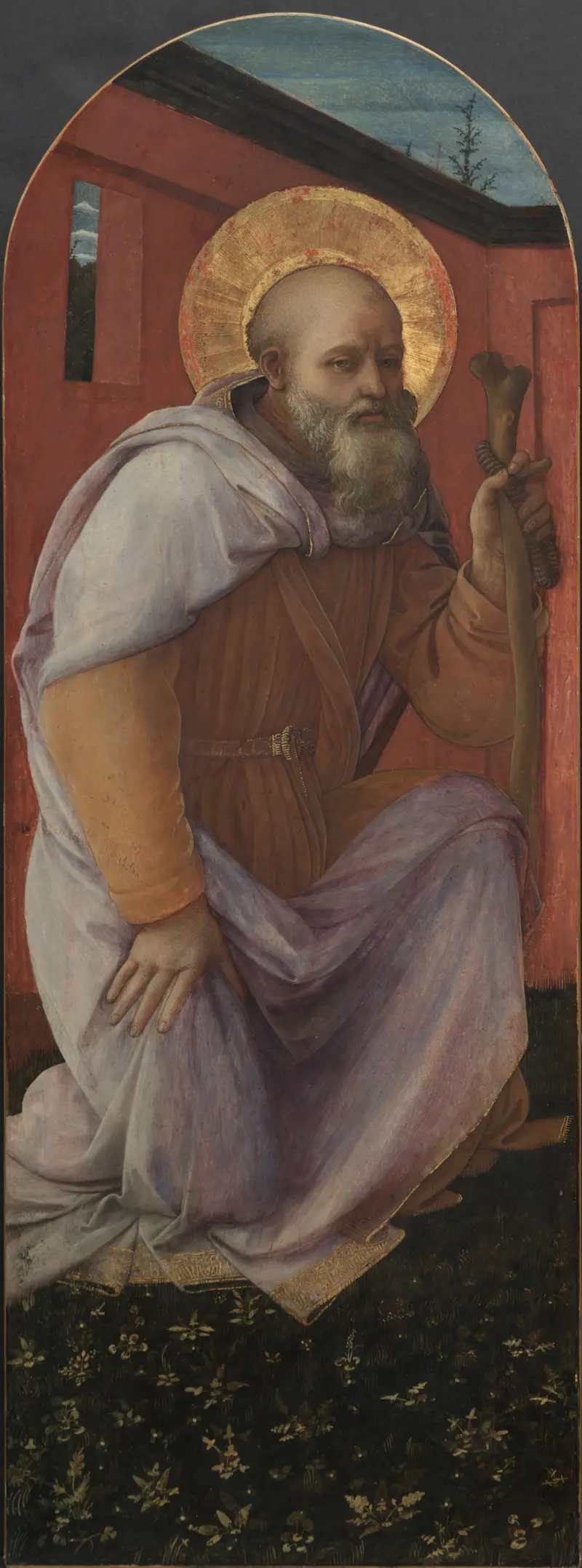
St. Anthony Abbot
Filippino Lippi
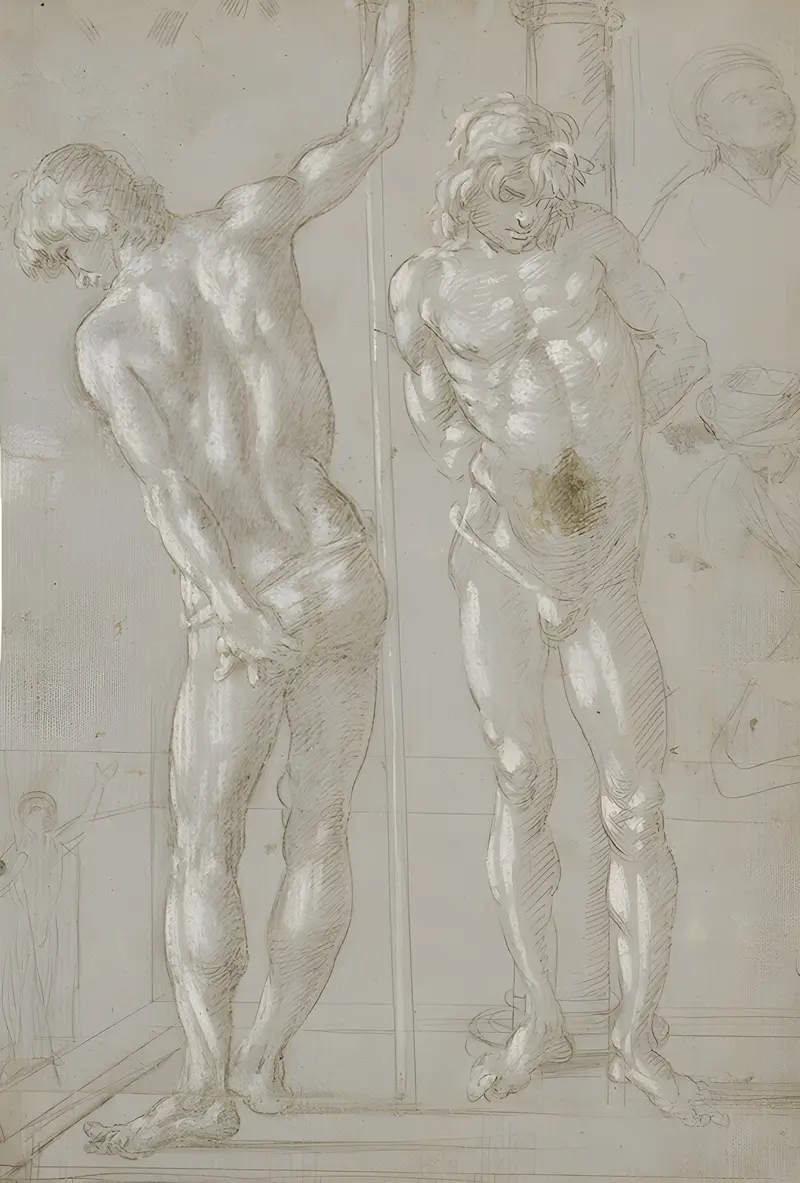
Studies of Christ at the Column, a Nude from Behind, and Various Figures
Filippino Lippi
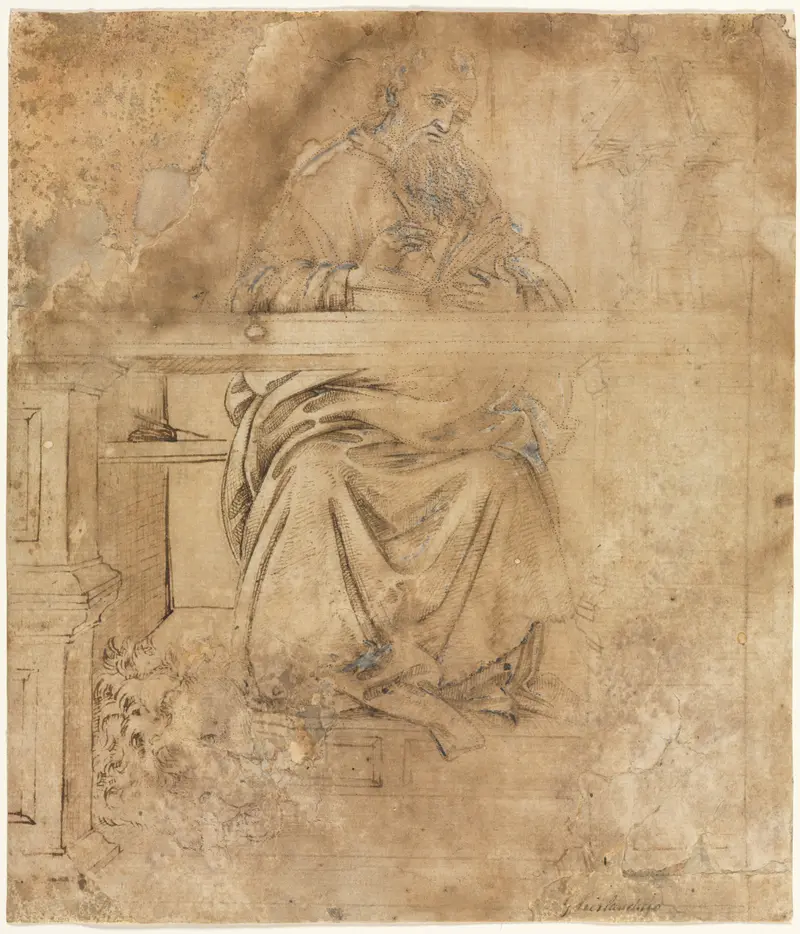
St. Jerome in His Study
Filippino Lippi
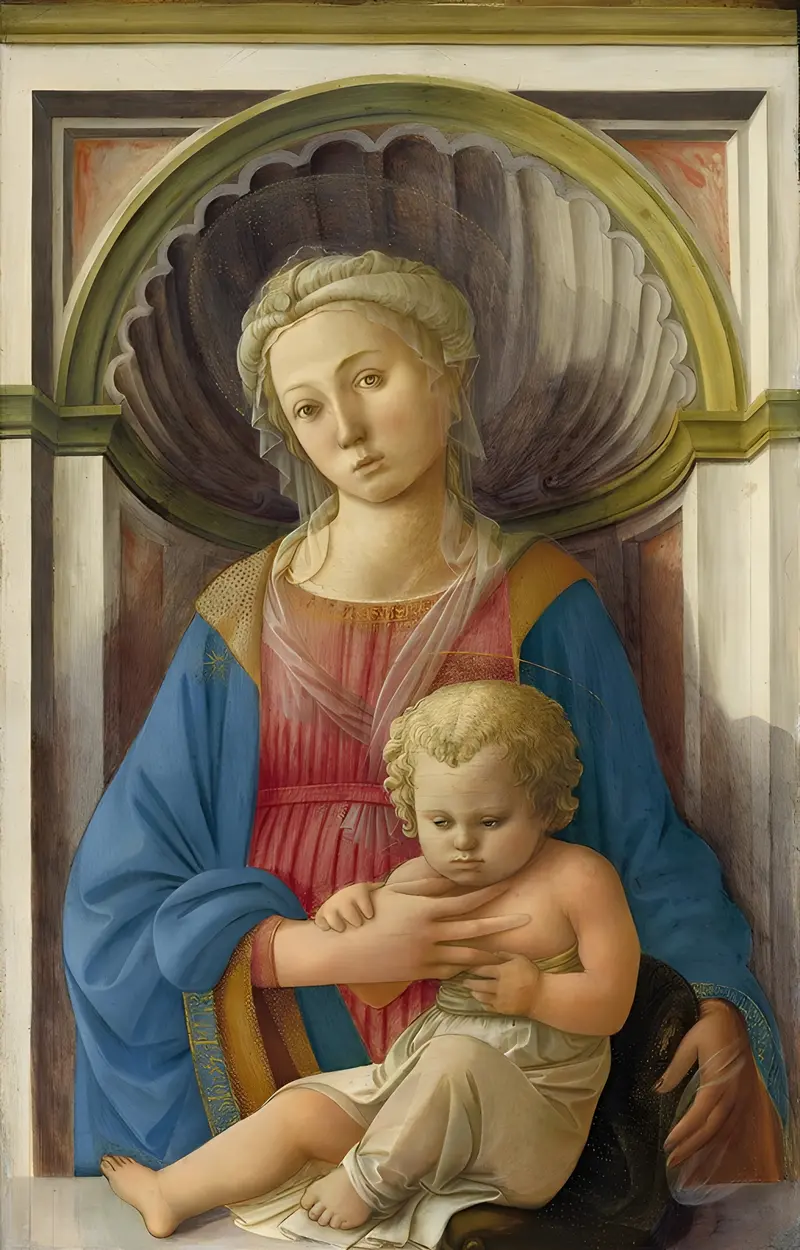
Madonna and Child
Filippino Lippi
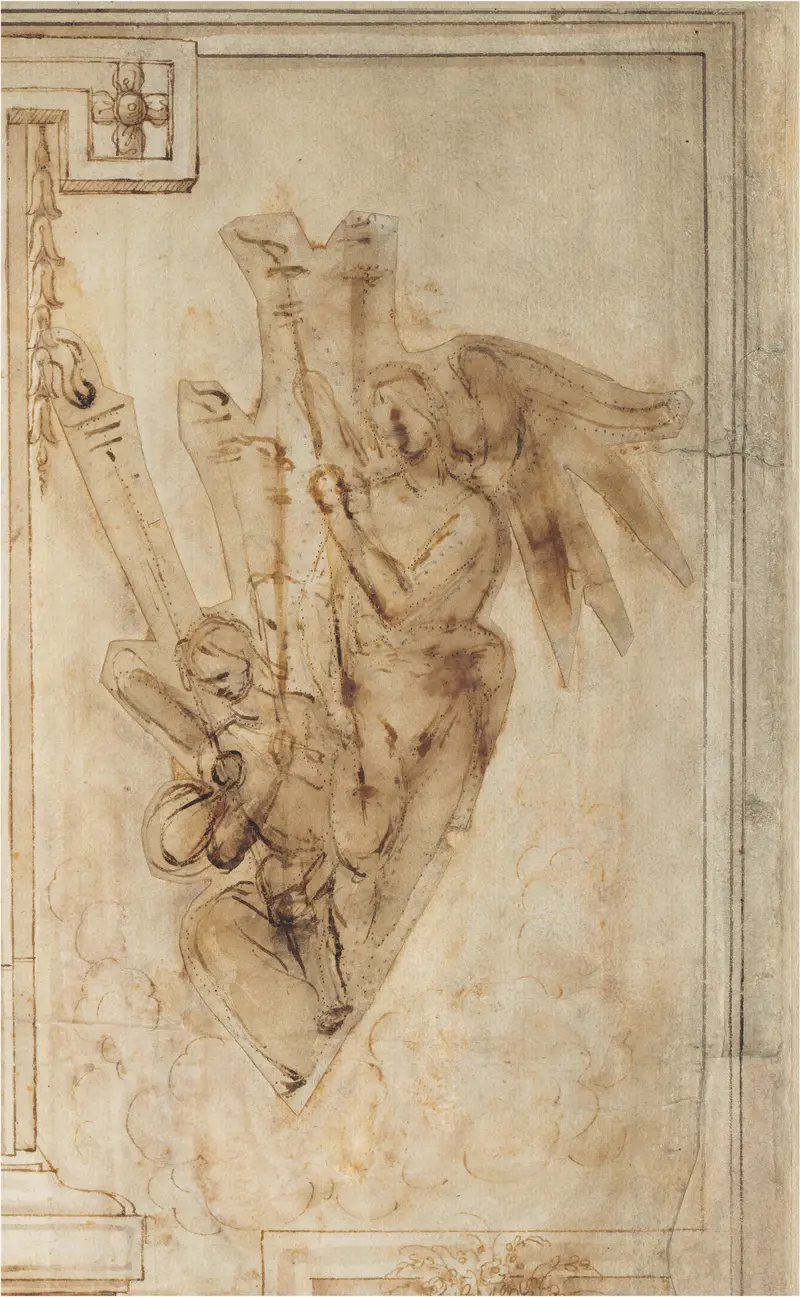
Two Angels Carrying Torches
Filippino Lippi





