
Study for ‘Our Lady of Seven Sorrows’ — History & Facts
No one knows for certain when Gustave Van de Woestijne first conceived his Study for ‘Our Lady of Seven Sorrows’, but what is most striking is how this preparatory work reveals the artist’s deep fascination with Marian devotion, a theme that would preoccupy him throughout his career. Unlike many of his contemporaries, Van de Woestijne approached religious subjects not with grand spectacle, but with an intense introspection and psychological depth. This study, whose medium and final date remain unrecorded, stands as a rare glimpse into his creative process—an unfinished meditation rather than a completed icon. The moment Van de Woestijne selects is one of silent grief: the Virgin Mary, her face drawn and eyes cast downward, absorbs the weight of her seven sorrows—each a wound of the heart, from Simeon’s prophecy to the burial of her son.
The composition is stripped of distraction: a simple veil frames her face, and her hands, pressed together, suggest both prayer and resignation. Unlike the gilded sorrow of Our Lady of Sorrows by El Greco, Van de Woestijne’s Mary is earthbound, her suffering rendered in quiet lines and muted tones. The absence of elaborate iconography focuses the viewer on the psychological reality of loss, inviting empathy rather than awe. Little is known about the journey of this study after its creation.
It may have served as a stepping stone for a larger altarpiece, or perhaps remained in the artist’s studio, a private meditation on suffering and faith. Gustave Van de Woestijne was a central figure in the Symbolist movement in Belgium, and works like this demonstrate his unique blend of spiritual intensity and modern introspection. Today, the study survives as a testament to his search for meaning in the familiar stories of Christian art, and as a window into the quiet, searching mind behind his more finished religious compositions.
More Artworks by Gustave Van de Woestijne
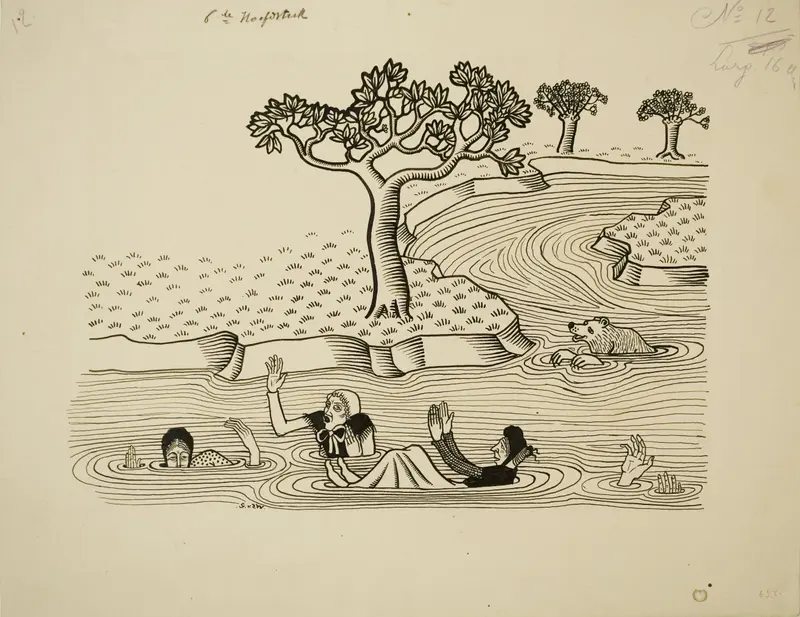
How Brown went out with Reynard where he thought he was eating honey and how he was caught by head and feet and suffered further misfortune
Gustave Van de Woestijne
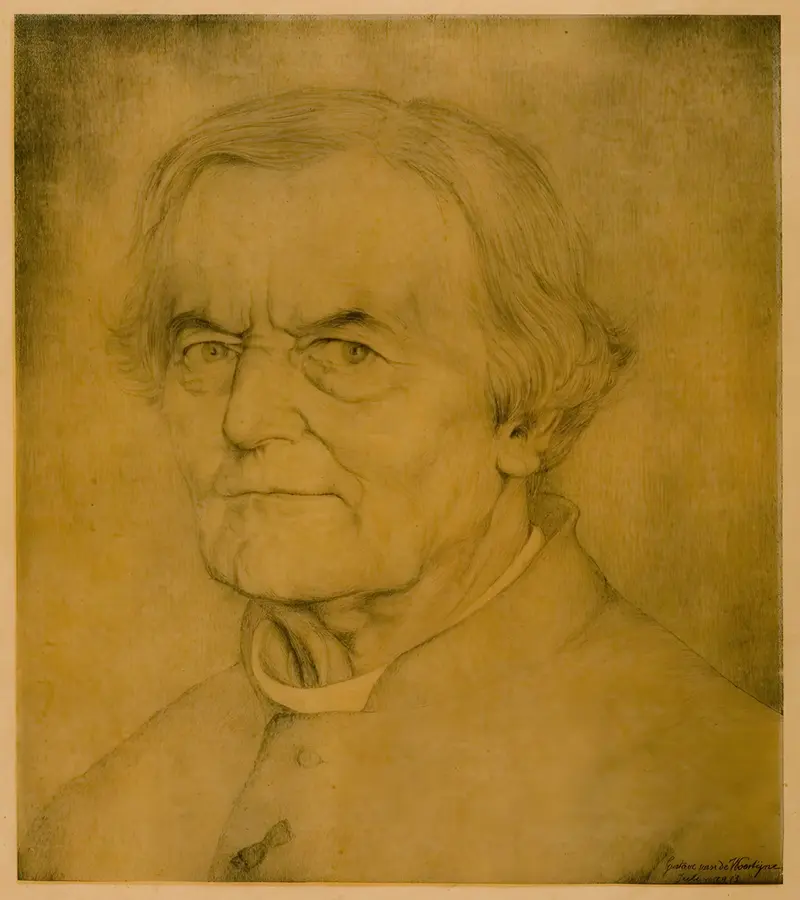
Portrait of Hugo Verriest
Gustave Van de Woestijne
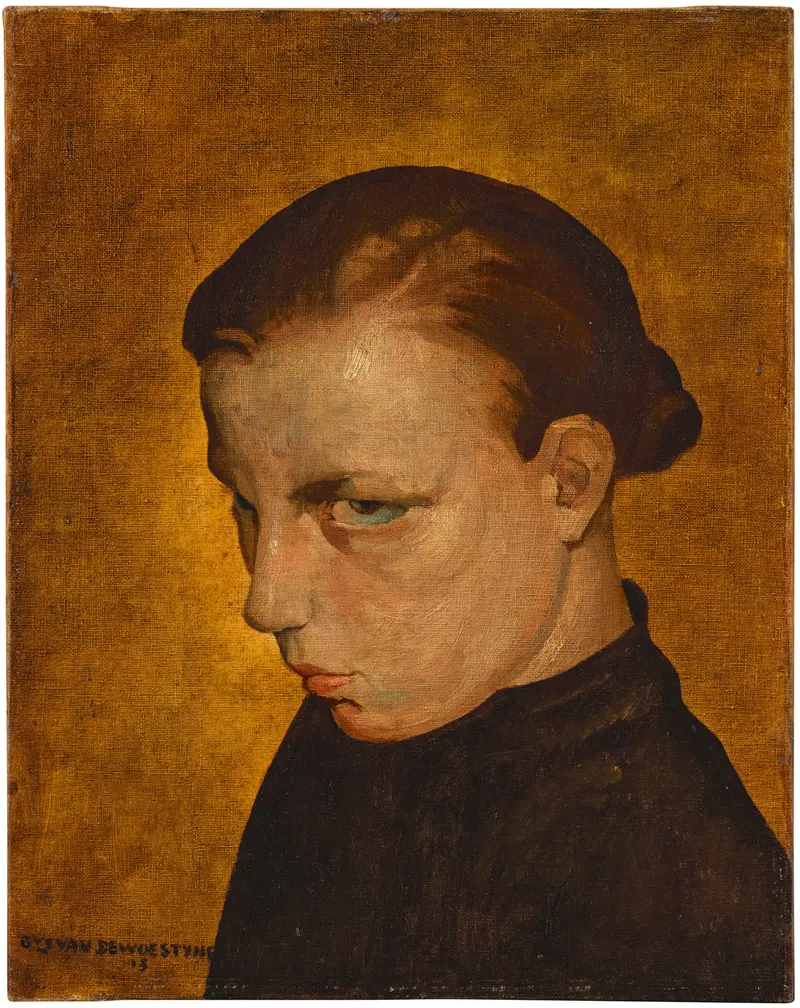
Angèle
Gustave Van de Woestijne
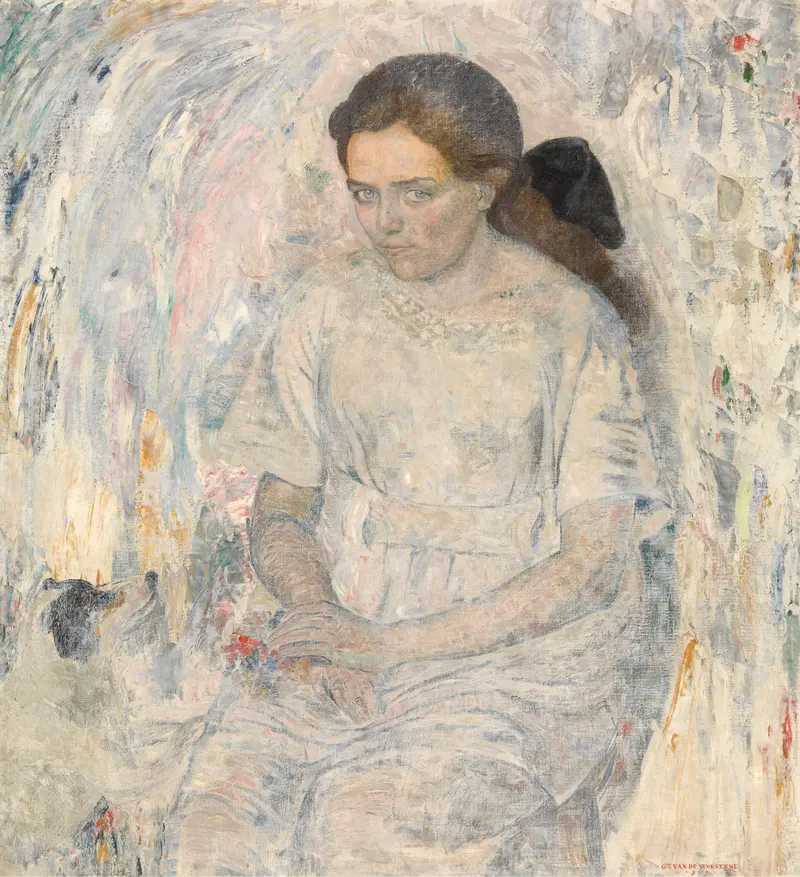
Adrienne
Gustave Van de Woestijne
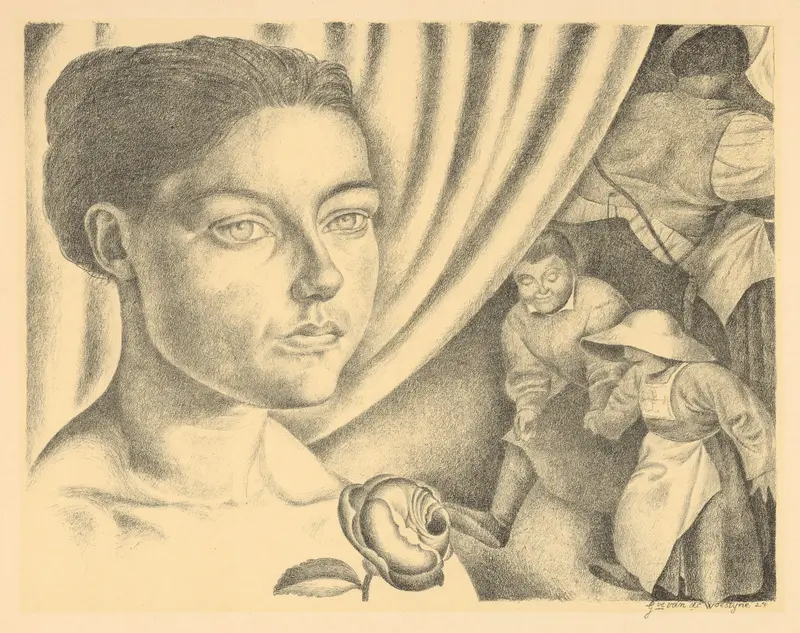
Jeune Femme
Gustave Van de Woestijne
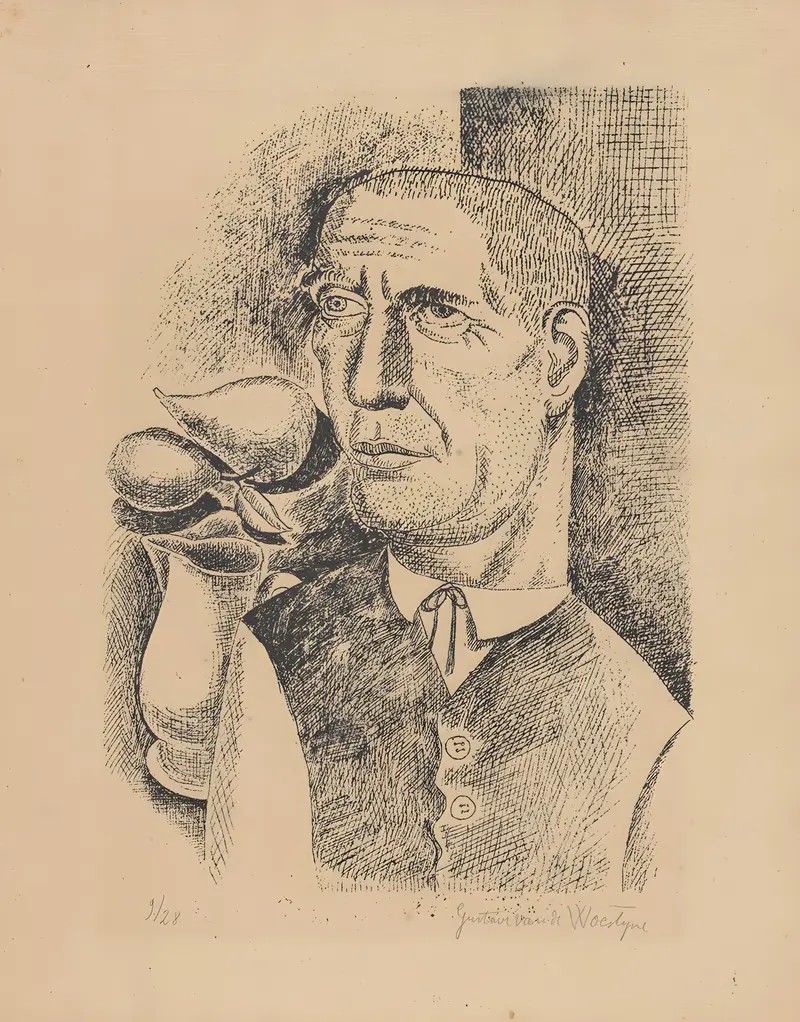
Boer op zijn zondags (Paysan endimanché)
Gustave Van de Woestijne
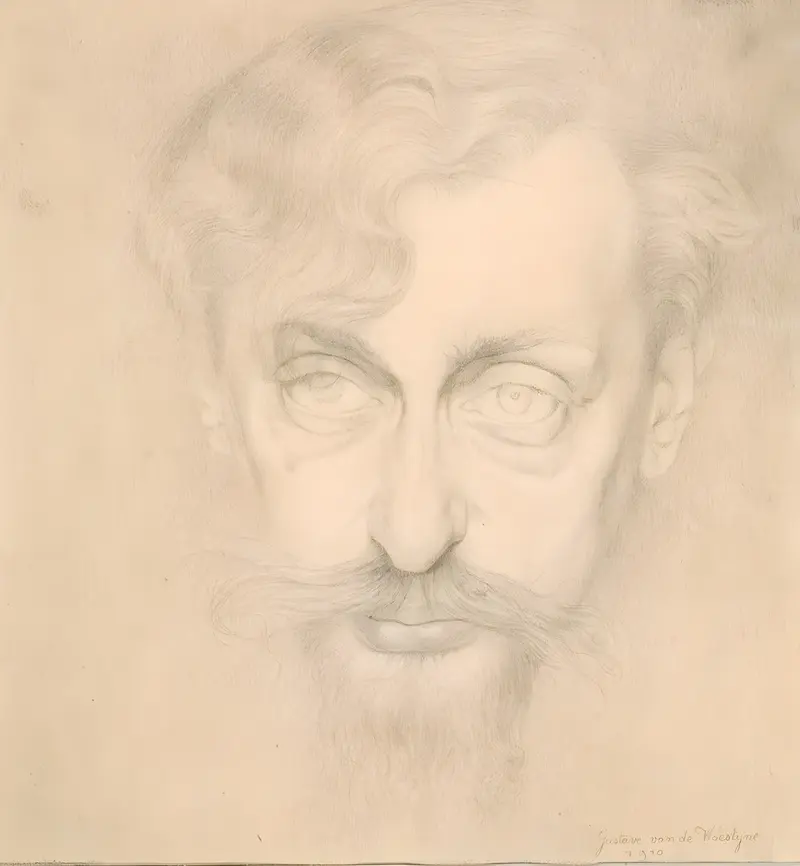
Portrait of the Writer Karel van de Woestijne
Gustave Van de Woestijne
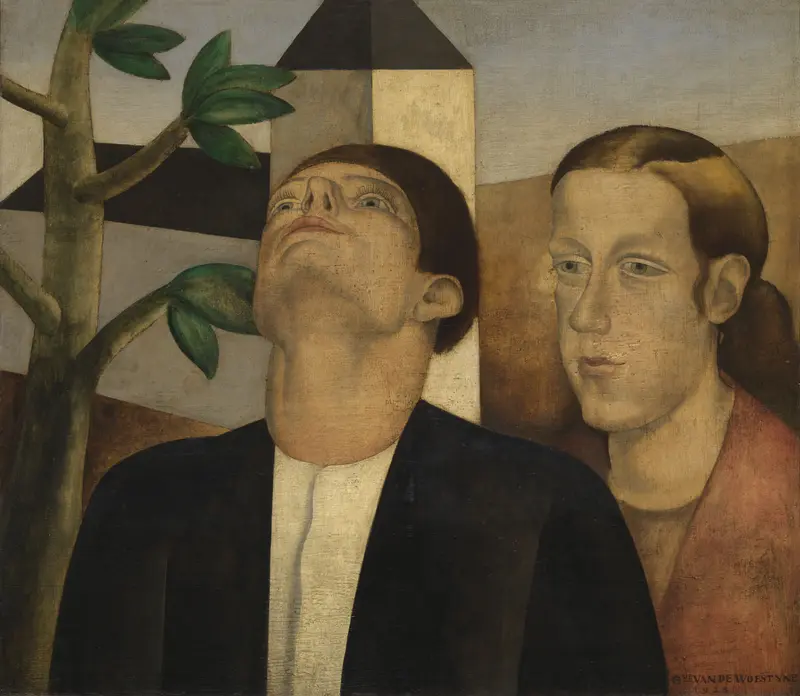
Azure
Gustave Van de Woestijne
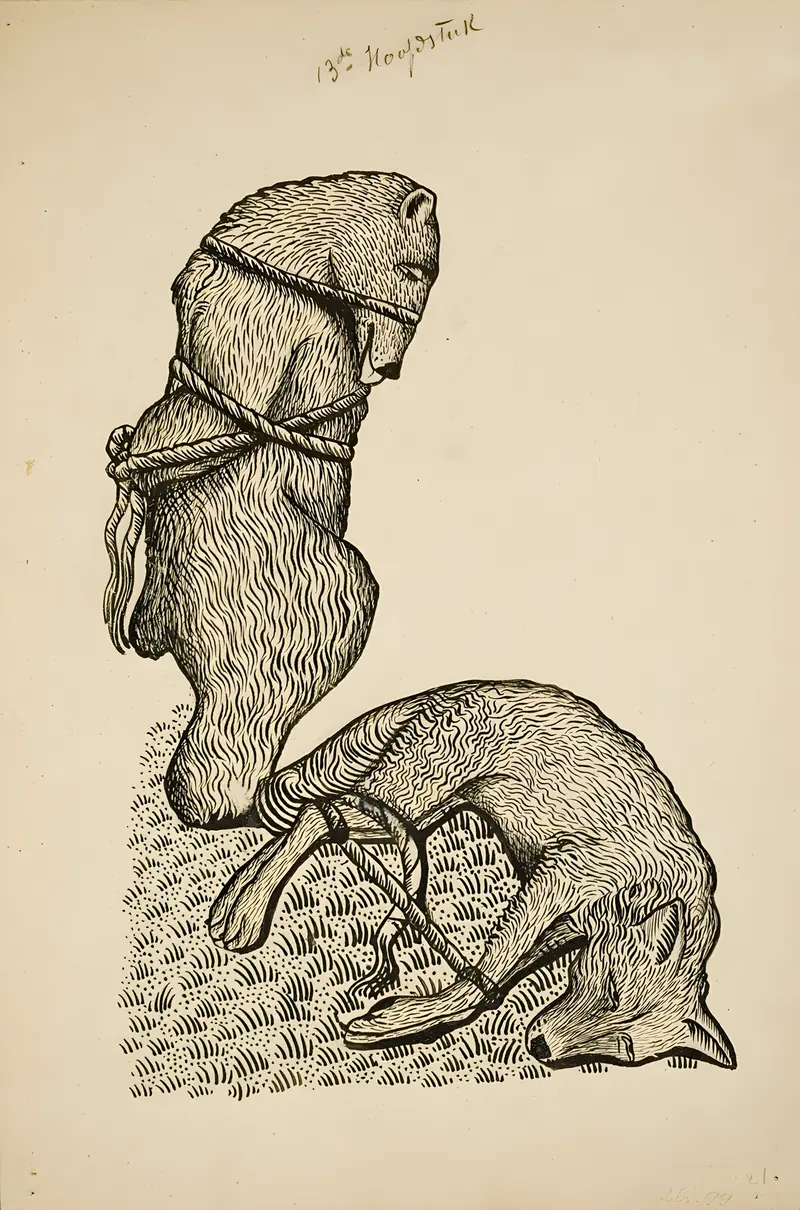
How Reinaert devises a new trick to get free and exterminate his enemies
Gustave Van de Woestijne
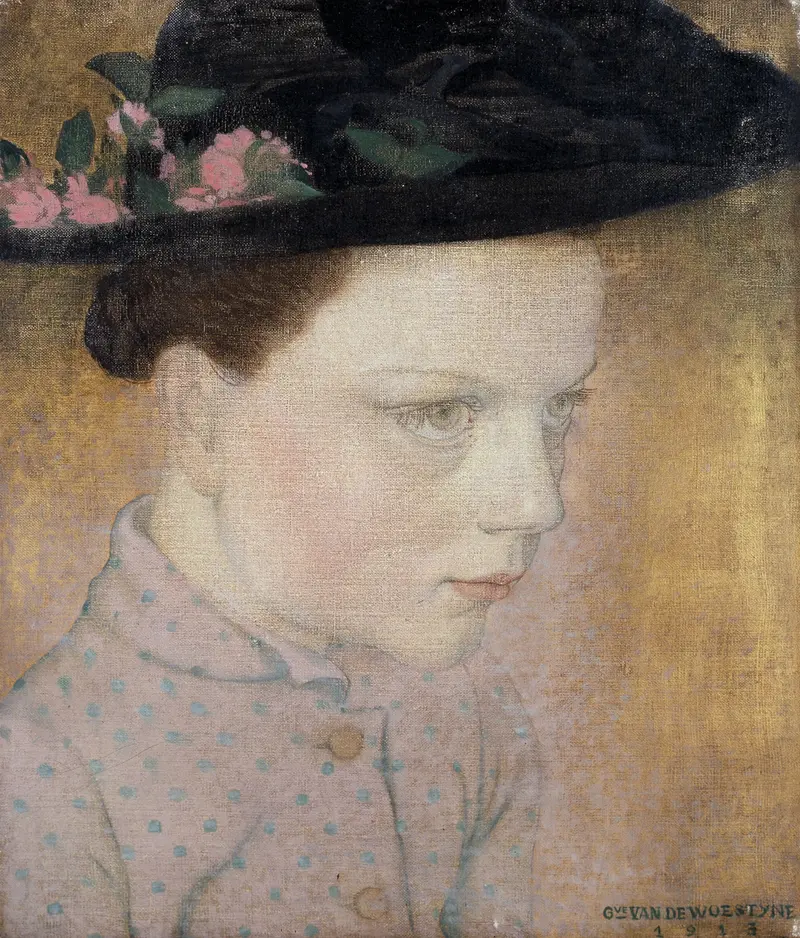
Country Girl
Gustave Van de Woestijne





