
Tavern Scene — History & Facts
The eye is drawn first to the drama unfolding in the dimly lit corner: a young woman, her face turned away, is pressed close by a man whose expression hovers between laughter and something more insistent. The spilled tankard at their feet hints at the chaos of the scene, while the light that falls on their figures isolates them from the smoky throng in the background. In the shadows, a group of men huddle around a table, their gestures animated, their faces flushed, each absorbed in his own revelry.
Brouwer’s brushwork is loose but precise where it matters—catching the glint of a jug, the sag of a hat, the sly glance of a figure peering through a window in the wall. The palette is earthy and subdued, setting a mood of raucous intimacy, while the clutter of wood and crockery in the foreground roots the scene in the everyday. This is the world of the seventeenth-century Flemish tavern, a favorite haunt of Adriaen Brouwer and his contemporaries. In an age when such genre scenes were collected by prosperous burghers and displayed in private homes, paintings like this offered both a warning and a thrill—a glimpse into pleasures and vices that polite society might wish to keep at arm’s length.
Created around 1635 and now housed in the National Gallery, London, Tavern Scene stands as a testament to Brouwer’s gift for capturing the raw, unvarnished life of the lower classes. Little is recorded about the journey of this particular work, but its energy and candor continue to invite viewers to step into the smoky, crowded room and linger among its unruly company.
More Artworks by Adriaen Brouwer

The Smokers
Adriaen Brouwer
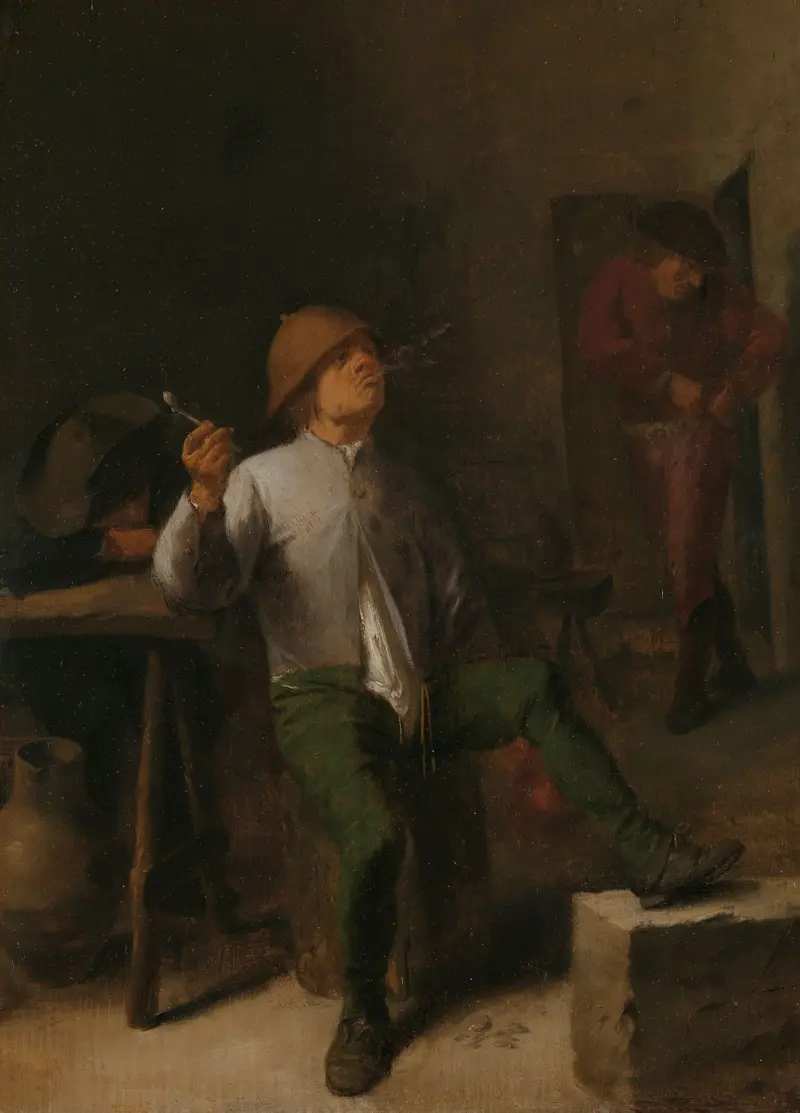
The Smoker
Adriaen Brouwer
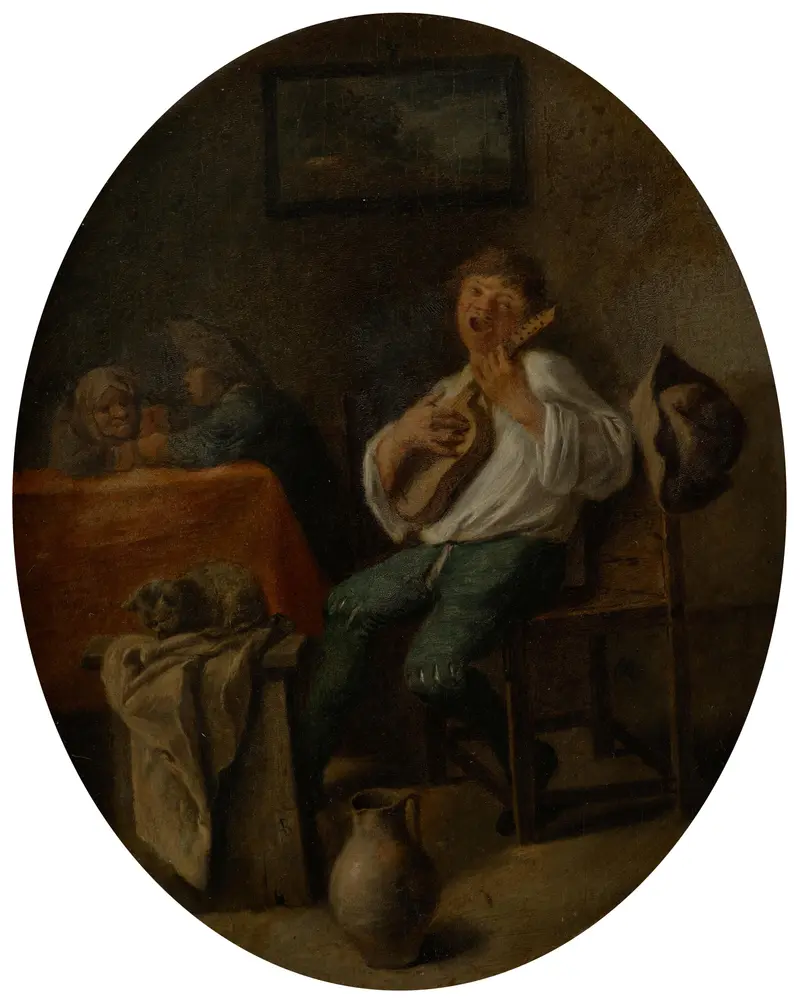
The Guitar Player
Adriaen Brouwer
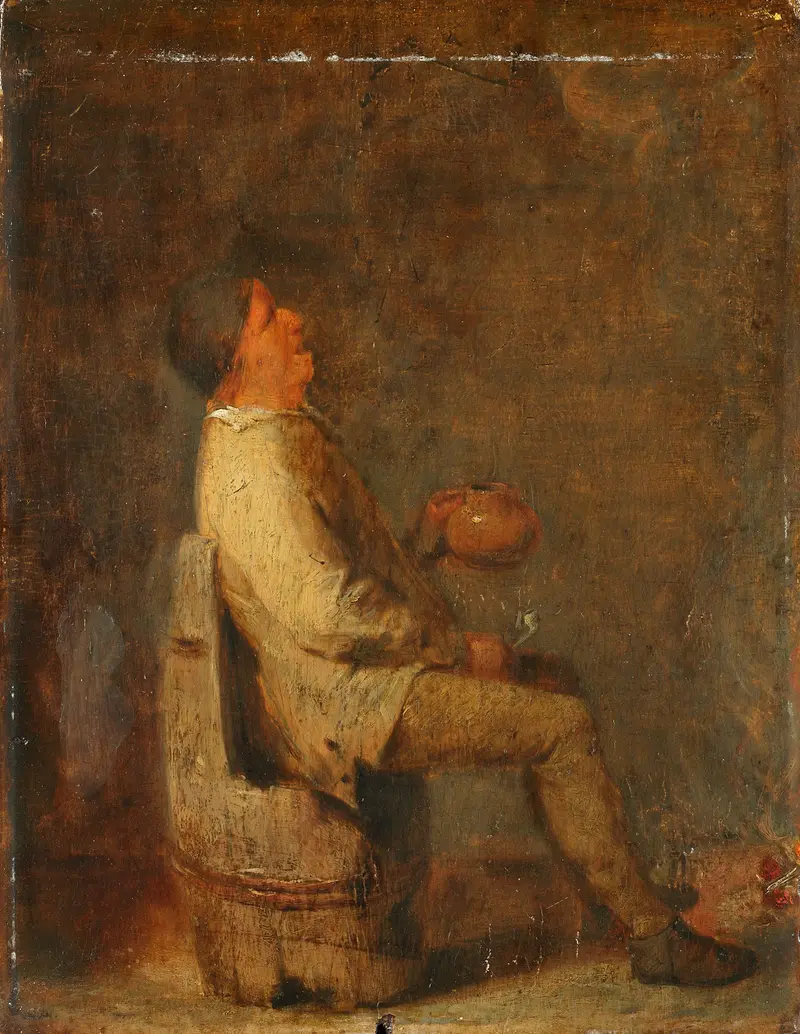
A Peasant Singing
Adriaen Brouwer
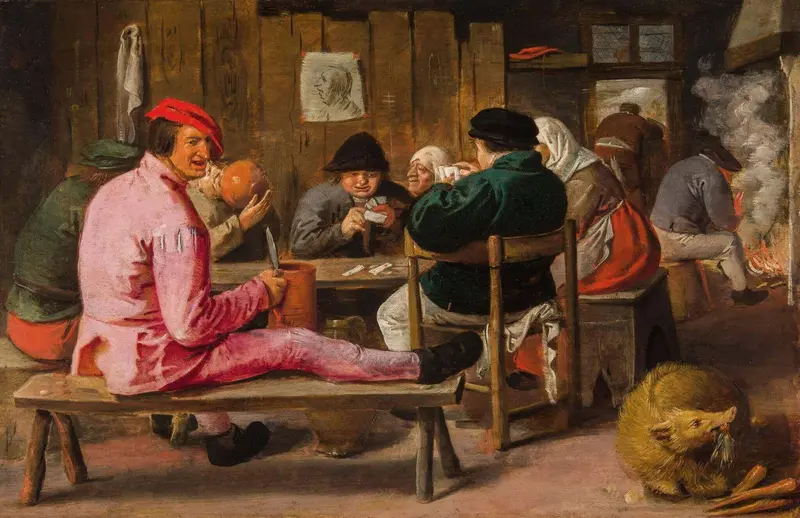
Merry Peasants in an Inn
Adriaen Brouwer
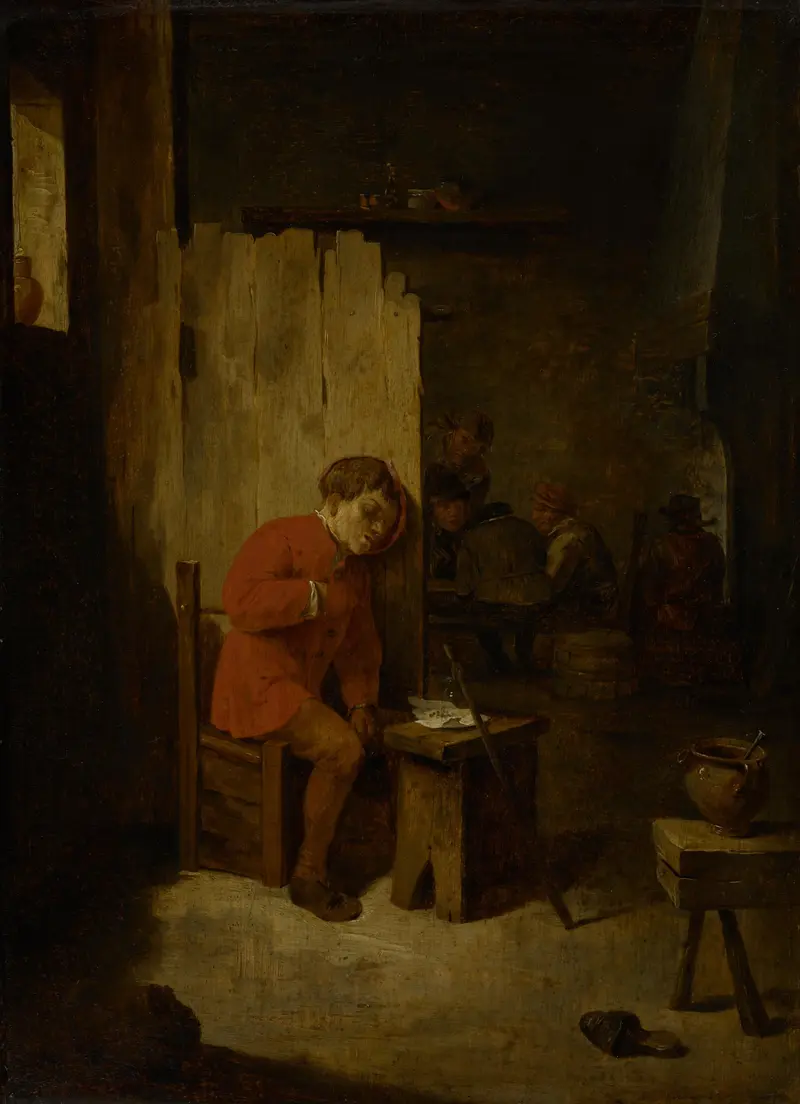
Nachahmer, Schlafender Bauer 853G Gemäldegalerie
Adriaen Brouwer
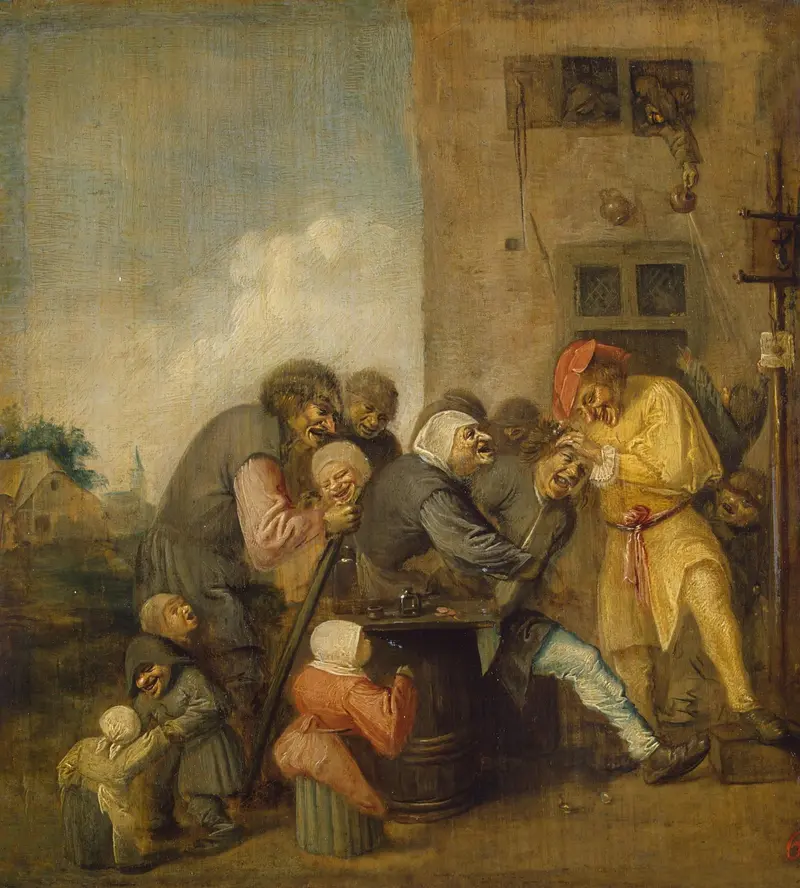
Village Charlatan (The Operation for Stone in the Head)
Adriaen Brouwer
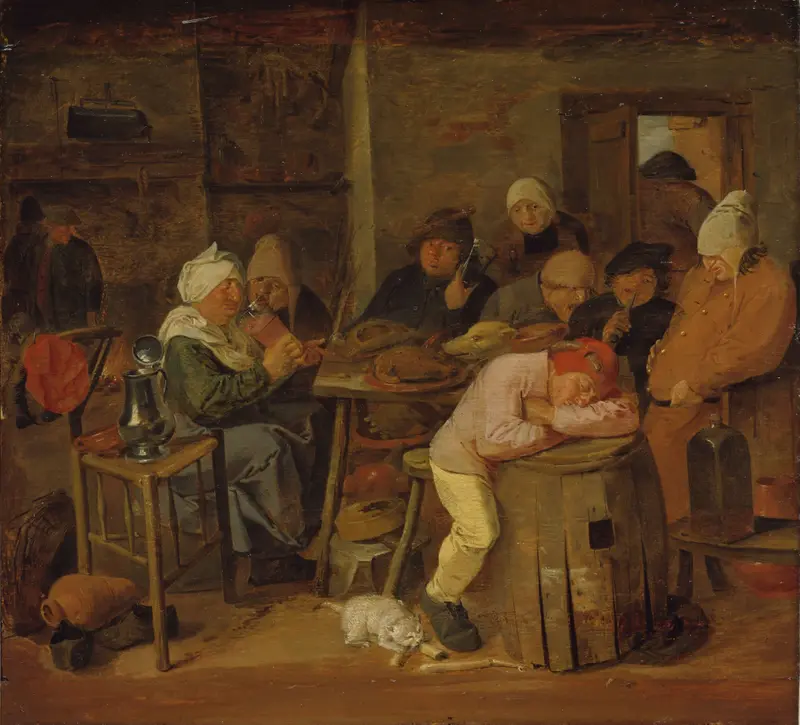
Peasants in an interior (The slaughter feast)
Adriaen Brouwer
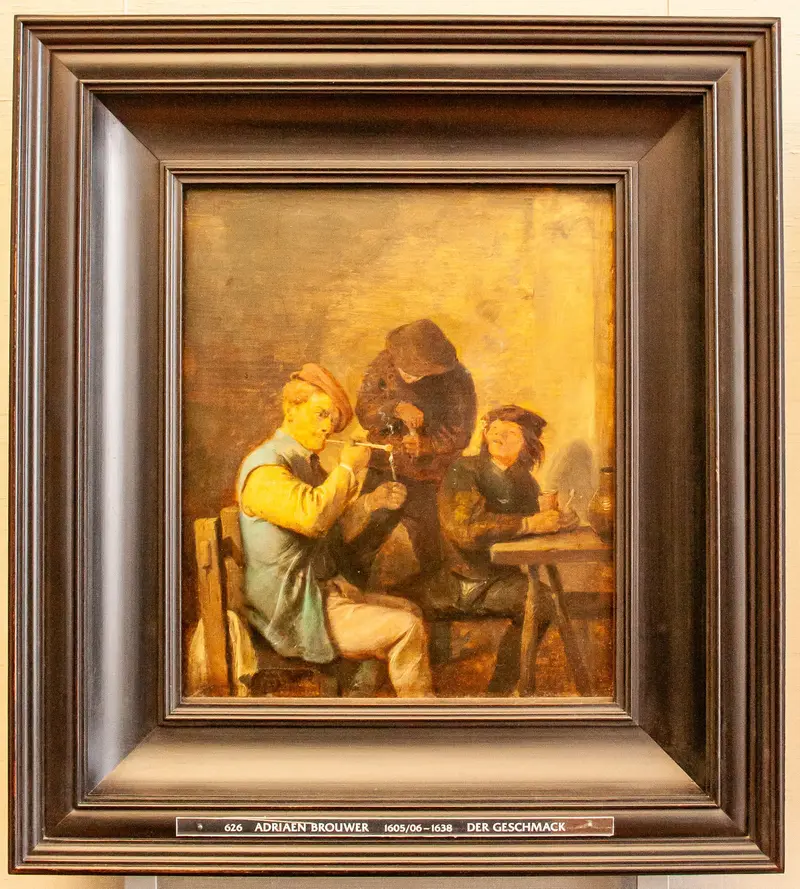
The Taste
Adriaen Brouwer
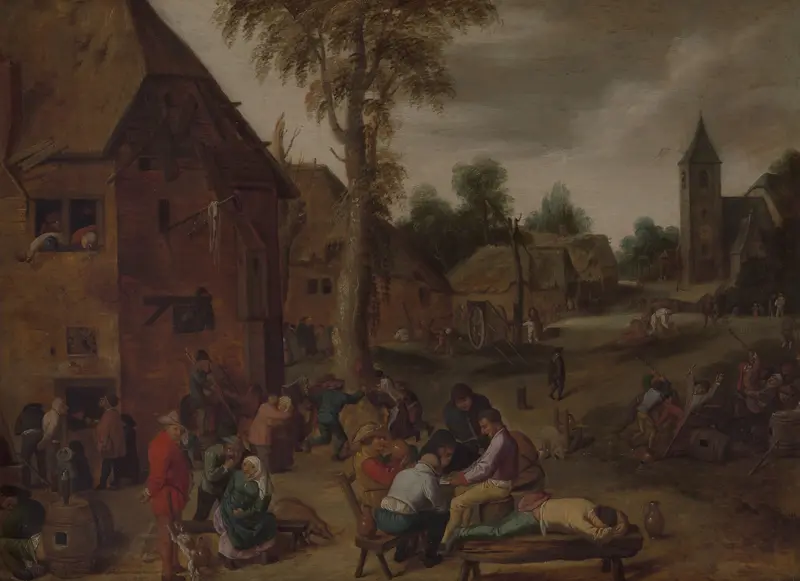
A Fair
Adriaen Brouwer
More Genre Scene Art

Banquet of the Officers of the St George Civic Guard
Frans Hals

Rembrandt and Saskia in the Scene of the Prodigal Son
Rembrandt van Rijn

Bal du moulin de la Galette
Pierre-Auguste Renoir

Quadrille at the Moulin Rouge
Henri de Toulouse-Lautrec

A Burial at Ornans
Gustave Courbet

When Will You Marry?
Paul Gauguin