
The Awakening of Adonis — History & Facts
A hush falls over the garden, not from silence, but from the charged stillness of a moment that feels almost overheard. The figures in The Awakening of Adonis by John William Waterhouse are caught between sleep and waking, between myth and the lush immediacy of flesh and flower. The painter leads the eye first to the entwined faces at the center, where a woman bends over a reclining youth, her lips poised at his, her hand cradling his head as if coaxing him back from the edge of dreams.
Around them, putti gather flowers and watch with grave attention, their presence both playful and ceremonial. The palette is dense with greens and pinks, the garden thick and shadowed, yet the skin of the figures catches the light, making the scene pulse with life and longing. Every gesture is a thread in a tapestry of awakening: the woman's urgent lean, the child's careful offering of roses, the distant doves caught in flight. This painting belongs to the world of late nineteenth-century British art, when mythological subjects were a favored ground for exploring human emotion and beauty.
Waterhouse, a leading figure of the later Pre-Raphaelite movement, was known for his ability to weave classical stories into lush, psychologically charged scenes. Painted between 1899 and 1900, and shown at the Royal Academy's summer exhibition of 1900, this work was recognized as one of the artist's most powerful treatments of myth—praised for its dramatic ambition and its focus on the "passionate emotions of an historic tragedy." Though history has not preserved every detail of its journey, the painting's presence in the collection of Lord Lloyd-Webber and its exhibition history root it firmly in the tradition of grand narrative canvases made for public admiration. Let your gaze linger on the interplay of hands, faces, and flowers, and consider how the painting draws its myth into the present tense of vision.
More Artworks by John William Waterhouse
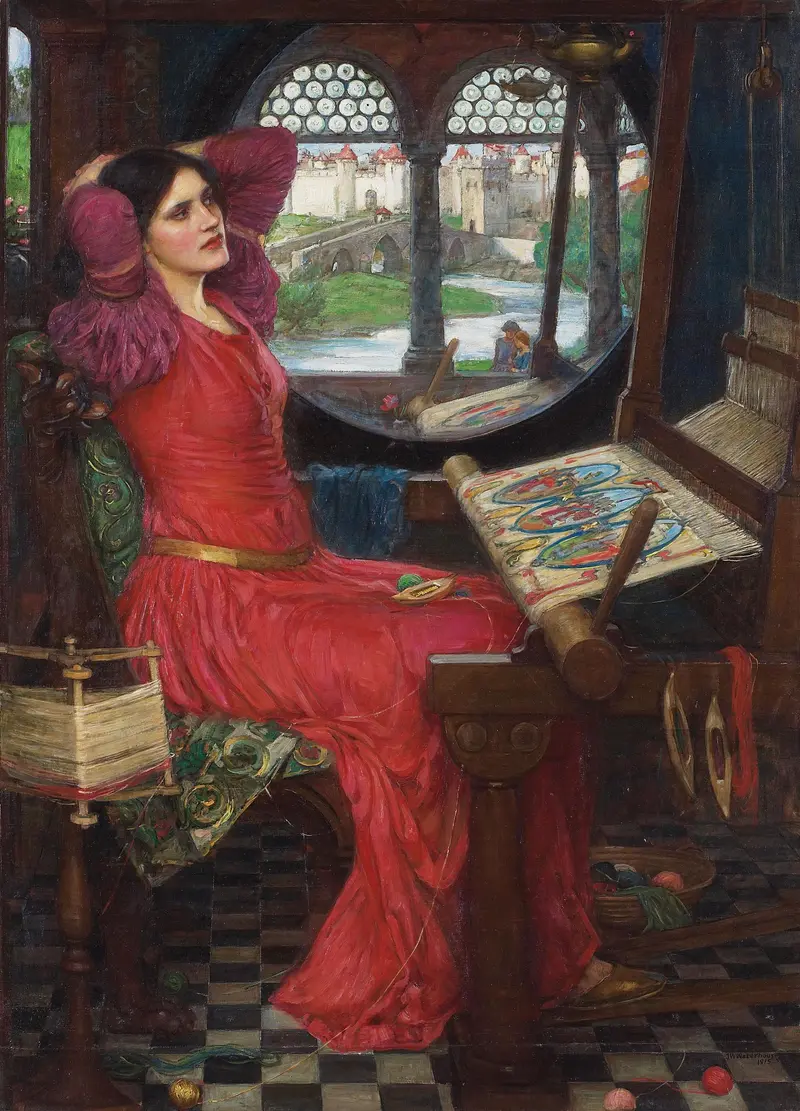
'I Am Half-Sick of Shadows,' Said the Lady of Shalott
John William Waterhouse

The Favourites of the Emperor Honorius, 1883
John William Waterhouse
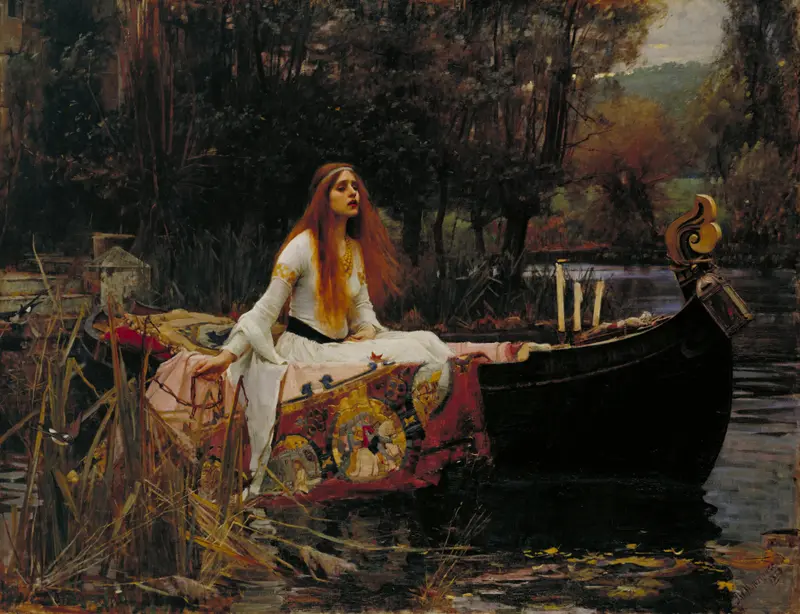
The Lady of Shalott
John William Waterhouse
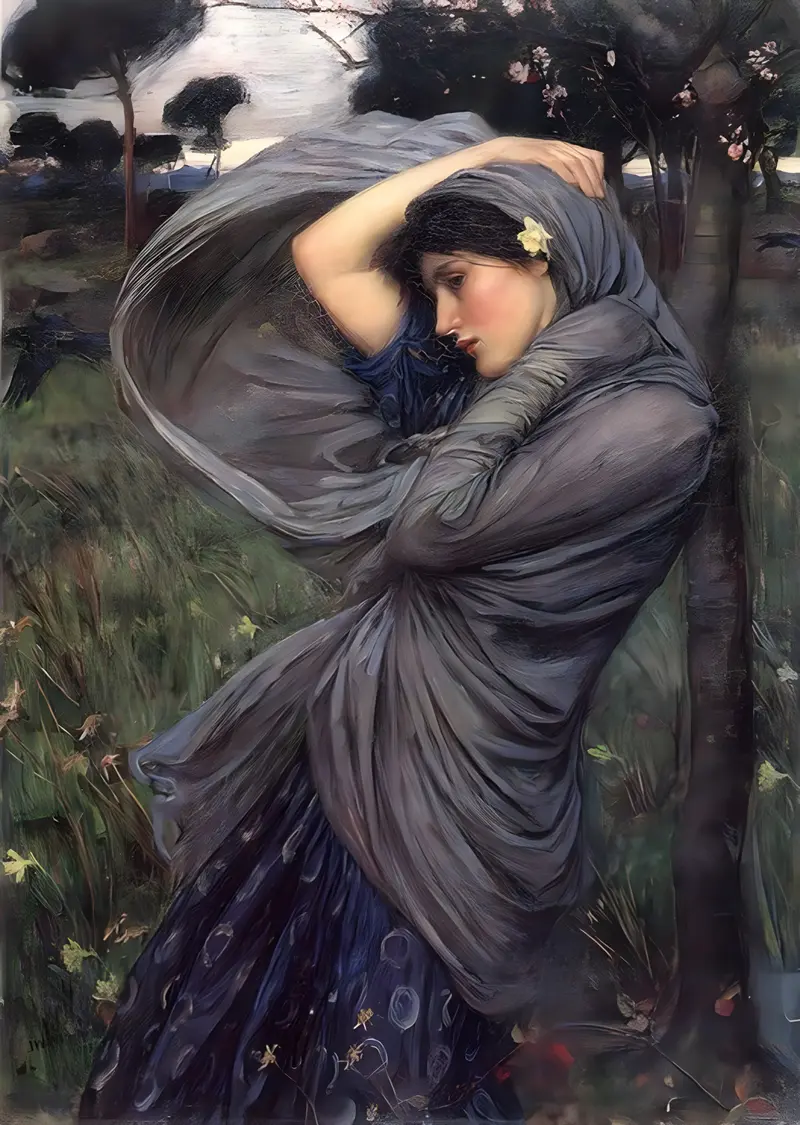
Boreas
John William Waterhouse
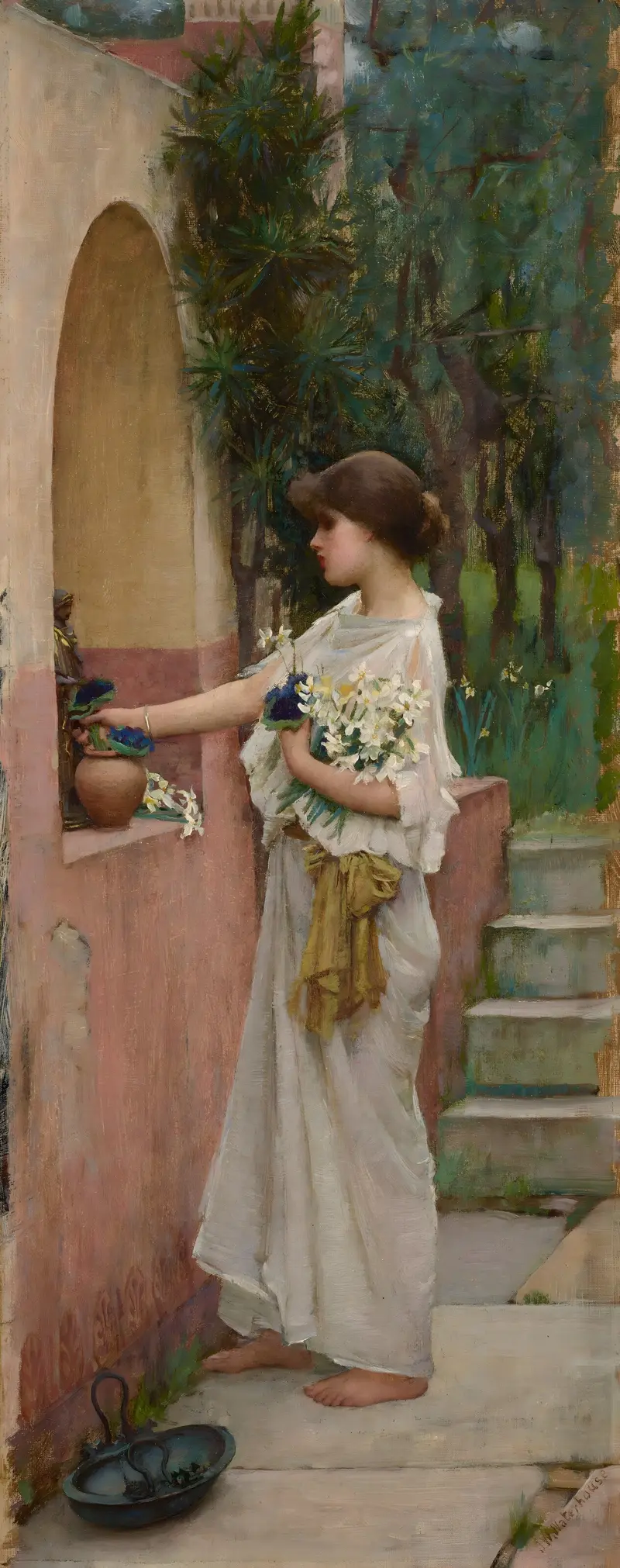
A Roman Offering
John William Waterhouse
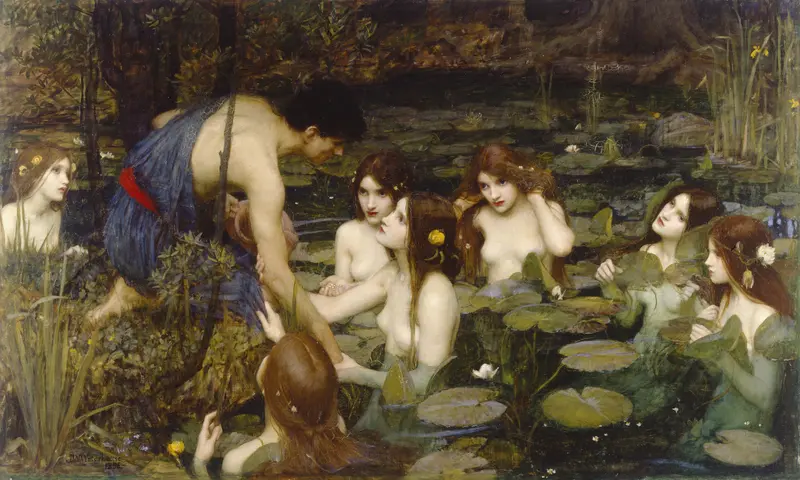
Hylas and the Nymphs
John William Waterhouse
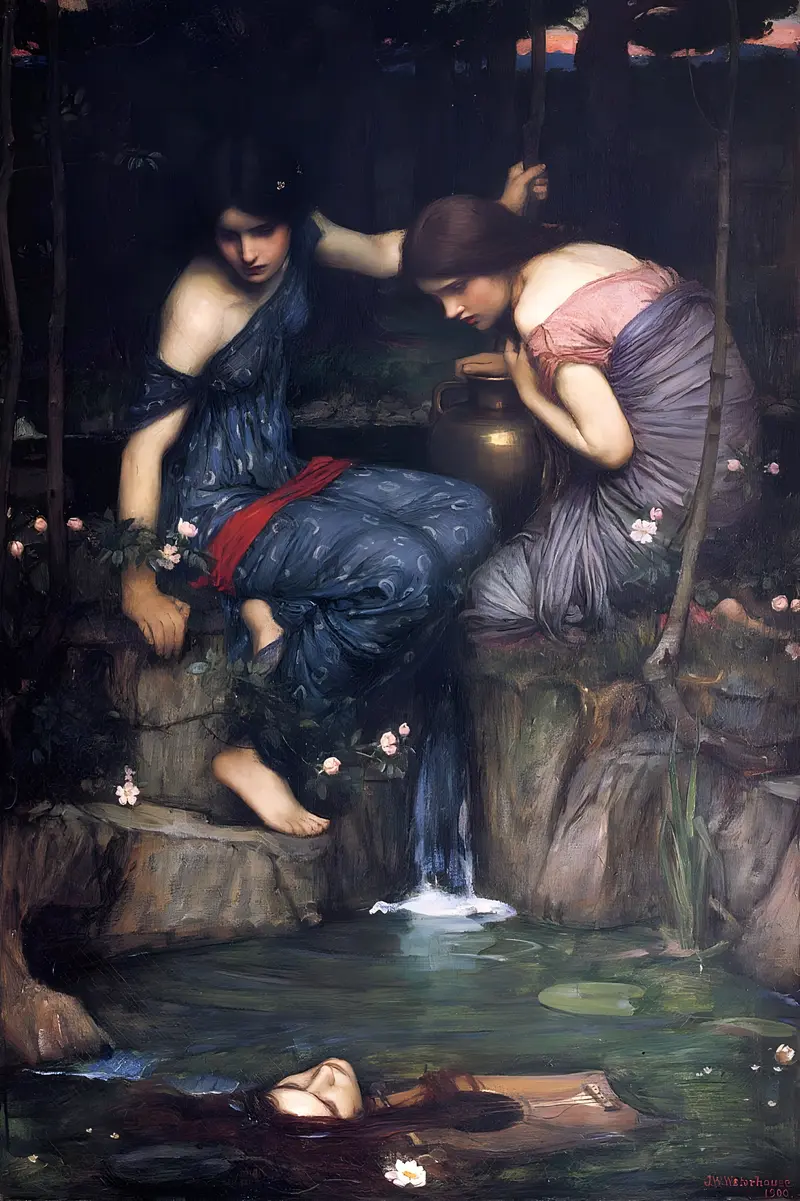
Nymphs Finding the Head of Orpheus
John William Waterhouse
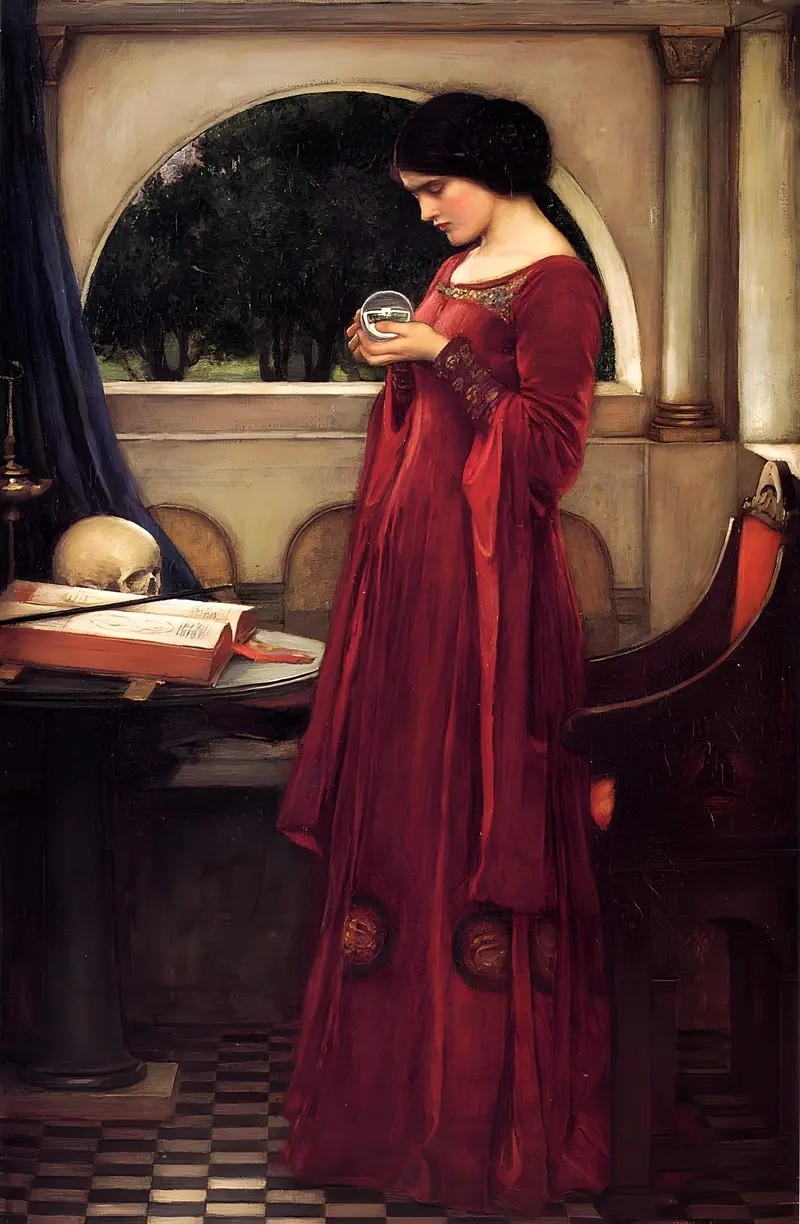
The Crystal Ball
John William Waterhouse
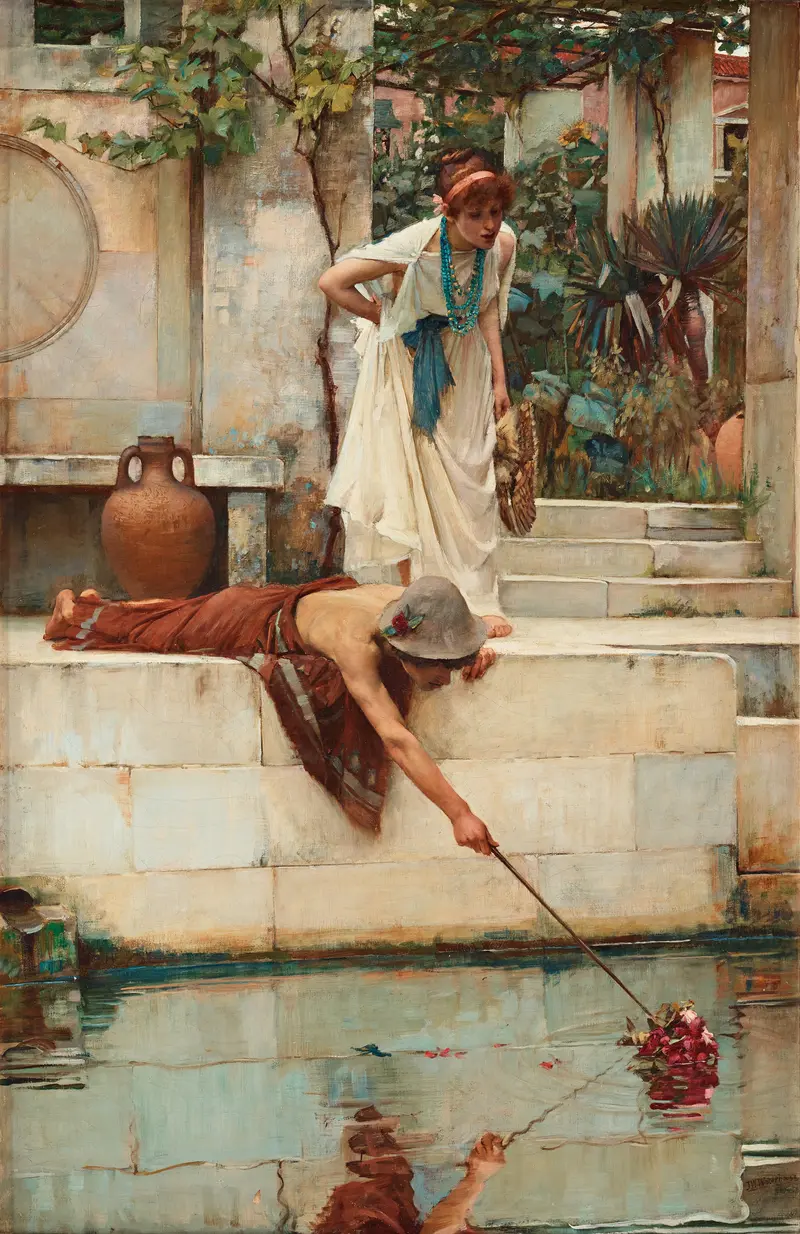
The Rescue
John William Waterhouse
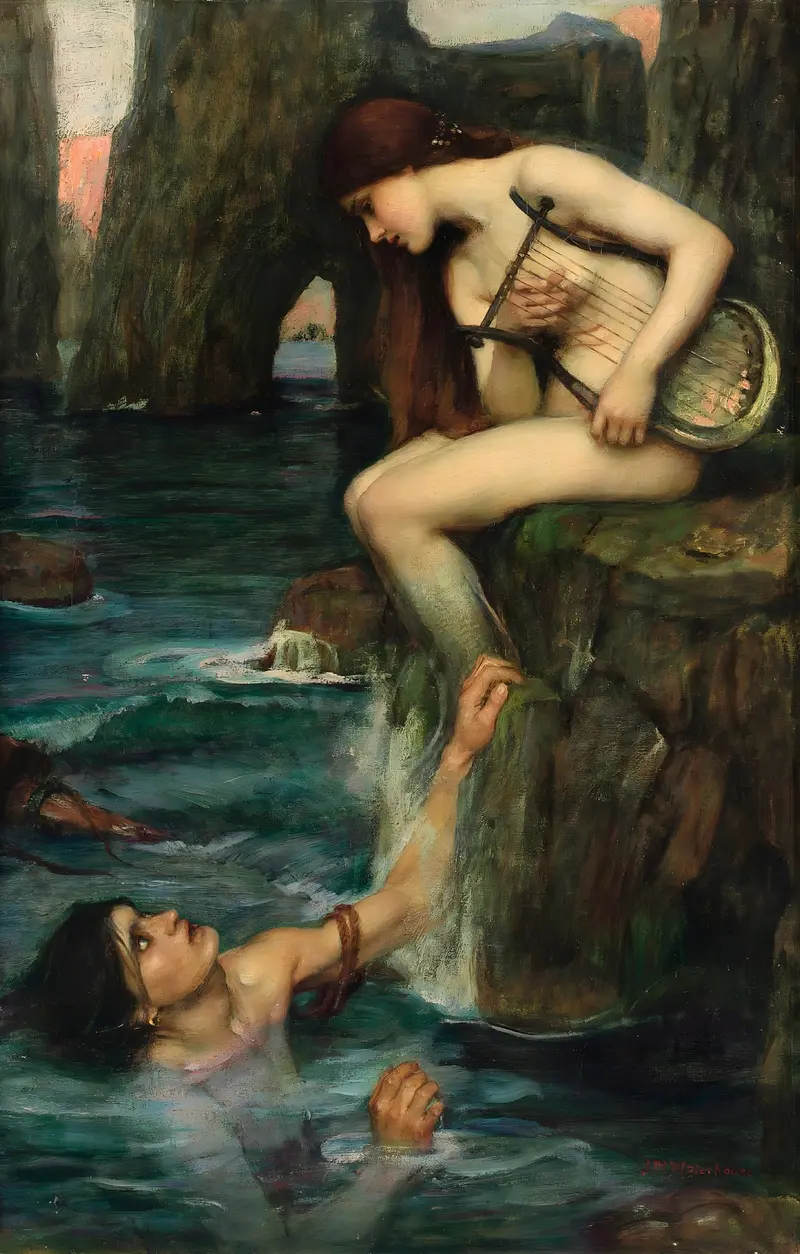
The Siren, 1900
John William Waterhouse





