
The Black Eagle of Prussia — History & Facts
When Gustave Doré unveiled The Black Eagle of Prussia in 1871, the ink on the Treaty of Frankfurt was barely dry, sealing Prussia’s victory in the Franco-Prussian War. The image quickly became a lightning rod in France, where critics saw in it a biting allegory of national defeat and humiliation. Doré, already renowned for his illustrations of Dante and Cervantes, turned his formidable talents to the political moment, channeling the anxieties and resentments of a nation in shock.
The work’s reception was immediate and intense: some hailed its audacity, others decried it as too raw, too soon. Its very title, invoking the Prussian eagle, was enough to stir bitter memories of the siege of Paris and the proclamation of the German Empire at Versailles. Doré’s composition freezes the moment when the black eagle, symbol of Prussian might, alights atop the ruins of a battered French standard. The bird’s wings are outstretched, casting a shadow over broken weapons and tattered banners—each element a deliberate reminder of the battlefield’s cost.
The eagle’s gaze is fixed and unyielding, while the limp tricolor beneath its talons speaks to the collapse of French resistance. Light falls harshly from above, illuminating the eagle’s glossy feathers and the wreckage below, heightening the sense of aftermath. Unlike Édouard Detaille’s heroic depictions of French soldiers, Doré offers no consolation—only the stark reality of conquest and loss. The exact medium of The Black Eagle of Prussia is uncertain, as Doré worked across oil, watercolor, and engraving, and records from this period are incomplete.
The painting’s early history is likewise shrouded: it may have been exhibited in Paris soon after completion, but its whereabouts for much of the late nineteenth century are unclear. Today, it is generally considered a pivotal work in Doré’s late career, marking his shift from literary illustration to direct engagement with contemporary events. Its rare public showings continue to provoke debate, a testament to the enduring power of Doré’s vision and the unresolved legacy of 1871.
More Artworks by Gustave Doré

The Deluge
Gustave Doré
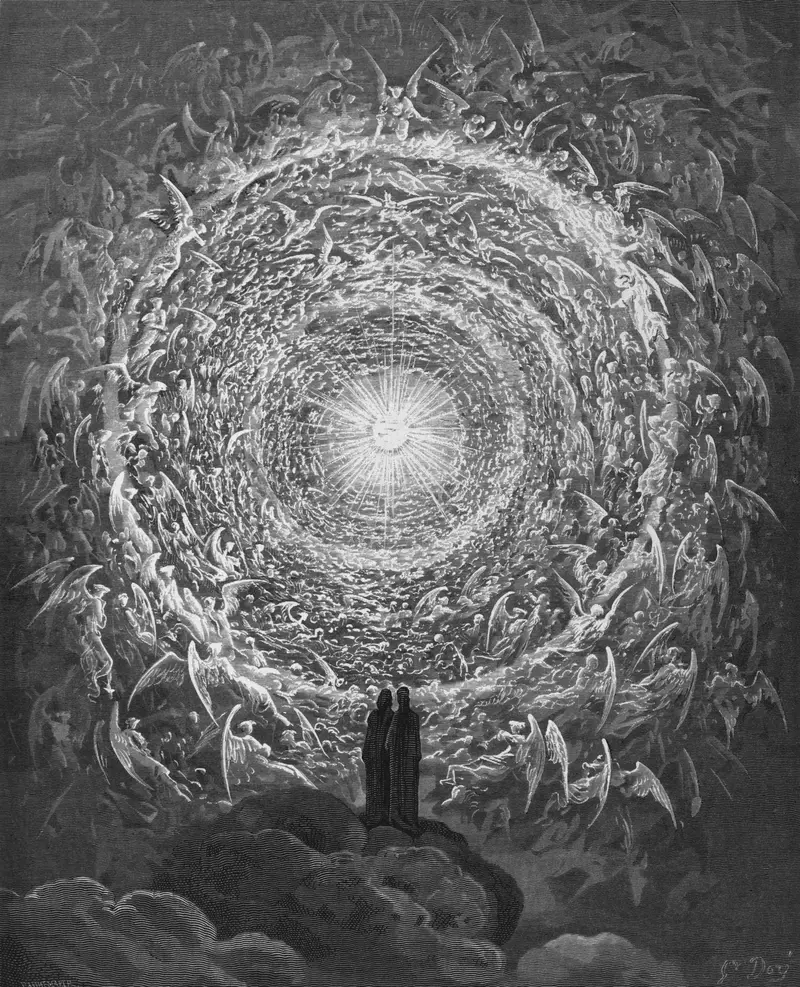
The Empyrean (Paradiso, Canto 31)
Gustave Doré
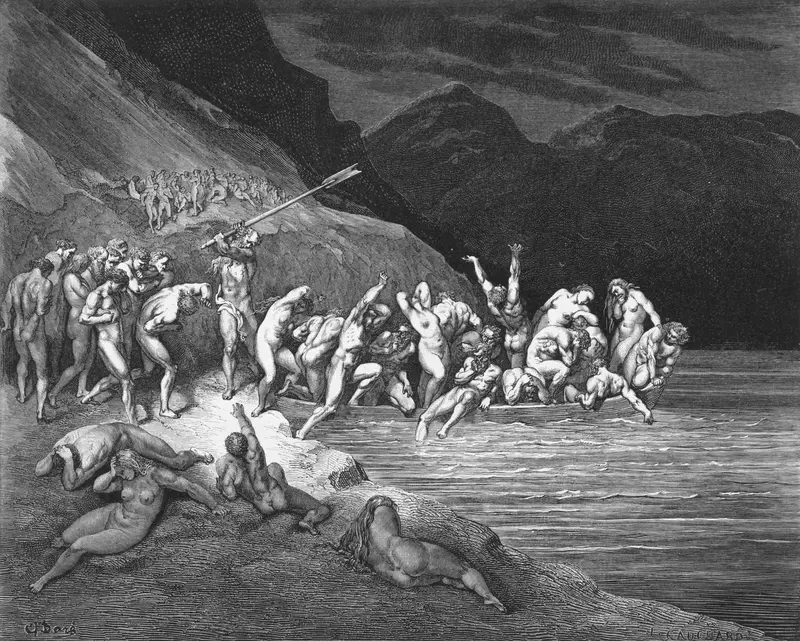
Charon (Inferno, Canto 3)
Gustave Doré
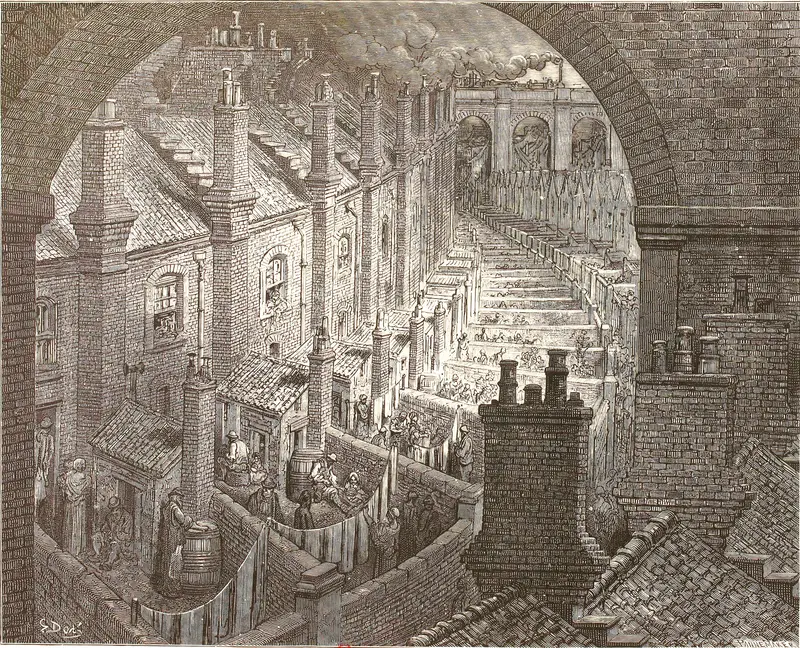
Over London by Rail
Gustave Doré
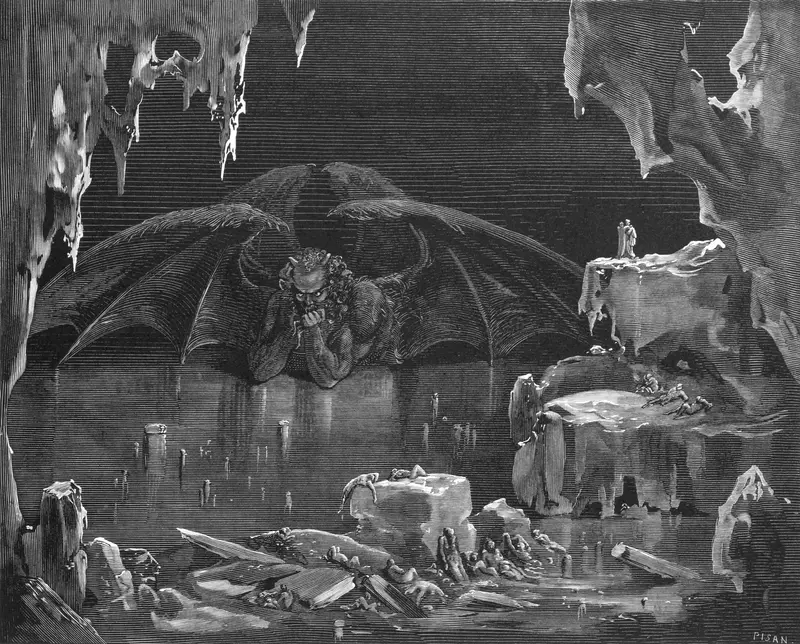
Lucifer, King of Hell
Gustave Doré
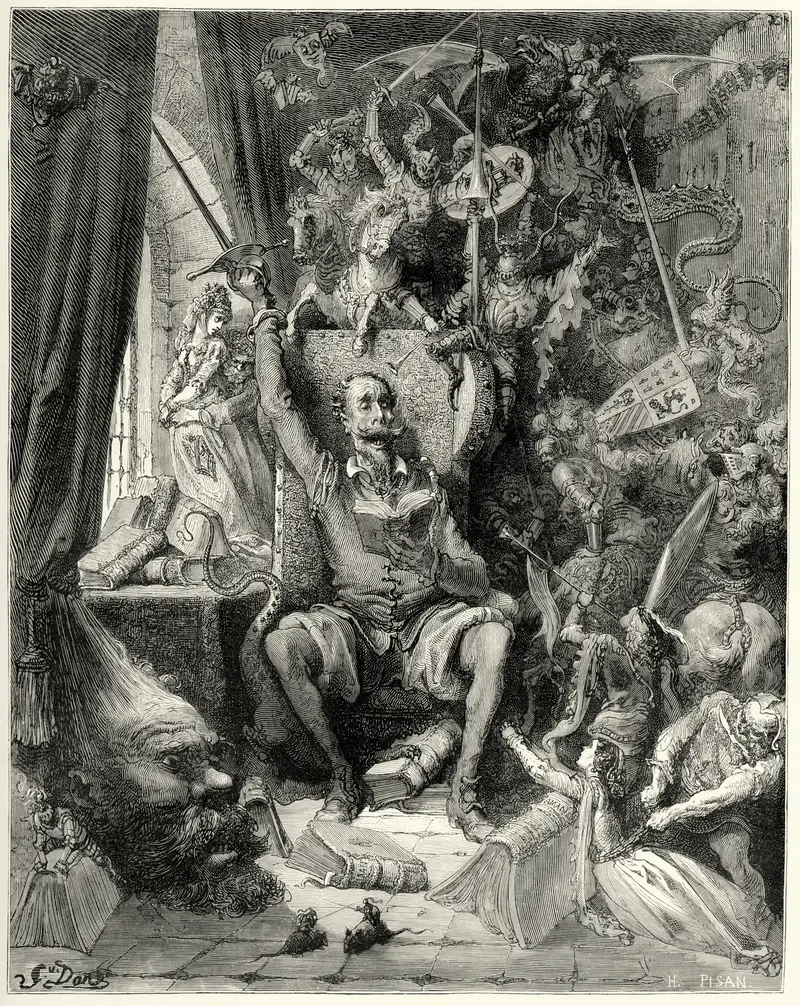
Don Quixote in His Library
Gustave Doré
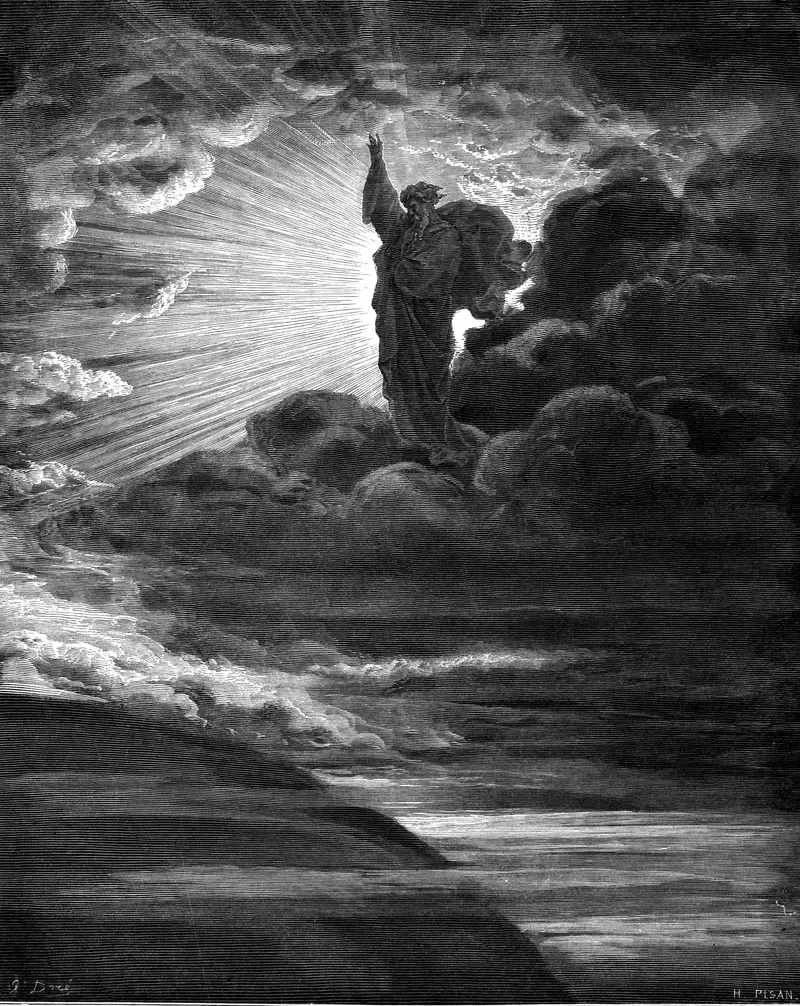
The Creation of Light
Gustave Doré
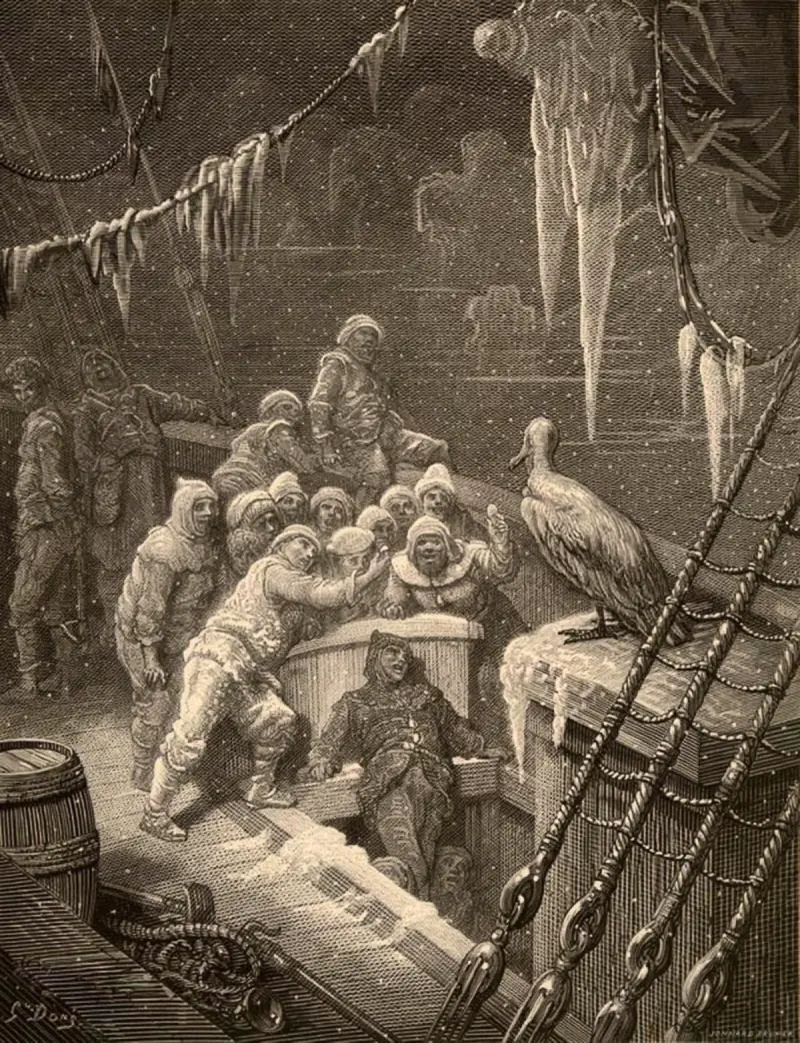
The Albatross (The Rime of the Ancient Mariner)
Gustave Doré
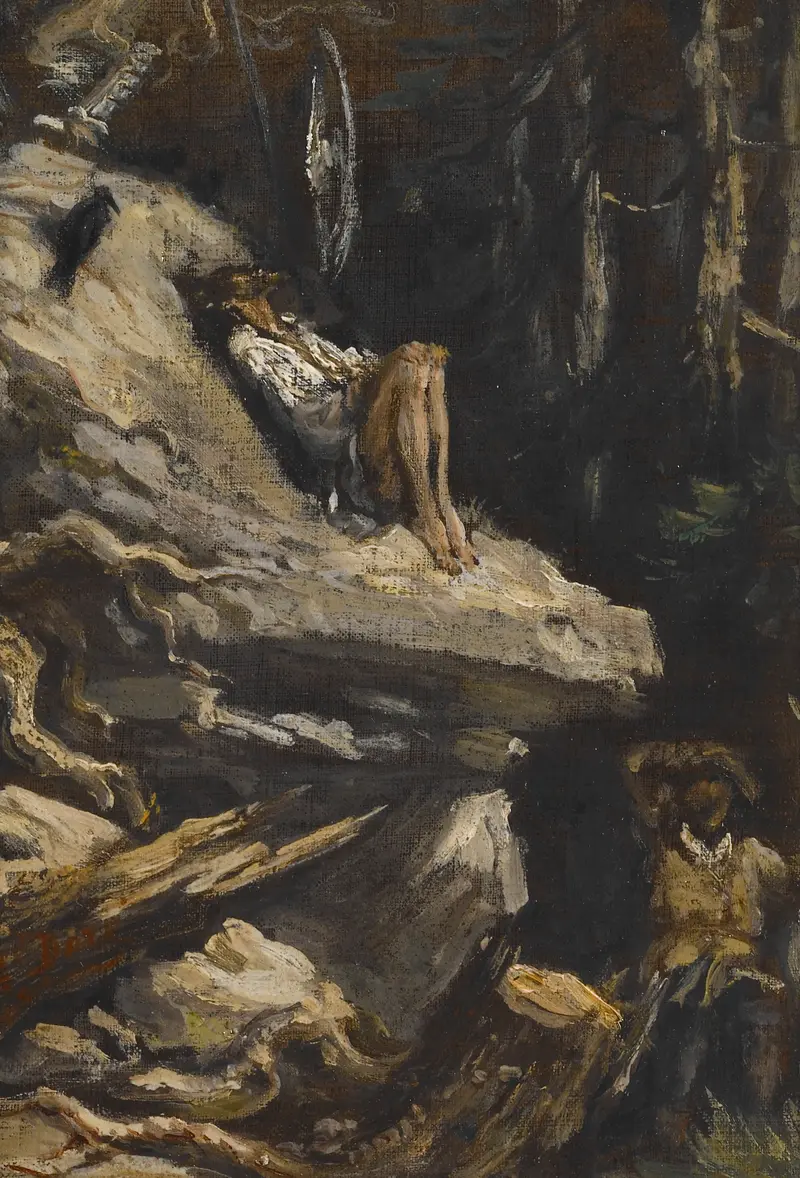
"'Alas!' answered Sancho, 'I found him in his shirt, lean, pale, and almost starved, sighing for his Lady Dulcinea'" from Don Quixote
Gustave Doré
Christ's Entry into Jerusalem
Gustave Doré





