
The Boating Party — History & Facts
When The Boating Party was first exhibited at the 1893 Salon in Paris, critics were struck by its bold composition and the unusual vantage point Cassatt chose. Unlike her earlier, more intimate domestic scenes, this painting thrusts the viewer into the heart of the action, as if seated in the boat itself. The work was created during a winter stay in Antibes, where Cassatt was inspired by the Mediterranean light and the sight of families out on the water.
Scholars still debate whether the man rowing is a professional boatman or a family member, but what is certain is that this painting marks one of the rare occasions Cassatt included an adult male figure in her work. At the center of The Boating Party, a woman in a pale dress cradles a child on her lap while a strong, dark-clad oarsman rows them across a sunlit sea. The child's gaze drifts toward the water, echoing the sense of gentle adventure and maternal protection. Cassatt flattens the perspective, letting the horizon slice high across the canvas, a compositional device reminiscent of Japanese prints that she admired.
The oar, painted in a bold diagonal, divides the scene and draws the eye from the rower’s powerful arms to the tender interaction between mother and child. Unlike the leisurely, almost decorative boating scenes of Pierre-Auguste Renoir, Cassatt’s version is dynamic and intimate, balancing strength and care within a single frame. After its completion, The Boating Party remained with Cassatt until her death, a testament to its personal significance. It entered the collection of the National Gallery of Art in Washington, D.C., in 1963, where it remains a highlight of their holdings of Impressionism.
The painting stands as a pivotal work in Cassatt’s career, created during a period when she was experimenting with bold colors and compositions influenced by her study of Japanese art. Today, it is celebrated not only for its technical daring but also for expanding the possibilities of modern painting through its unique perspective on family and leisure.
More Artworks by Mary Cassatt

The Child's Bath
Mary Cassatt
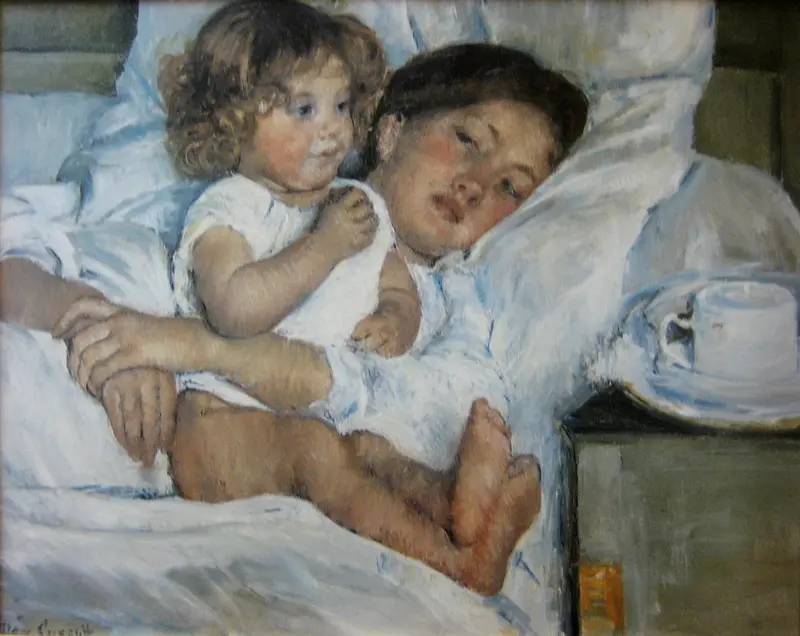
Breakfast in Bed
Mary Cassatt

Mother and Child (Baby Getting Up from His Nap)
Mary Cassatt
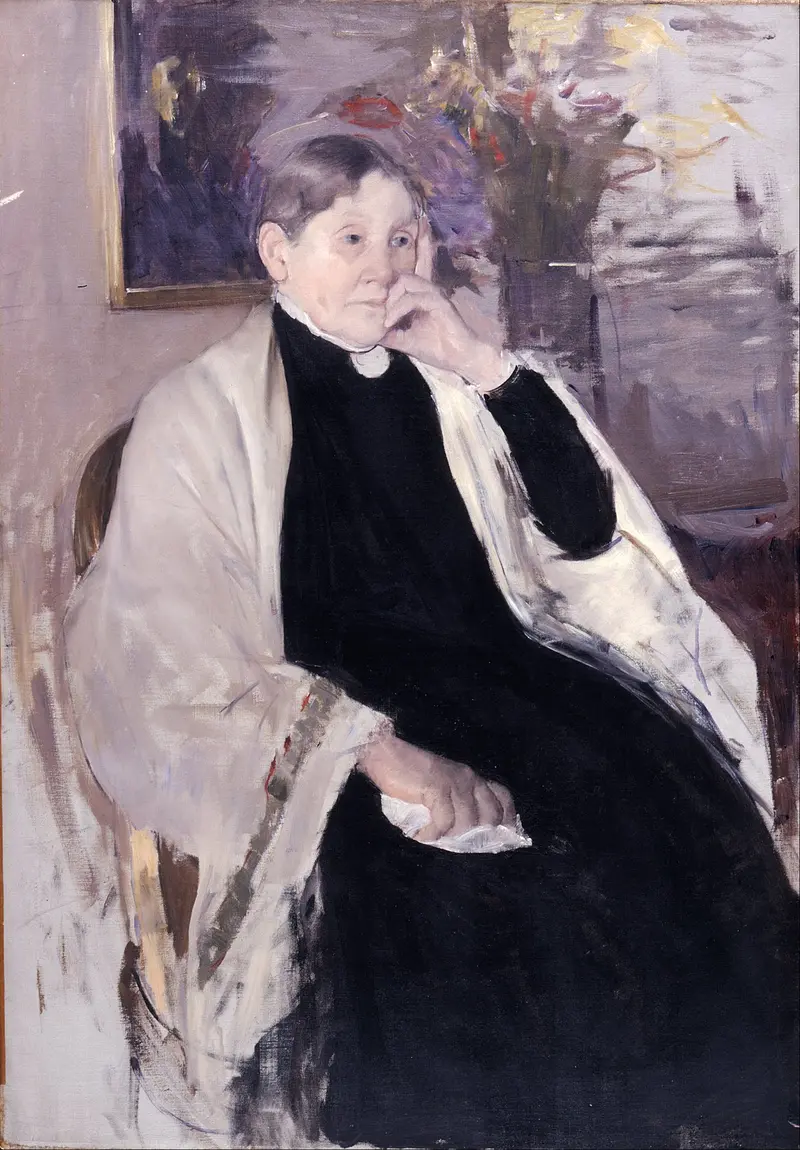
Mrs. Robert S. Cassatt, the Artist's Mother
Mary Cassatt
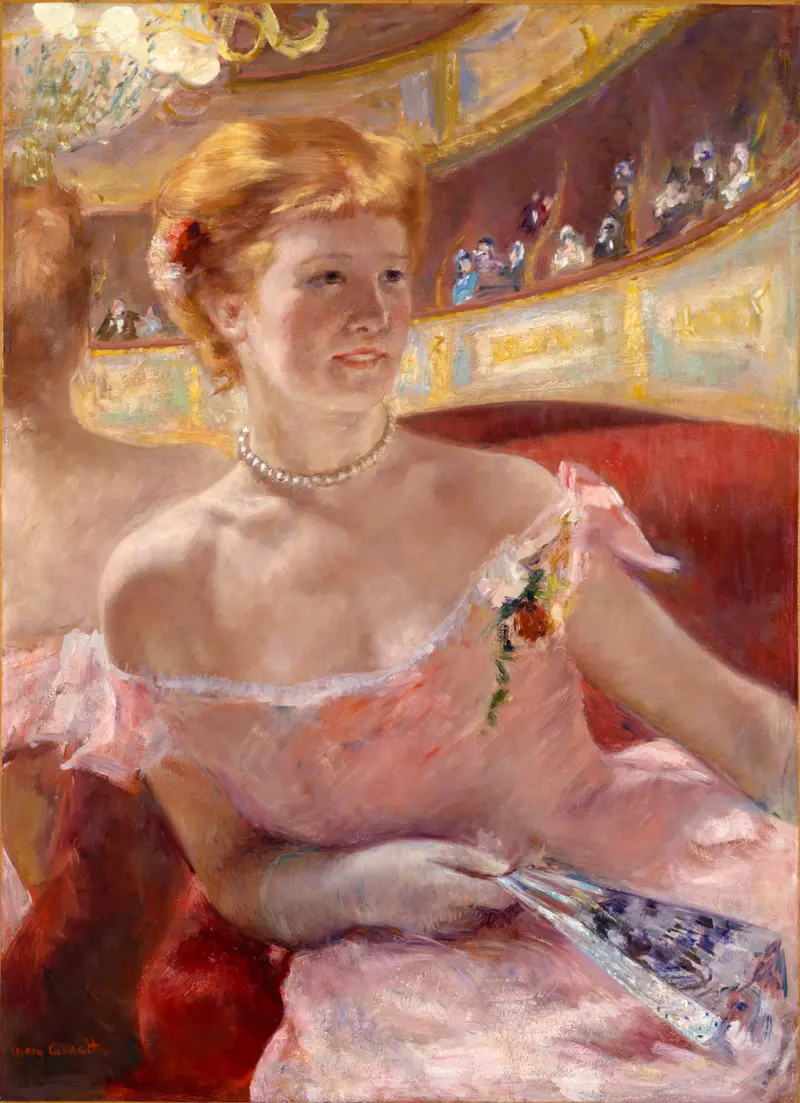
Woman with a Pearl Necklace in a Loge
Mary Cassatt
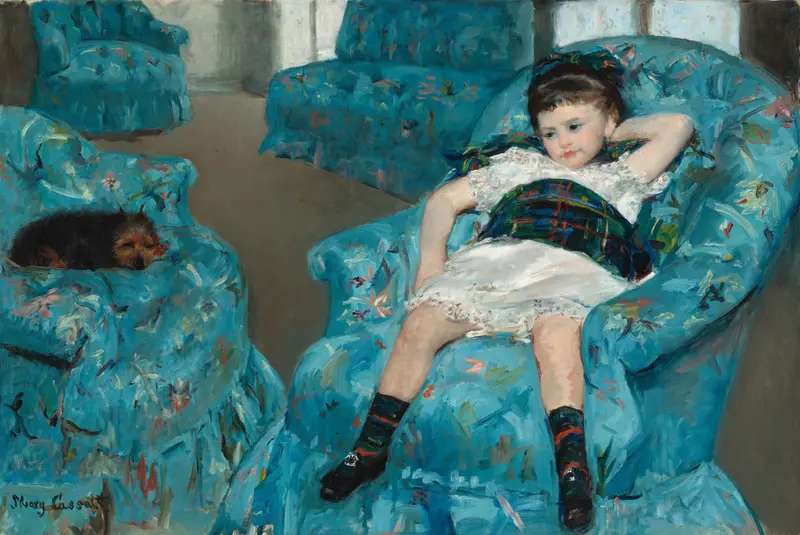
Little Girl in a Blue Armchair
Mary Cassatt
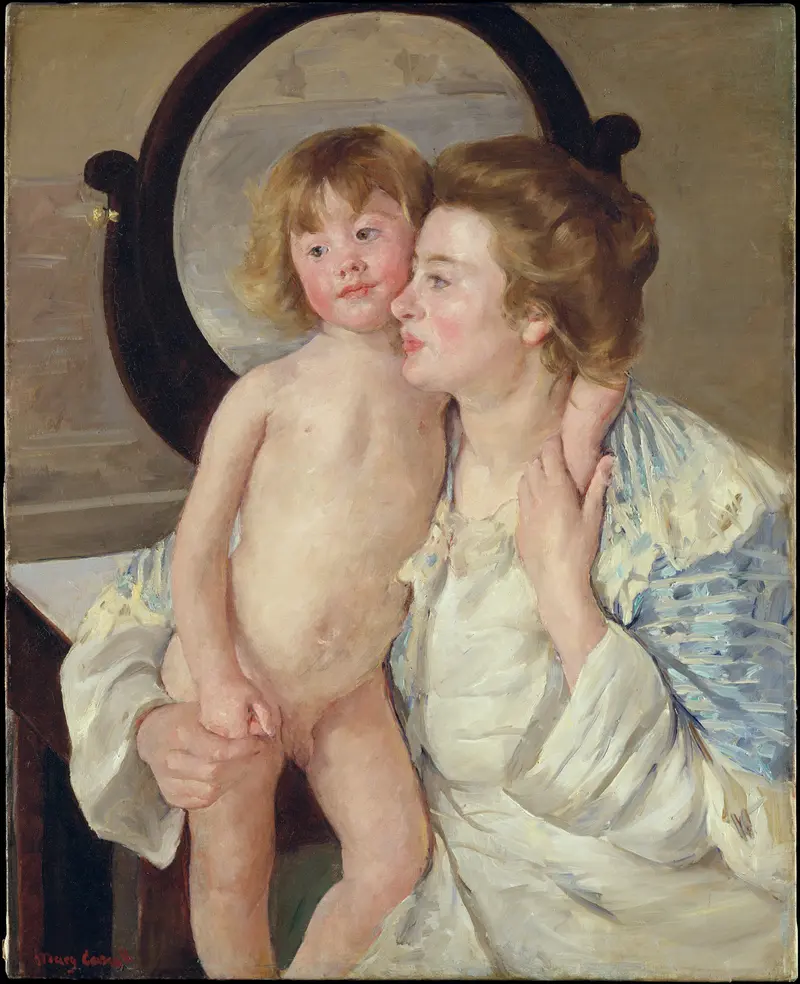
Mother and Child (The Oval Mirror)
Mary Cassatt
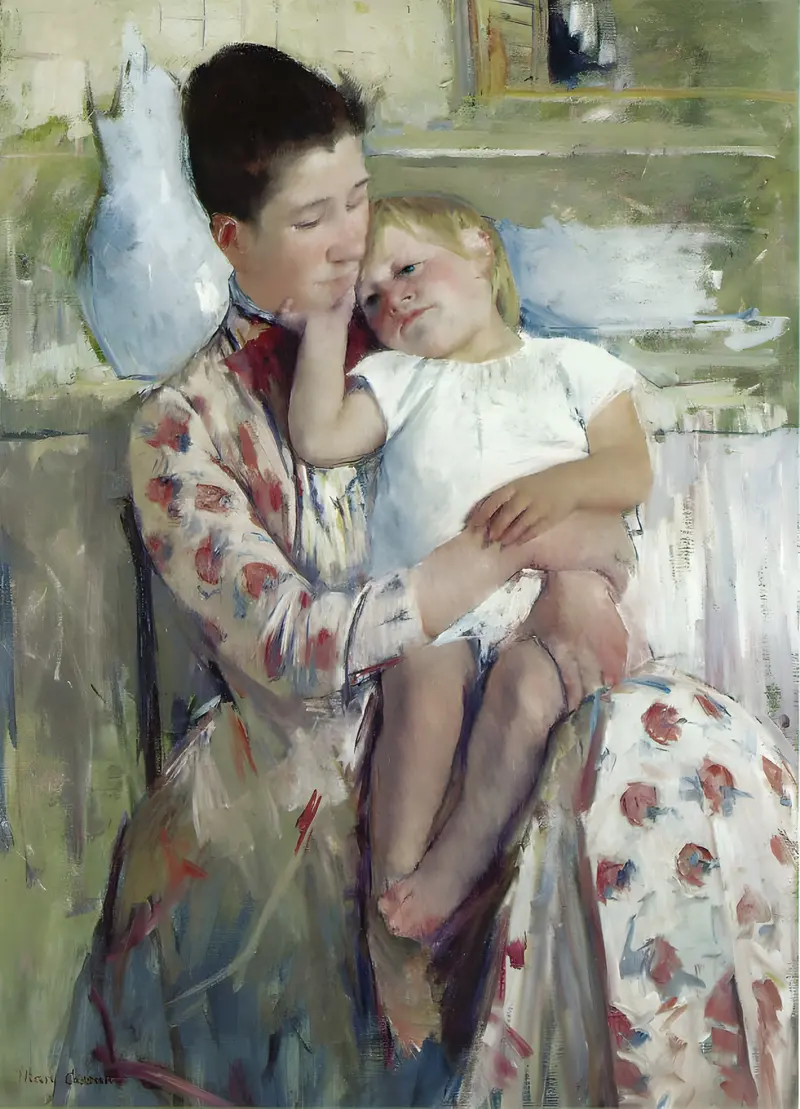
Mother and Child
Mary Cassatt
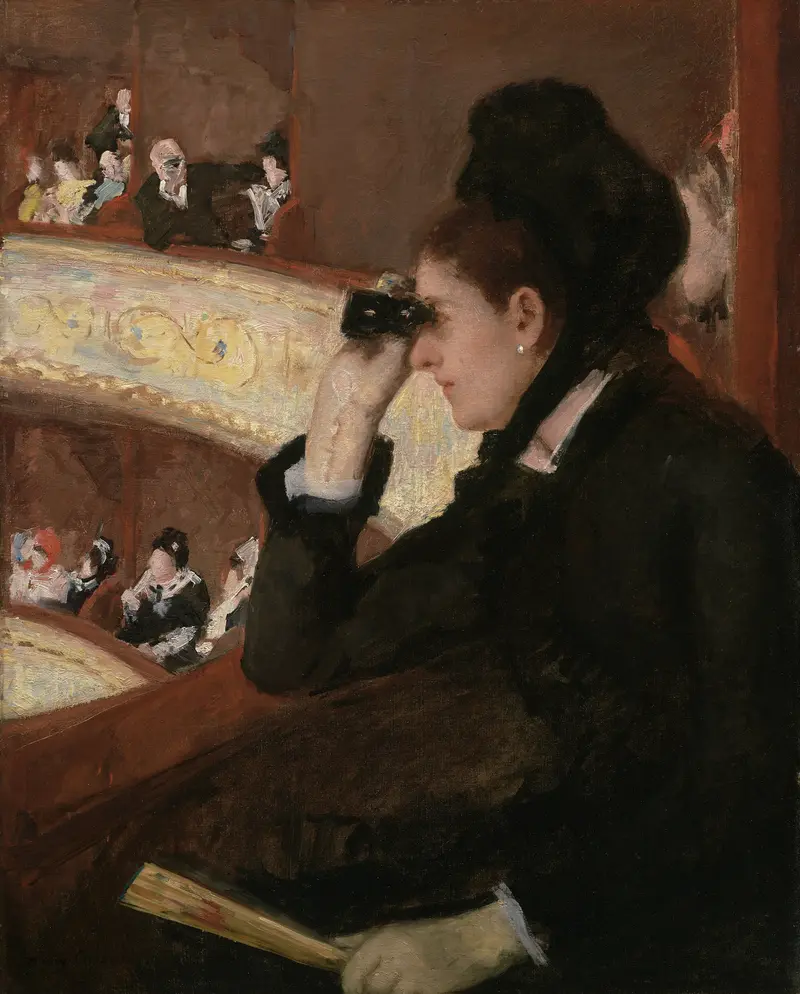
In The Loge
Mary Cassatt
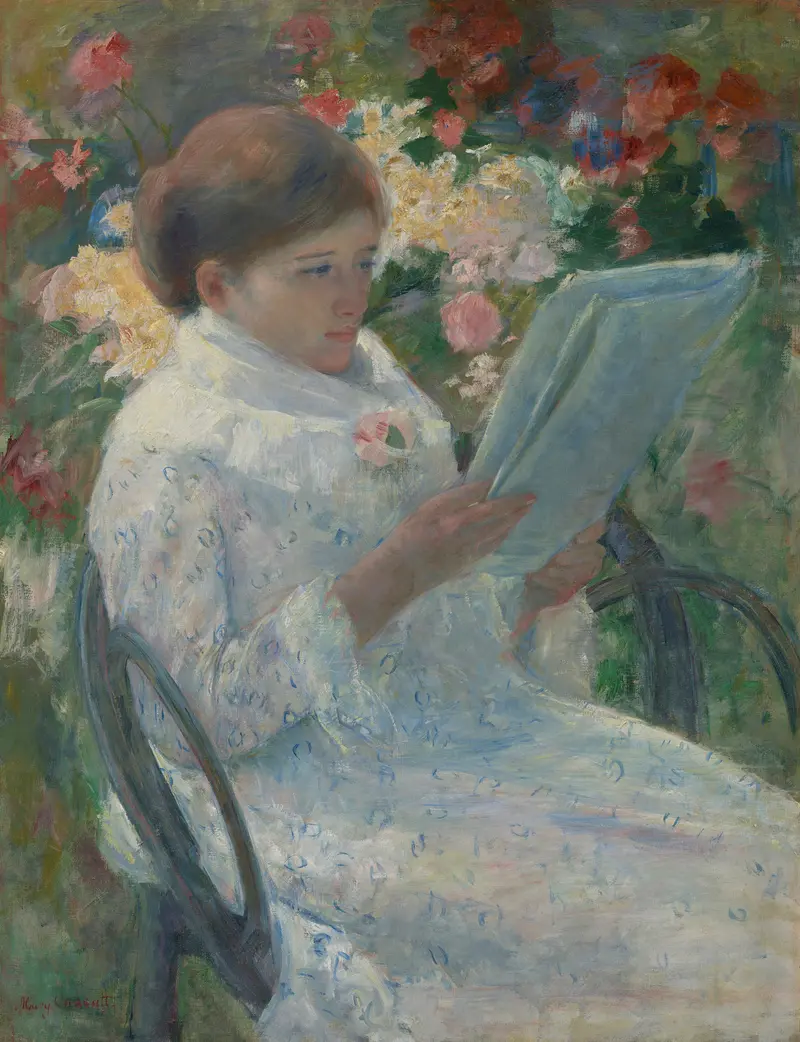
On a Balcony
Mary Cassatt
More Genre Scene Art

Banquet of the Officers of the St George Civic Guard
Frans Hals

Rembrandt and Saskia in the Scene of the Prodigal Son
Rembrandt van Rijn

Bal du moulin de la Galette
Pierre-Auguste Renoir

Quadrille at the Moulin Rouge
Henri de Toulouse-Lautrec

A Burial at Ornans
Gustave Courbet

When Will You Marry?
Paul Gauguin