
The Chariot of Aurora — History & Facts
In The Chariot of Aurora, Giovanni Battista Tiepolo presents a dynamic scene filled with vibrant colors. The painting features Aurora, the goddess of dawn, riding a chariot pulled by horses. The sky is a blend of soft pastels, transitioning from night to day.
Surrounding her are playful putti and ethereal clouds, adding to the sense of movement and light. The painting is executed in oil on canvas, a medium that allows for rich color and detail. Tiepolo's brushwork is fluid, creating a sense of motion that captures the essence of dawn. The use of light is particularly striking, with highlights that illuminate Aurora and her chariot.
The overall composition is balanced, drawing the viewer's eye across the canvas. Giovanni Battista Tiepolo was a prominent Italian painter of the Rococo period, known for his grand ceiling frescoes and vibrant color palettes. The Chariot of Aurora is a fine example of his ability to blend mythology with a sense of theatricality. Interestingly, this work was part of a larger decorative scheme, showcasing Tiepolo's role in the evolution of 18th-century art.
His influence can still be seen in the works of later artists who admired his dramatic style.
More Artworks by Giovanni Battista Tiepolo
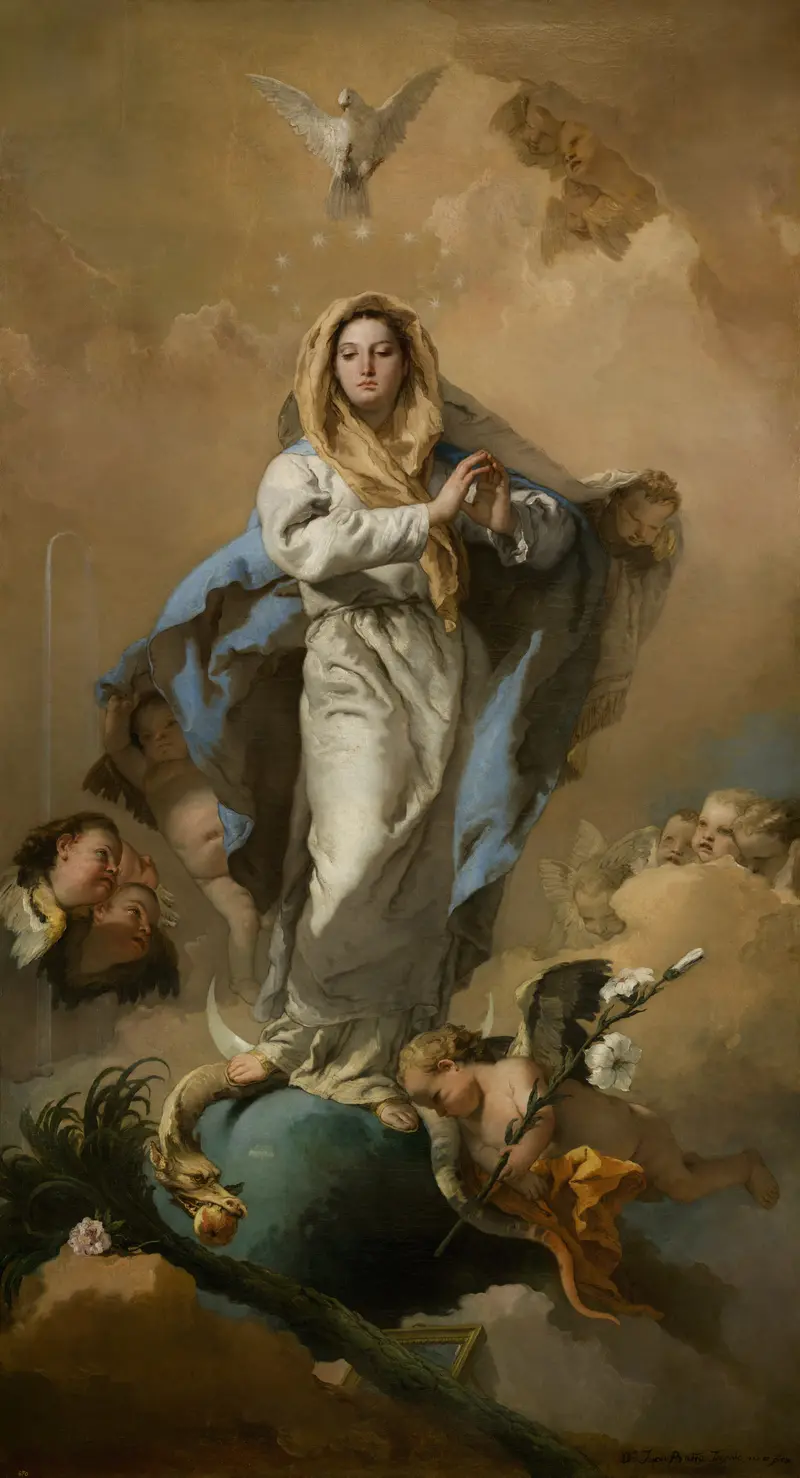
The Immaculate Conception
Giovanni Battista Tiepolo
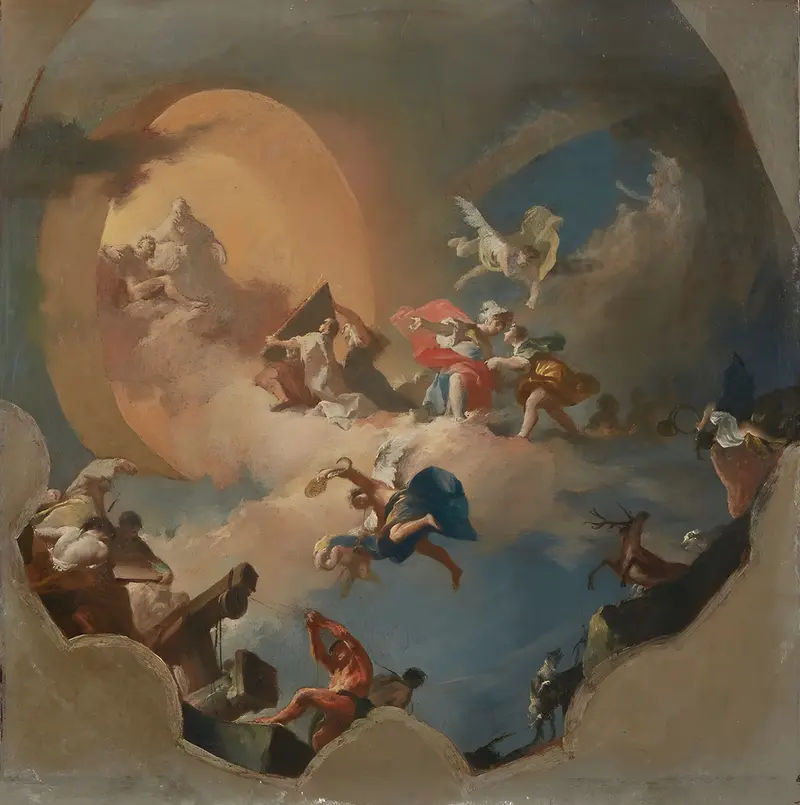
The Apotheosis of the Arts
Giovanni Battista Tiepolo
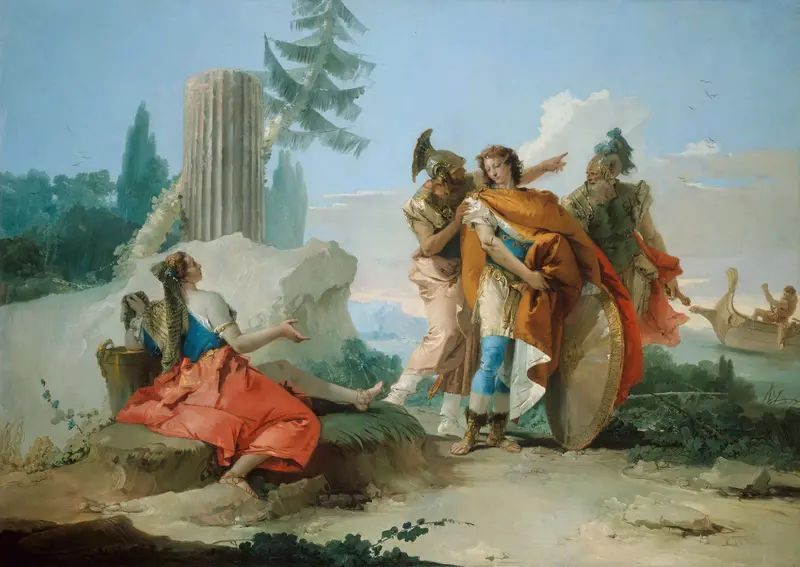
Armida Abandoned by Rinaldo
Giovanni Battista Tiepolo
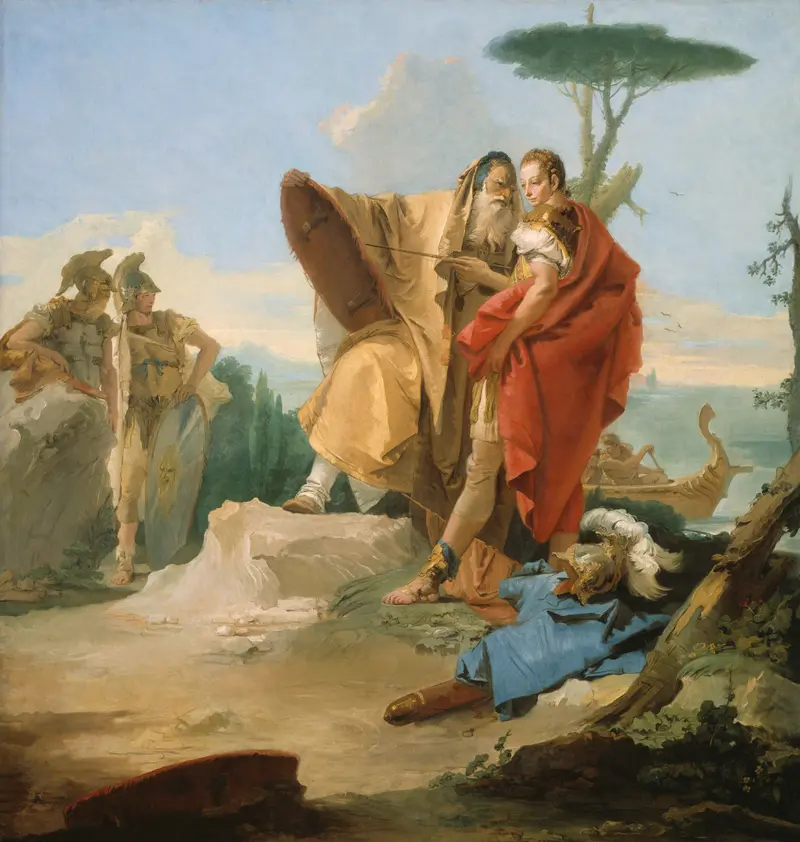
Rinaldo and the Magus of Ascalon
Giovanni Battista Tiepolo
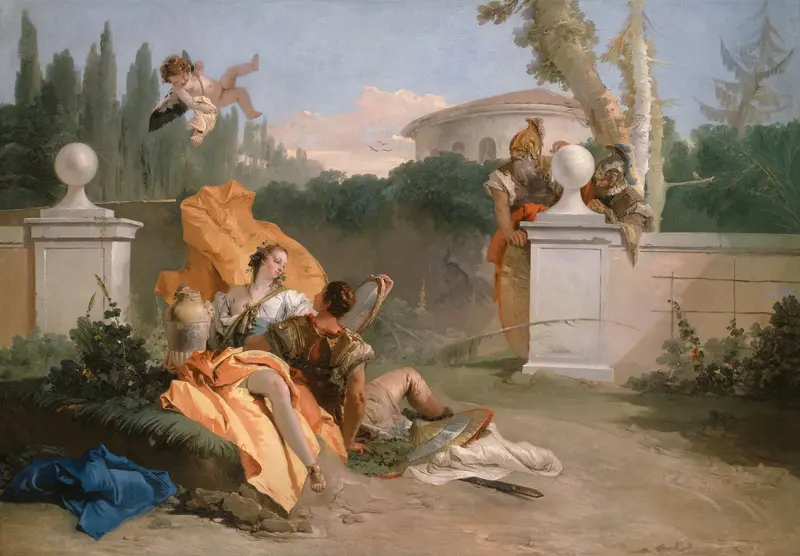
Rinaldo and Armida in Her Garden
Giovanni Battista Tiepolo
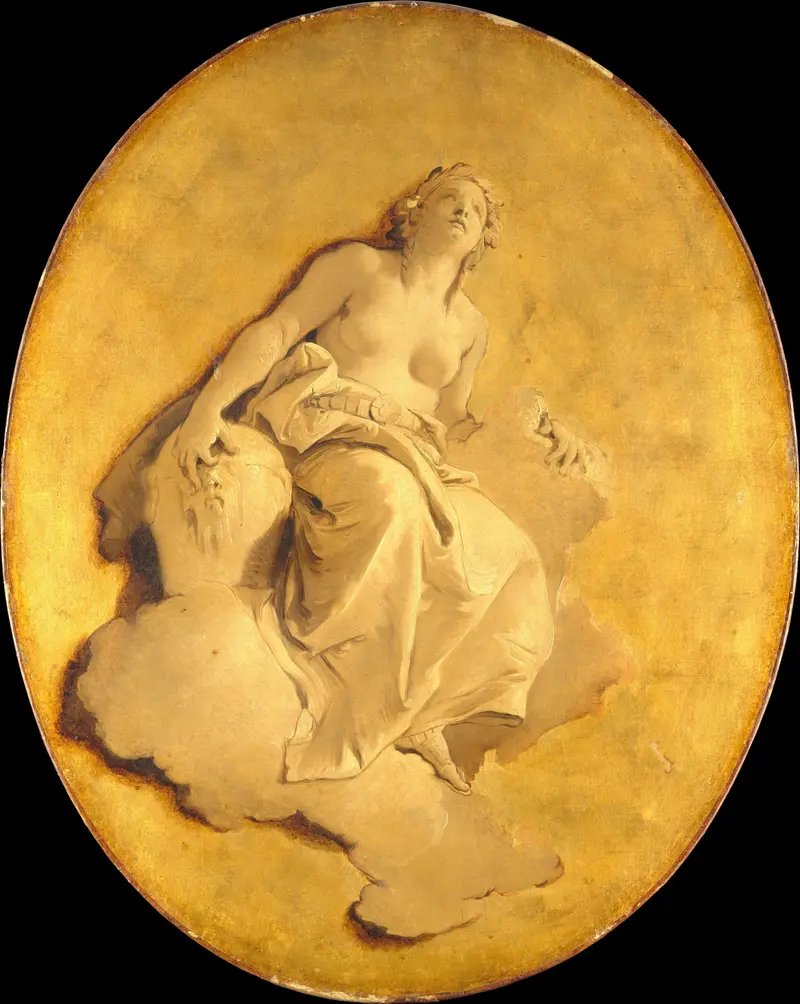
A Female Allegorical Figure
Giovanni Battista Tiepolo
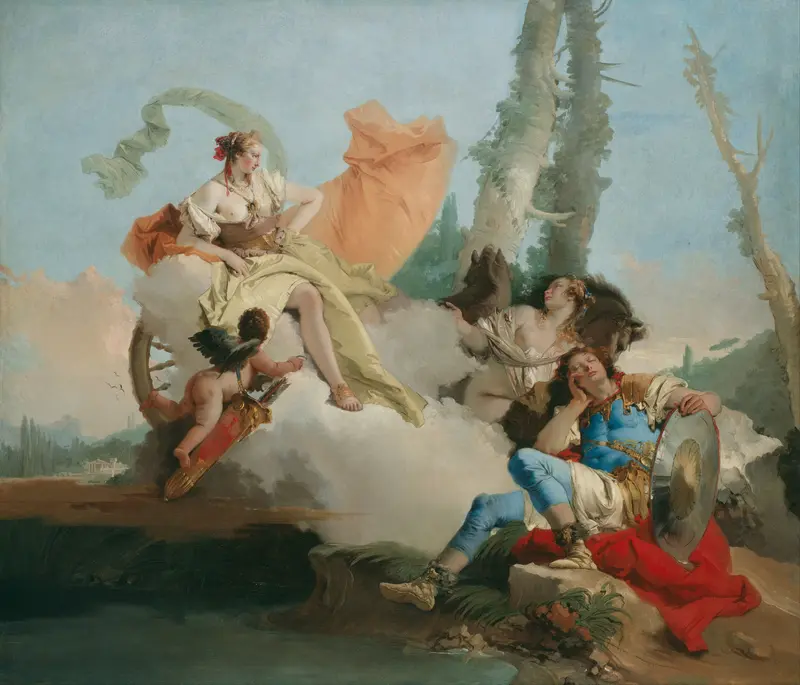
Armida Encounters the Sleeping Rinaldo
Giovanni Battista Tiepolo
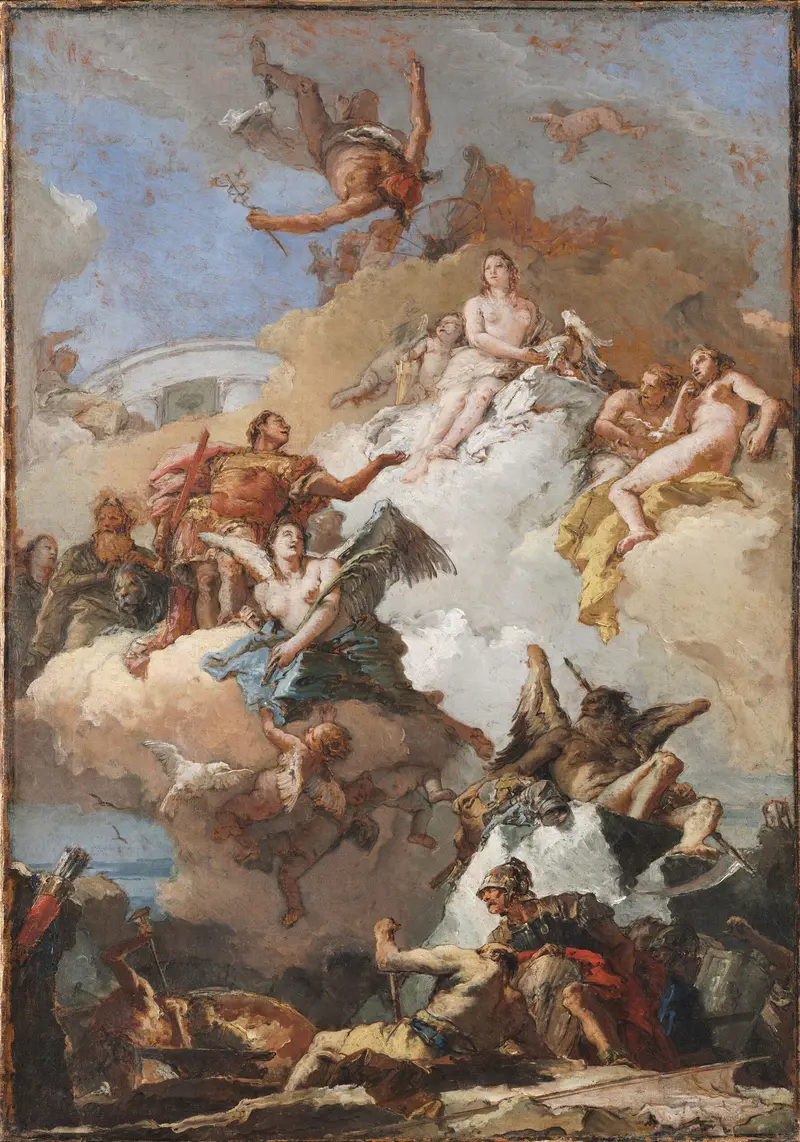
The Apotheosis of Aeneas
Giovanni Battista Tiepolo
Saint Roch as a Pilgrim
Giovanni Battista Tiepolo
The Apotheosis of the Spanish Monarchy
Giovanni Battista Tiepolo





