
The Cloak of Black Birds (East of the Sun and West of the Moon) — History & Facts
A figure stands at the center of The Cloak of Black Birds (East of the Sun and West of the Moon), swathed in a voluminous cloak that seems to dissolve into a flock of birds, each wingbeat scattering starlight across a deepening sky. The viewer’s gaze is pulled upward, following the arc of black silhouettes as they spiral into the blue, while the ground below is edged with a delicate border of flowers—an anchor to earth before the eye is swept away. The figure’s costume, with its patterned trousers and elaborate buttons, hints at a world of fairy tales and distant kingdoms, while the oversized headdress and mask-like face lend an air of mystery.
The birds themselves are not uniform: some are dark and solid, others pale and patterned, suggesting a mingling of the magical and the real. The light, fading from warm gold at the horizon to the cool indigo above, heightens the sense of passage—perhaps from day to night, or from the known to the unknown. Created in the early 1920s, this illustration belongs to a golden age of book art, when artists like Kay Nielsen transformed fairy tales into visual feasts for a growing audience of readers and dreamers. The work was published in a 1922 edition of East of the Sun and West of the Moon: Old Tales from the North, a collection that drew on Norwegian folklore and was intended to enchant both children and adults.
At a time when illustrated books were prized possessions, publishers sought out artists whose style could conjure entire worlds in a single image. Nielsen, with his blend of Art Nouveau elegance and Nordic fantasy, became one of the era’s most celebrated illustrators, though the details of each commission are often lost to history. Today, the image invites us to linger in its twilight, wondering what lies just beyond the edge of the cloak, and what stories the birds might carry east of the sun and west of the moon.
More Artworks by Kay Nielsen

The Spirit at the Lighted Door (East of the Sun and West of the Moon)
Kay Nielsen
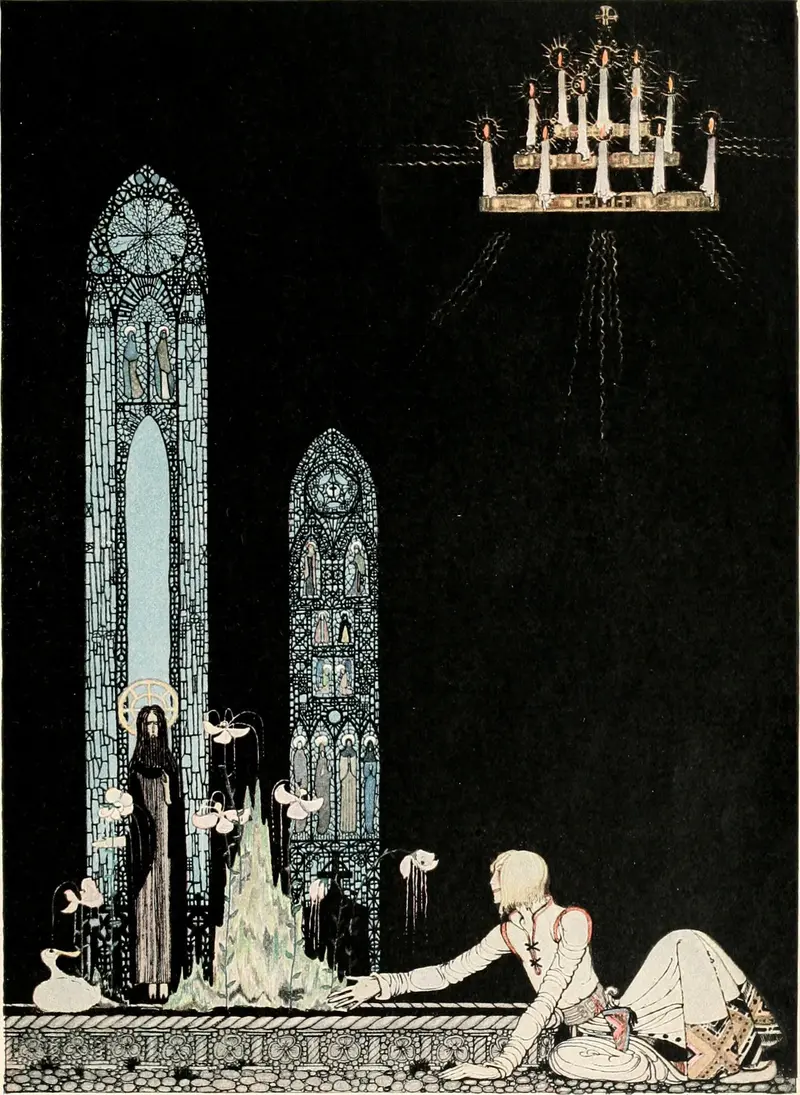
The Widow's Son and the Candles (East of the Sun and West of the Moon)
Kay Nielsen
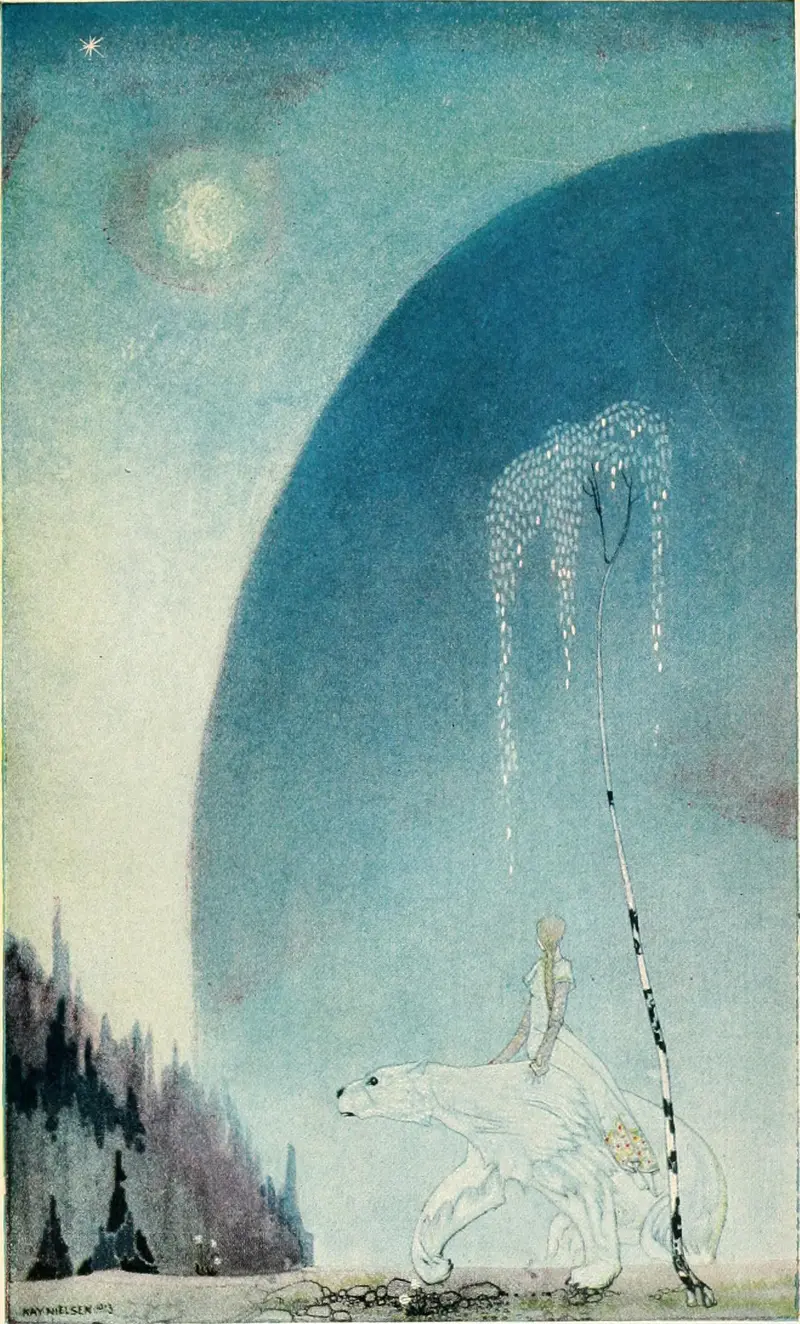
The White Goat Under the Moon (East of the Sun and West of the Moon)
Kay Nielsen

The Cloud Castle (Hansel and Gretel and Other Stories)
Kay Nielsen
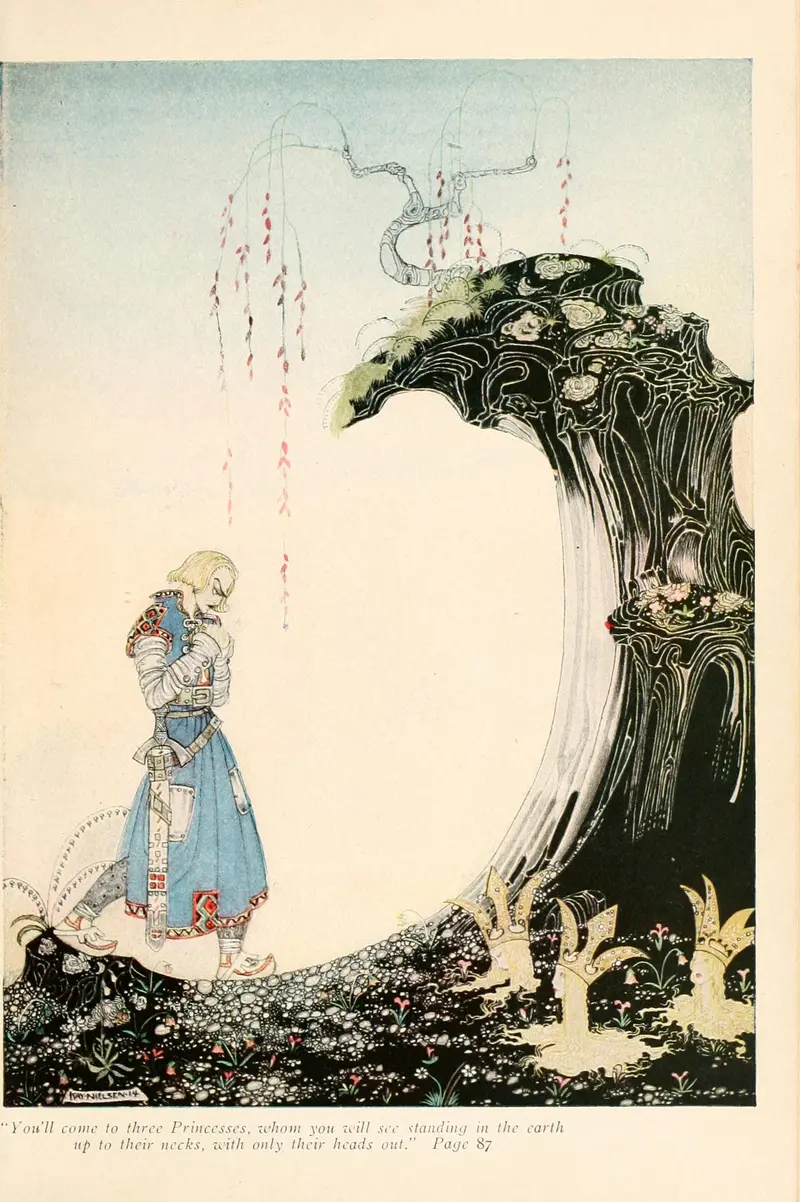
The Enchanted Wave (East of the Sun and West of the Moon)
Kay Nielsen
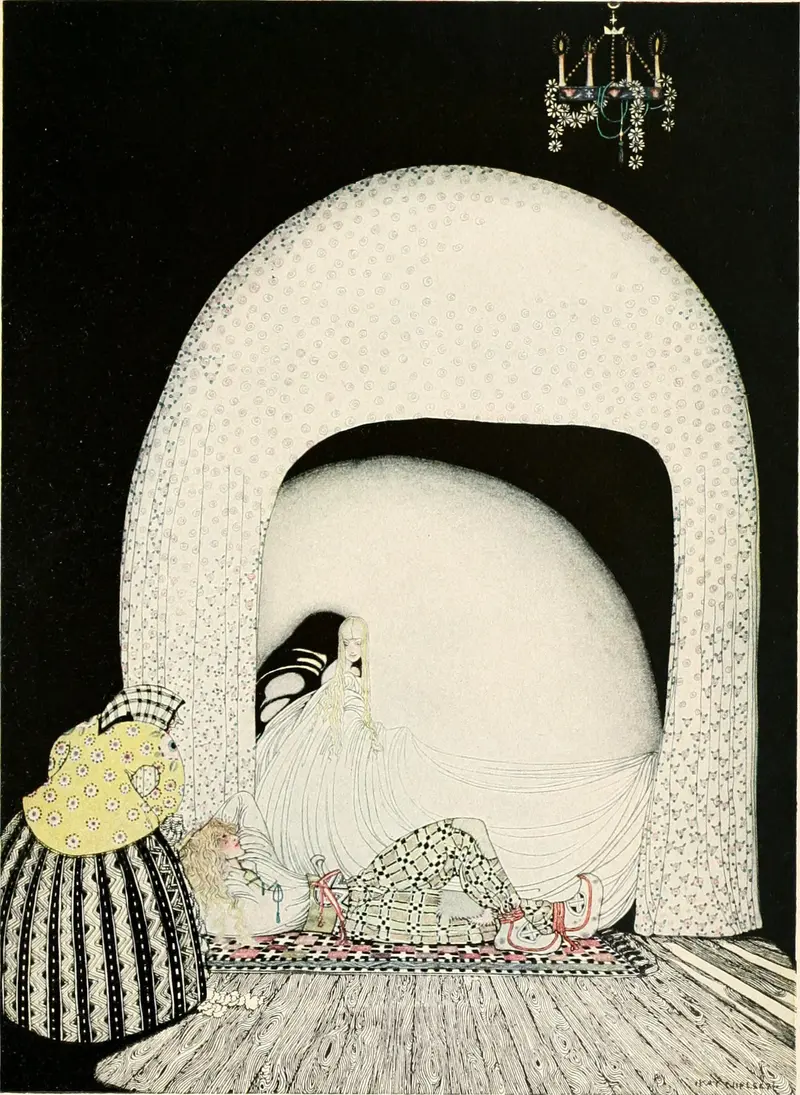
Beneath the White Canopy (East of the Sun and West of the Moon)
Kay Nielsen
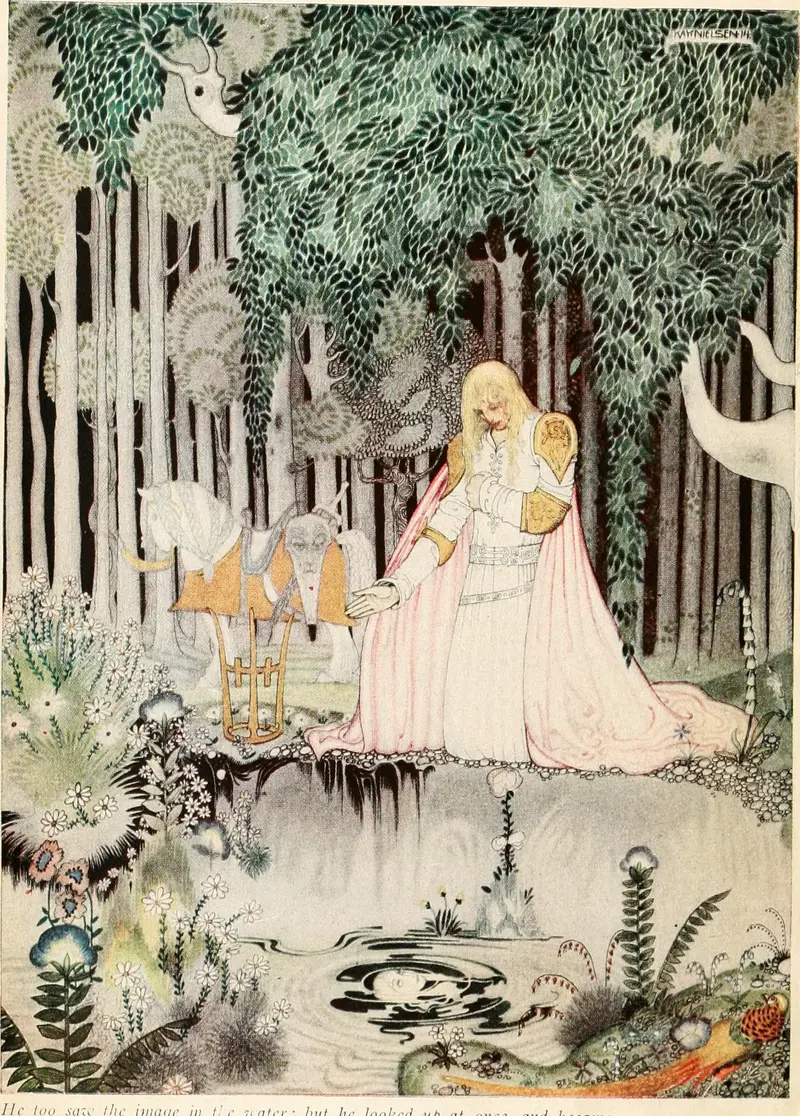
The Princess in the Moonlit Wood (East of the Sun and West of the Moon)
Kay Nielsen
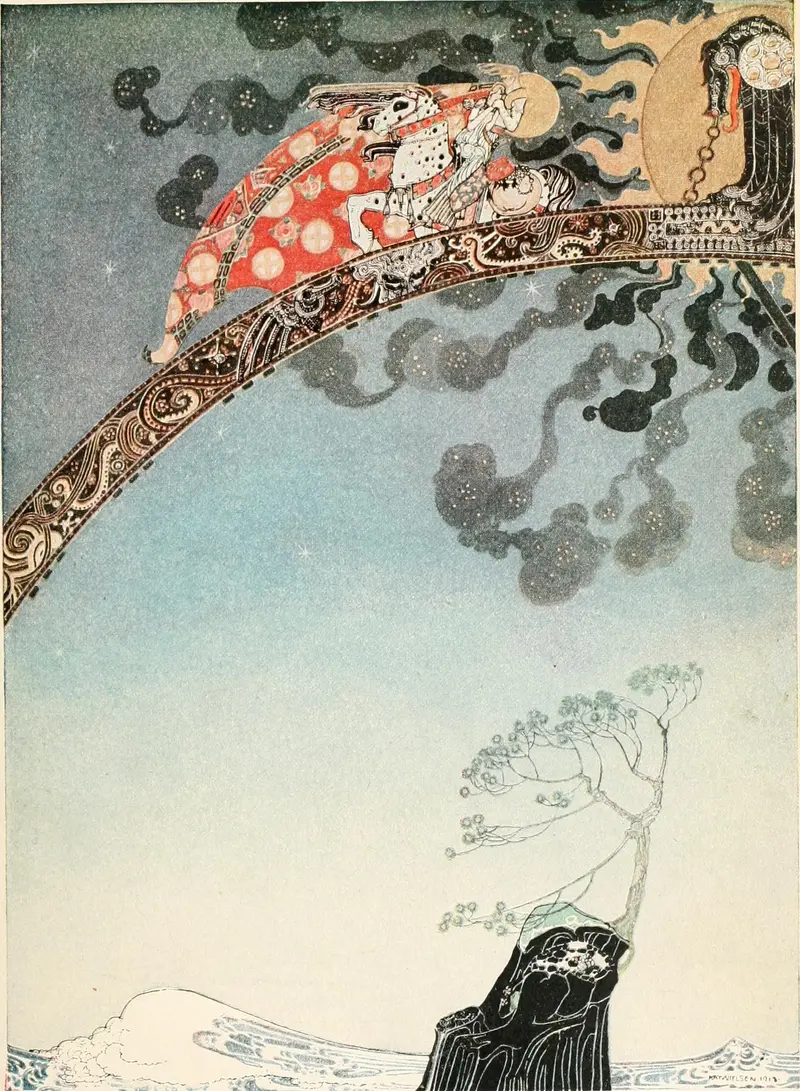
The Bridge Over the Sea (East of the Sun and West of the Moon)
Kay Nielsen
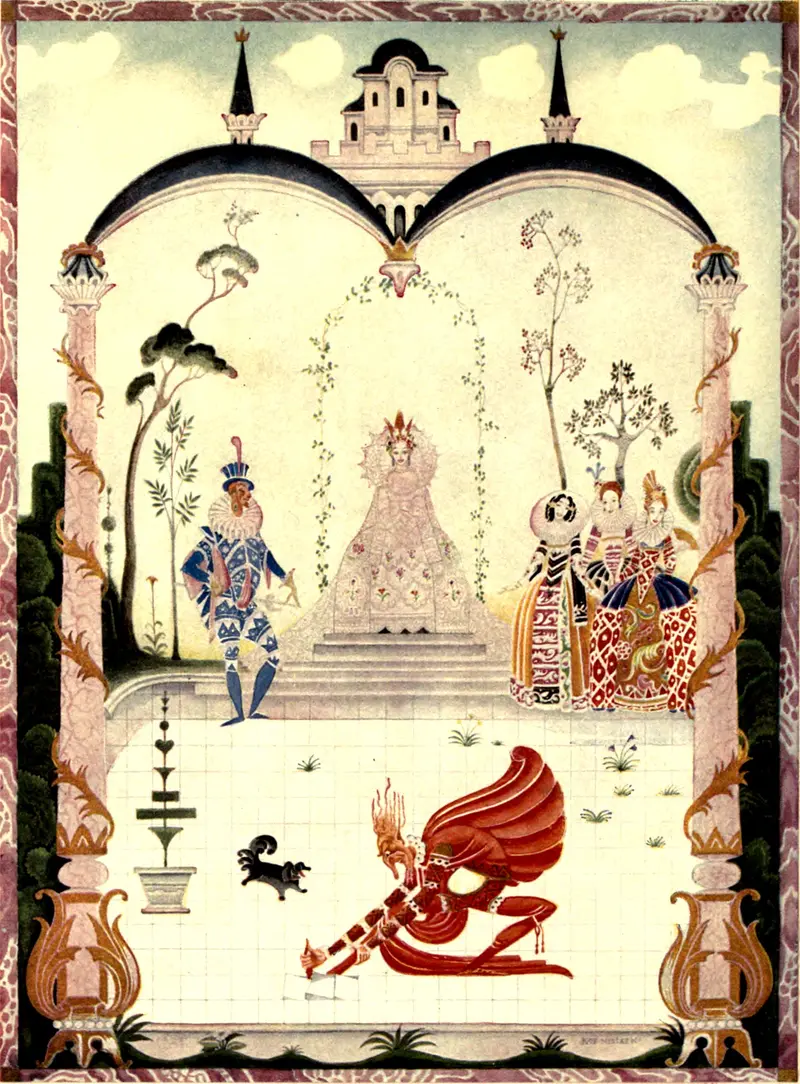
Frontispiece (Hansel and Gretel and Other Stories)
Kay Nielsen
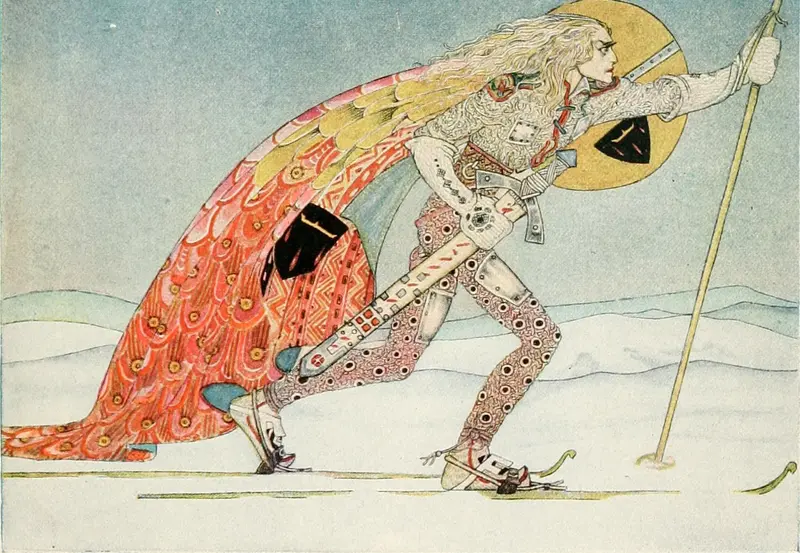
The Princesses of Whiteland (East of the Sun and West of the Moon)
Kay Nielsen





