
The Dauphin's Entry Into Paris — History & Facts
On 2 August 1358, the gates of Paris swung open to receive Charles, the young Dauphin of France, who would later become King Charles V. His entry marked a turning point in the Hundred Years’ War: Paris had been in turmoil after the Jacquerie uprising and the capture of King John II at Poitiers, and the city’s acceptance of the Dauphin signaled a fragile return to royal authority. When Jean Auguste Dominique Ingres chose this subject in 1821, he was responding to a growing fascination with France’s medieval past, a theme that resonated in the wake of the Bourbon Restoration.
The painting was commissioned for a series celebrating the glories of French history, aiming to link the legitimacy of the present monarchy to the storied resilience of its ancestors. Ingres captures the moment the Dauphin, clad in ceremonial armor and crowned with a laurel wreath, pauses at the city’s threshold. He is surrounded by a throng of Parisian citizens, clergy, and soldiers, their faces a tapestry of hope, anxiety, and relief. The raised standard bearing the fleur-de-lis, the golden chains of office, and the careful rendering of Gothic architecture all serve as emblems of legitimacy and continuity.
Light pours over the Dauphin, singling him out amid the crowd, while the somber tones elsewhere recall the uncertainty still shadowing the city. Unlike Delacroix’s later, more tumultuous historical scenes, Ingres chooses order and clarity, emphasizing the ceremonial over the chaotic. The fate of The Dauphin's Entry Into Paris after its completion is less well documented than some of Ingres’s other major works. Created during the artist’s early maturity, it reflects his growing reputation as a painter of history and his fascination with precise draftsmanship.
The painting was exhibited at the Paris Salon of 1821, where critics noted its "severe beauty" and careful composition, though some found its restraint at odds with the era’s taste for drama. Its current location is not widely recorded, and the original commission’s patron remains uncertain, but the work stands as a testament to Ingres’s commitment to the grand tradition of French historical painting, bridging the neoclassical discipline of David with the romantic historicism that would soon sweep Europe.
More Artworks by Jean Auguste Dominique Ingres
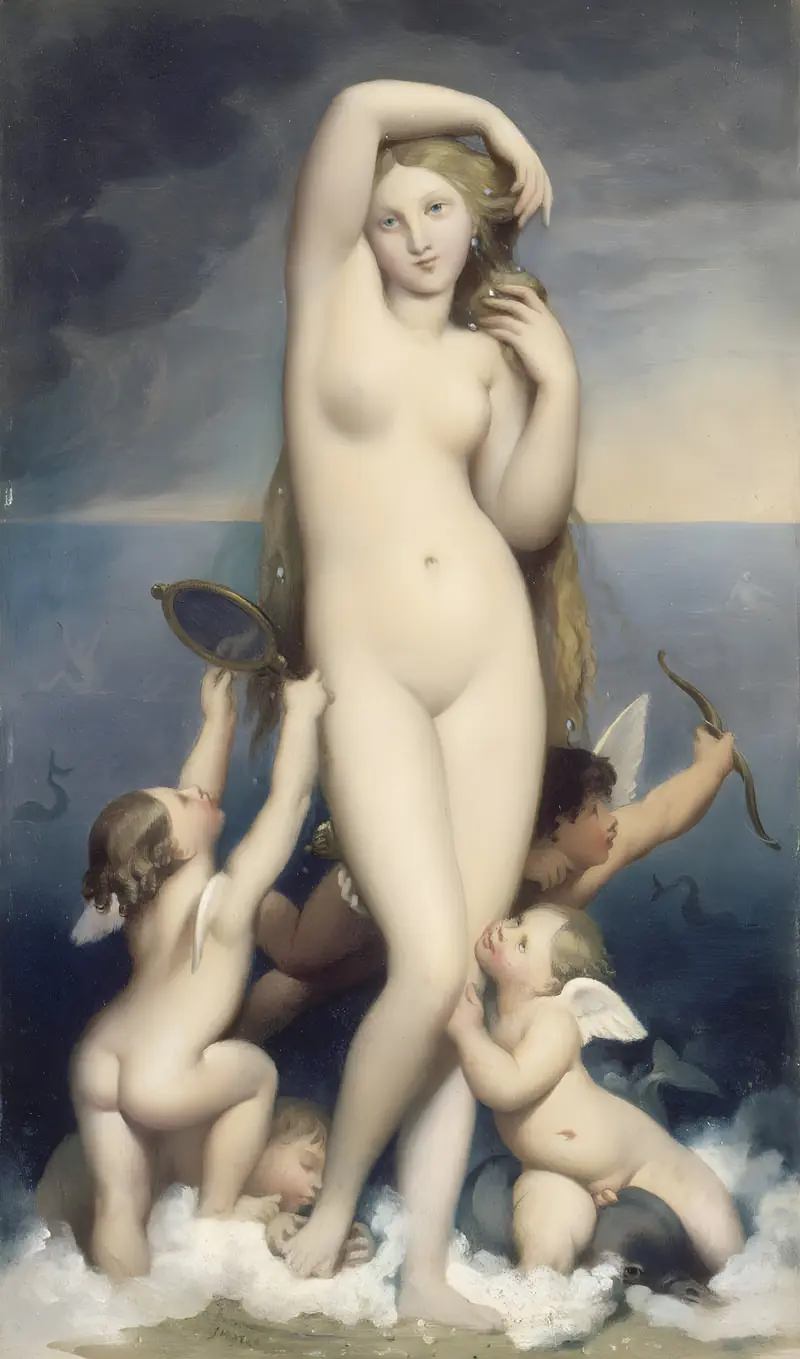
Vénus anadyomène
Jean Auguste Dominique Ingres
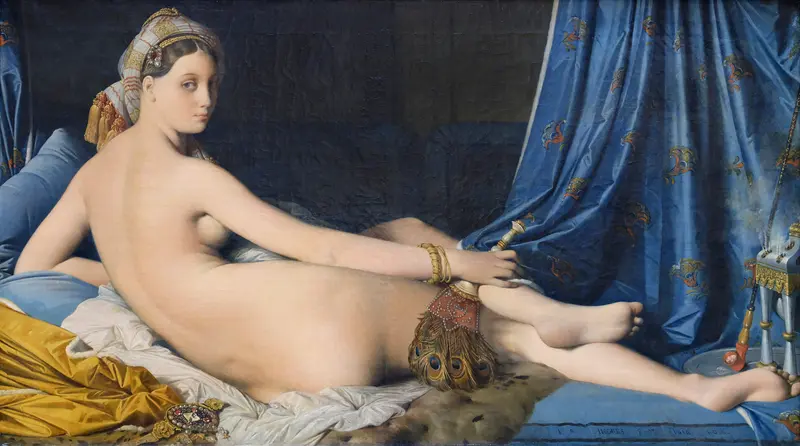
Grande Odalisque
Jean Auguste Dominique Ingres
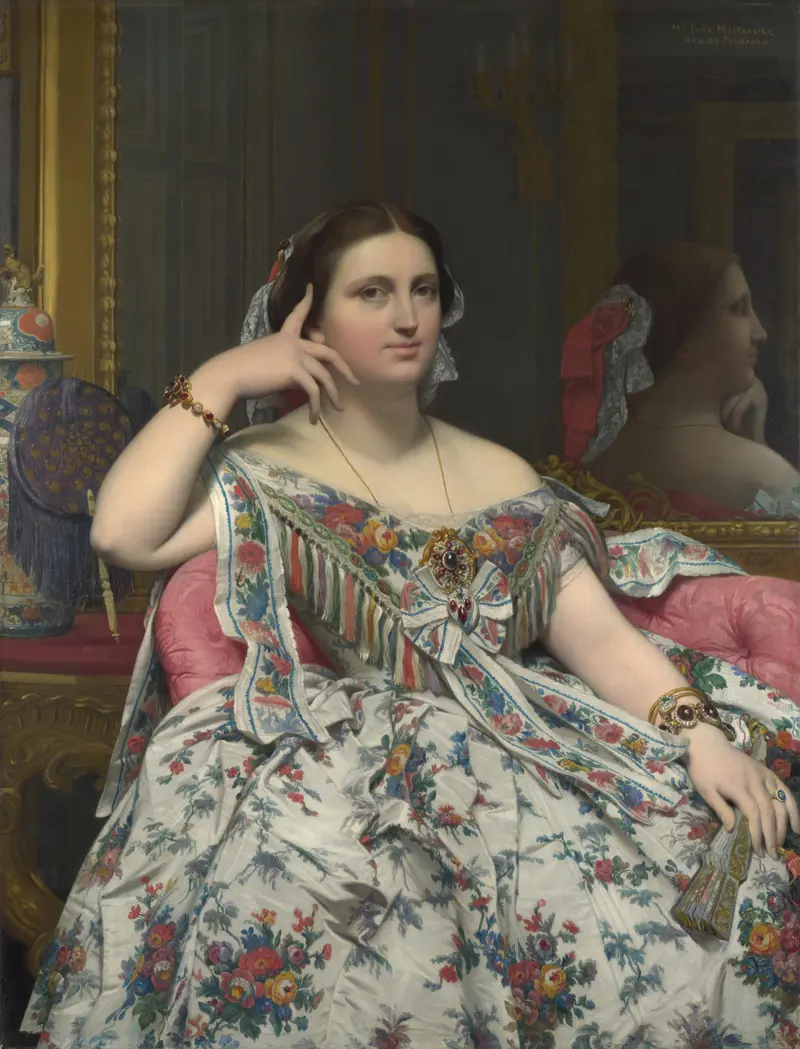
Madame Moitessier (seated)
Jean Auguste Dominique Ingres
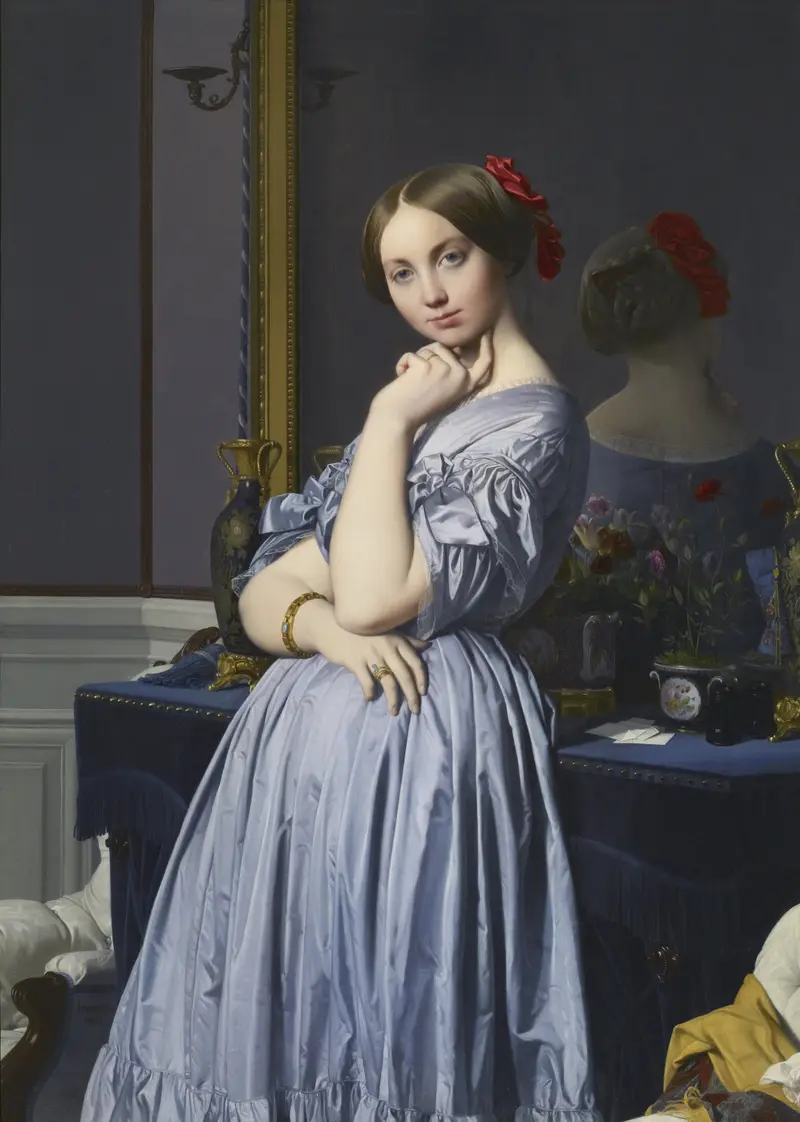
Portrait of Comtesse d’Haussonville
Jean Auguste Dominique Ingres
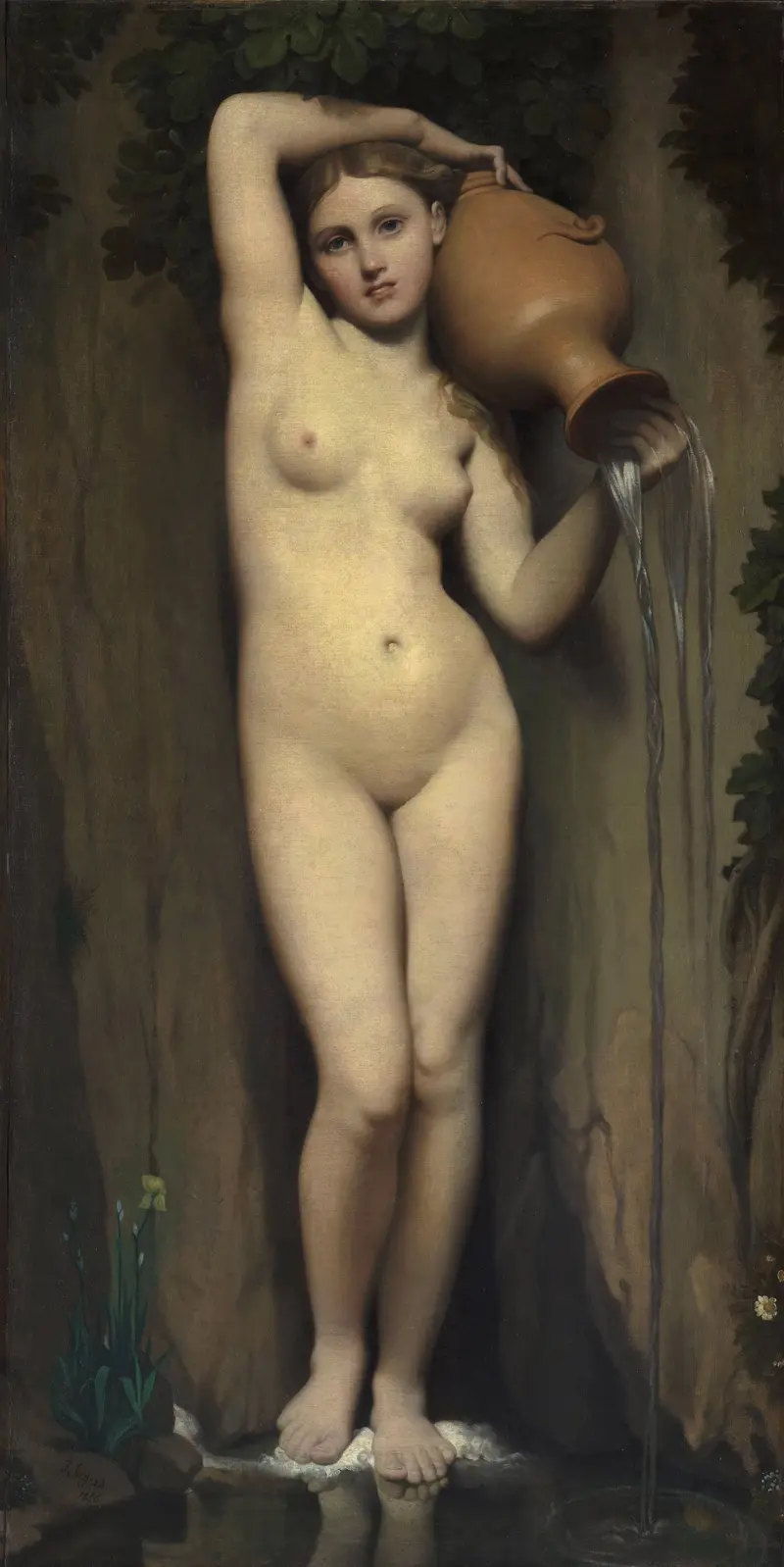
The Source
Jean Auguste Dominique Ingres
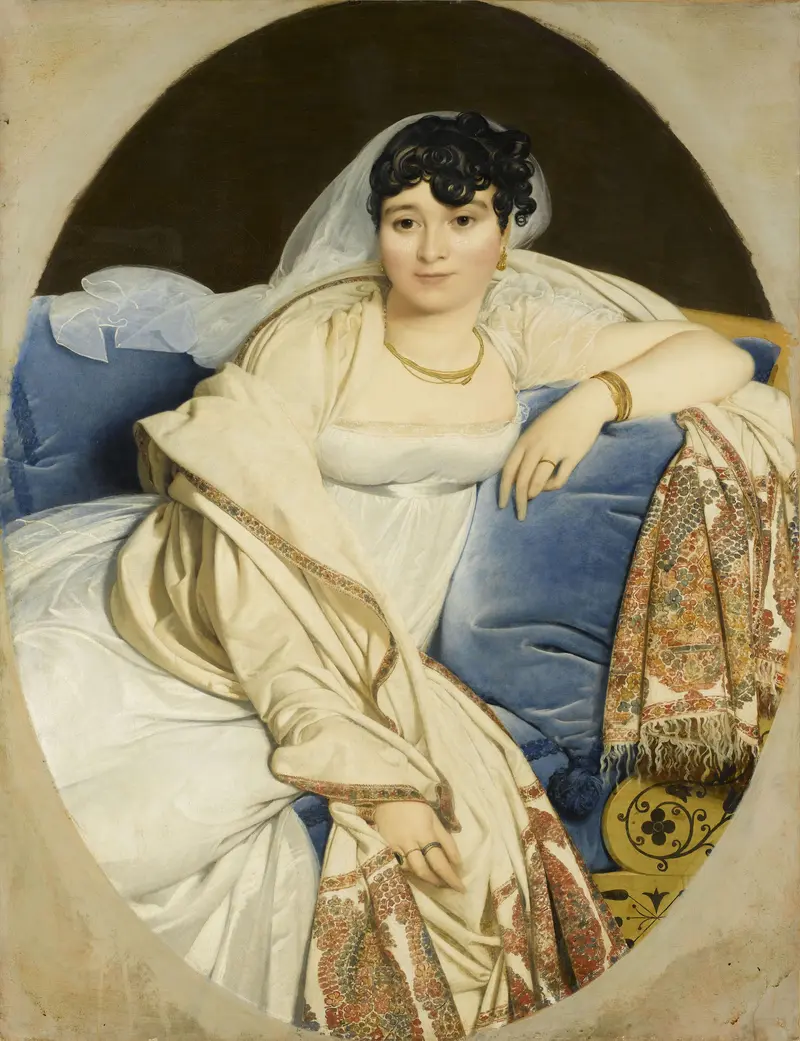
Madame Rivière
Jean Auguste Dominique Ingres

Madame Jean-Auguste-Dominique Ingres, née Madeleine Chapelle
Jean Auguste Dominique Ingres

Portrait of a Lady
Jean Auguste Dominique Ingres
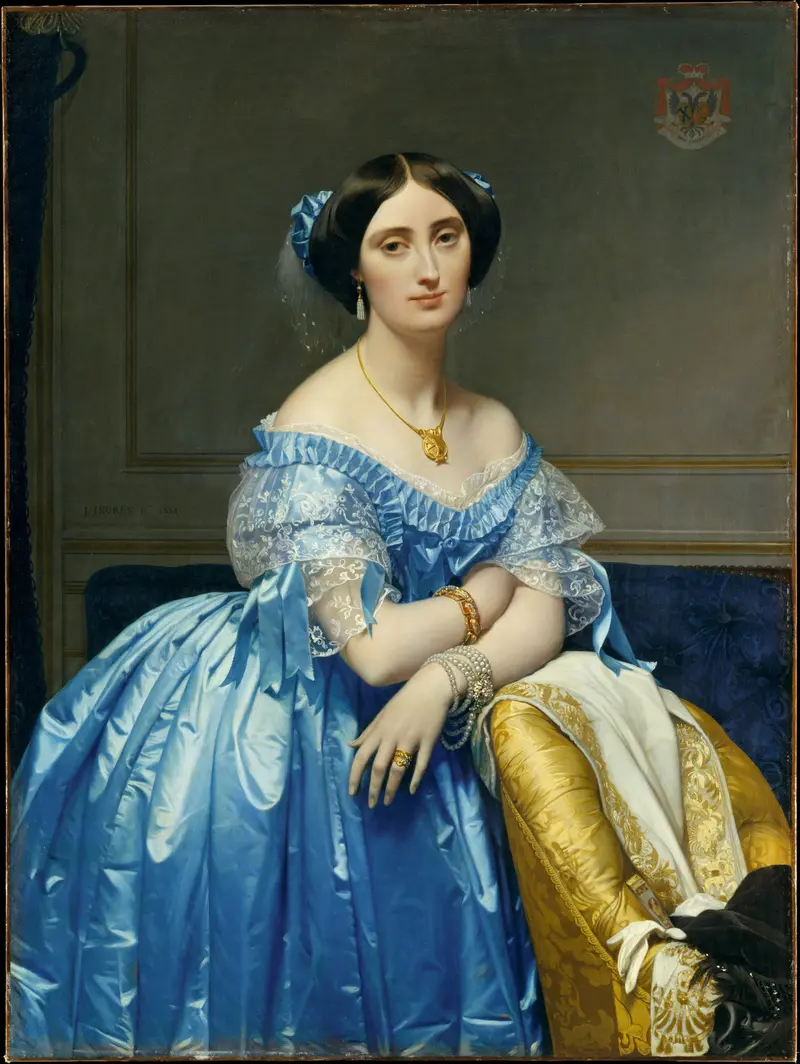
Joséphine-Éléonore-Marie-Pauline de Galard de Brassac de Béarn (1825–1860), Princesse de Broglie
Jean Auguste Dominique Ingres
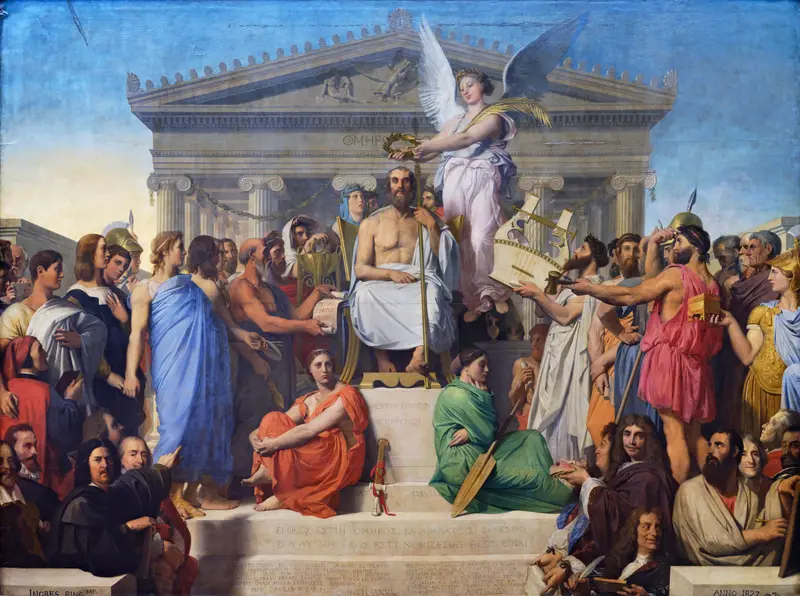
The Apotheosis of Homer
Jean Auguste Dominique Ingres





