
The Death Of Hyacinthus — History & Facts
In The Death of Hyacinthus, Giovanni Battista Tiepolo presents a dramatic scene filled with vibrant colors. The painting features Hyacinthus, a young man, lying on the ground, surrounded by figures expressing grief. The sky is painted in soft blues and whites, contrasting with the rich reds and greens of the surrounding landscape.
The composition draws the viewer's eye to the central figure, emphasizing the tragedy of the moment. This artwork is executed in oil on canvas, showcasing Tiepolo's skill in capturing light and movement. The brushwork is fluid, allowing for a dynamic representation of the figures and their emotions. The use of color is particularly striking, with a palette that enhances the emotional weight of the scene.
The dimensions of the painting are approximately 150 x 200 cm, making it a significant work within Tiepolo's oeuvre. Giovanni Battista Tiepolo was a prominent Italian painter of the 18th century, known for his grand and theatrical style. The Death of Hyacinthus is inspired by the myth of Hyacinthus, who was killed by a discus thrown by Apollo. An interesting fact about this work is that it reflects Tiepolo's ability to blend mythological themes with emotional depth, a hallmark of his Rococo style.
This painting is housed in the Museo del Prado, a testament to its importance in art history.
More Artworks by Giovanni Battista Tiepolo
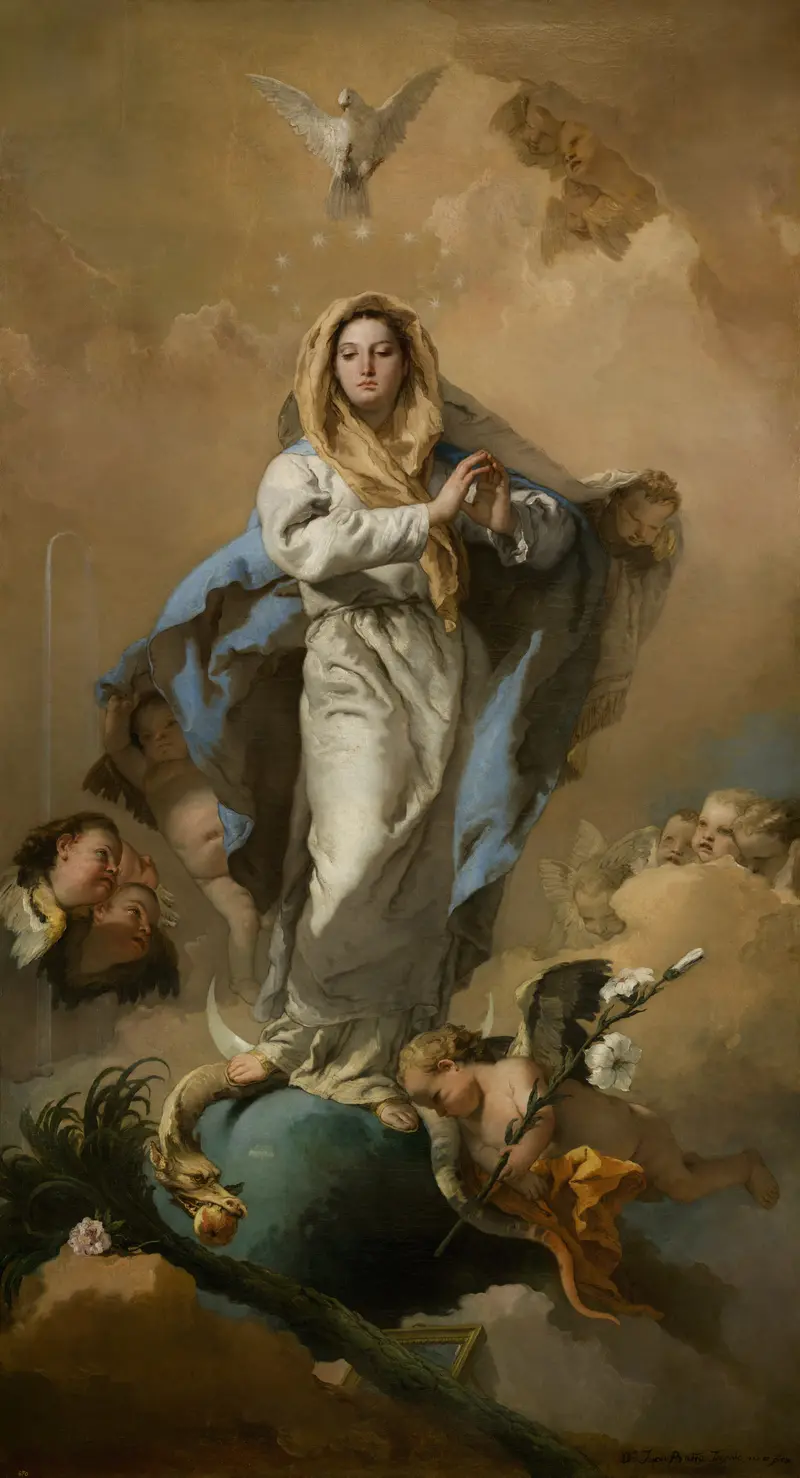
The Immaculate Conception
Giovanni Battista Tiepolo
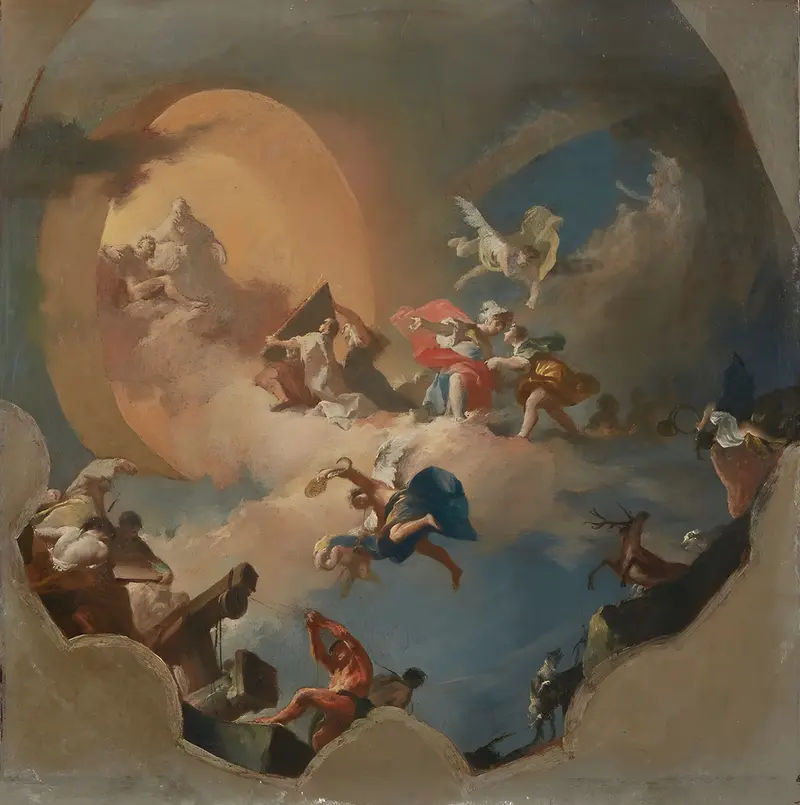
The Apotheosis of the Arts
Giovanni Battista Tiepolo
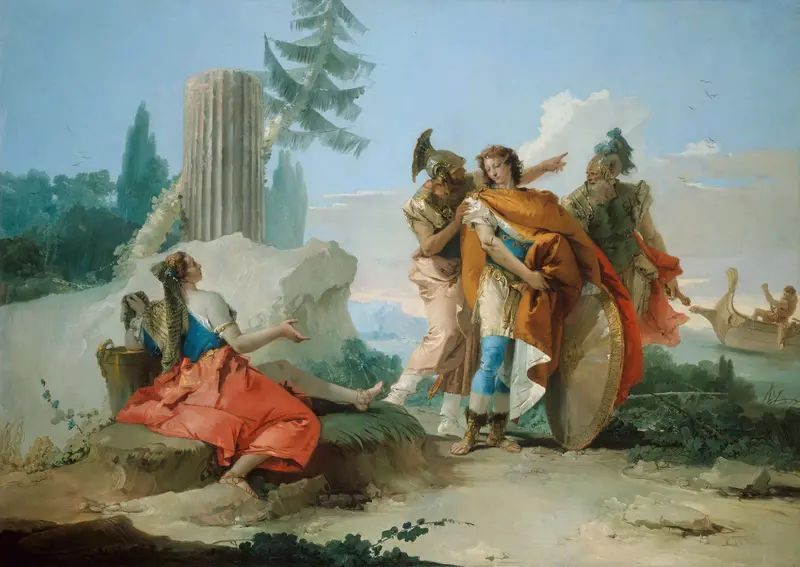
Armida Abandoned by Rinaldo
Giovanni Battista Tiepolo
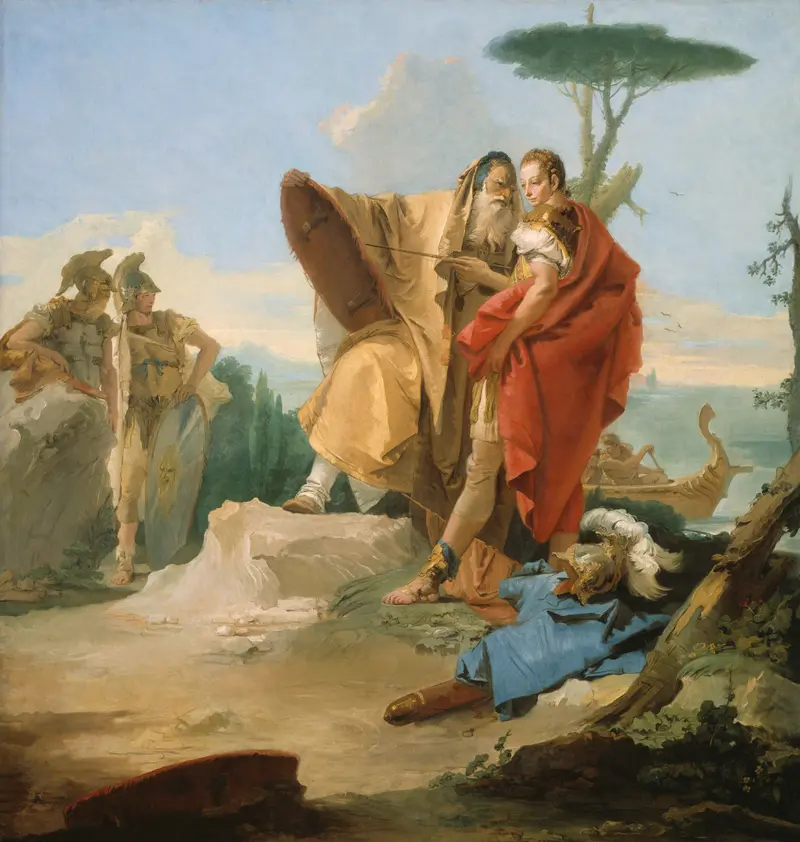
Rinaldo and the Magus of Ascalon
Giovanni Battista Tiepolo
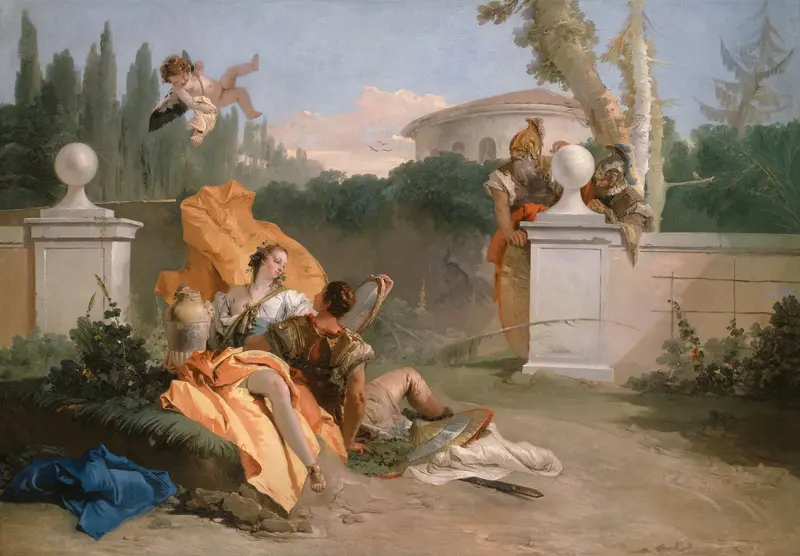
Rinaldo and Armida in Her Garden
Giovanni Battista Tiepolo
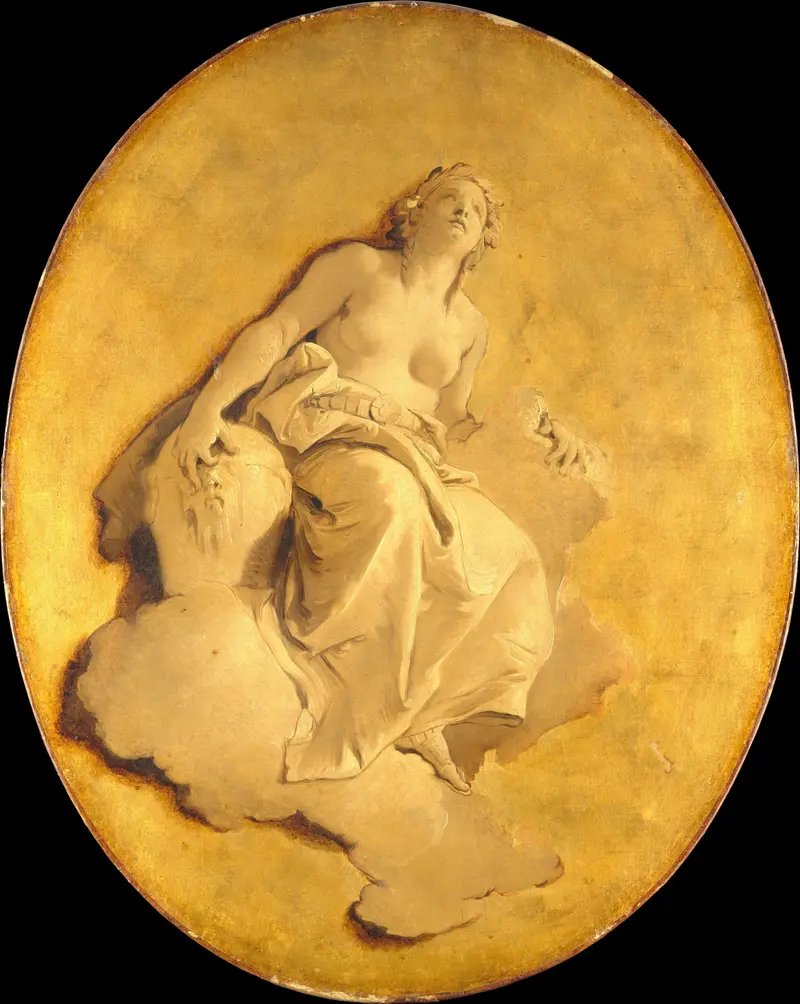
A Female Allegorical Figure
Giovanni Battista Tiepolo
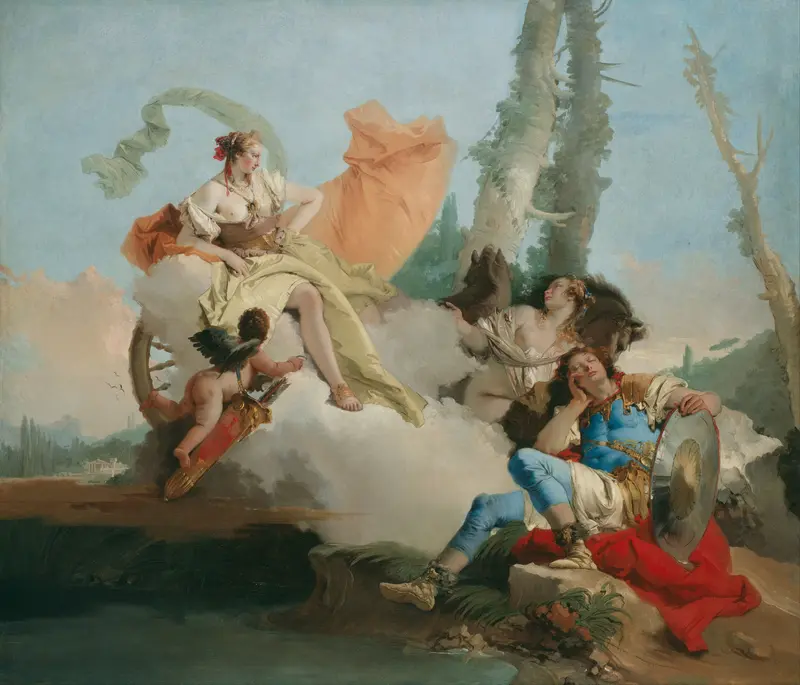
Armida Encounters the Sleeping Rinaldo
Giovanni Battista Tiepolo
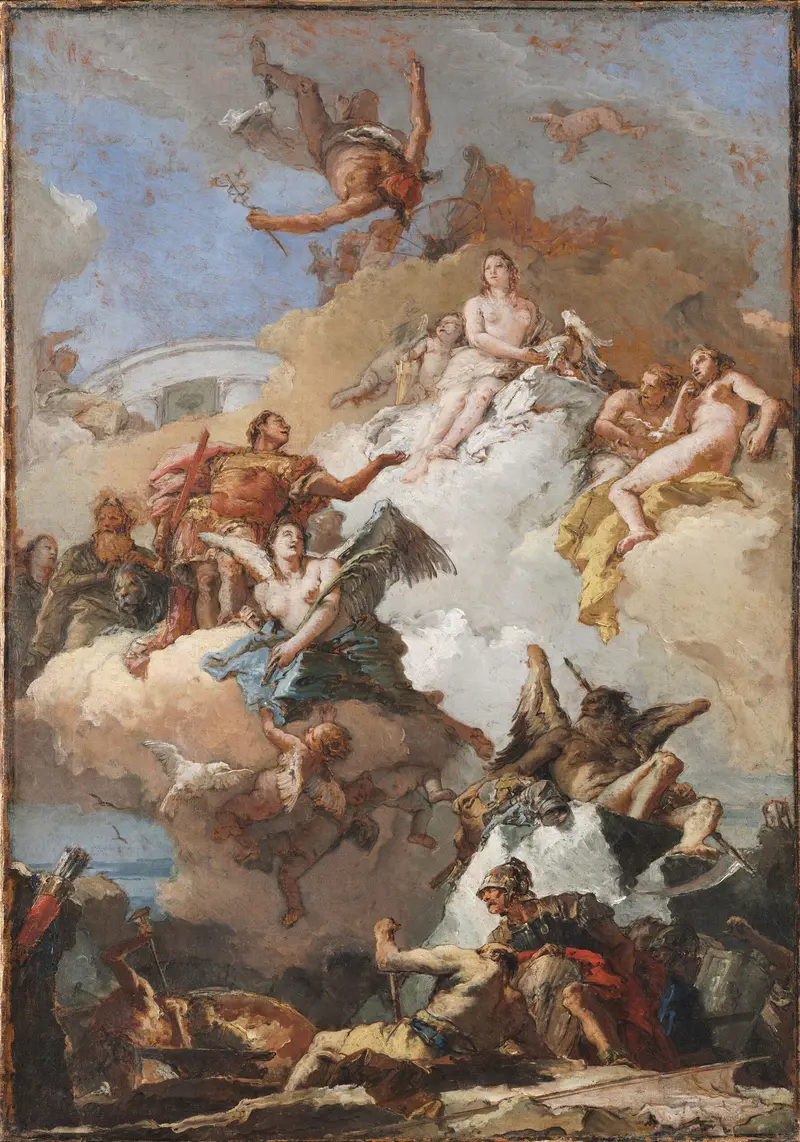
The Apotheosis of Aeneas
Giovanni Battista Tiepolo
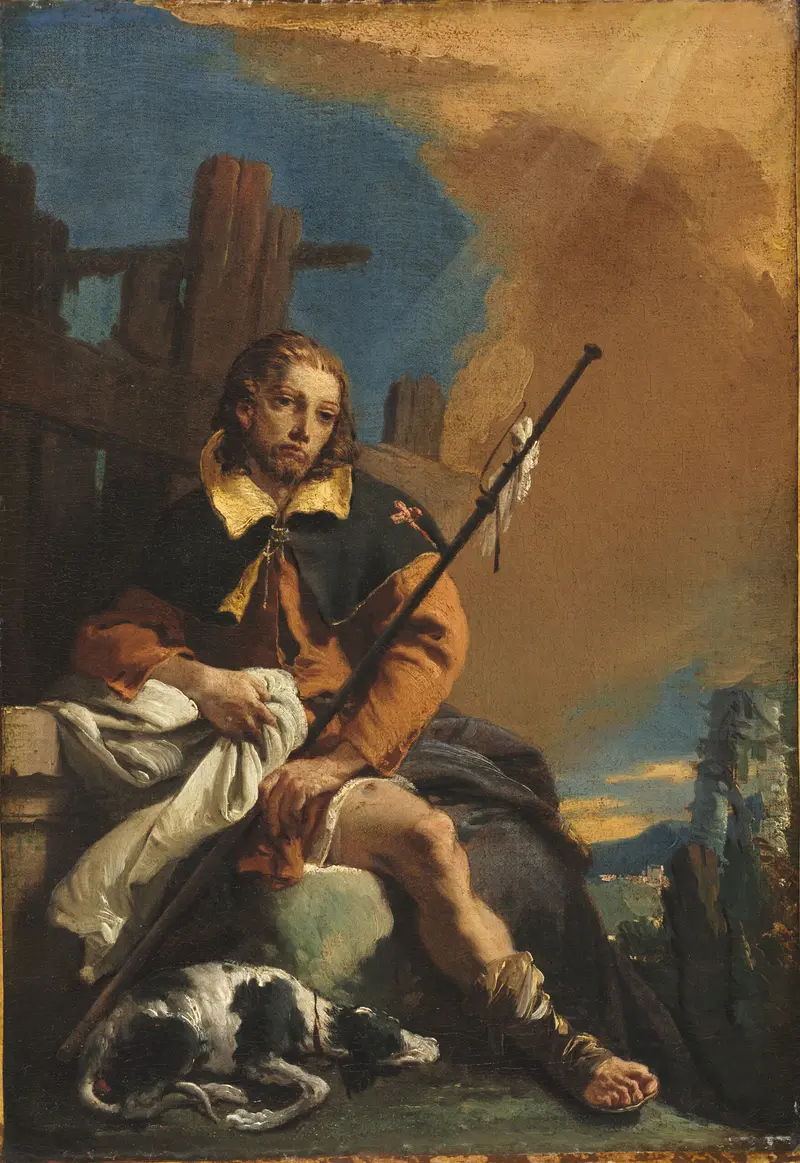
Saint Roch as a Pilgrim
Giovanni Battista Tiepolo
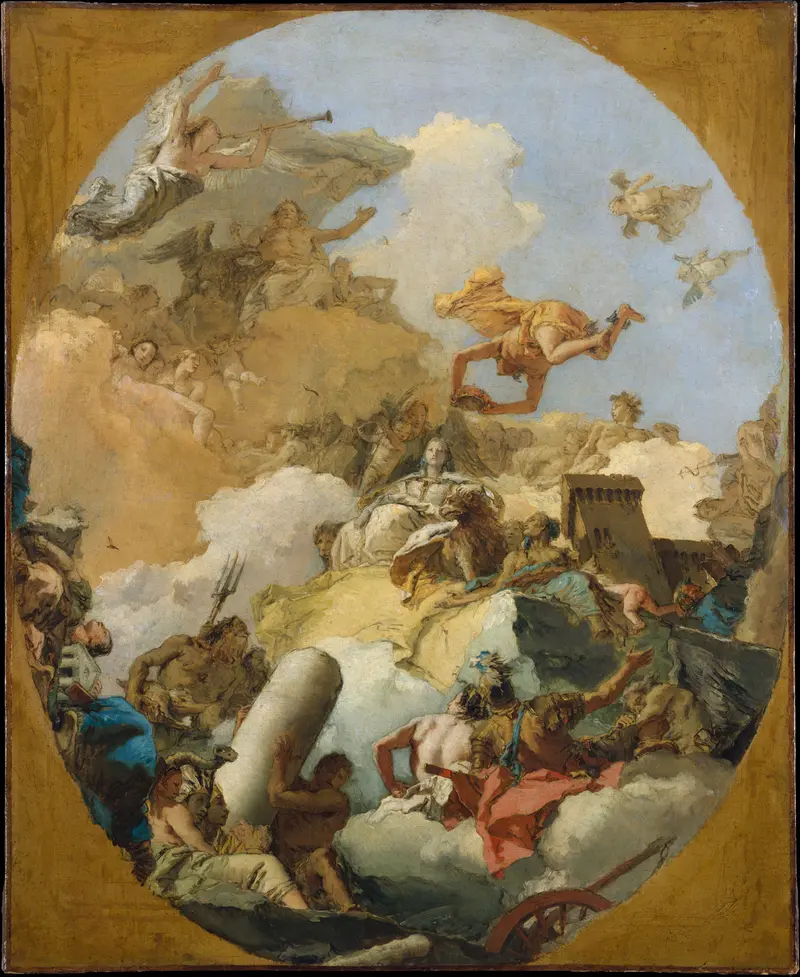
The Apotheosis of the Spanish Monarchy
Giovanni Battista Tiepolo





