
The Defense of the Sampo — History & Facts
What seizes the eye first in The Defense of the Sampo is the wild, white beard of the central figure, streaming like a banner in the wind as he raises an oar in defiance. The entire scene is wound tight with energy: bodies straining, arms locked in desperate struggle, every diagonal line pulling toward the clash at the prow. The sky behind, banded in gold and green, throws the drama into sharp relief, while a monstrous, winged figure looms over the boat, clutching at the oars with taloned hands.
The artist’s palette—acidic yellows, deep greens, and inky blacks—casts a spell of myth and menace, as if the world itself is at stake in this moment. Painted in 1896, this work belongs to a time when artists across Europe were reaching for the roots of their national stories, and in Finland, that meant turning to the Kalevala, the country’s great epic. History has kept few traces of the painting’s early journey, but today it resides in the Turku Art Museum, as documented by its source. In the late nineteenth century, such images were not mere illustrations; they were acts of cultural imagination, meant to forge identity and pride in a changing world.
The force of Akseli Gallen-Kallela’s vision still demands attention—inviting viewers to step closer, to trace the swirl of hair and the locked gazes, and to wonder what legends might still be waiting in the shadows.
More Artworks by Akseli Gallen-Kallela
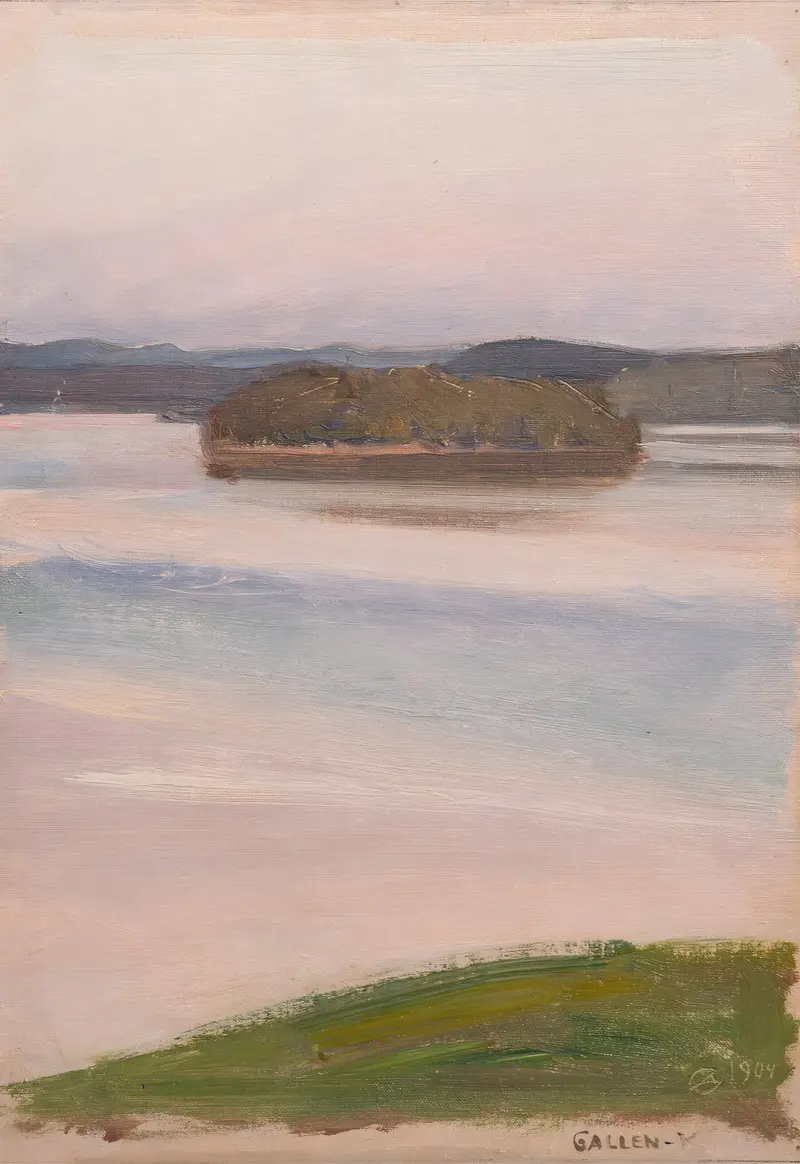
Lake Keitele
Akseli Gallen-Kallela
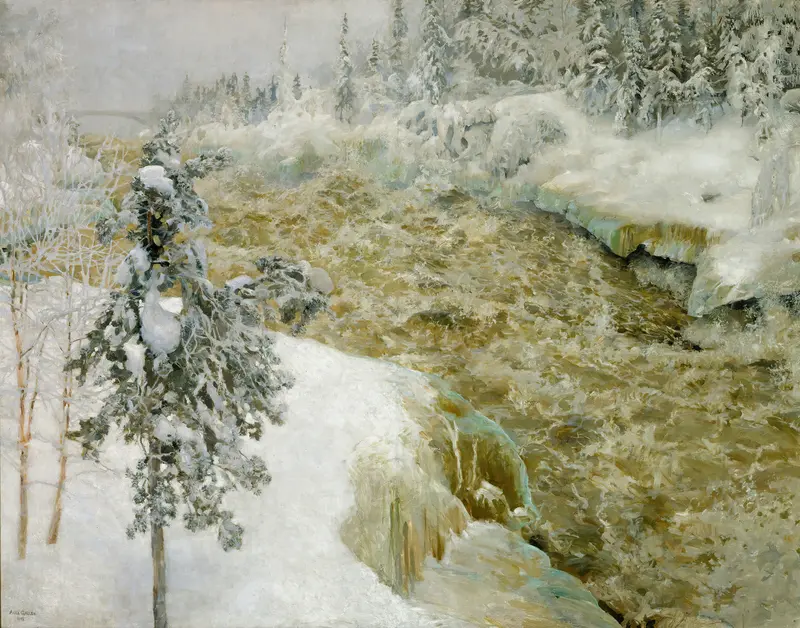
Imatra Falls in Snow ; Imatra in Winter
Akseli Gallen-Kallela
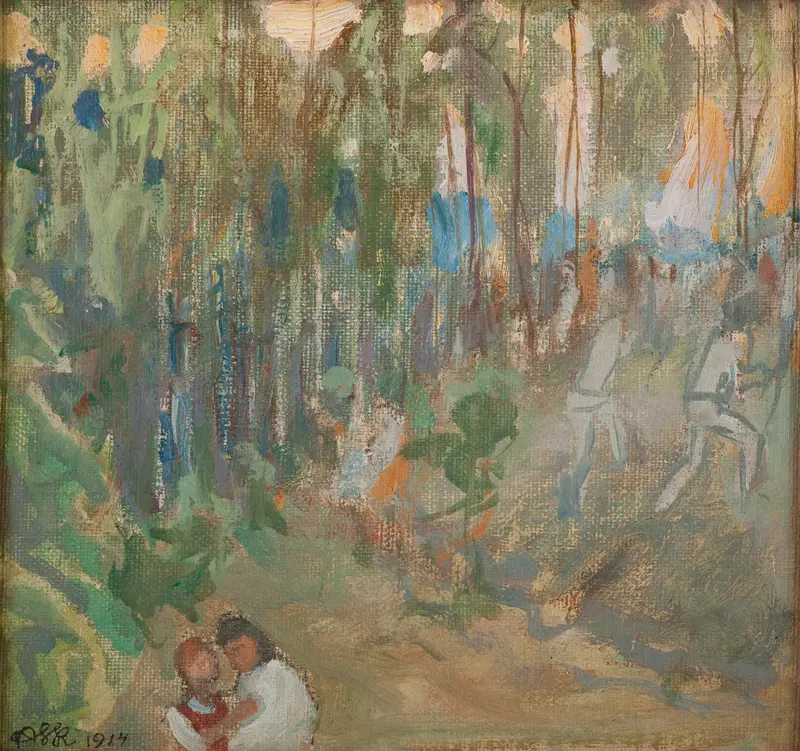
Vainovalkeat
Akseli Gallen-Kallela
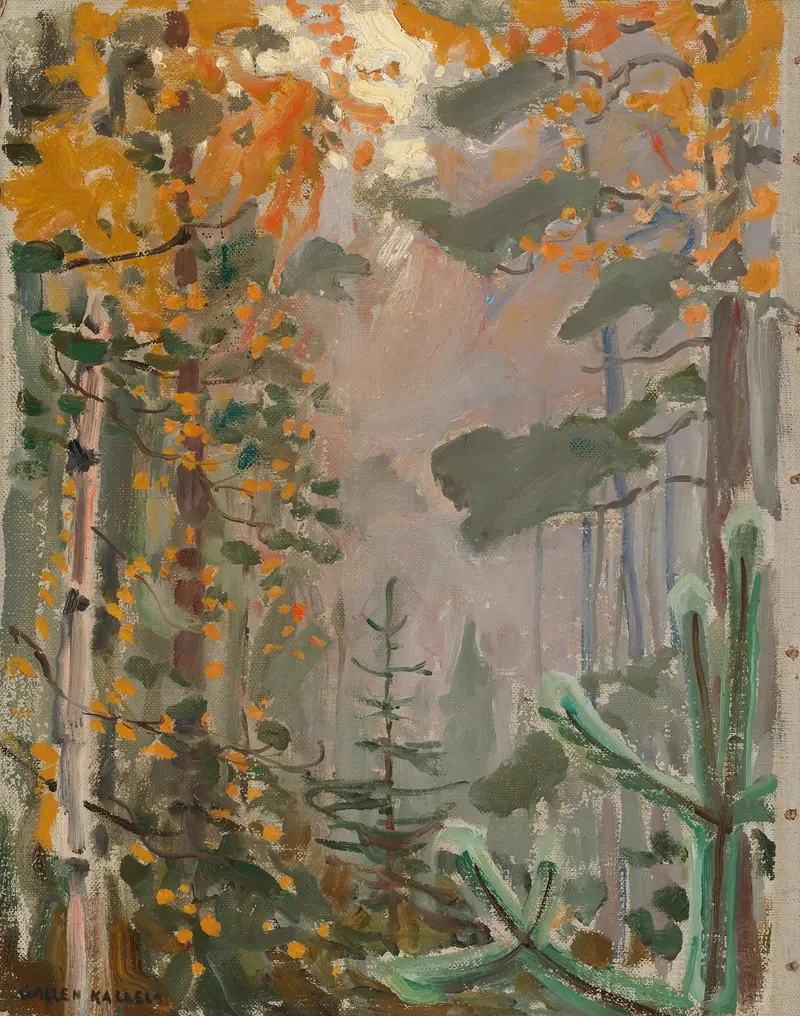
Autumn Landscape
Akseli Gallen-Kallela
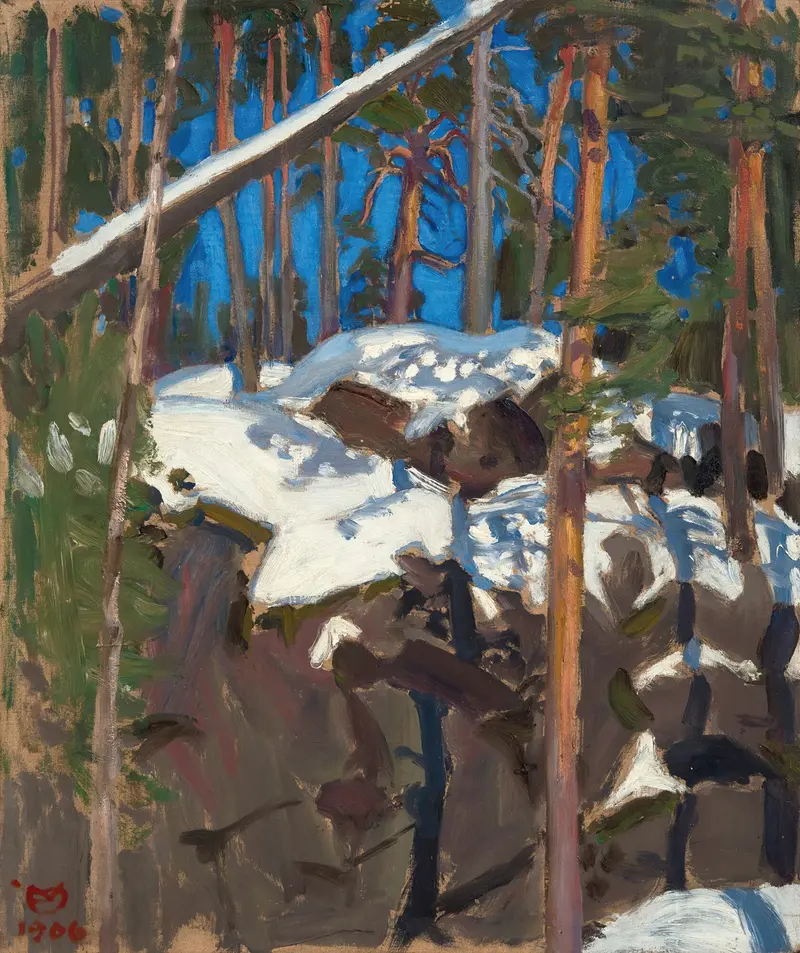
Spring Sun At Konginkangas
Akseli Gallen-Kallela
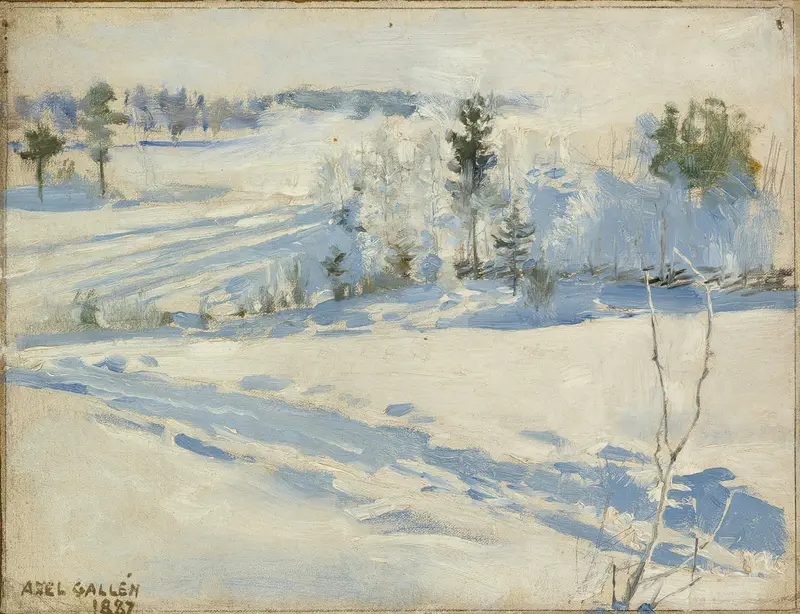
Winter Landscape
Akseli Gallen-Kallela

First Snow
Akseli Gallen-Kallela
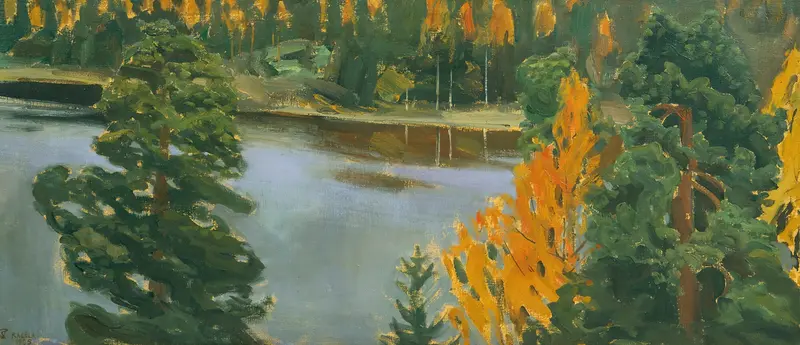
Lake View In Autumn
Akseli Gallen-Kallela
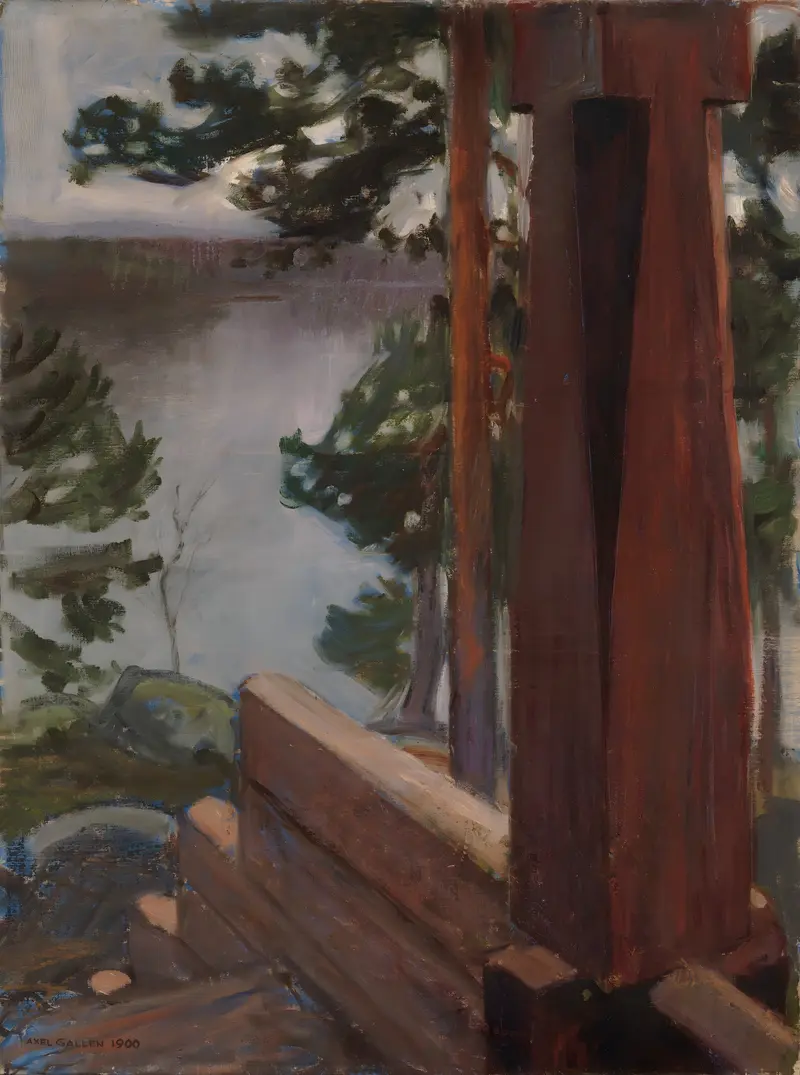
The Kalela Porch
Akseli Gallen-Kallela

Light Behind The Clouds
Akseli Gallen-Kallela





