
The Delousing — History & Facts
What grabs the eye first in The Delousing by Adriaen Brouwer is not the act itself, but the rough intimacy of the scene—a trio pressed together in a dim, smoky corner, their faces caught between suspicion and complicity. The central figure bends over, hair falling forward, while another, with a white cap and a blunt, weathered face, leans in with a comb poised for action. A third man, mouth twisted in a sly grin and red cap askew, thrusts his arm around the delouser’s shoulders, as if sharing a joke or a secret.
The light, thick and low, pools on their hands and faces, drawing the viewer into the huddle and making the small gesture of the comb feel monumental. The palette is earthy, the mood conspiratorial—this is not a scene of shame, but of shared survival. Painted between 1620 and 1638, this work belongs to a world where scenes of everyday life—especially those of the lower classes—were gaining new attention in the Low Countries. Artists like Brouwer found humor, humanity, and sometimes biting satire in the humble rituals of peasants and tavern-goers, offering collectors a window into a reality both familiar and strange.
Such paintings were prized by a rising urban middle class, who saw in them both a mirror and a moral lesson. Now in the collection of the Museo del Prado, The Delousing stands as a vivid fragment of this era, its rough laughter and quiet discomfort as immediate today as when it was painted. Let your gaze linger on the faces: each one is a story, half-told and waiting for the next observer to finish it.
More Artworks by Adriaen Brouwer

The Smokers
Adriaen Brouwer
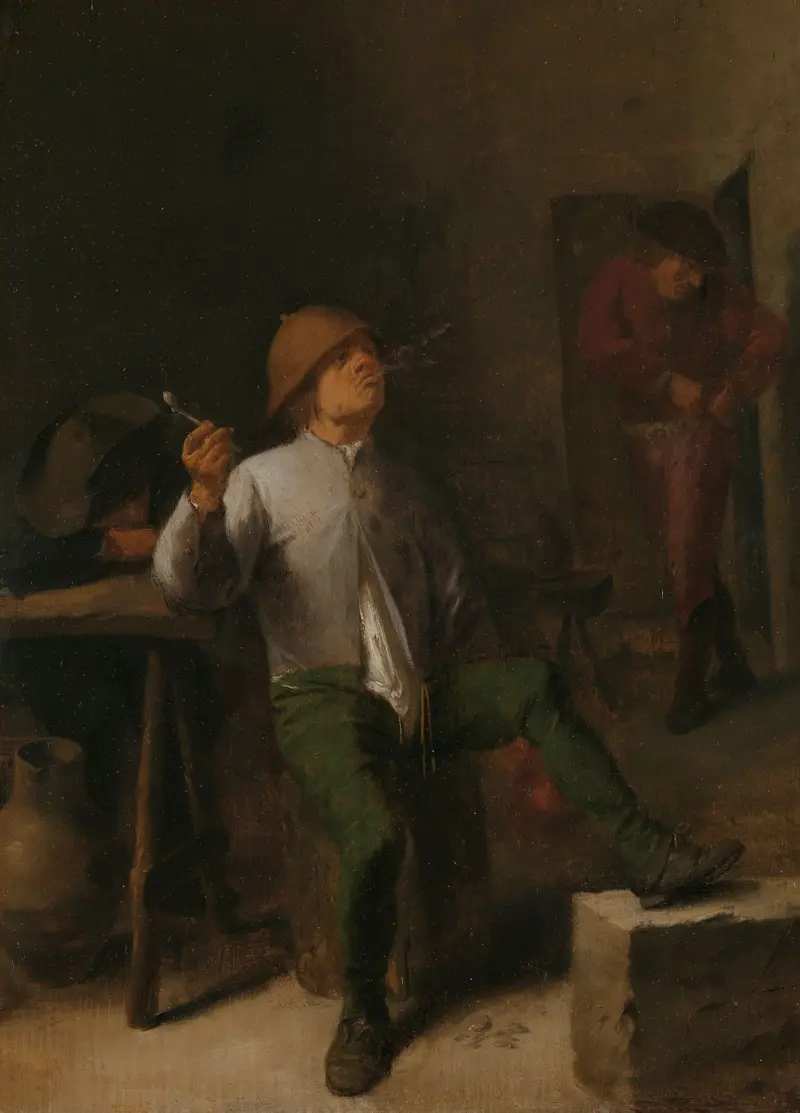
The Smoker
Adriaen Brouwer
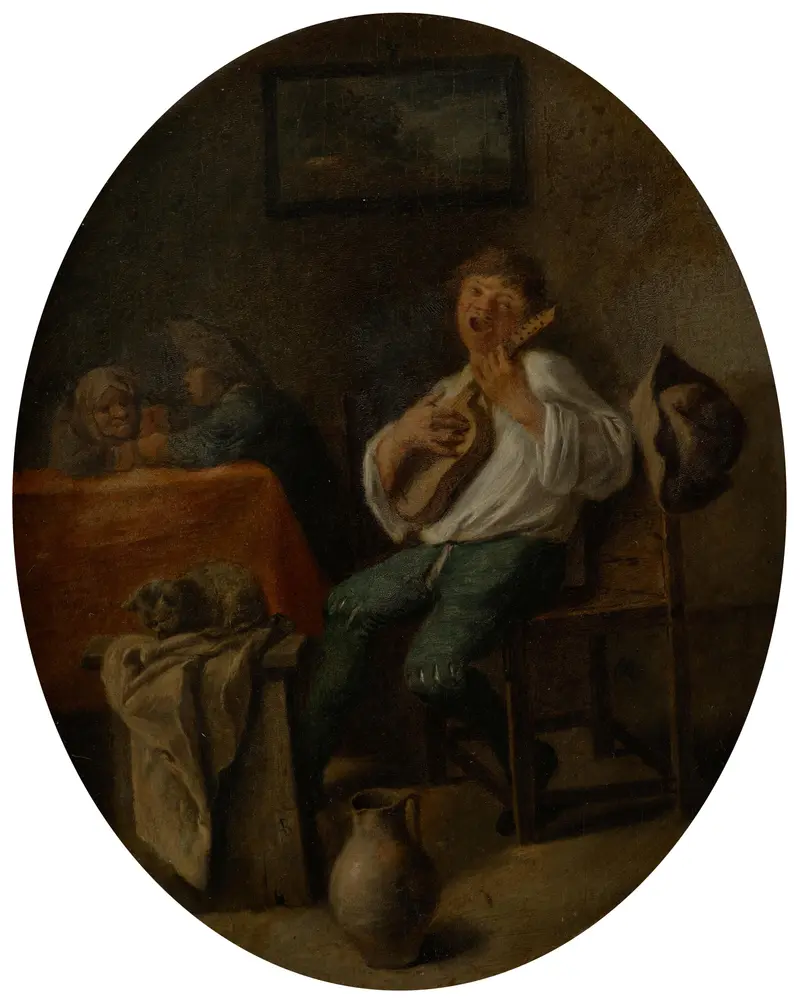
The Guitar Player
Adriaen Brouwer
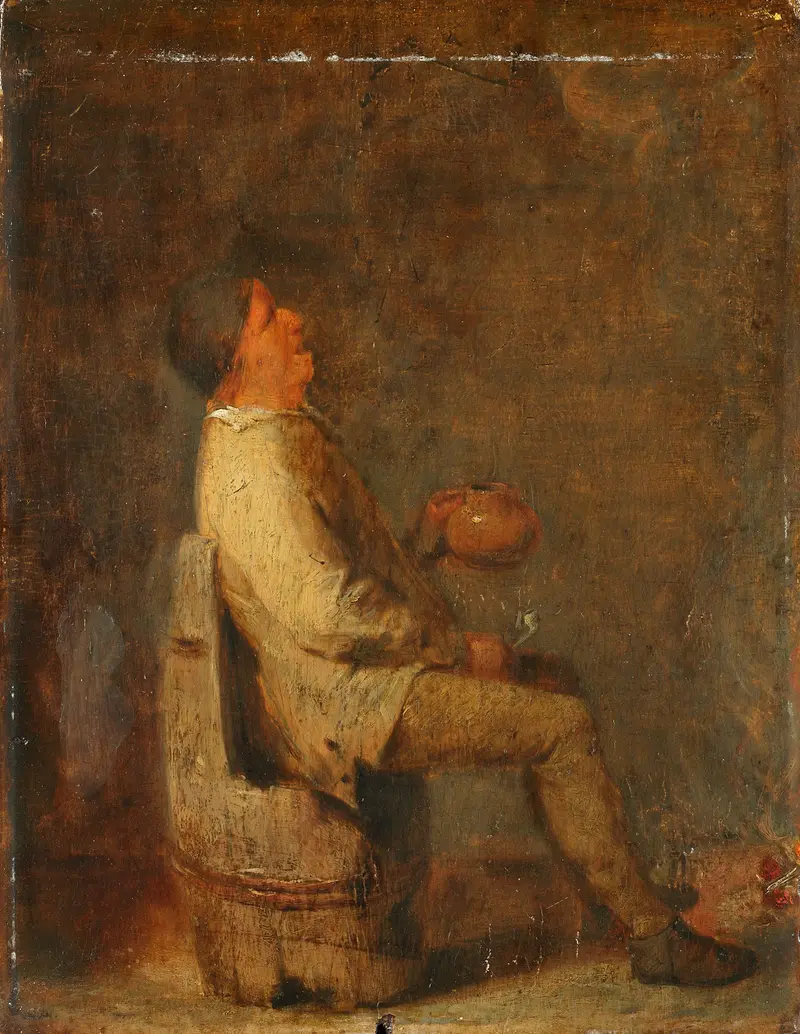
A Peasant Singing
Adriaen Brouwer
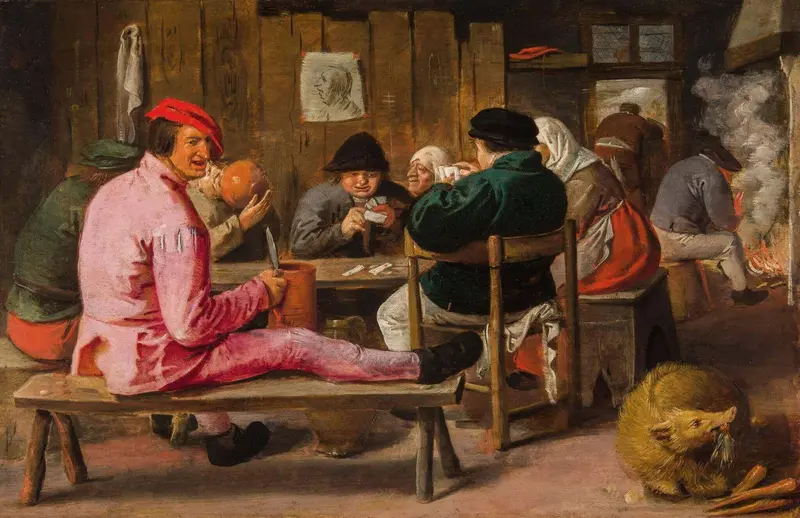
Merry Peasants in an Inn
Adriaen Brouwer
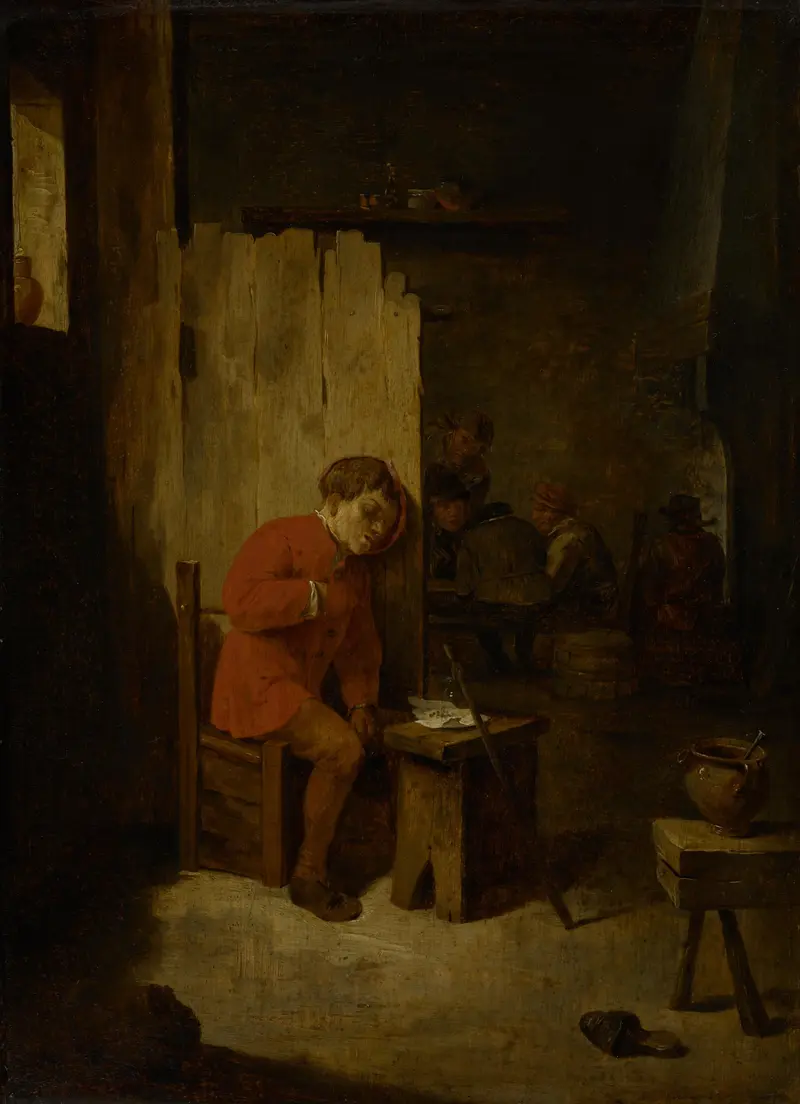
Nachahmer, Schlafender Bauer 853G Gemäldegalerie
Adriaen Brouwer
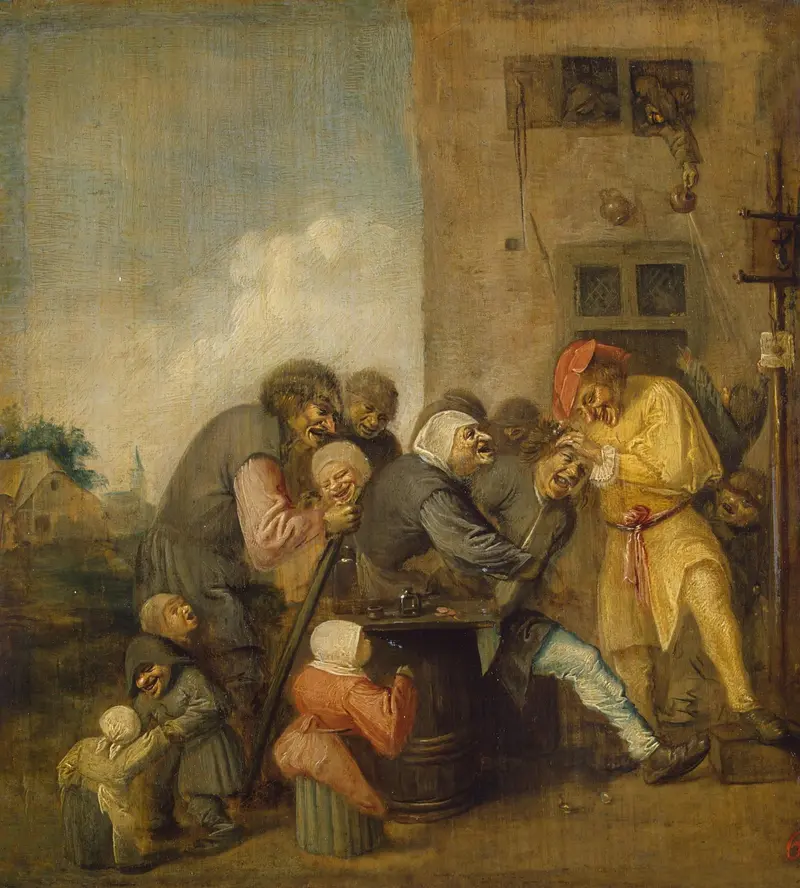
Village Charlatan (The Operation for Stone in the Head)
Adriaen Brouwer
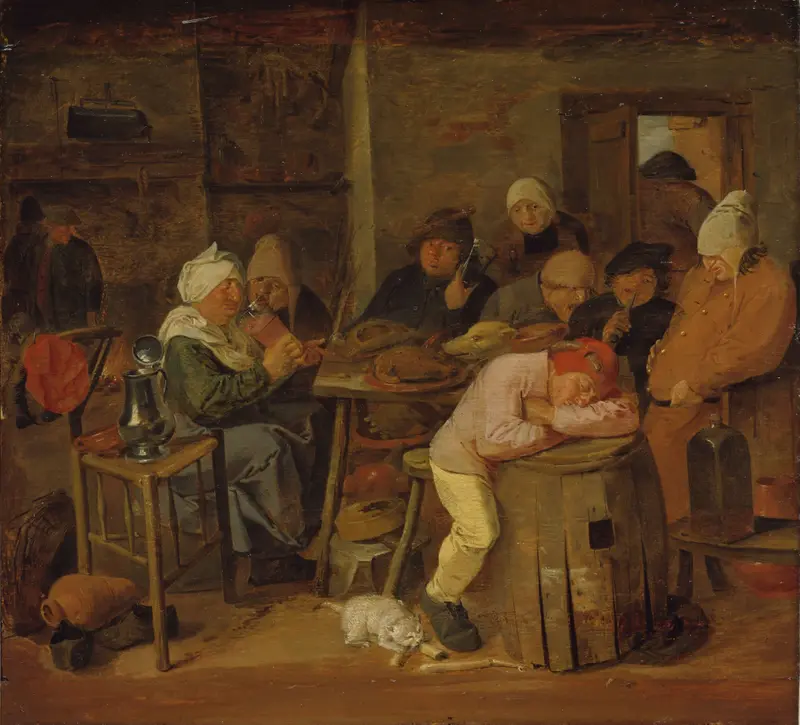
Peasants in an interior (The slaughter feast)
Adriaen Brouwer
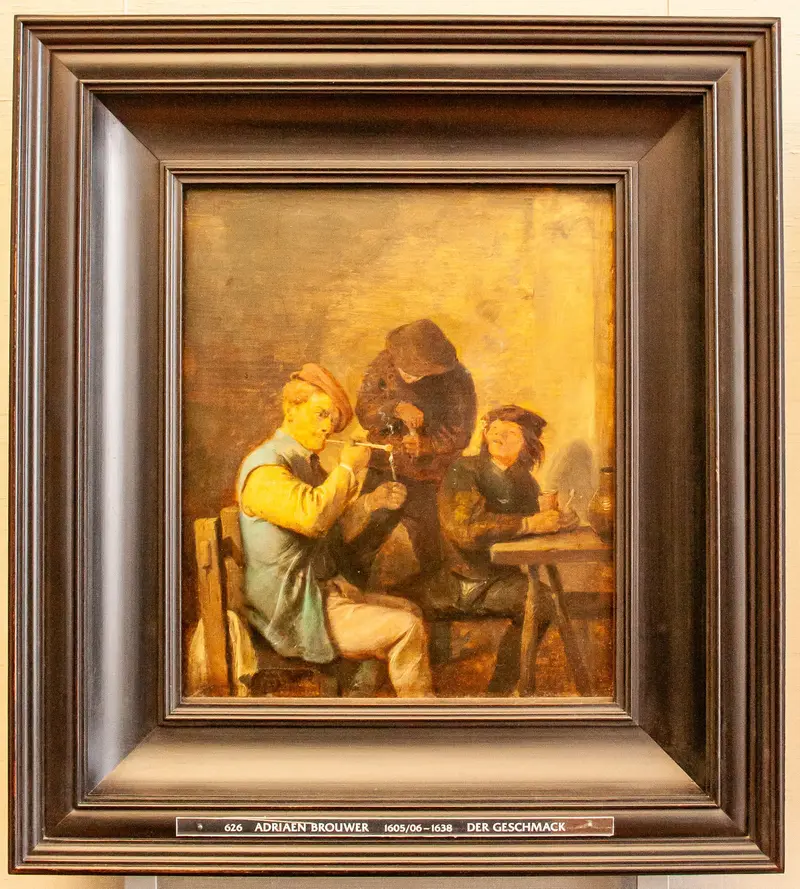
The Taste
Adriaen Brouwer
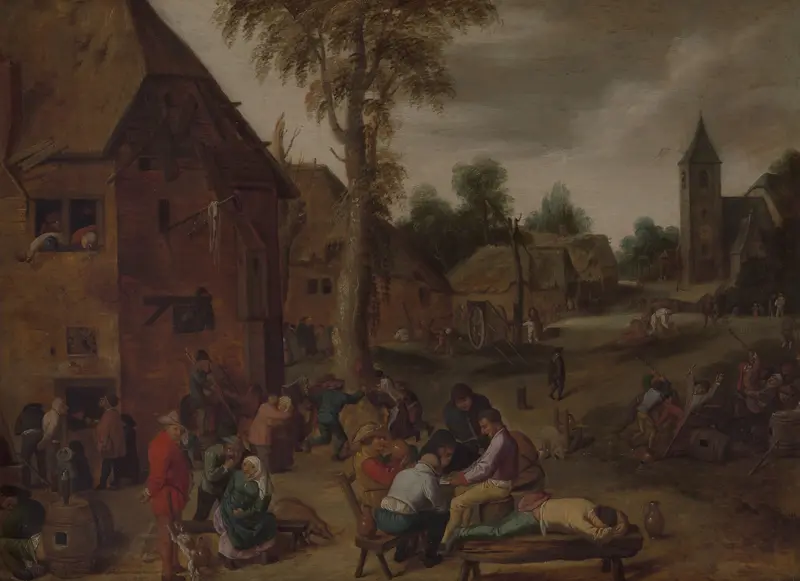
A Fair
Adriaen Brouwer
More Genre Scene Art

Banquet of the Officers of the St George Civic Guard
Frans Hals

Rembrandt and Saskia in the Scene of the Prodigal Son
Rembrandt van Rijn

Bal du moulin de la Galette
Pierre-Auguste Renoir

Quadrille at the Moulin Rouge
Henri de Toulouse-Lautrec

A Burial at Ornans
Gustave Courbet

When Will You Marry?
Paul Gauguin