
The Drummond Children — History & Facts
When Sir Henry Raeburn painted The Drummond Children, he was already celebrated as the leading portraitist of Enlightenment-era Scotland, and this work stands out for its unusually informal composition. Unlike the stiff formality that often characterized aristocratic family portraits of the late eighteenth and early nineteenth centuries, Raeburn’s depiction of the Drummond siblings is alive with movement and intimacy. The painting’s relaxed grouping and the children’s animated expressions were noted by early critics as a departure from convention—one contemporary wrote admiringly of Raeburn’s ability to “catch the fleeting spirit of youth.” The exact circumstances of the commission remain uncertain, but the Drummond family, prominent landowners, likely sought to capture their children at a moment of familial happiness. In the painting, the viewer is drawn into a scene of gentle play: the eldest child, perhaps assuming a protective role, places an arm around a younger sibling, while another child leans forward, eyes bright with curiosity.
The children’s clothing—rich but not ostentatious—signals their status, yet Raeburn’s loose brushwork and soft lighting emphasize their individuality rather than their privilege. The background, a muted landscape, frames the group without distracting from their interaction, allowing their personalities to emerge. This approach contrasts with, for example, Sir Joshua Reynolds’s more formal and allegorical group portraits, where children often appear as miniature adults or classical figures.
Raeburn’s choice to focus on the natural affection between siblings marks a shift toward a more personal and psychological portraiture. The precise journey of The Drummond Children after its creation is not fully documented, a common fate for private family portraits of the period. It is believed to have remained in the Drummond family’s possession for several generations before entering a public collection. Today, the painting is recognized as a key example of Raeburn’s innovative approach to portraiture, blending informality with psychological insight.
Its place in his oeuvre underscores his role in shaping the distinctive character of Scottish painting during the Enlightenment. While the identities of the children may now be lost to time, their lively presence continues to speak to viewers, centuries after the brush first touched canvas.
Sources: Wikidata Q19905236
More Artworks by Sir Henry Raeburn

Portrait of Hugh Hope
Sir Henry Raeburn
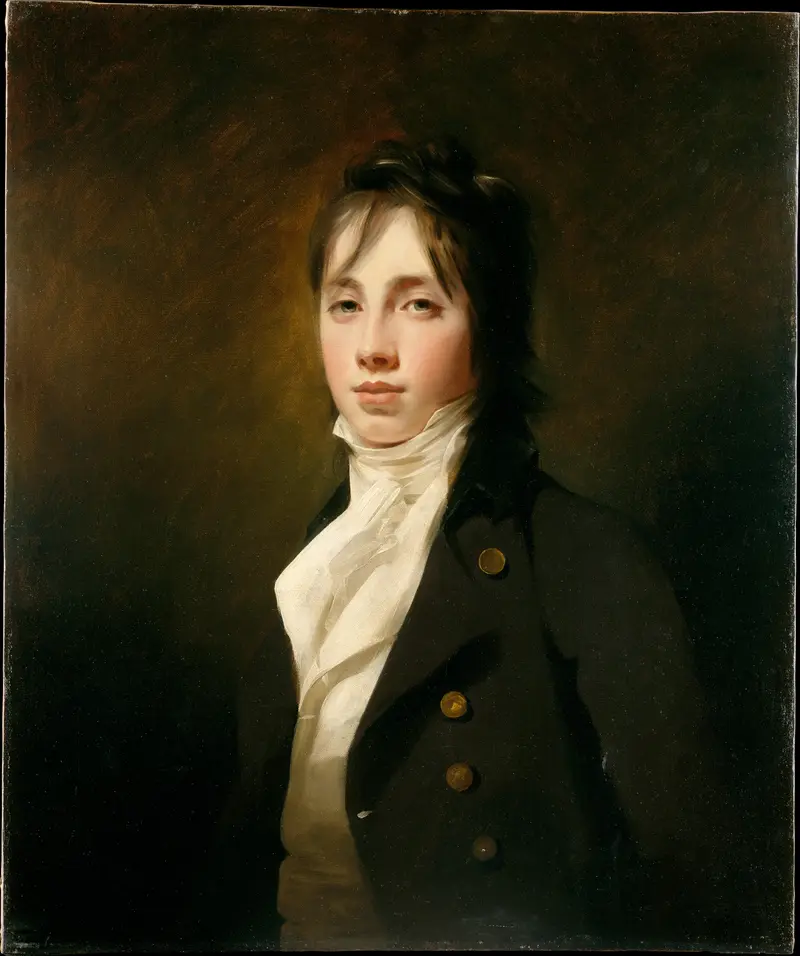
William Fraser of Reelig (1784–1835)
Sir Henry Raeburn
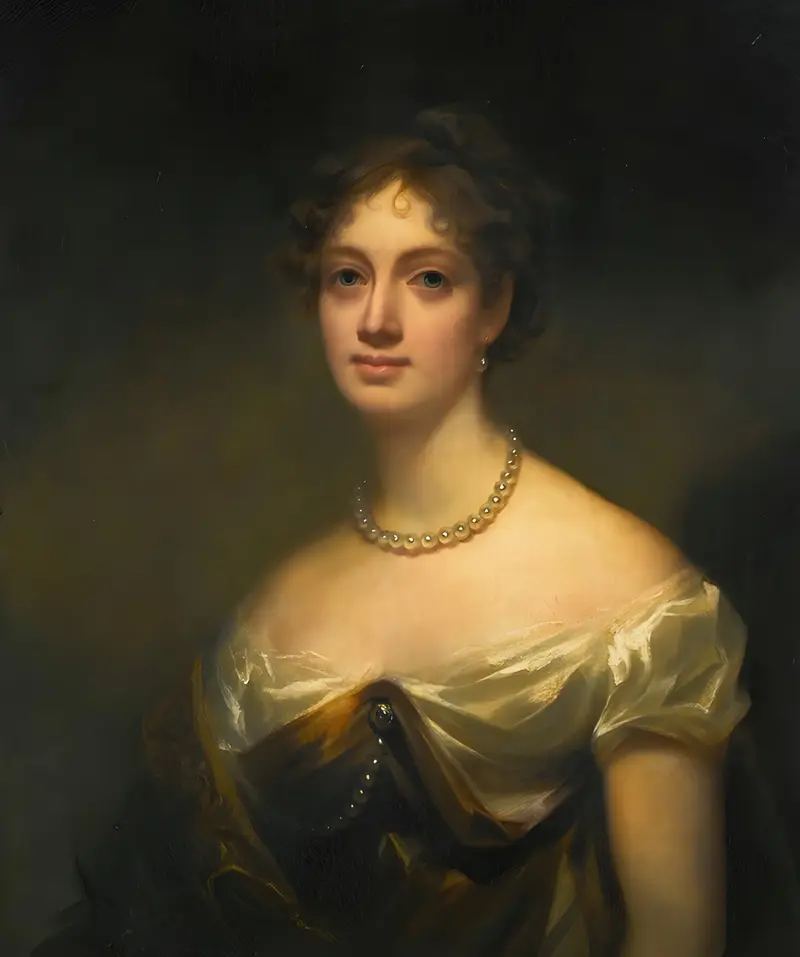
Portrait Of Anne Blair Maconochie Welwood Of Garvock, Lady Meadowbank (1784–1866)
Sir Henry Raeburn
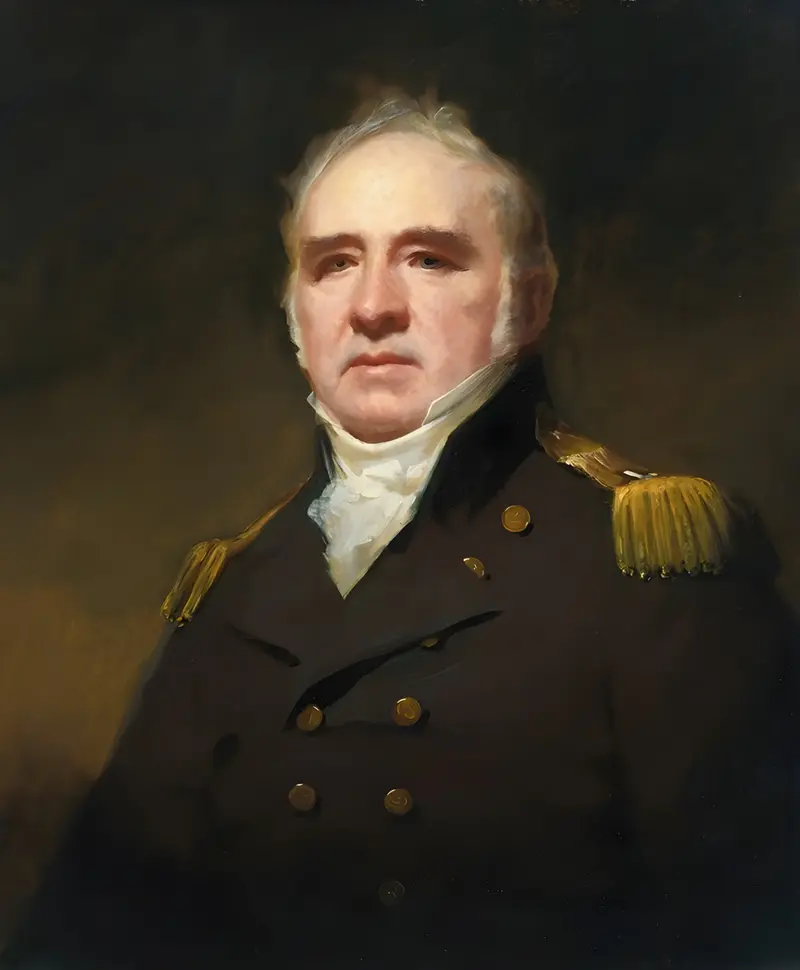
Portrait Of Captain James Forbes-Drummond, R.N., Of Hawthornden
Sir Henry Raeburn
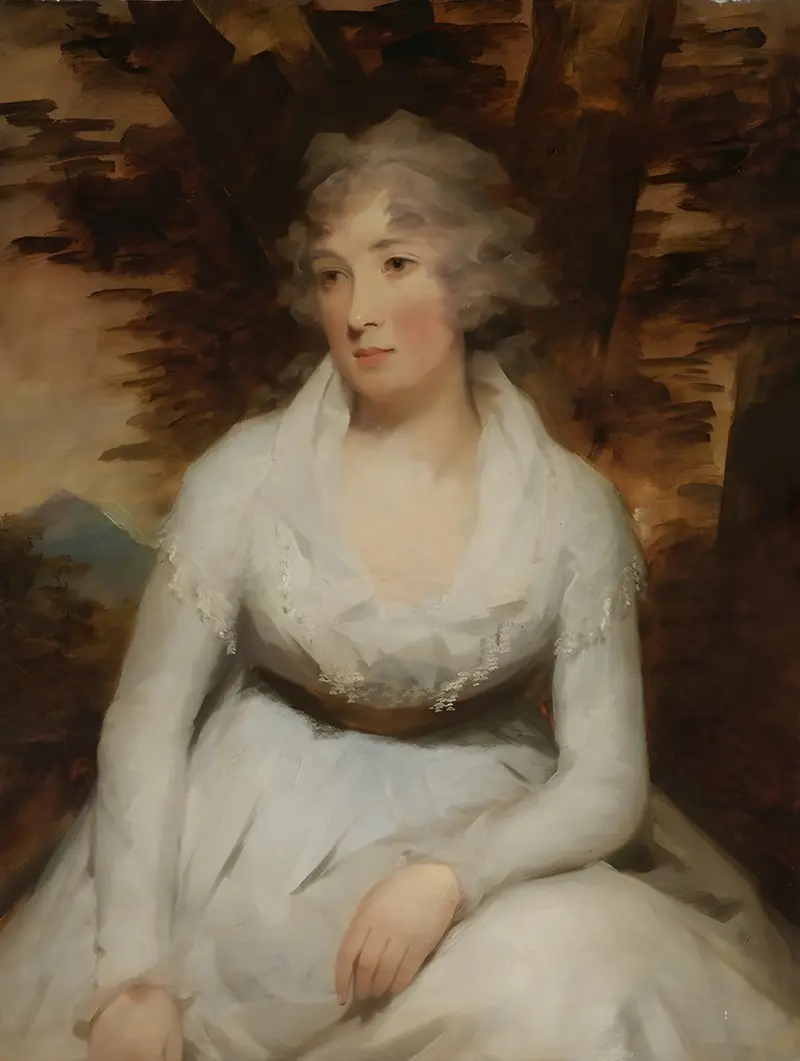
Miss Elizabeth Dalrymple (afterwards Mrs. George Leith)
Sir Henry Raeburn
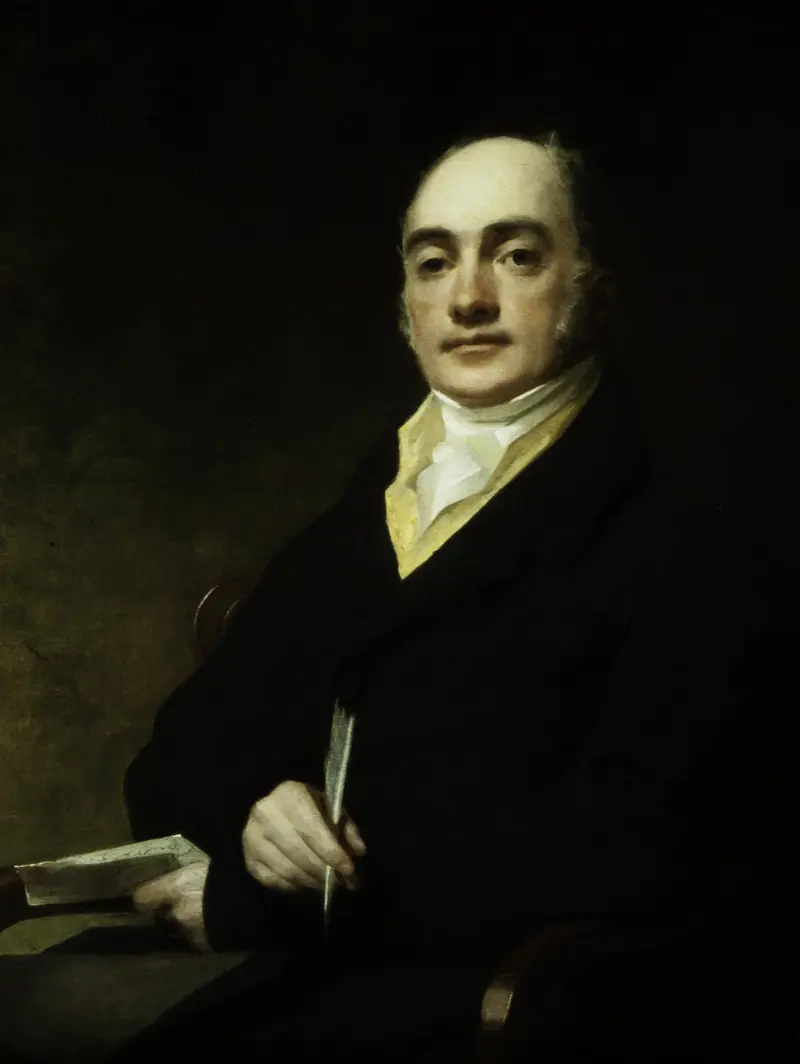
Portrait of John Baillie (1772-1833)
Sir Henry Raeburn
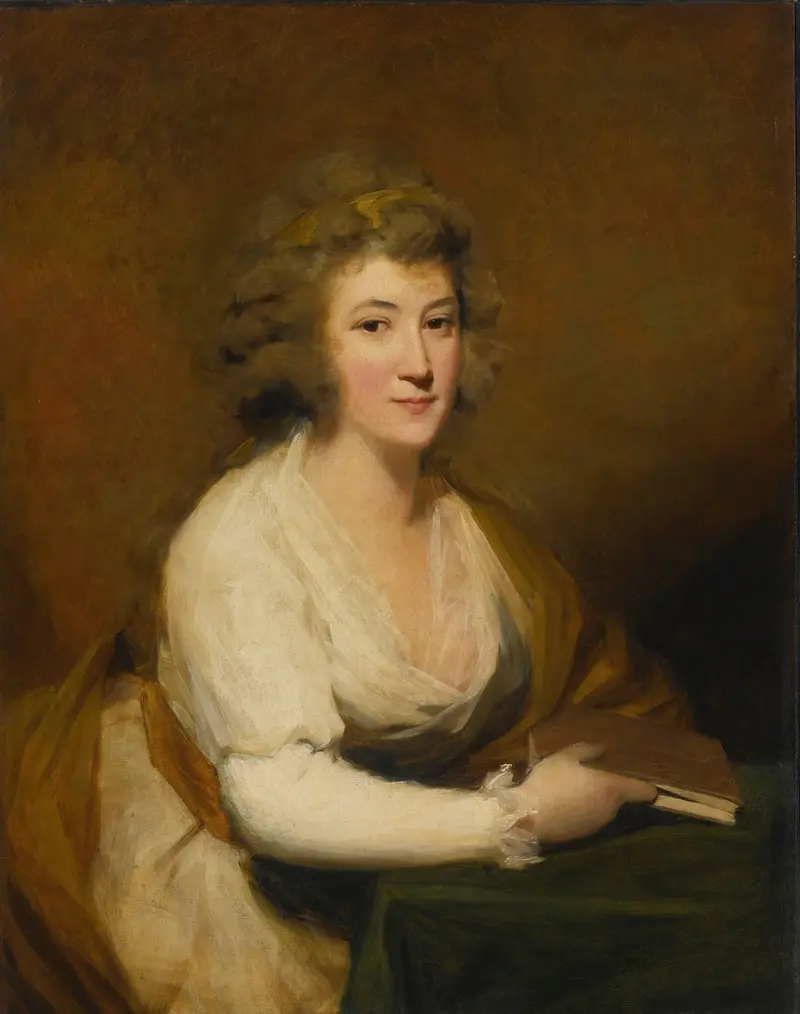
Portrait Of Lady Nasmyth, In A White Dress And Brown Shawl, Seated At A Table, Holding A Book
Sir Henry Raeburn
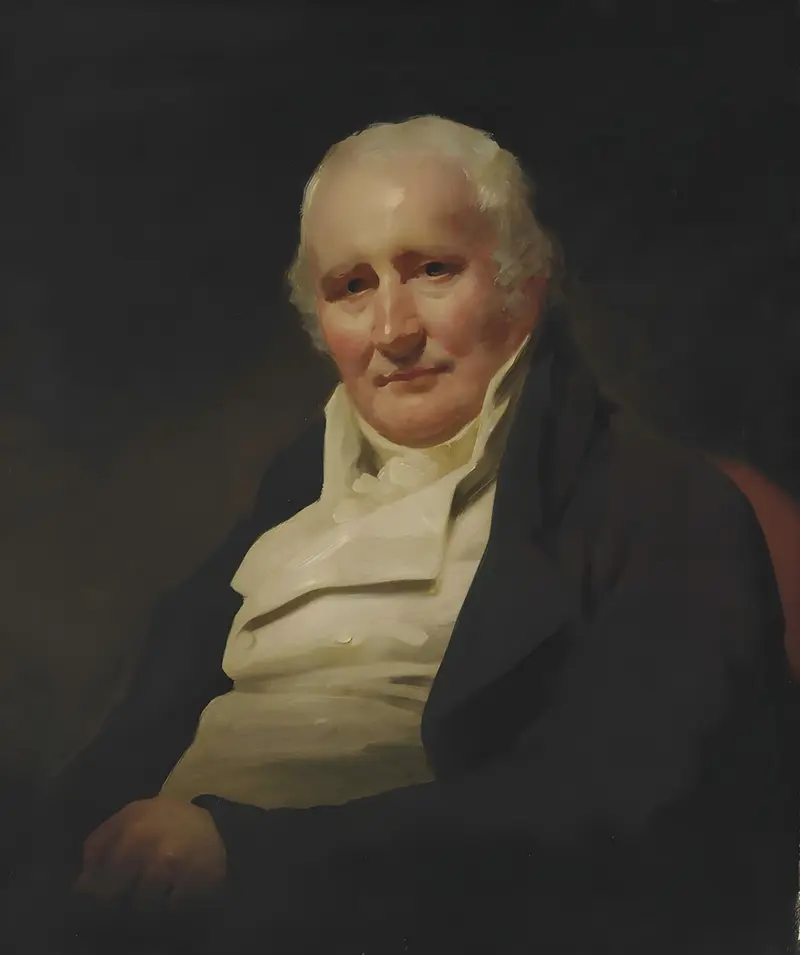
Portrait Of Mr. Spottiswood
Sir Henry Raeburn
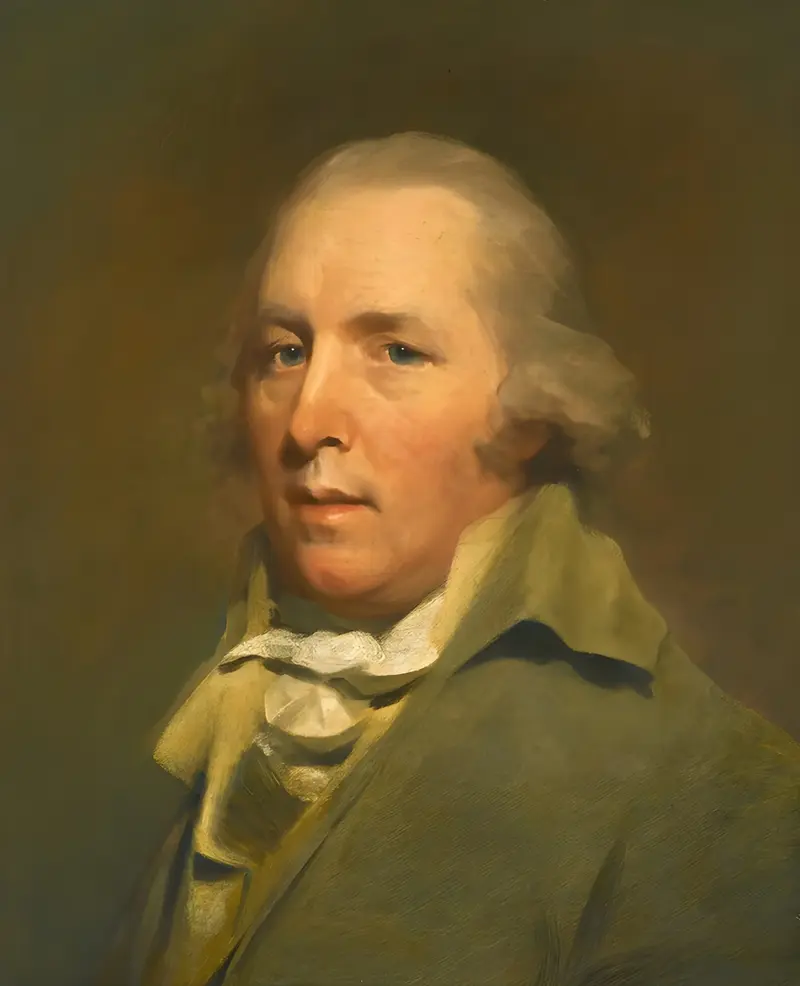
Portrait Of The Reverend John Home (1722-1808)
Sir Henry Raeburn
Portrait of William Hunt (c.1796-1854), Pittencrief House, Dunfermline
Sir Henry Raeburn





