
The Fall of the Rebel Angels — History & Facts
In The Fall of the Rebel Angels, Giovanni Battista Tiepolo presents a vibrant scene filled with swirling colors. The painting features a chaotic battle between angels and demons, with figures twisting and turning in the air. The use of light and shadow enhances the drama, creating a sense of movement and urgency.
Tiepolo's palette includes rich blues, whites, and golds, which highlight the celestial theme. This artwork is an oil on canvas, measuring approximately 300 x 400 cm. Tiepolo employs a dynamic composition that draws the viewer's eye across the tumultuous scene. The details in the angels' garments and the expressions of the figures are meticulously rendered, showcasing Tiepolo's skill in capturing emotion.
The painting is characterized by its Rococo style, emphasizing ornate forms and dramatic contrasts. Giovanni Battista Tiepolo was a prominent Italian painter of the 18th century, known for his grand frescoes and theatrical compositions. The Fall of the Rebel Angels is one of his notable works, created during a time when he was at the height of his career. An interesting fact about this painting is that it was originally commissioned for a church, reflecting the religious themes prevalent in Tiepolo's work.
Today, it is housed in the Museo del Prado, where it continues to captivate audiences.
More Artworks by Giovanni Battista Tiepolo
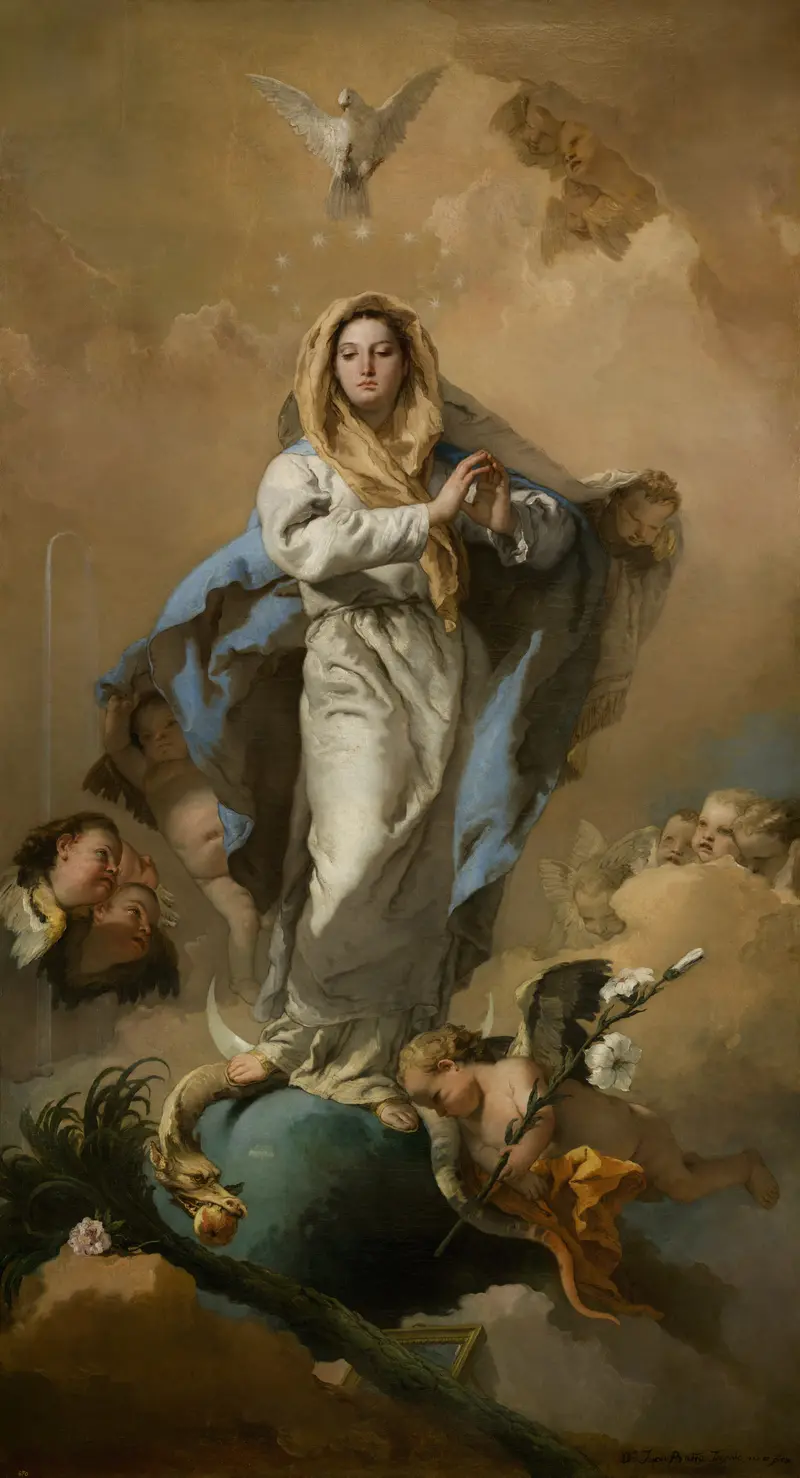
The Immaculate Conception
Giovanni Battista Tiepolo
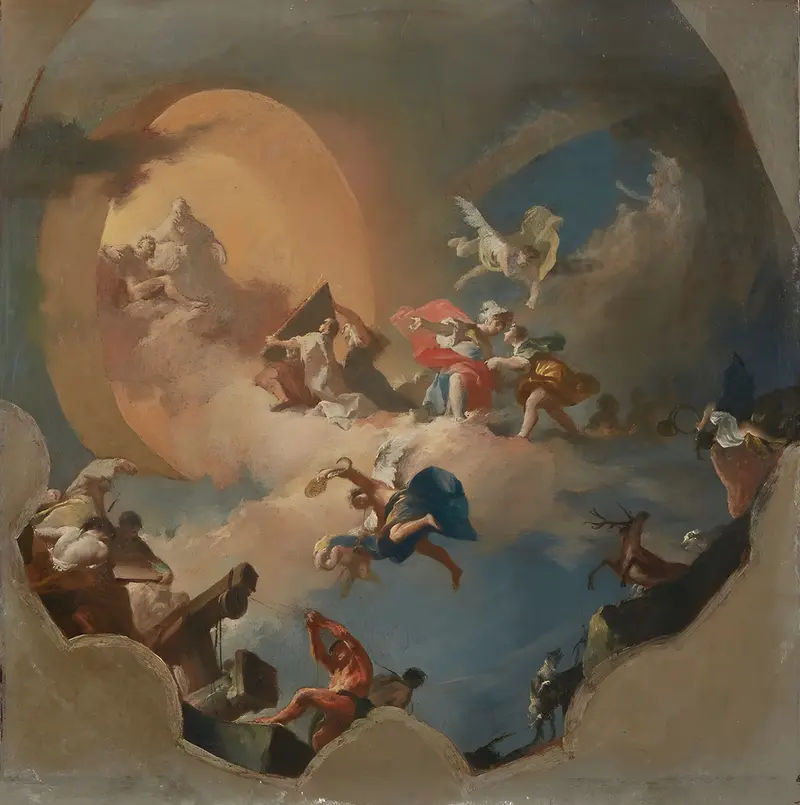
The Apotheosis of the Arts
Giovanni Battista Tiepolo
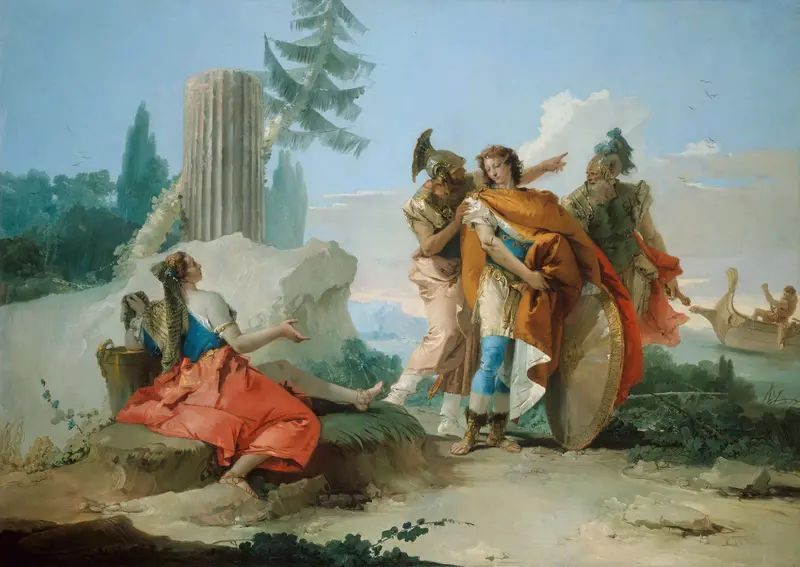
Armida Abandoned by Rinaldo
Giovanni Battista Tiepolo
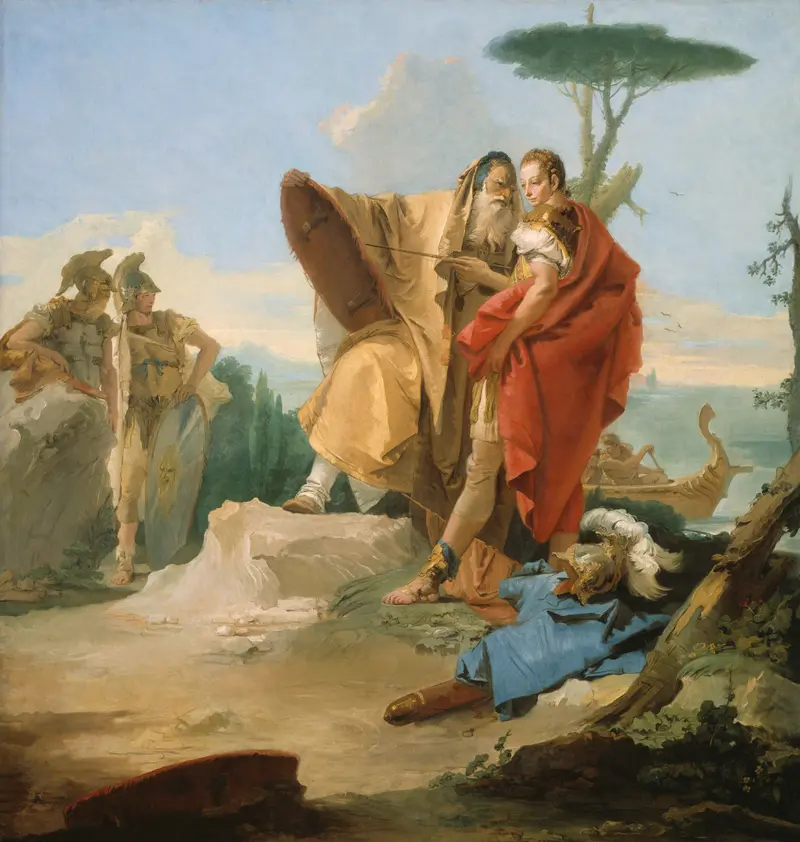
Rinaldo and the Magus of Ascalon
Giovanni Battista Tiepolo
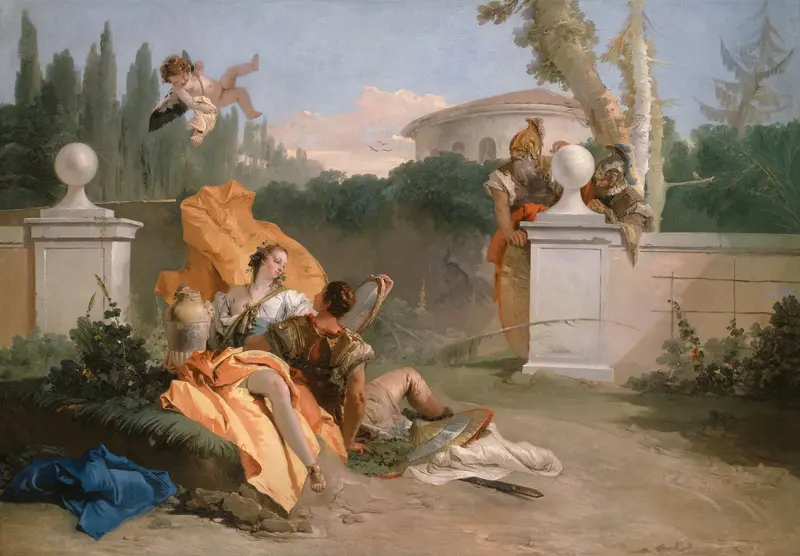
Rinaldo and Armida in Her Garden
Giovanni Battista Tiepolo
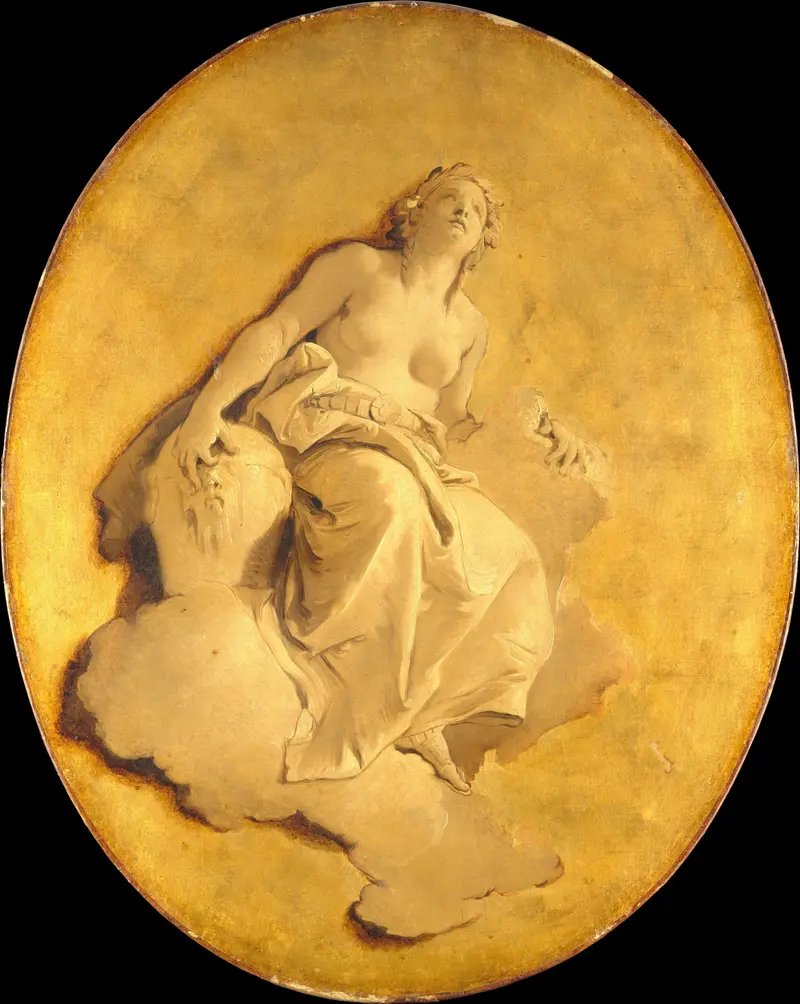
A Female Allegorical Figure
Giovanni Battista Tiepolo
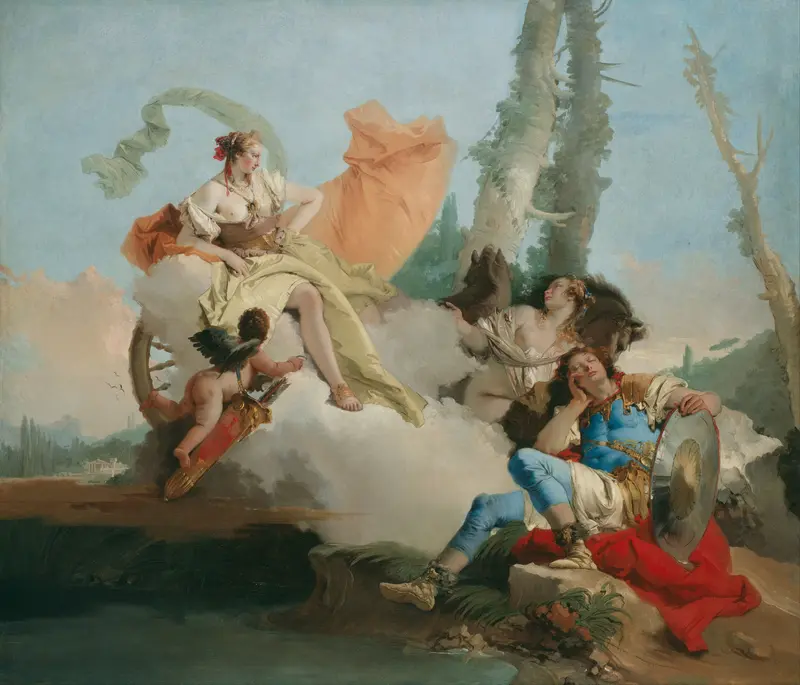
Armida Encounters the Sleeping Rinaldo
Giovanni Battista Tiepolo
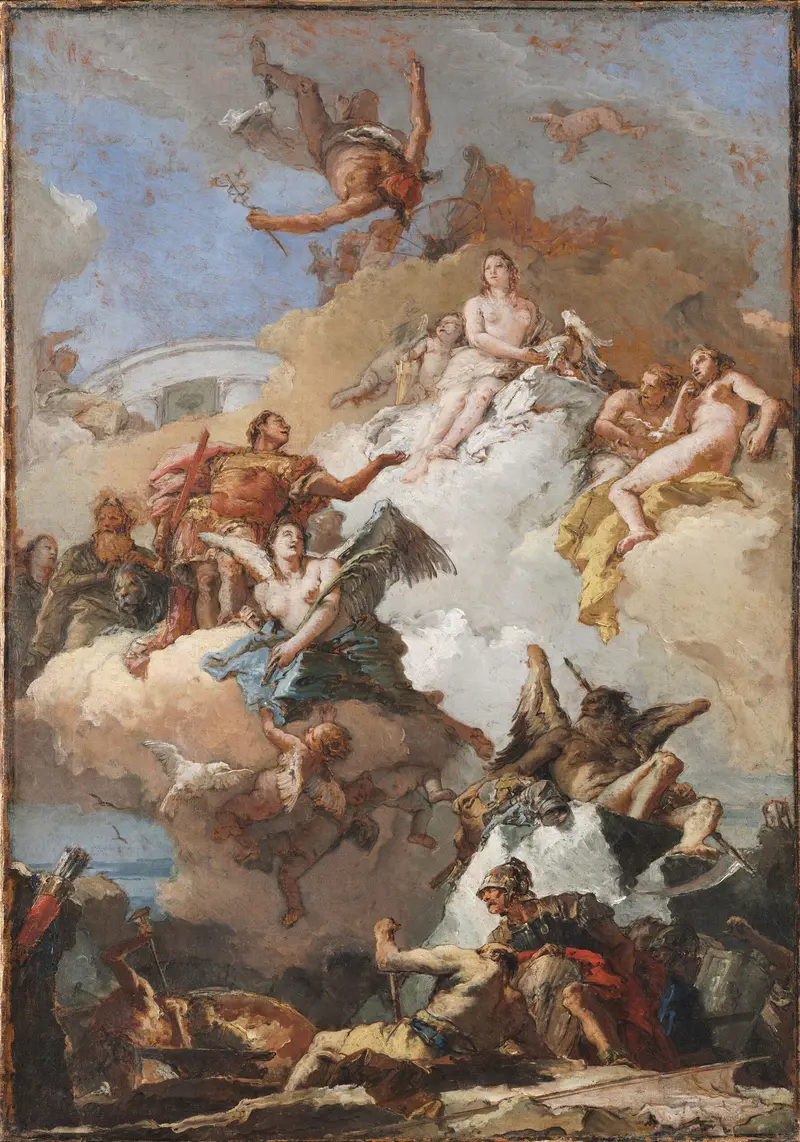
The Apotheosis of Aeneas
Giovanni Battista Tiepolo
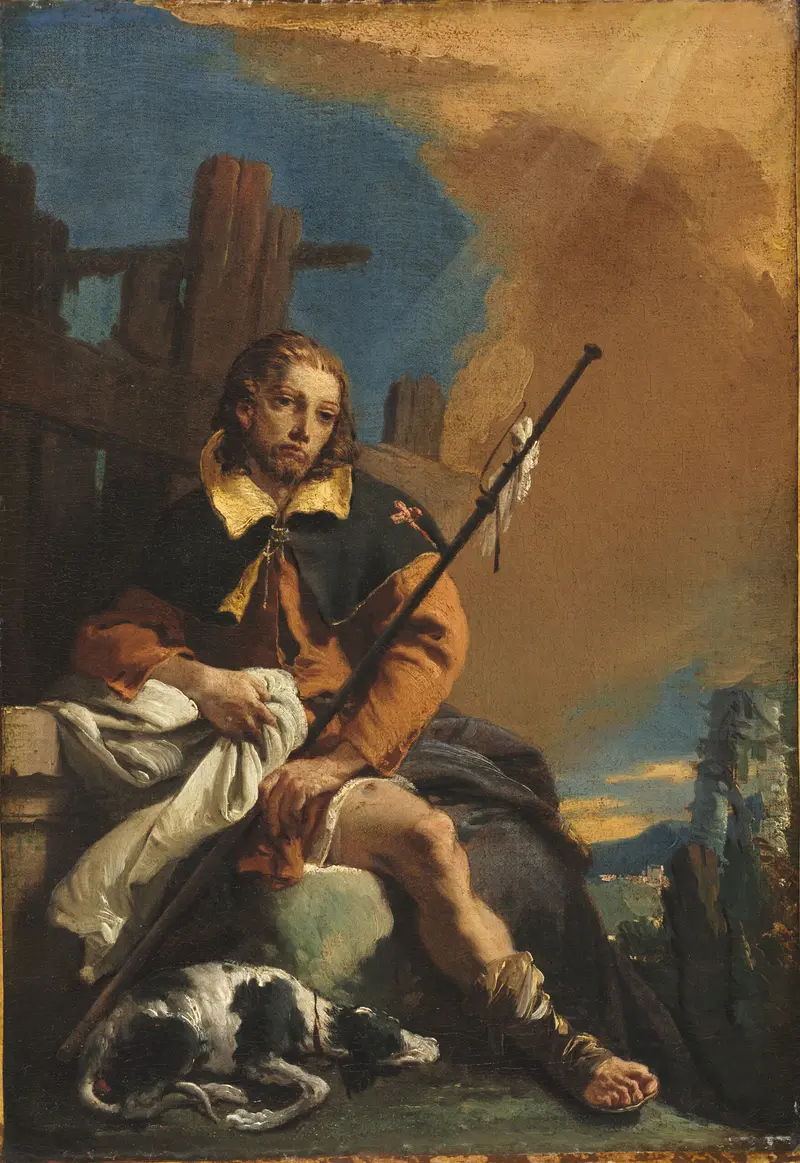
Saint Roch as a Pilgrim
Giovanni Battista Tiepolo
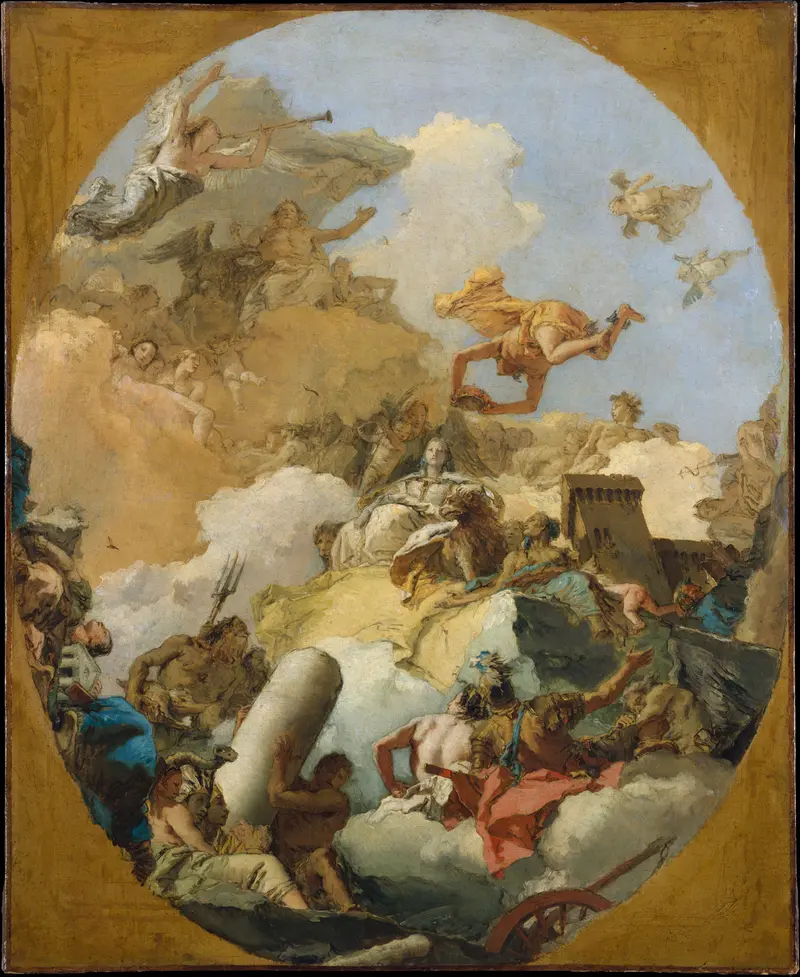
The Apotheosis of the Spanish Monarchy
Giovanni Battista Tiepolo





