
The Father of Psyche Consulting the Oracle of Apollo — History & Facts
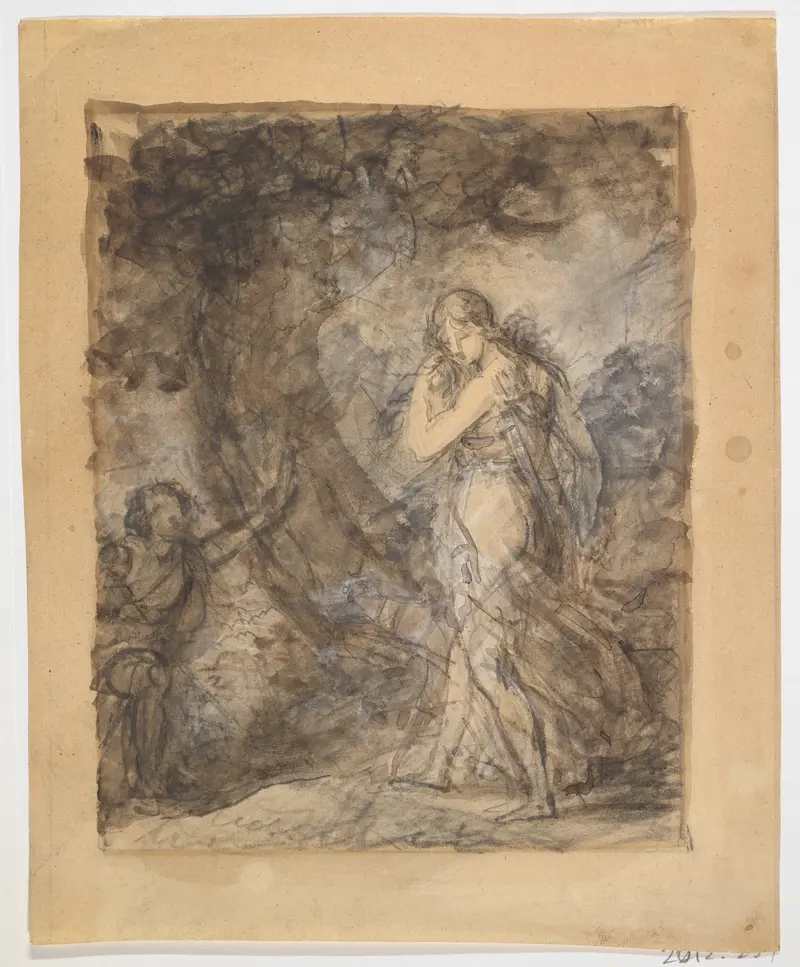
When François Gérard painted The Father of Psyche Consulting the Oracle of Apollo, he chose a moment from ancient myth that had rarely been given such psychological weight in French neoclassical painting. Gérard, a pupil of Jacques-Louis David, was celebrated for his ability to infuse mythological subjects with the emotional tension of contemporary drama. The story of Psyche, most famously told in Apuleius's The Golden Ass, was a favorite among artists of the late eighteenth and early nineteenth centuries, but Gérard’s focus on the father’s dilemma—rather than Psyche herself—sets this work apart from more familiar treatments by artists like Raphael or Jean-Baptiste Regnault. The scene unfolds at the very threshold of tragedy: Psyche’s father, the king, stands in the temple of Apollo, desperate for guidance after his daughter’s beauty has drawn down the wrath of Venus.
Gérard captures the king in a moment of supplication, his hands raised in anxious appeal, as the priest of Apollo prepares to deliver the oracle’s grim decree—that Psyche must be abandoned on a rocky crag to appease the gods. The temple’s marble columns and flickering torchlight frame the drama, while Psyche’s sisters cower in the shadows, their faces etched with fear. The golden laurel wreath on the priest’s brow and the presence of Apollo’s sacred tripod signal the divine authority of the oracle, echoing the solemnity found in David’s Oath of the Horatii, but here the tension is inward, the crisis familial rather than civic. Little is known about the early history of this painting; its date and original patron remain uncertain, though Gérard’s mature style and choice of subject suggest it was painted during the height of the Neoclassical movement in France.
Unlike some of Gérard’s official portraits, The Father of Psyche Consulting the Oracle of Apollo does not appear in early Salon records, and its provenance prior to the twentieth century is unclear. Today, it stands as a testament to Gérard’s ability to bring myth to life with both grandeur and intimacy, and it is often discussed alongside his more famous mythological works. Its survival and continued display speak to the enduring appeal of ancient stories reimagined for new audiences.
More Artworks by François Gérard

Portrait of Emperor Napoleon I
François Gérard
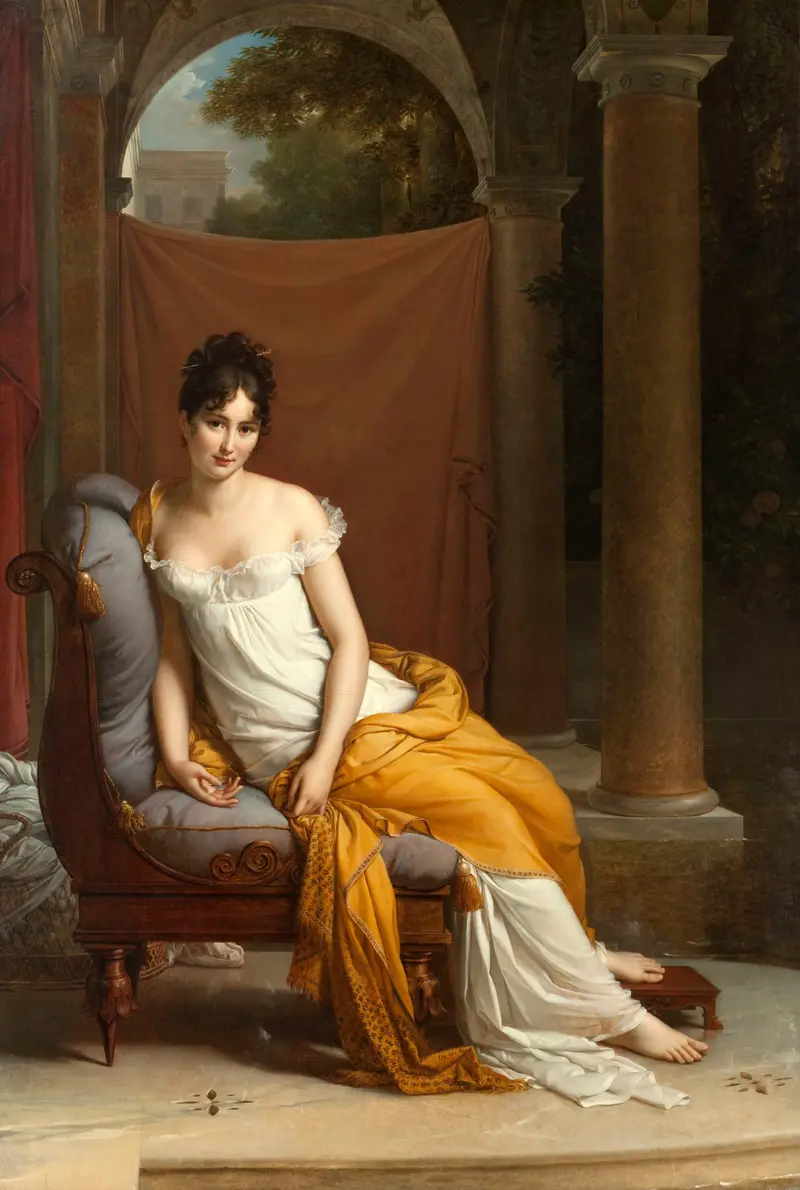
Portrait of Juliette Récamier, née Bernard
François Gérard
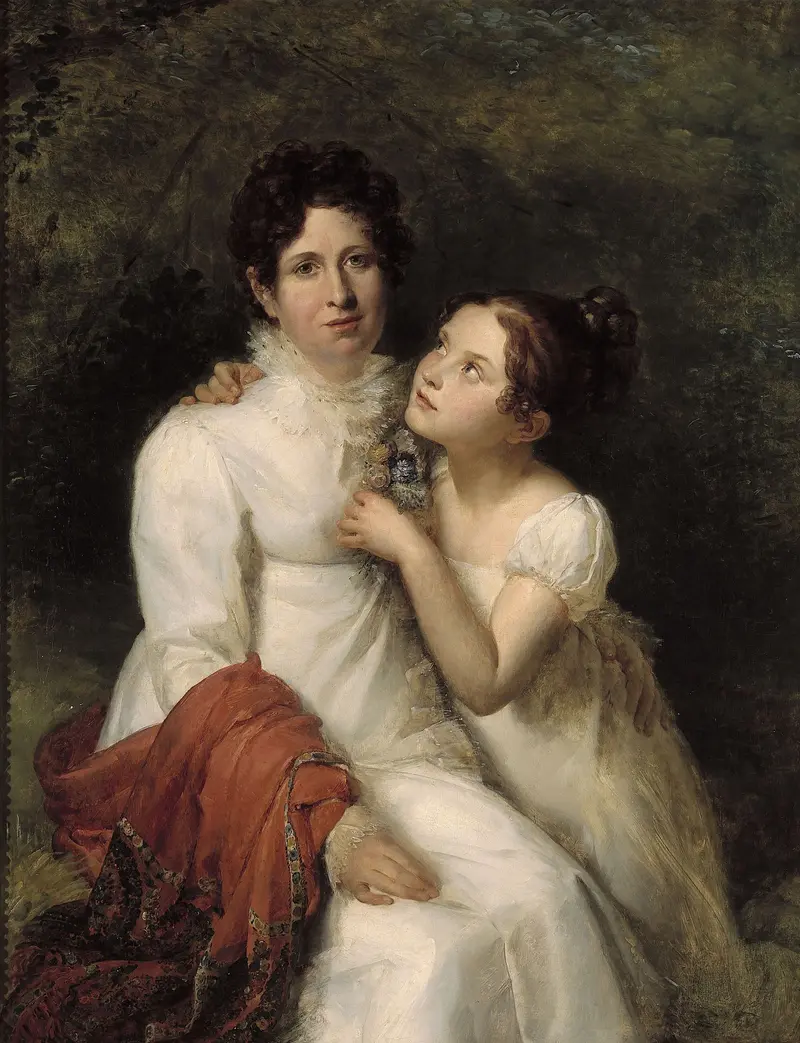
Portrait de Madame Bauquin Du Boulay et de sa nièce Mademoiselle Bauquin de La Souche
François Gérard
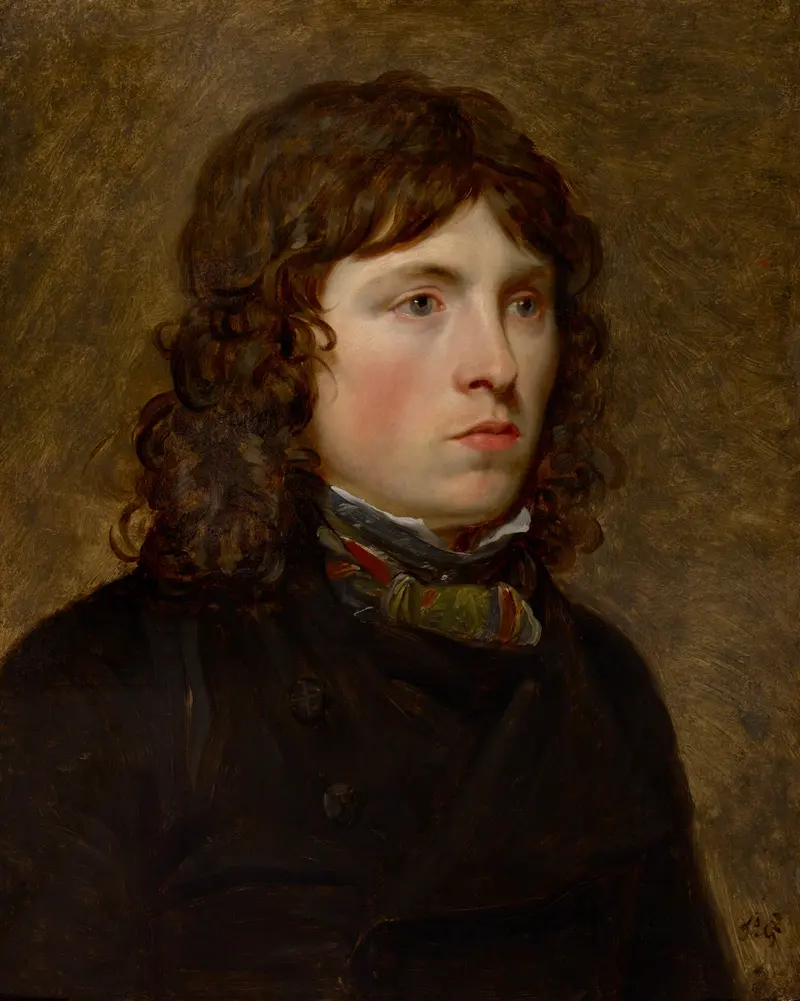
Portrait of G. F. Reverdin
François Gérard
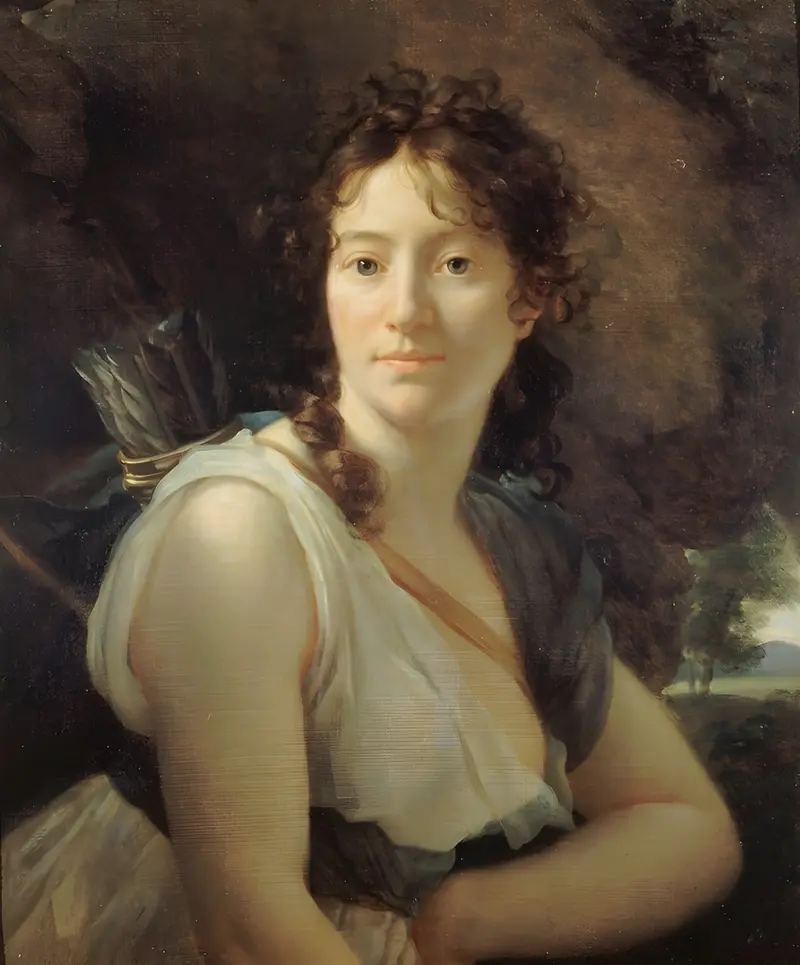
Portrait Of Mademoiselle Duchesnois (1777-1835), Member Of The Comédie-Française, In The Role Of Dido.
François Gérard
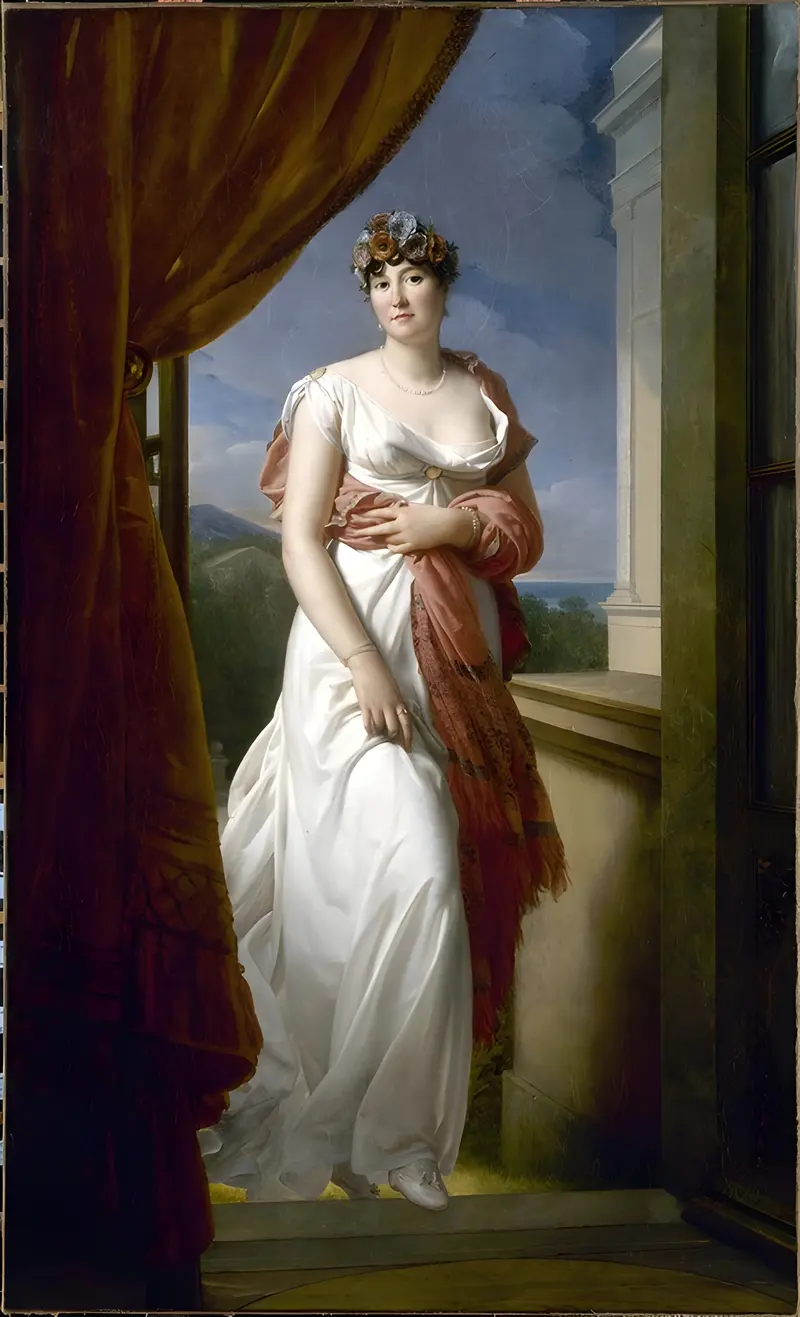
Portrait Of Theresia Cabarrus (1773-1835), Wife Tallien, Then Princess Of Caraman-Chimay
François Gérard
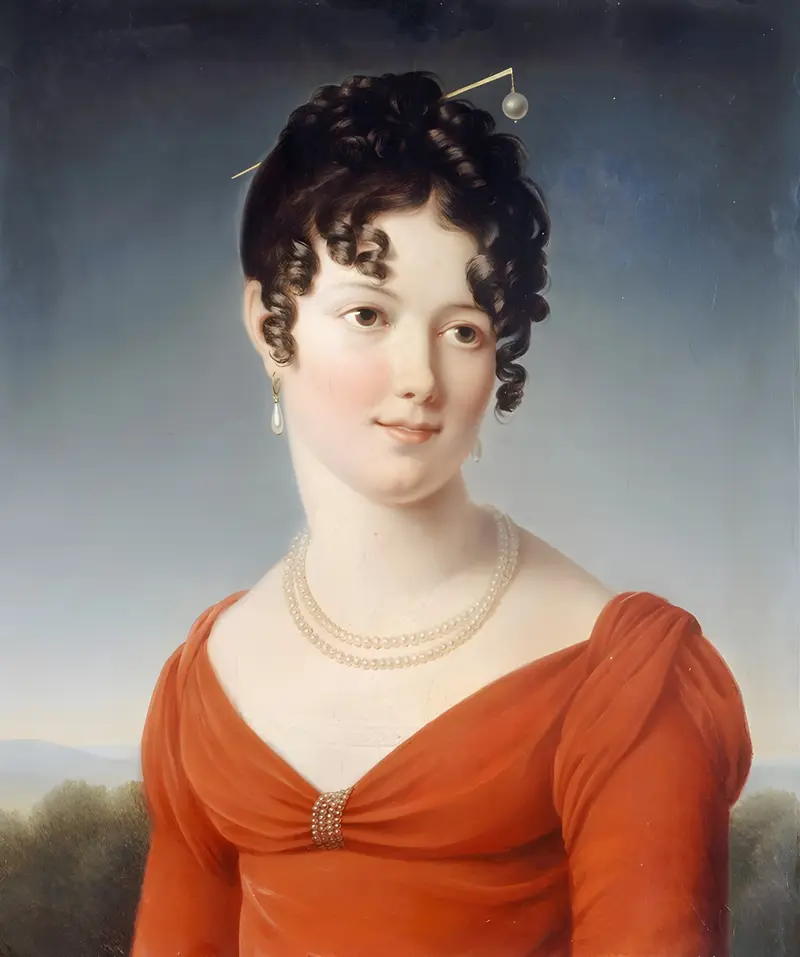
Bust Portrait Of Alexandrine-Anne De La Pallu, Marquise De Flers (1786-1832)
François Gérard
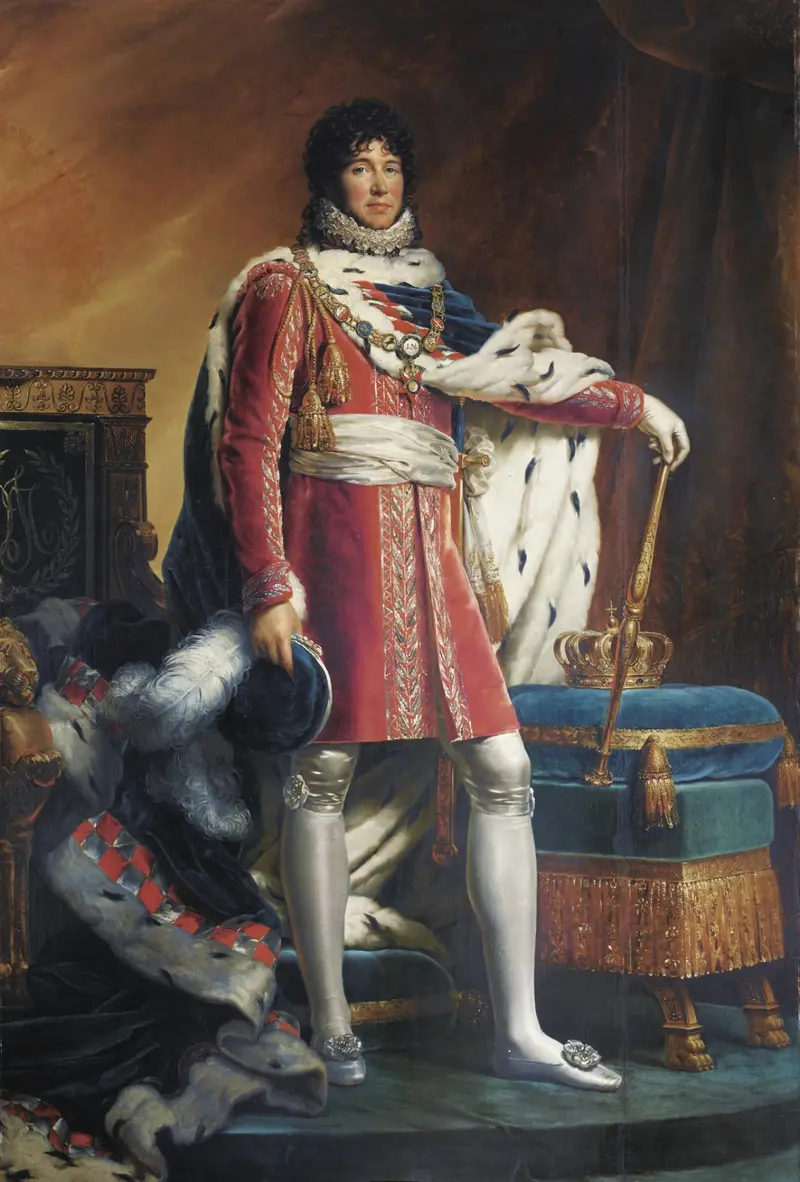
Portrait of Joachim Napoléon Murat, King of Naples and of the two Sicilies
François Gérard
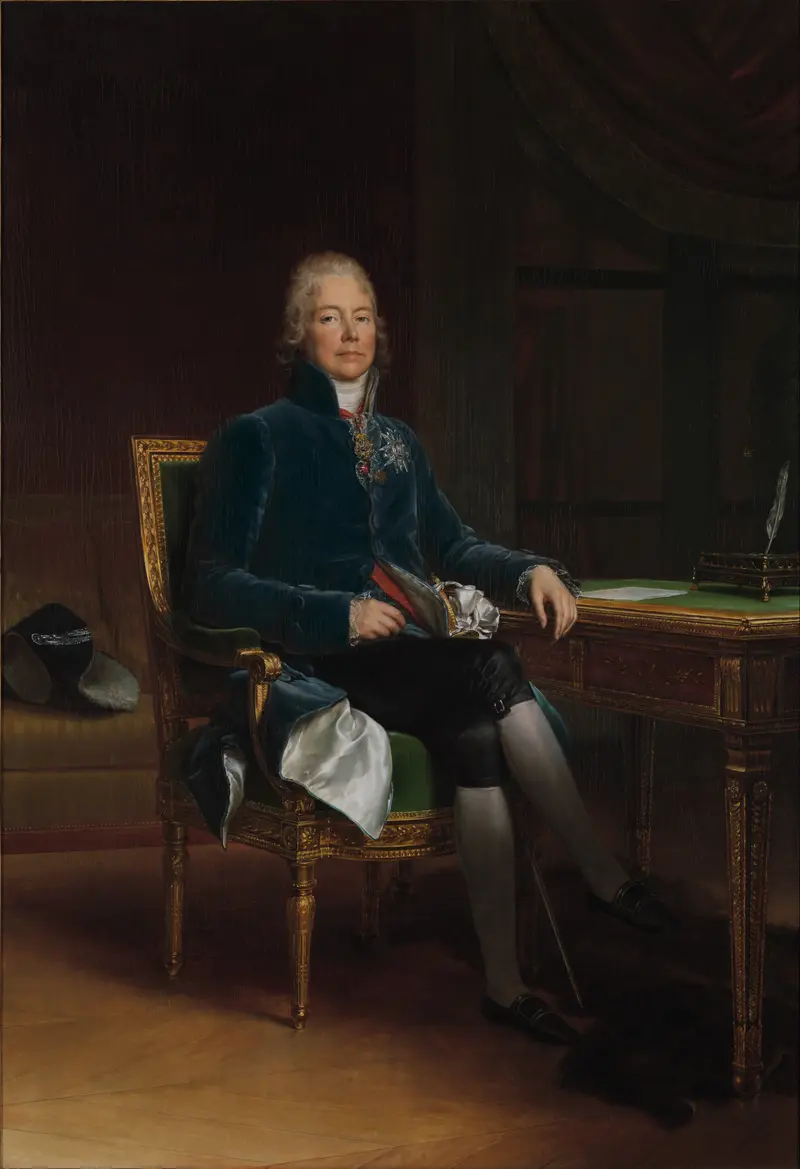
Charles Maurice de Talleyrand Périgord (1754–1838), Prince de Bénévent
François Gérard
Daphnis Running toward Chloe
François Gérard





