
The Grandmother or Portrait of Roos Van Wijnendaele — History & Facts
When Gustave Van de Woestijne painted The Grandmother or Portrait of Roos Van Wijnendaele, he chose as his sitter a figure who would become emblematic of his deep engagement with rural Flemish life. What makes this work particularly fascinating is that Roos Van Wijnendaele was not a figure of legend or high society, but a real woman from the artist’s native region—her identity preserved in the painting’s very title. This personal connection reflects Van de Woestijne’s broader artistic project: to elevate the everyday and the humble to the realm of the extraordinary, a hallmark of his contribution to early 20th-century Belgian art. In the portrait, Roos sits quietly, her gaze steady and direct, hands folded in her lap.
The artist captures her at a moment of stillness, yet there is a quiet dignity in her posture and the careful rendering of her features. The muted palette and soft, enveloping light draw attention to the textures of her simple clothing and the lined wisdom of her face. The lack of decorative background focuses all attention on the sitter herself, much as Jean-François Millet did in his depictions of rural workers, though Van de Woestijne’s approach is more intimate, less monumental.
The painting’s restrained realism and psychological depth invite viewers to consider the inner life of a woman whose story might otherwise go unrecorded. The precise date and medium of The Grandmother or Portrait of Roos Van Wijnendaele remain uncertain, and little is known about its early history or initial reception. Like many of Van de Woestijne’s works, it likely remained within private collections for much of the 20th century, only gradually entering public view as interest in Flemish modernism grew. Today, it stands as a testament to the artist’s commitment to portraying the rural communities of his youth, and it occupies a significant place in his oeuvre as an example of his sensitive, humanistic portraiture.
The painting’s journey from a modest Flemish household to the walls of a museum mirrors the broader recognition of Van de Woestijne’s role in the development of Belgian art.
More Artworks by Gustave Van de Woestijne
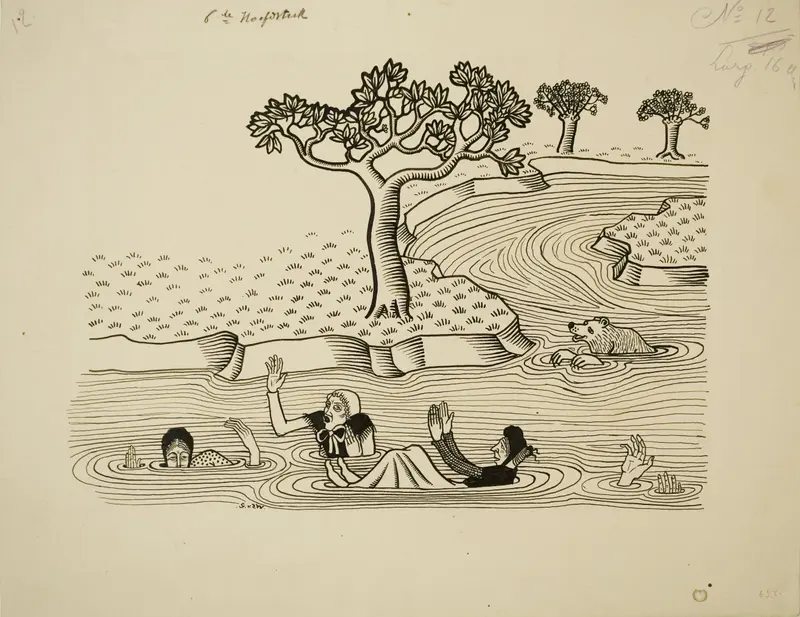
How Brown went out with Reynard where he thought he was eating honey and how he was caught by head and feet and suffered further misfortune
Gustave Van de Woestijne
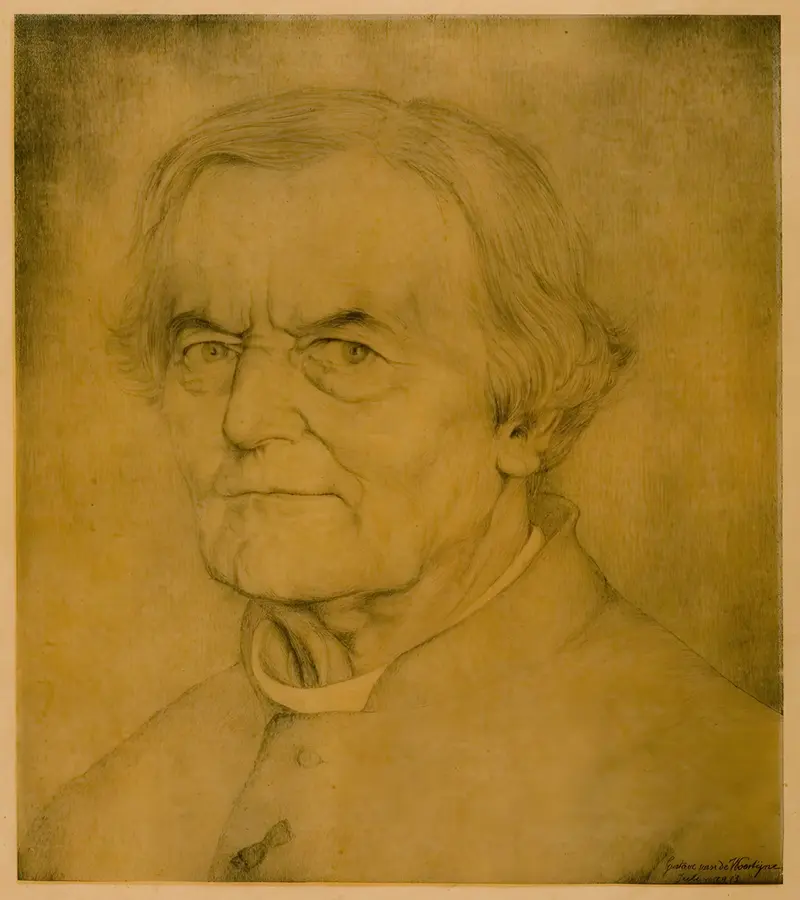
Portrait of Hugo Verriest
Gustave Van de Woestijne
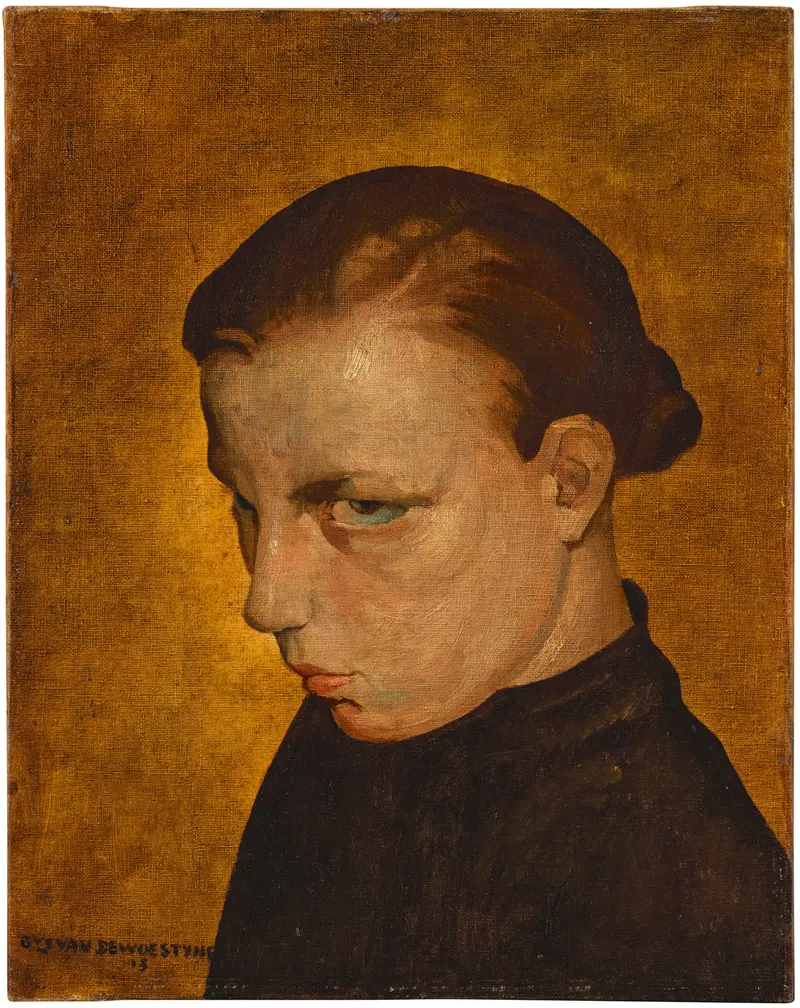
Angèle
Gustave Van de Woestijne
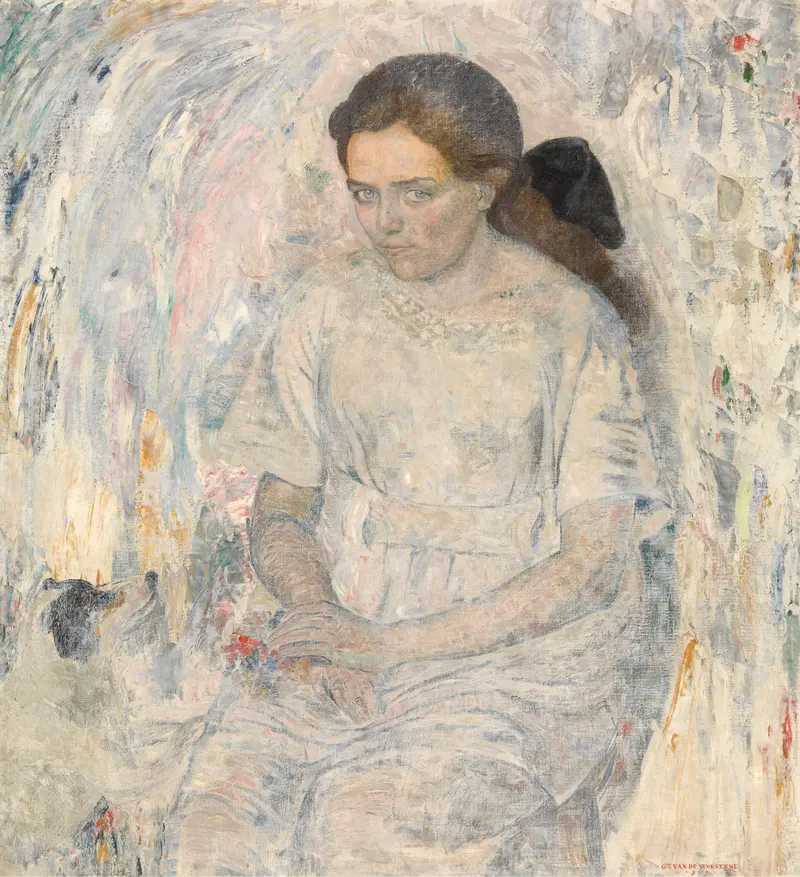
Adrienne
Gustave Van de Woestijne
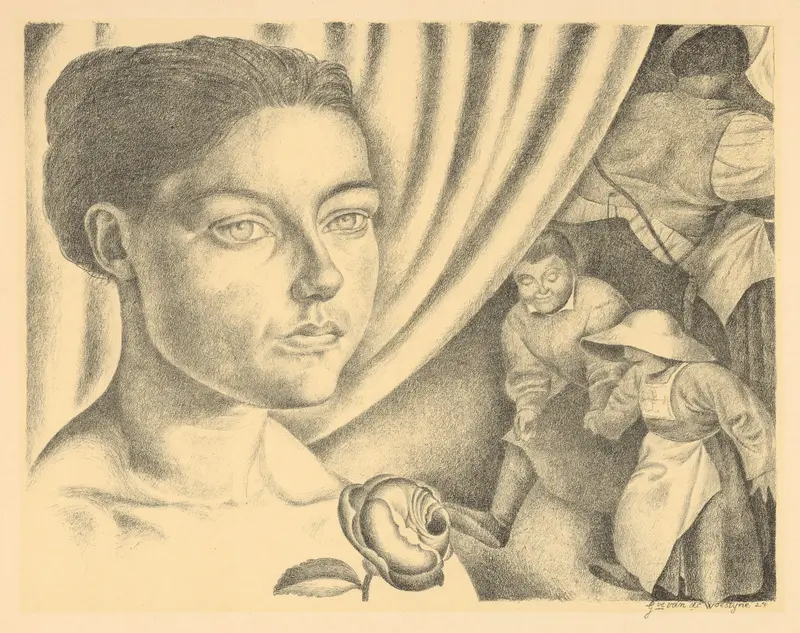
Jeune Femme
Gustave Van de Woestijne
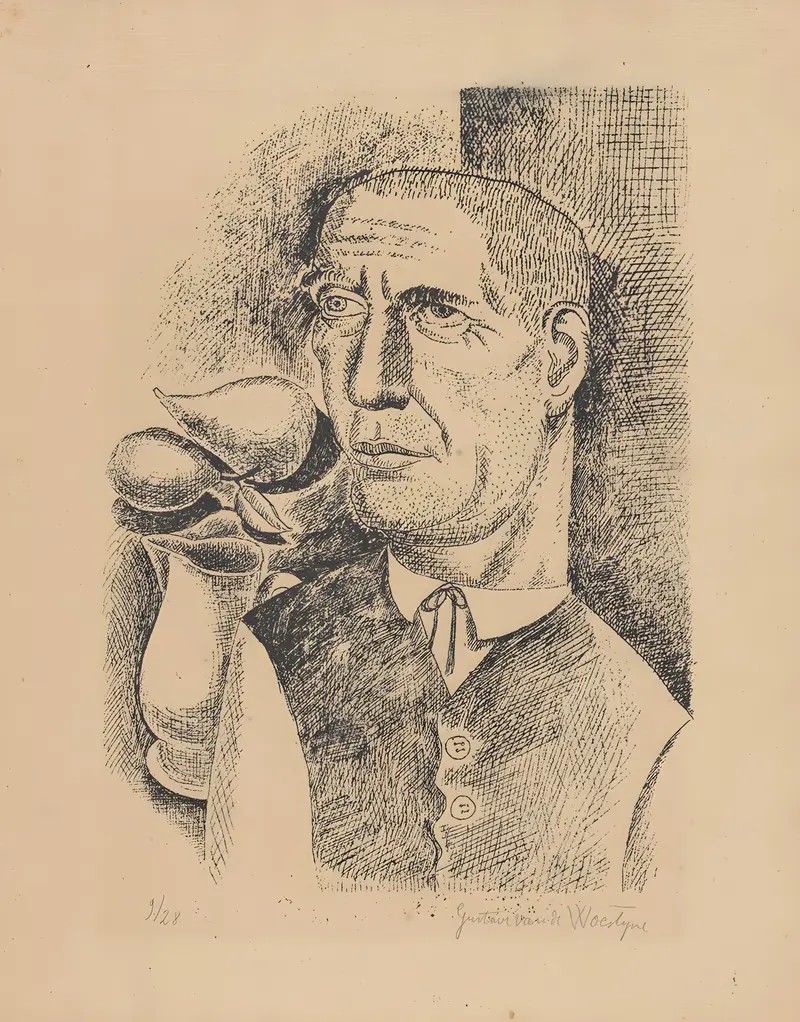
Boer op zijn zondags (Paysan endimanché)
Gustave Van de Woestijne
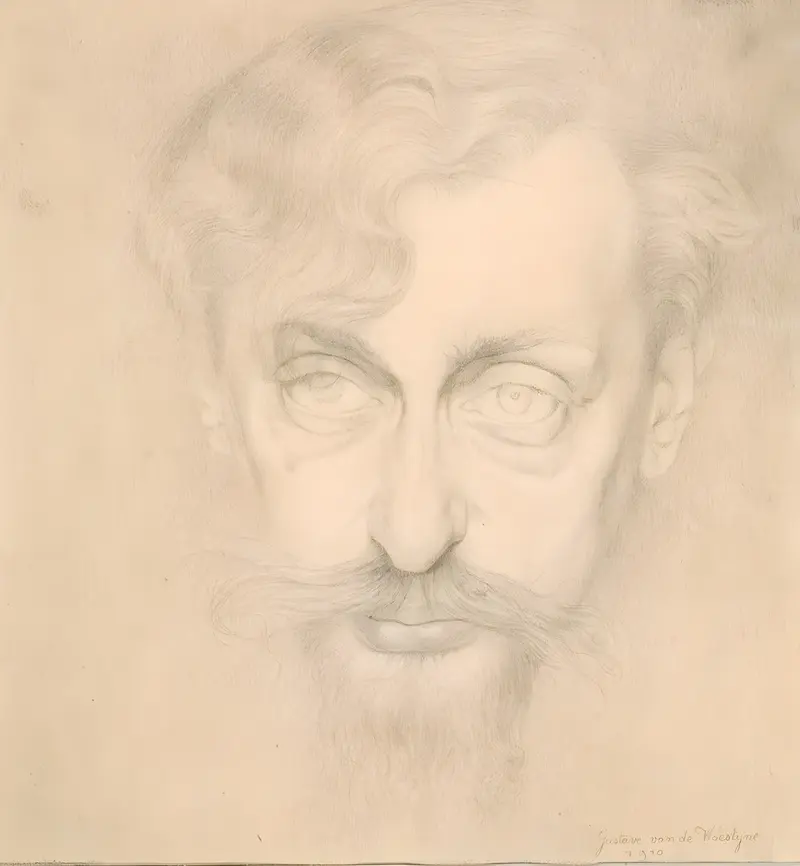
Portrait of the Writer Karel van de Woestijne
Gustave Van de Woestijne
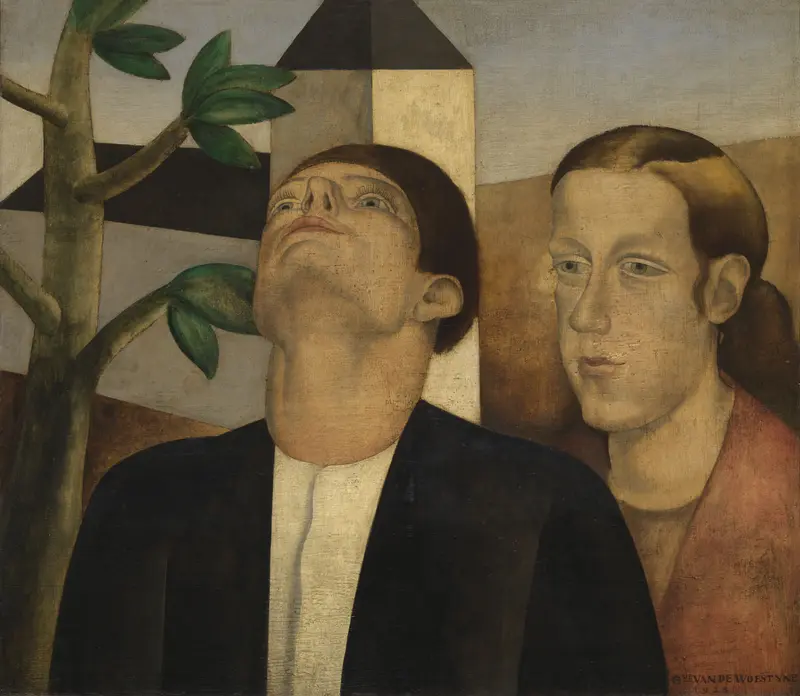
Azure
Gustave Van de Woestijne
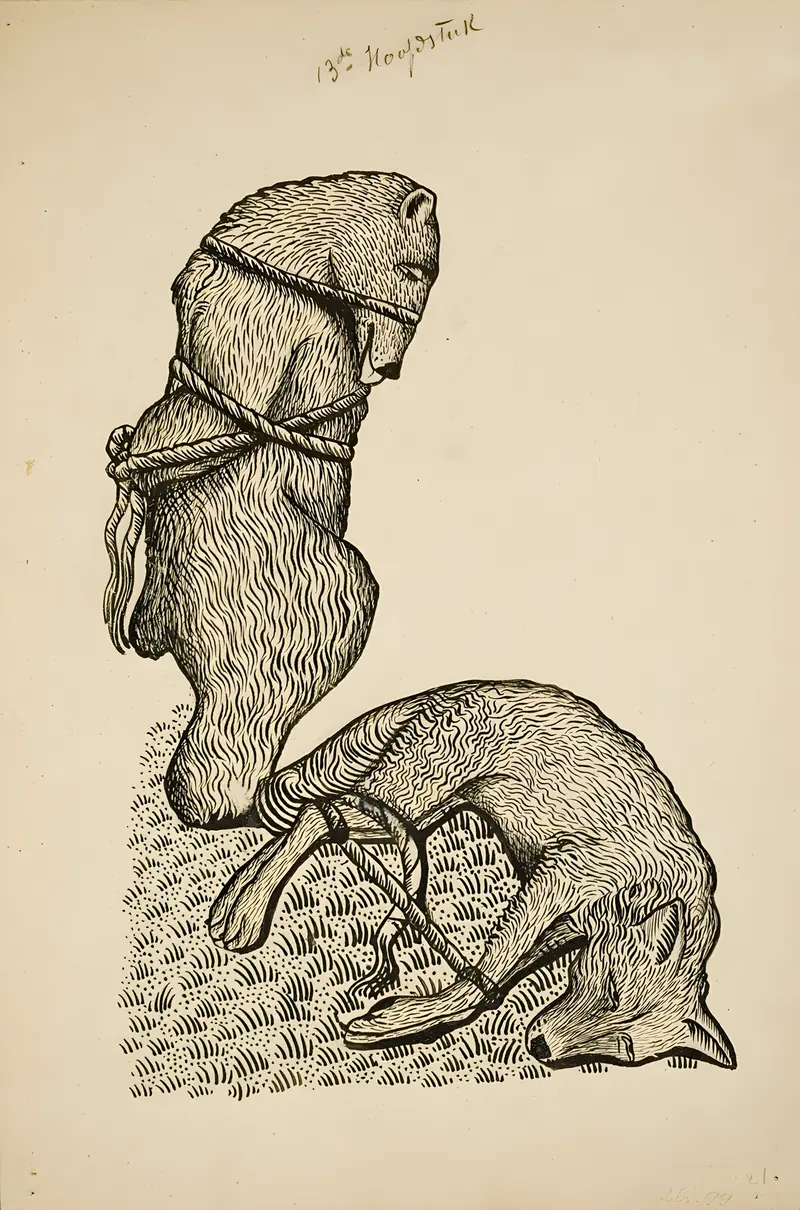
How Reinaert devises a new trick to get free and exterminate his enemies
Gustave Van de Woestijne
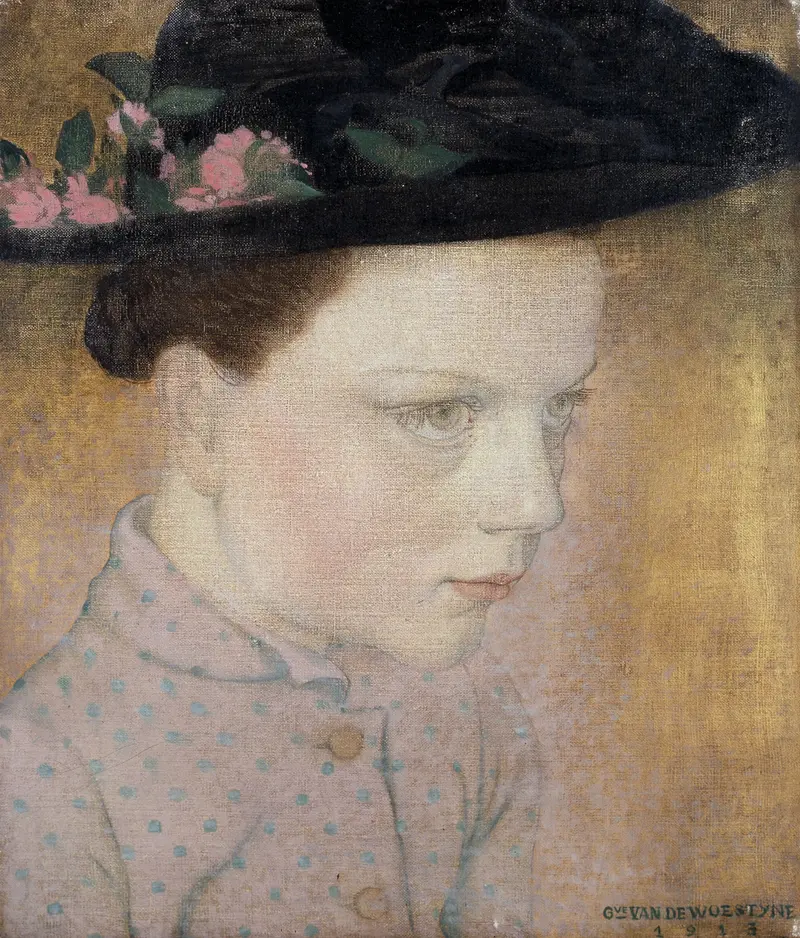
Country Girl
Gustave Van de Woestijne





