
The Healer — History & Facts
When The Healer was first exhibited in 1838, it was met with quiet astonishment among Shevchenko’s circle: here was a young artist, not yet famous as a poet, offering an image of rural life so attentive and humane that it seemed to challenge the academic conventions of the time. The painting’s exact medium remains uncertain, but its reputation was cemented early—critics remarked on its “truthfulness” and “tender observation,” rare praise in the rigid artistic climate of Nicholas I’s Russia. Unlike many of his later works, this piece was not a commission but a personal undertaking, possibly inspired by Shevchenko’s own memories of Ukrainian village life. At the heart of The Healer stands an elderly woman, her hands gently poised over a sick child lying on a straw pallet.
The moment Shevchenko chose is one of hushed anticipation: the mother, kneeling nearby, watches the healer’s face for a sign, while a shaft of light falls across the child’s brow, suggesting hope amid uncertainty. The healer’s amulet—a string of red beads—marks her as a folk practitioner, trusted more than distant doctors. The sparse interior, with its rough-hewn table and icon in the corner, roots the scene in the realities of peasant existence.
Unlike the idealized peasants of Jean-François Millet, Shevchenko’s figures are individualized, their fatigue and care rendered with unsparing honesty. Little is known of the painting’s early journey; it likely remained in private hands, passed among Ukrainian intellectuals before entering a regional museum in the late nineteenth century. The Healer is now considered one of the earliest surviving works by Taras Shevchenko, created before his emancipation from serfdom—a rare glimpse of his formative years as an artist. Today, it hangs in the National Museum of Taras Shevchenko in Kyiv, a touchstone for those tracing the roots of Ukrainian national art.
Its survival through wars and upheavals is a testament to the quiet power of Shevchenko’s vision.
More Artworks by Taras Shevchenko
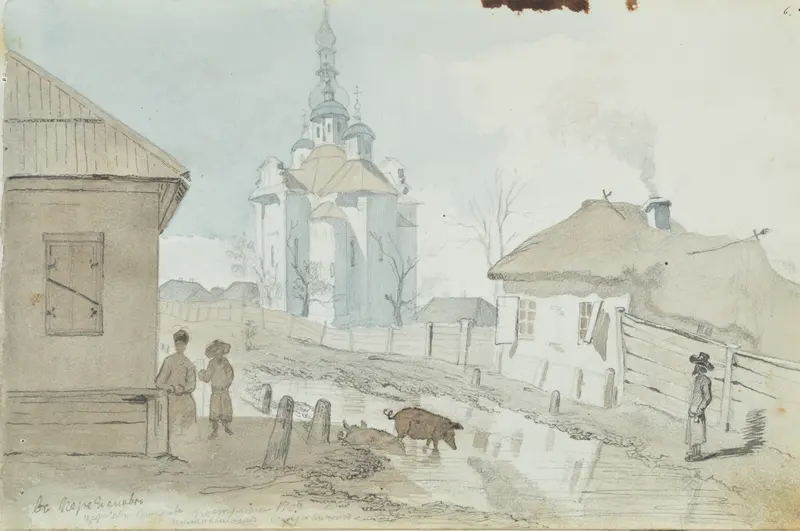
1845 Sh Sketchbook f.06r
Taras Shevchenko

1845 Sh Sketchbook f.04r
Taras Shevchenko

1848 Bilia vohnu
Taras Shevchenko
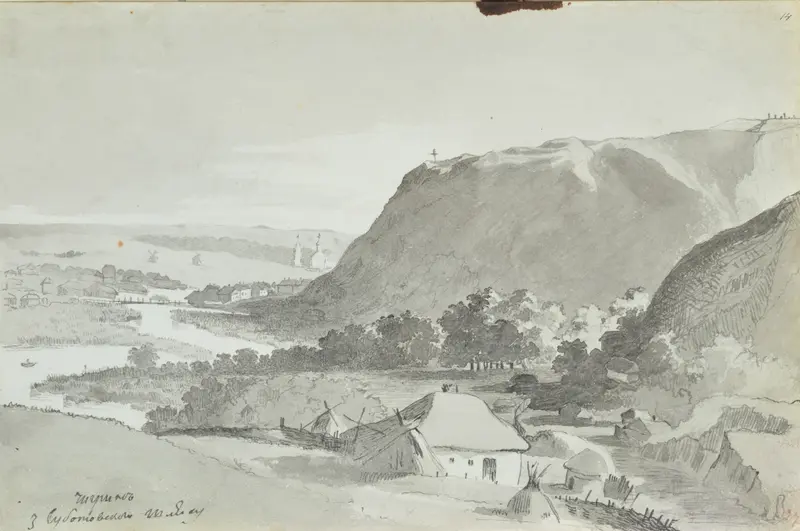
1845 Sh Sketchbook f.14r
Taras Shevchenko
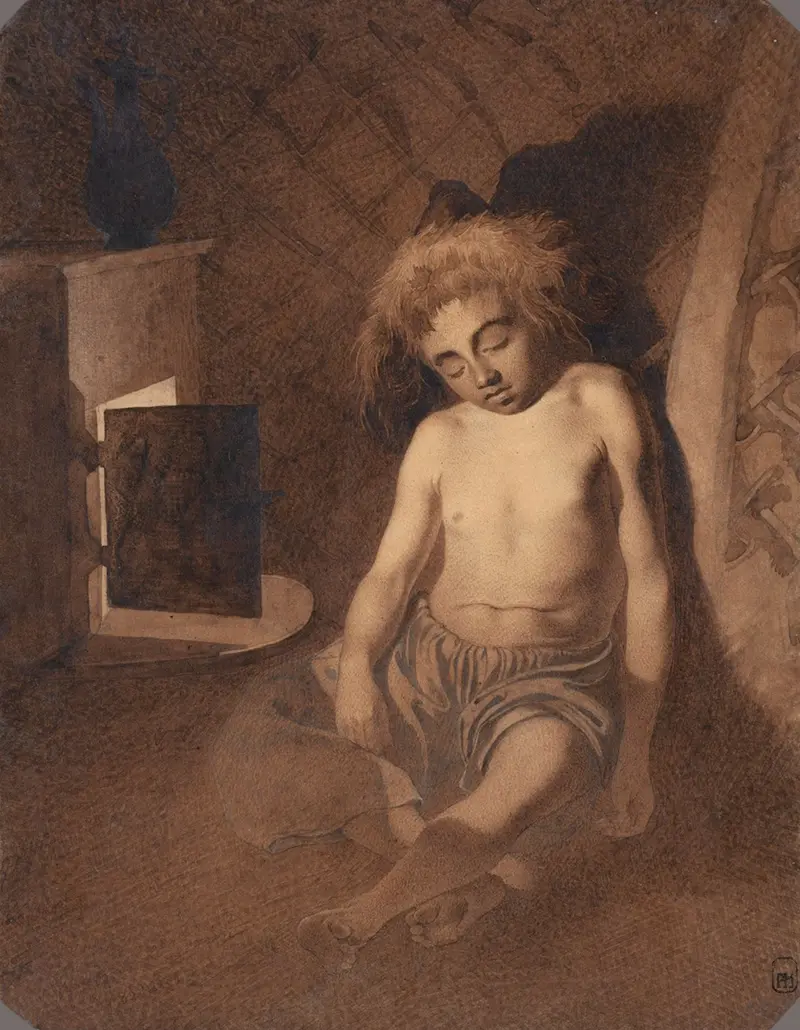
1848 Hlopcyk zasnuv
Taras Shevchenko
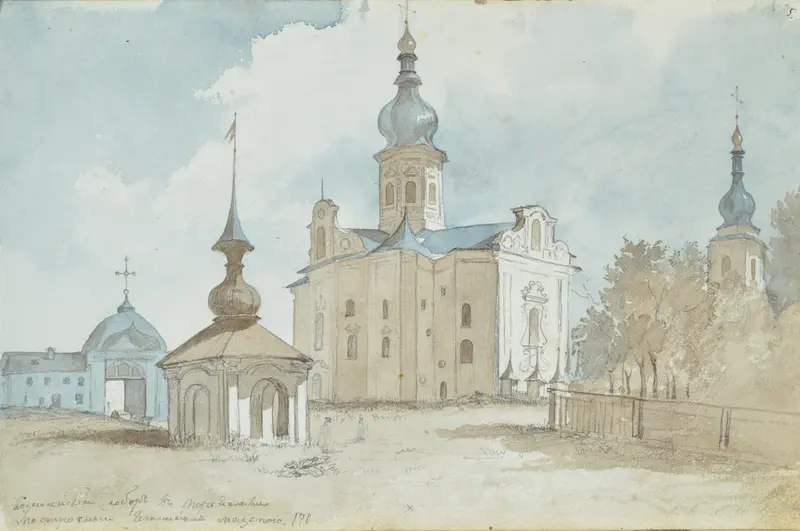
1845 Sh Sketchbook f.05r
Taras Shevchenko
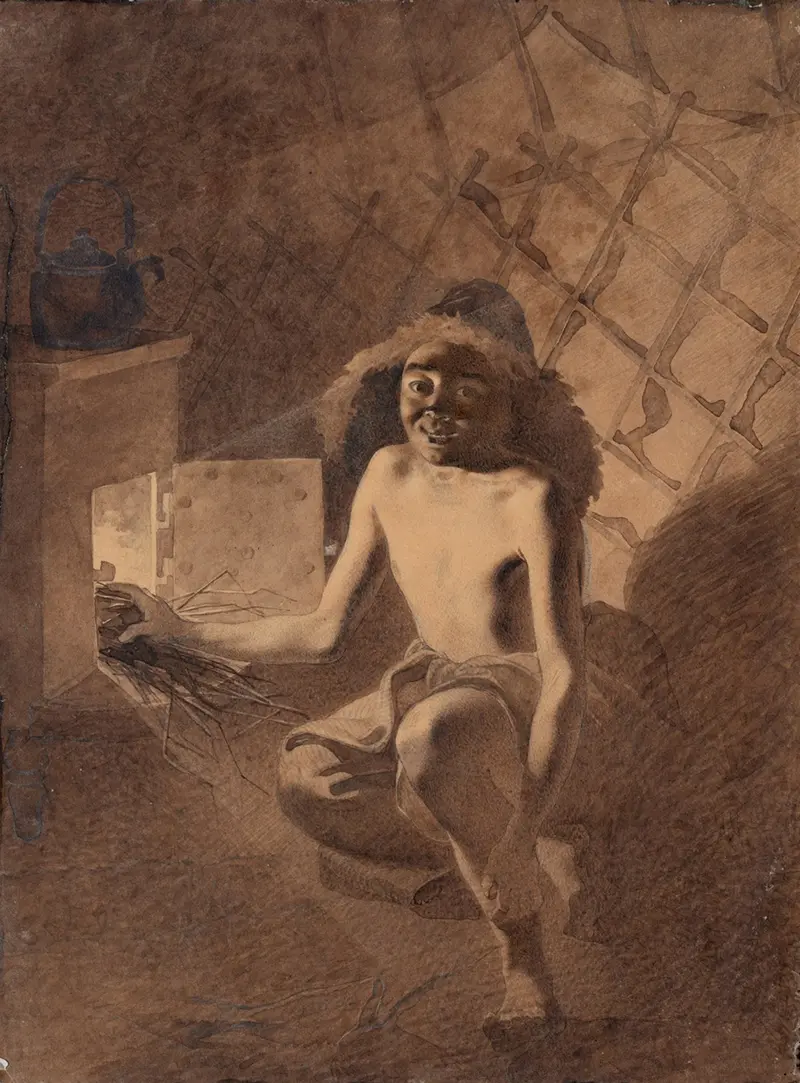
1848 Hlopcyk rozpalije
Taras Shevchenko
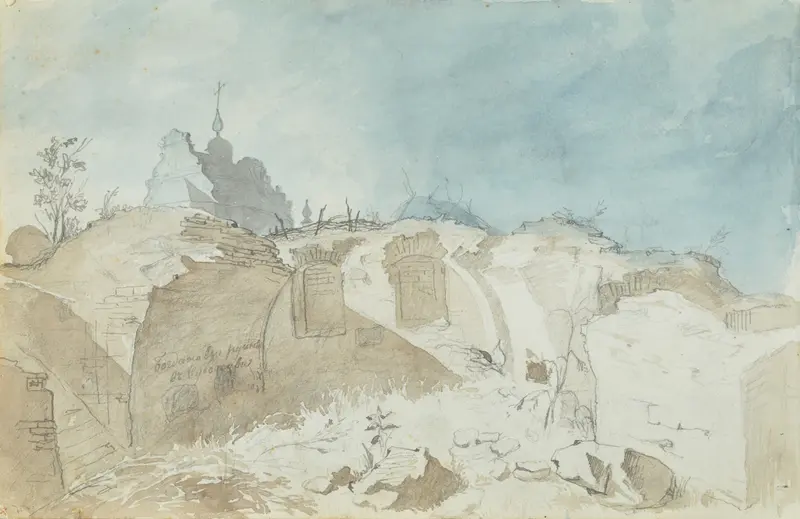
1845 Sh Sketchbook f.12v
Taras Shevchenko
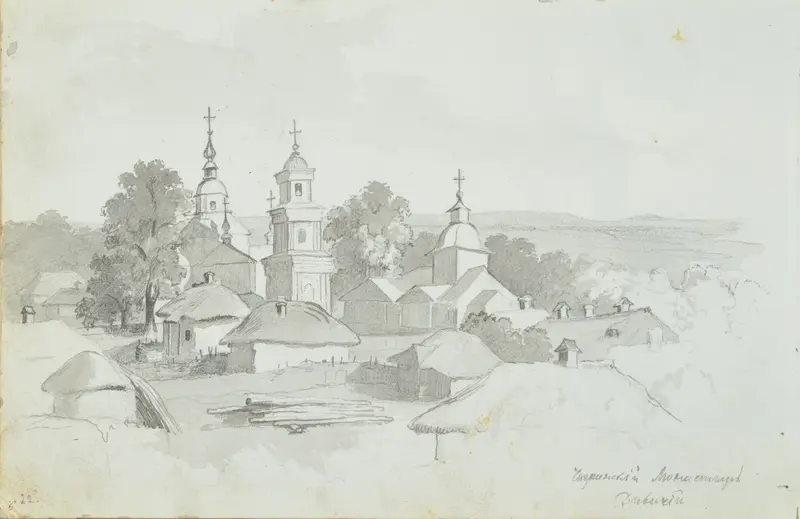
1845 Sh Sketchbook zz f.11v
Taras Shevchenko
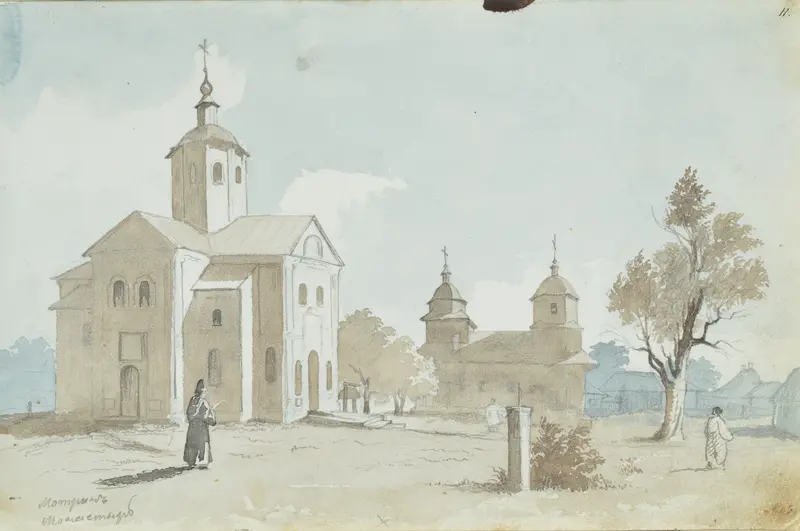
1845 Sh Sketchbook f.11r
Taras Shevchenko
More Genre Scene Art

Banquet of the Officers of the St George Civic Guard
Frans Hals

Rembrandt and Saskia in the Scene of the Prodigal Son
Rembrandt van Rijn

Bal du moulin de la Galette
Pierre-Auguste Renoir

Quadrille at the Moulin Rouge
Henri de Toulouse-Lautrec

A Burial at Ornans
Gustave Courbet

When Will You Marry?
Paul Gauguin