
The Last Communion of Saint Jerome — History & Facts
In the late 1490s, as Florence trembled under the influence of the fiery preacher Savonarola, Sandro Botticelli painted The Last Communion of Saint Jerome—a rare subject in Renaissance art and one that directly echoes the spiritual anxieties of its time. The painting is remarkable for its connection to the Dominican reform movement: it was likely commissioned by a follower of Savonarola, who promoted the ideal of a pure, penitent Church and often cited the example of Saint Jerome’s final devotion. This work stands as one of the few painted depictions of Jerome’s last sacrament, a scene more commonly found in early Christian texts than on Italian altarpieces. The moment captured is the aged Jerome, gaunt and frail, kneeling to receive the Eucharist from a priest as death approaches.
Botticelli places the saint at the center, his emaciated body clothed in a simple robe, hands outstretched in longing for the host. Around him, monks gather in silent awe, their faces marked by reverence and sorrow. The sparse setting—bare stone, a wooden crucifix, a skull—speaks to Jerome’s life of asceticism and his final humility.
Botticelli’s use of gentle, almost mournful light isolates Jerome, drawing the eye to the drama of faith at the threshold of death. Unlike Domenichino’s later and more theatrical Last Communion of Saint Jerome, Botticelli’s vision is intimate, emphasizing spiritual hunger over spectacle. The painting’s precise early history is unclear, but it is widely believed to have been created for a private chapel or a religious confraternity in Florence, reflecting the city’s turbulent religious climate. By the time of Vasari’s writings, The Last Communion of Saint Jerome had already become a point of discussion for its unusual subject and somber tone, standing apart from Botticelli’s earlier mythological works.
Today, it is seen as a key example of the artist’s late style, shaped by the spiritual crisis of his era. The medium remains uncertain—some suggest tempera, others oil—mirroring the uncertainties that still surround this moving testament to faith and mortality.
More Artworks by Sandro Botticelli
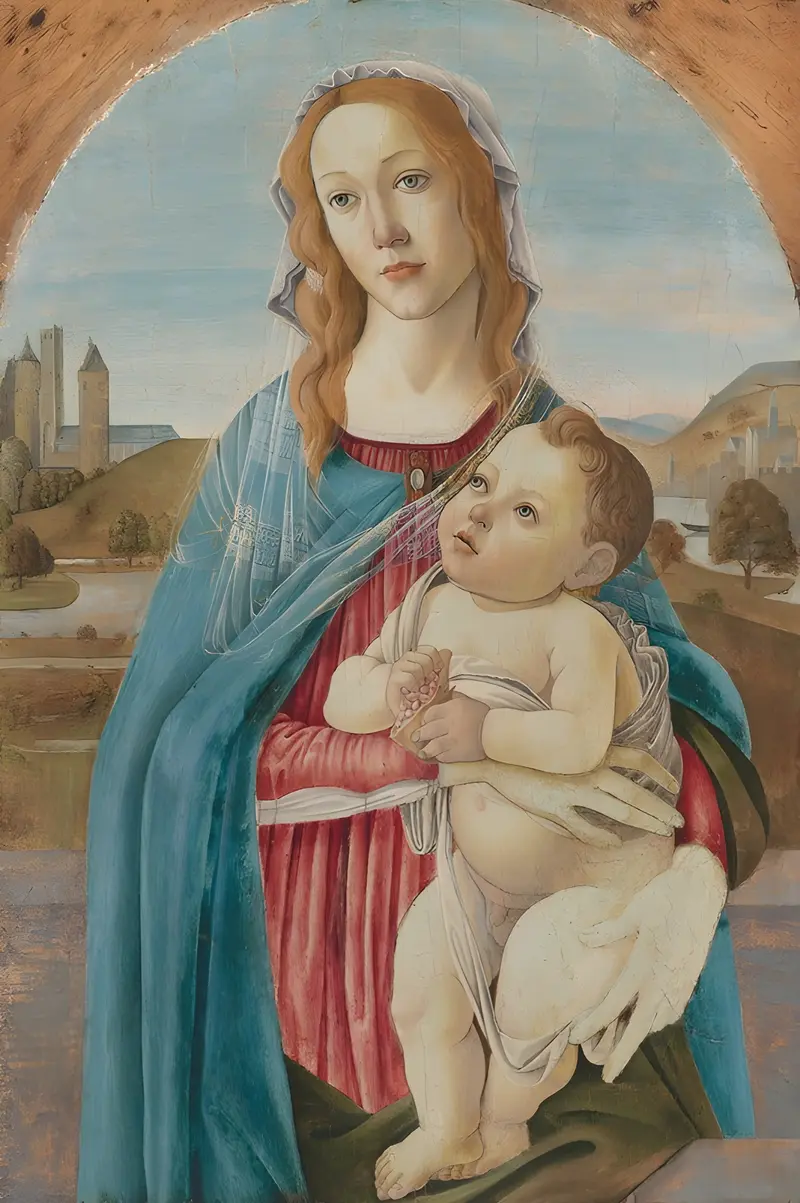
Virgin and Child
Sandro Botticelli
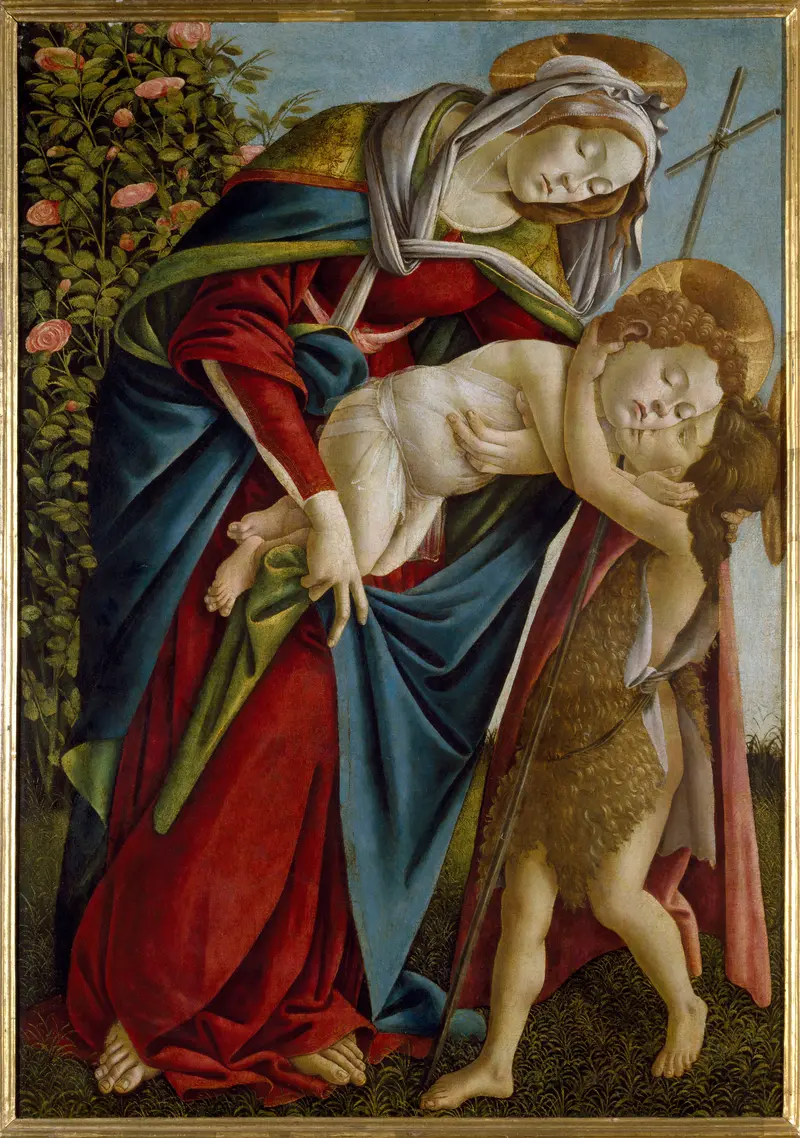
Madonna and Child and the Young St John the Baptist
Sandro Botticelli
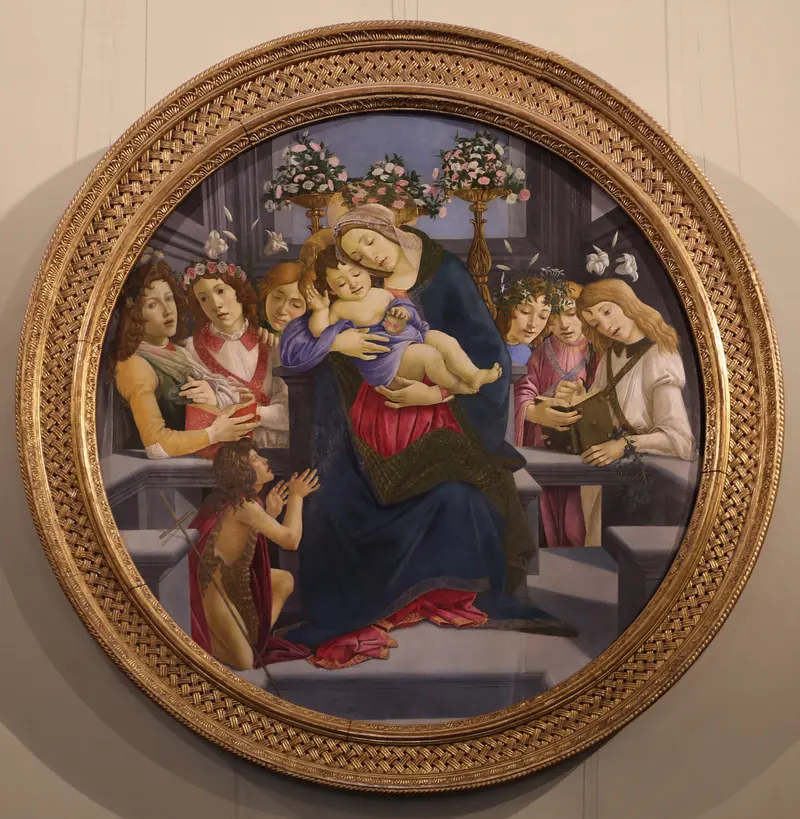
Madonna and Child with six angels and Saint John the Baptist as Child
Sandro Botticelli
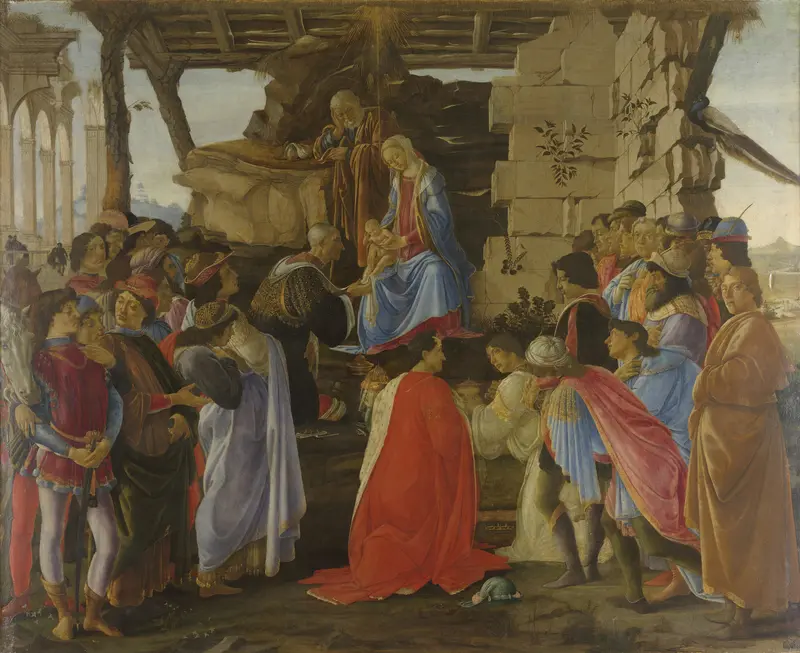
Adoration of the Magi
Sandro Botticelli

Virgin and Child with the Young Saint John the Baptist
Sandro Botticelli
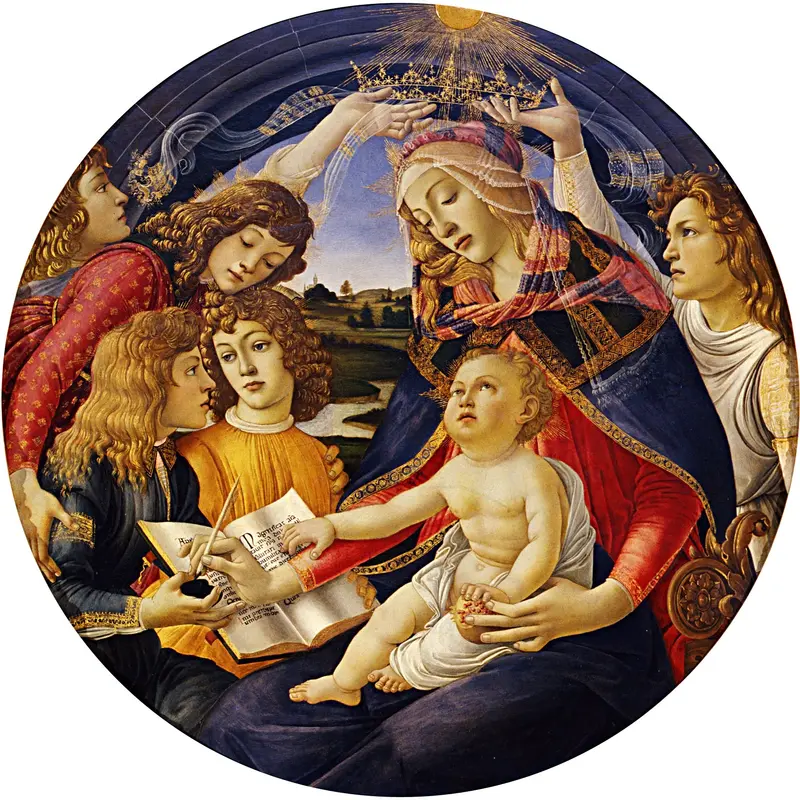
Madonna of the Magnificat
Sandro Botticelli
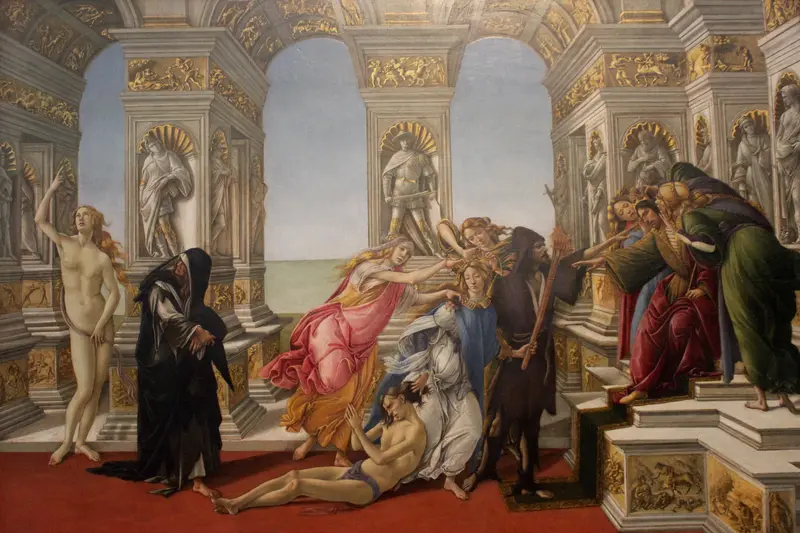
Calumny of Apelles
Sandro Botticelli
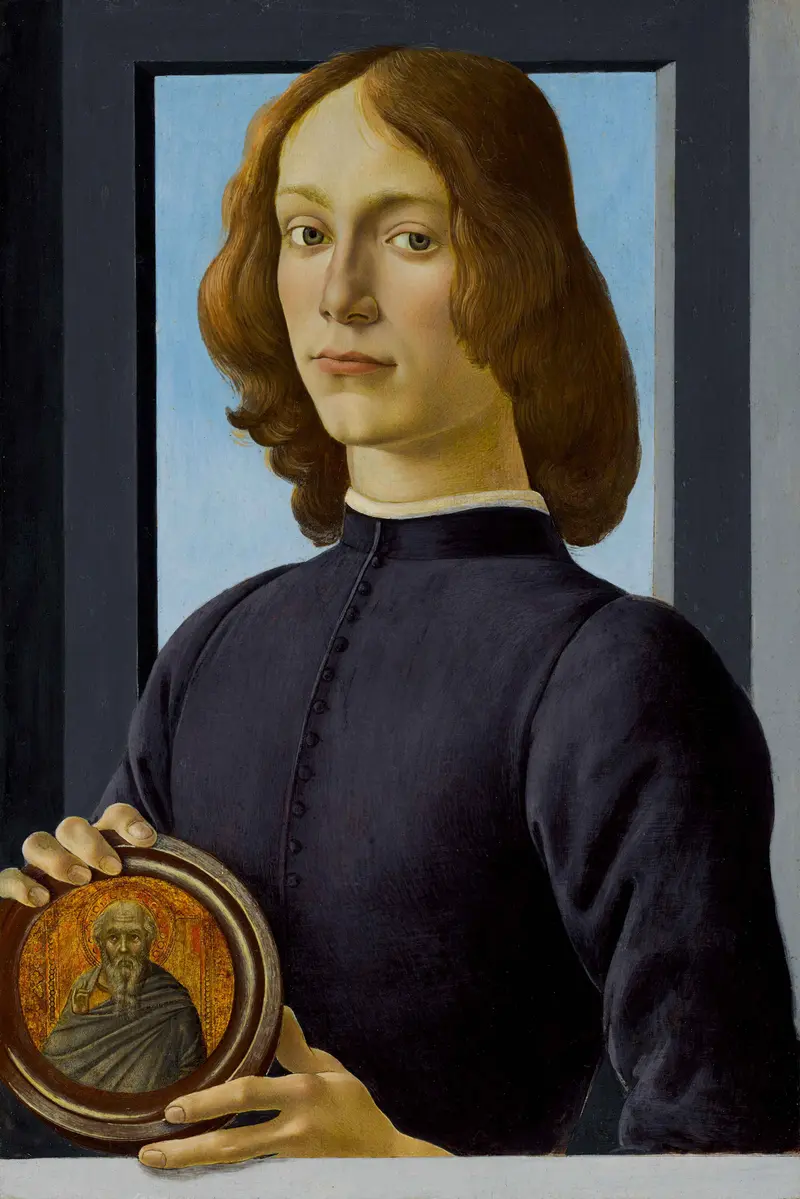
Portrait of a young man holding a roundel
Sandro Botticelli

The Trinity with Saint Mary Magdalene and Saint John the Baptist, the Archangel Raphael and Tobias
Sandro Botticelli
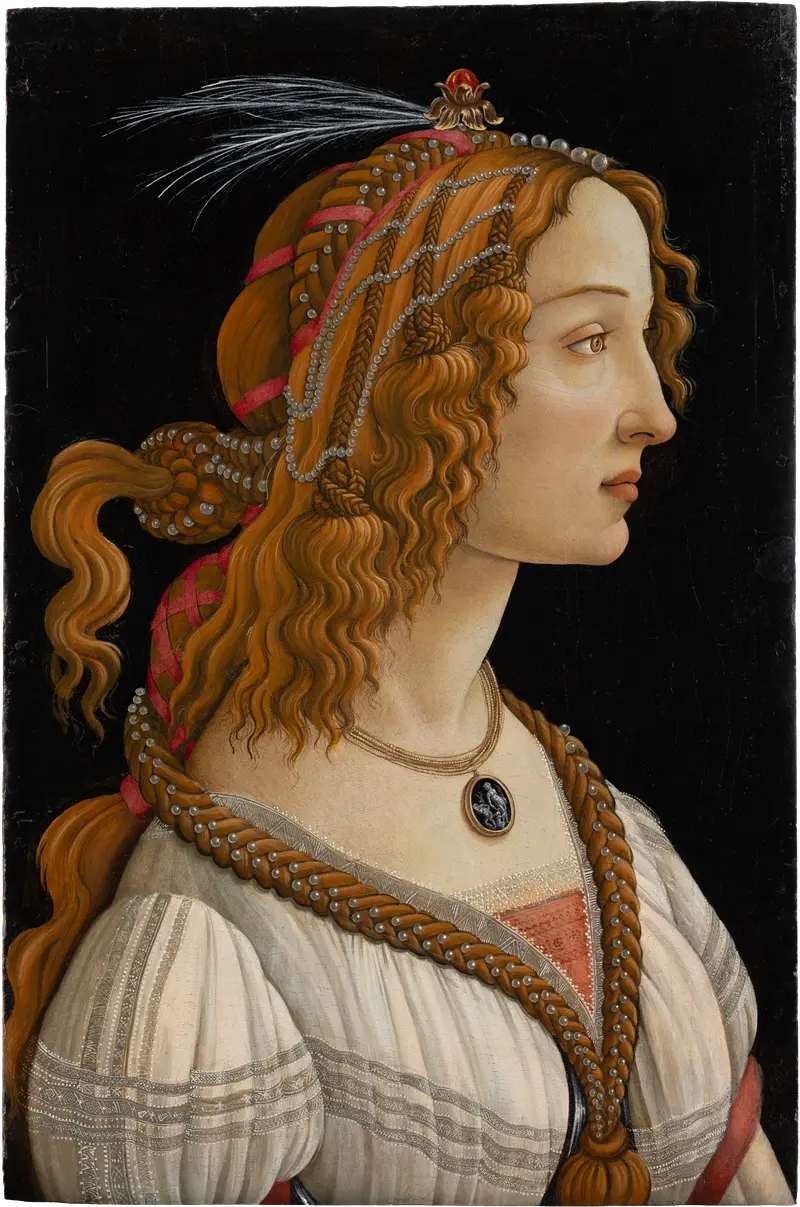
Idealized Portrait of a Lady (Portrait of Simonetta Vespucci as Nymph)
Sandro Botticelli





