
The Martyrdom of St Januarius in the Amphitheatre at Pozzuoli — History & Facts
When the city of Naples was ravaged by plague in 1631, its citizens turned to their patron saint, St Januarius, for salvation. In gratitude for what they believed was his miraculous intervention, the city’s rulers commissioned Artemisia Gentileschi—already famed for her dramatic storytelling—to paint The Martyrdom of St Januarius in the Amphitheatre at Pozzuoli. The commission was part of a grand decorative cycle for the cathedral’s Chapel of the Treasury, celebrating the saint’s life and sacrifice.
This was a rare public project for Artemisia, whose career was more often shaped by private collectors and princely patrons. At the heart of the painting, Artemisia captures the moment when Januarius, bishop of Benevento, stands defiantly before his Roman persecutors in the arena, moments before his execution in the early fourth century. The saint, robed in white, is surrounded by executioners and wild beasts, yet his gaze is lifted heavenward, serene and unafraid. The chains at his feet and the lions held at bay signify both his captivity and the miraculous protection attributed to him—according to legend, the beasts refused to attack.
The light falls dramatically on Januarius, separating him from the shadowed crowd and heightening the sense of divine intervention. Unlike the more static martyrdoms painted by Domenichino for the same chapel, Artemisia’s version pulses with tension and immediacy. The original painting remains in Naples, though its precise medium—oil or tempera—has been a subject of debate among scholars. While Artemisia Gentileschi is most closely associated with Rome and Florence, this Neapolitan commission marked a turning point, cementing her reputation in southern Italy.
Over the centuries, the work has suffered from overpainting and restoration, but its bold composition and psychological intensity continue to draw visitors. Today, The Martyrdom of St Januarius in the Amphitheatre at Pozzuoli stands as a testament to Artemisia’s ability to blend personal vision with public devotion, and to the enduring power of Neapolitan faith.
More Artworks by Artemisia Gentileschi

Judith Beheading Holofernes
Artemisia Gentileschi
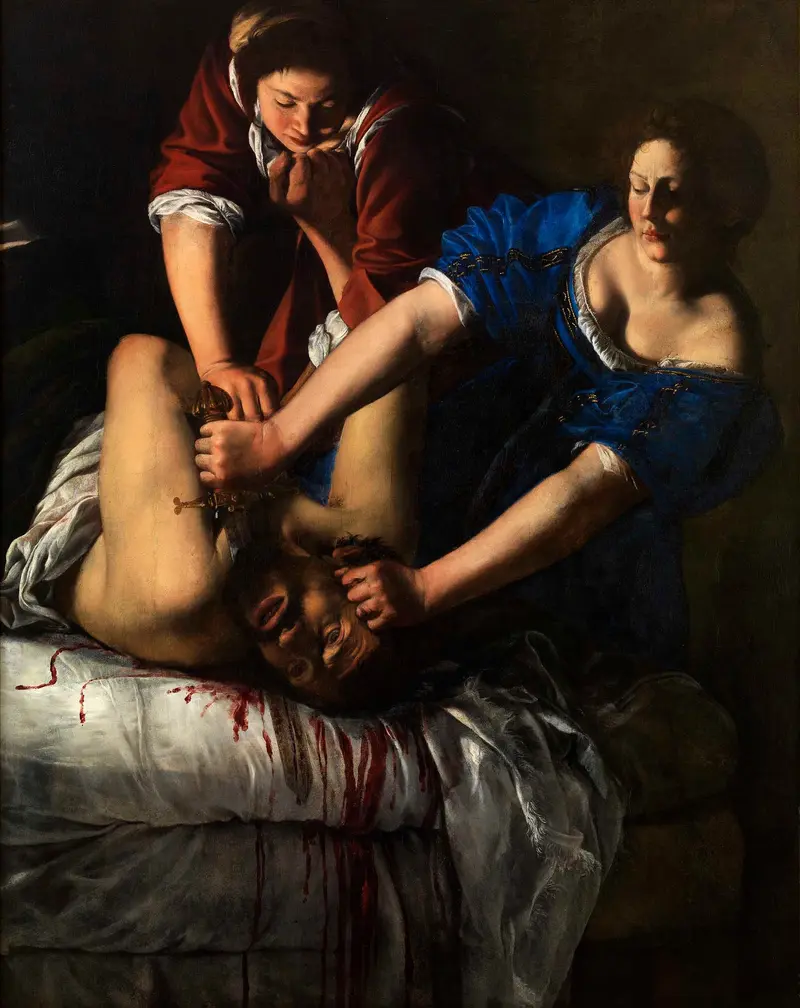
Judith Slaying Holofernes
Artemisia Gentileschi
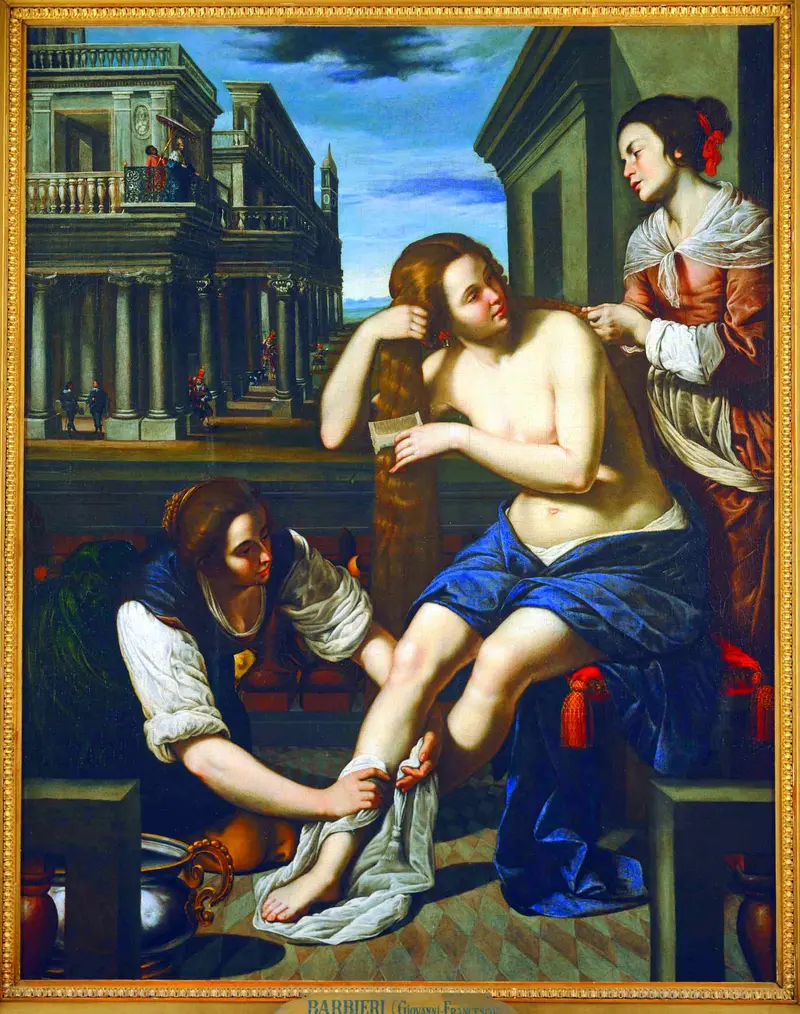
Bathsheba at Her Bath
Artemisia Gentileschi
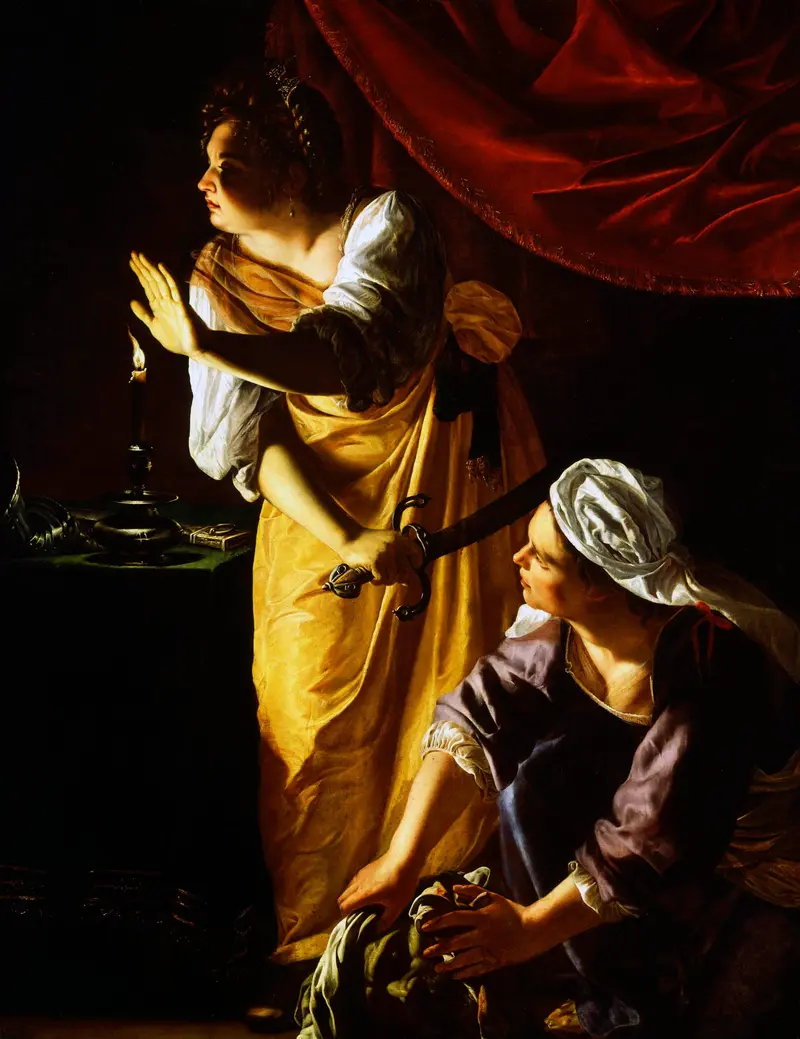
Judith and Maidservant with Head of Holofernes
Artemisia Gentileschi
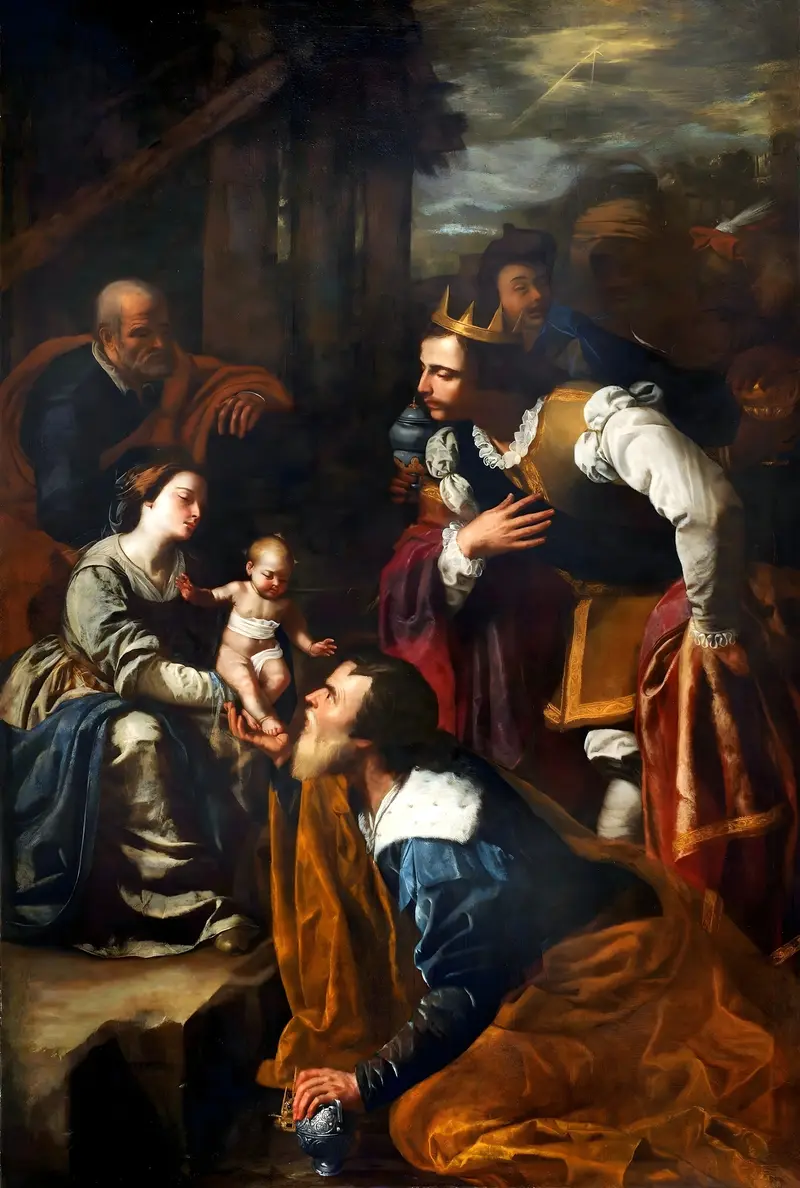
Adoration of the Magi
Artemisia Gentileschi
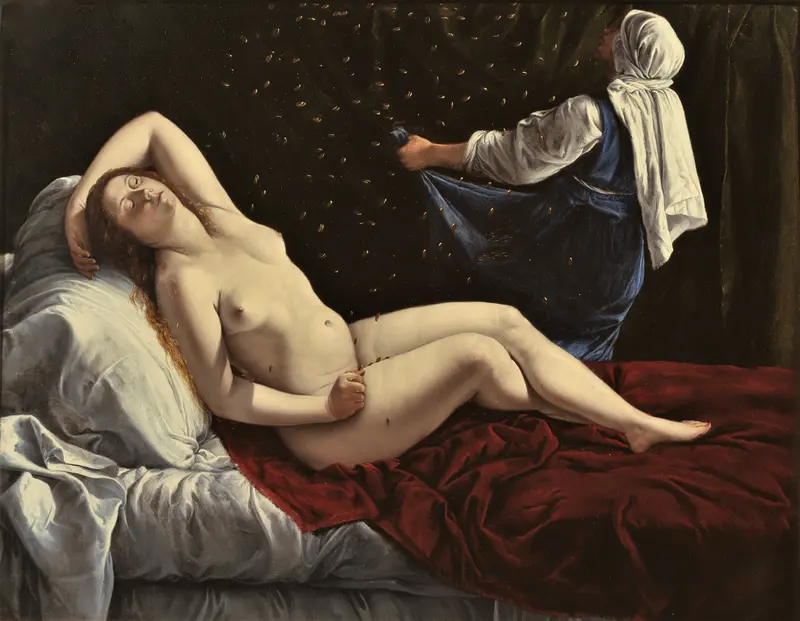
Danaë
Artemisia Gentileschi
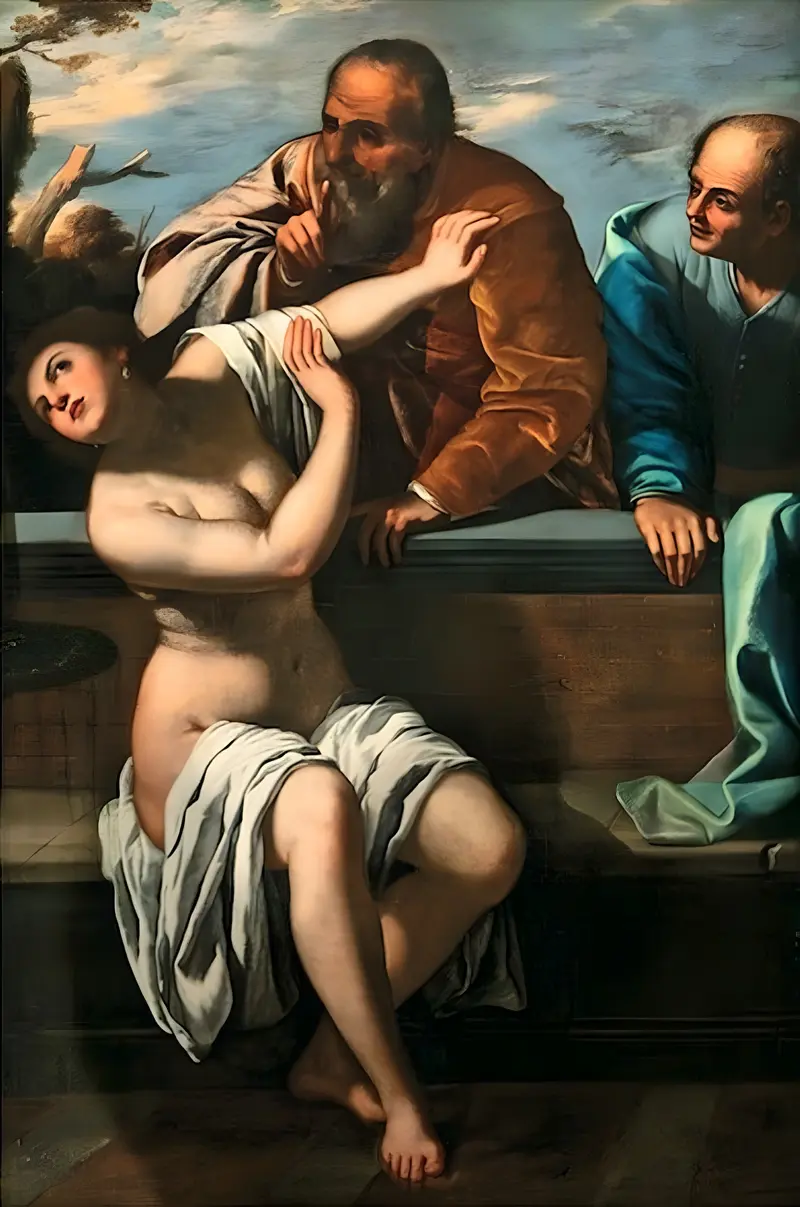
Susannah and the Elders
Artemisia Gentileschi

Judith and her Servant with the Head of Holofernes
Artemisia Gentileschi
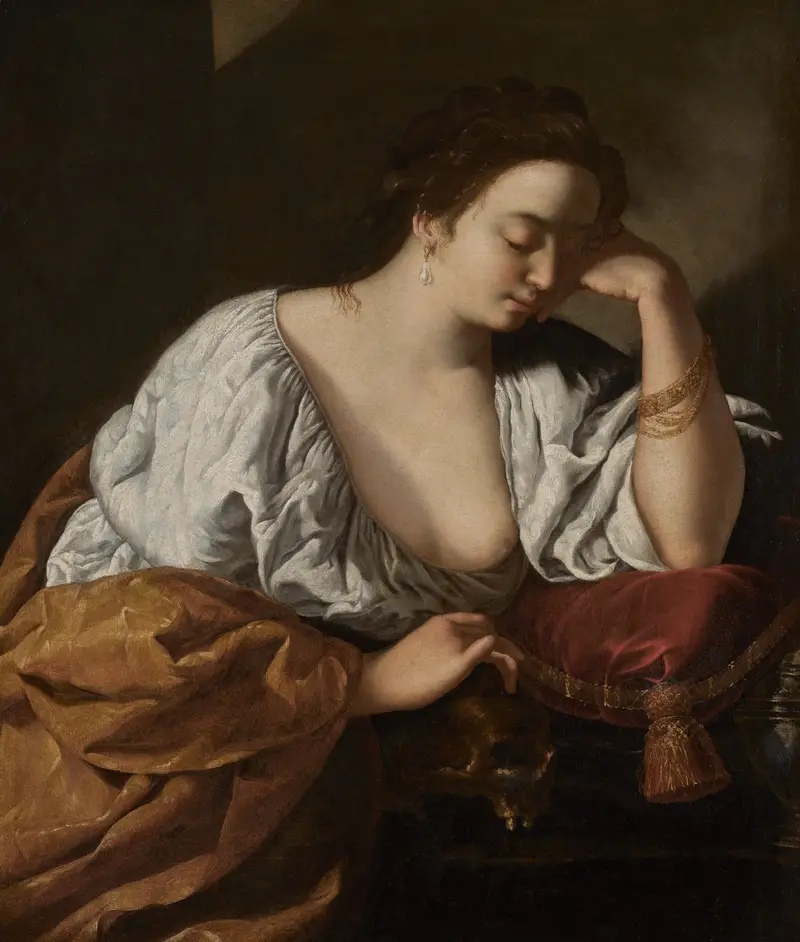
Madeleine pénitente, par
Artemisia Gentileschi
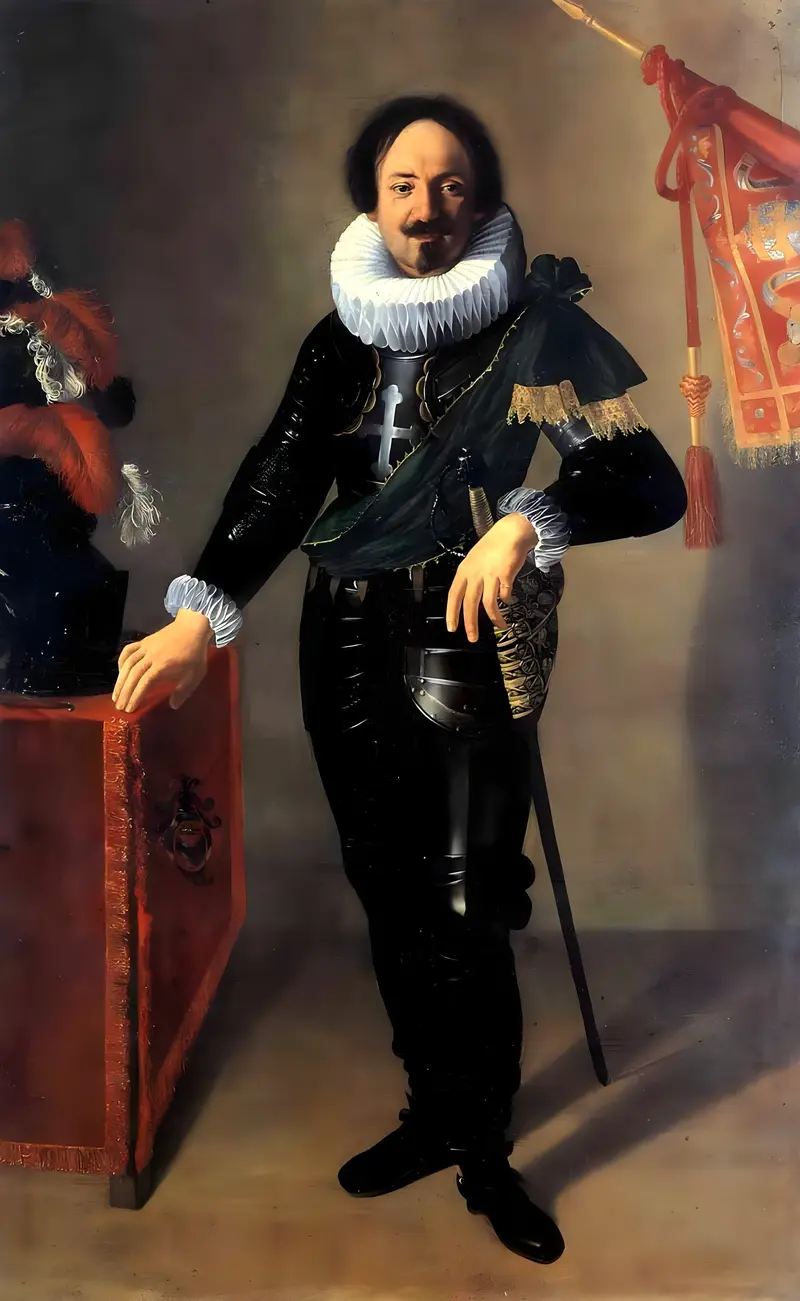
Portrait of a Gonfaloniere
Artemisia Gentileschi





