
The Meal — History & Facts
What first seizes the eye in The Meal is the sense of bodies rendered as machinery—two figures, their forms gleaming and smooth as porcelain, interlock in a tableau that is both intimate and strangely impersonal. The curves of their limbs echo the rounded industrial shapes scattered around them: a red and white vessel, a stack of yellow orbs, the black-and-white stripes of a table or device. Léger’s palette is deliberate—primary colors and stark monochromes—setting up a visual rhythm that pulses with the energy of a modern city.
The faces are blank, the hair rendered as glossy ribbons, so that gesture and form, rather than expression, carry the weight of the scene. The composition draws the viewer in, inviting a search for narrative in a world where the human and the mechanical are inseparable. Painted in 1921, this work stands at the crossroads of a Europe remade by war and industry, when artists like Fernand Léger looked to the machine as both a symbol of progress and a new aesthetic ideal. Léger, associated with the Cubist and later Purist movements, was fascinated by the geometry and order of mechanical forms, and here he merges them with the rituals of daily life.
In the aftermath of World War I, such paintings offered both a celebration and a critique of modernity: the meal, once a symbol of domestic warmth, is reimagined as a scene of precision and abstraction. Now housed in the Centre Pompidou, The Meal is a reminder that history has kept few traces of the everyday lives behind these stylized forms—but the painting’s energy and strangeness keep us looking, searching for the human story inside the machine.
More Artworks by Fernand Léger

The Tugboat Bridge
Fernand Léger
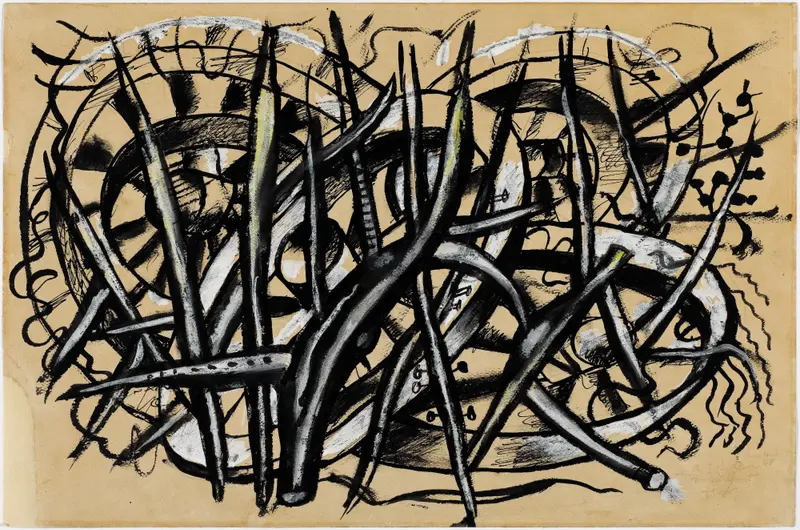
The Wheels
Fernand Léger

Le Cirque Médrano
Fernand Léger
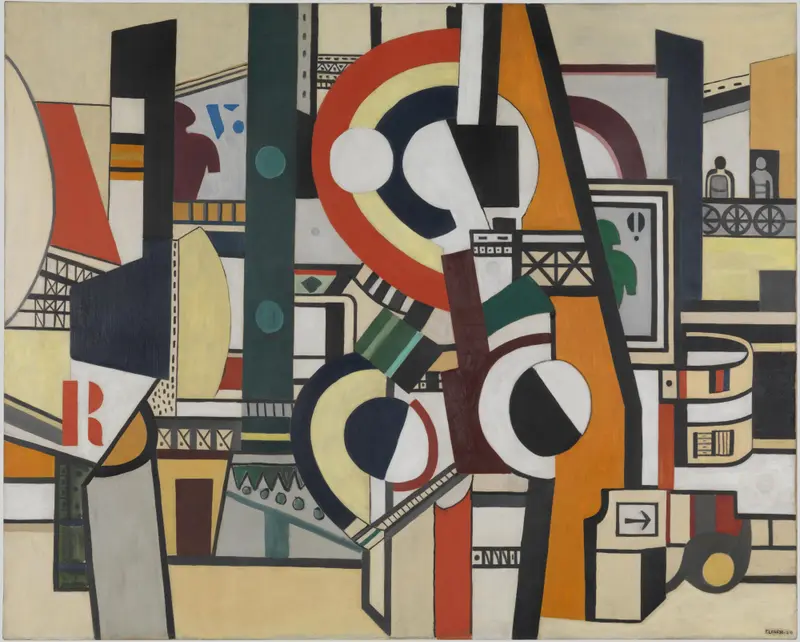
The Disks in the City
Fernand Léger
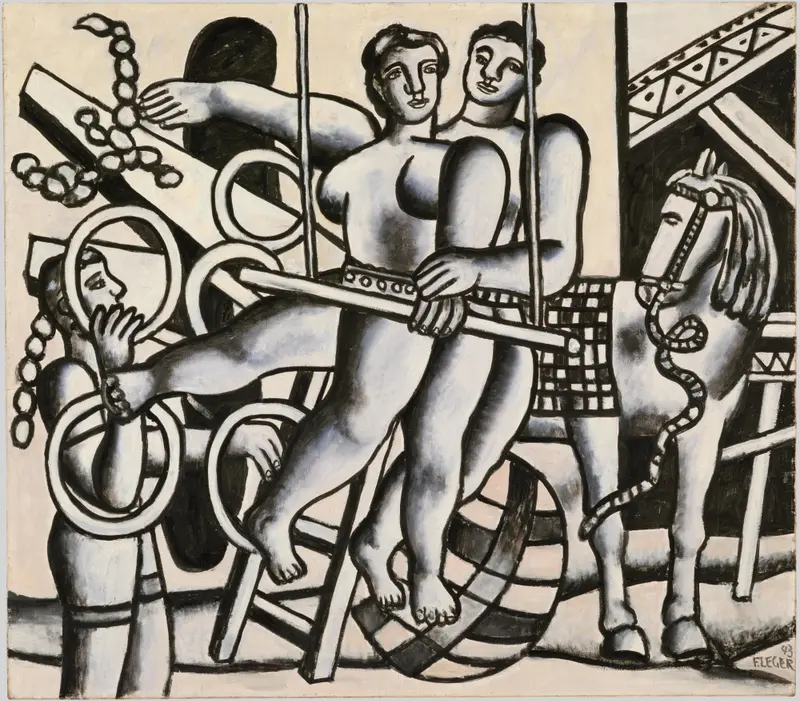
Le Jongleur et les acrobates
Fernand Léger
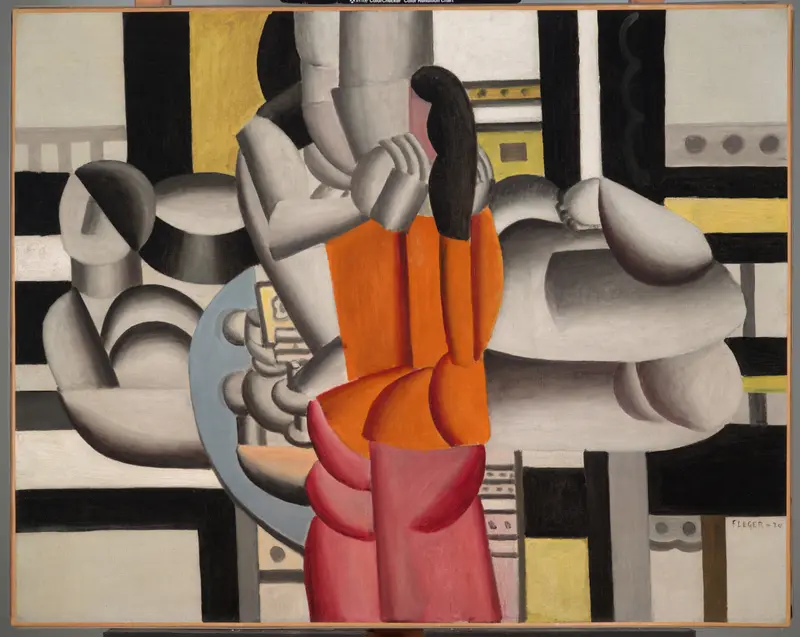
Three Women and Still Life (Déjeuner)
Fernand Léger
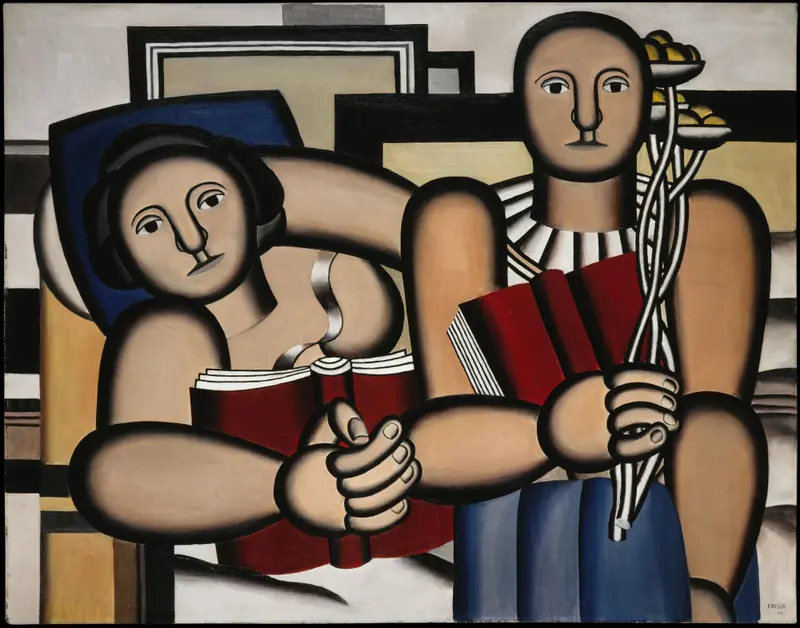
Reading
Fernand Léger
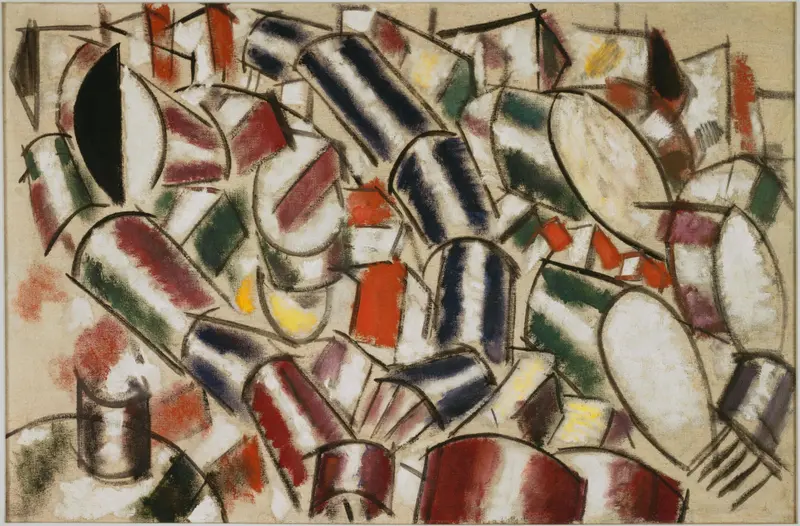
Femme couchée
Fernand Léger
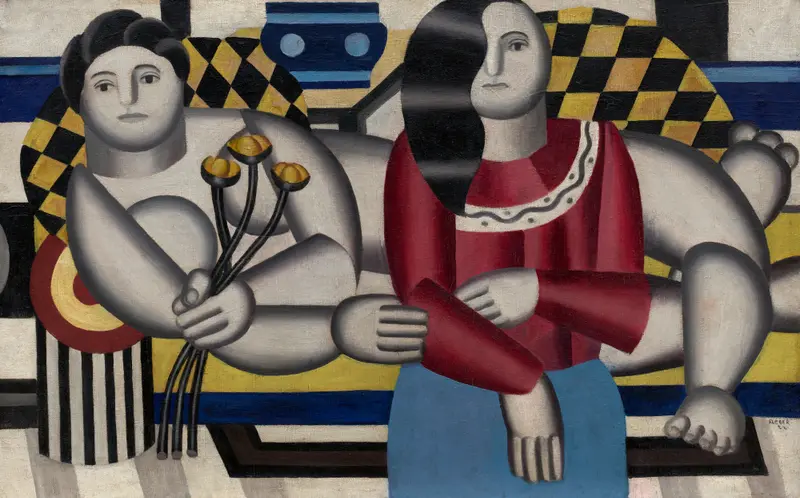
Woman holding flowers
Fernand Léger
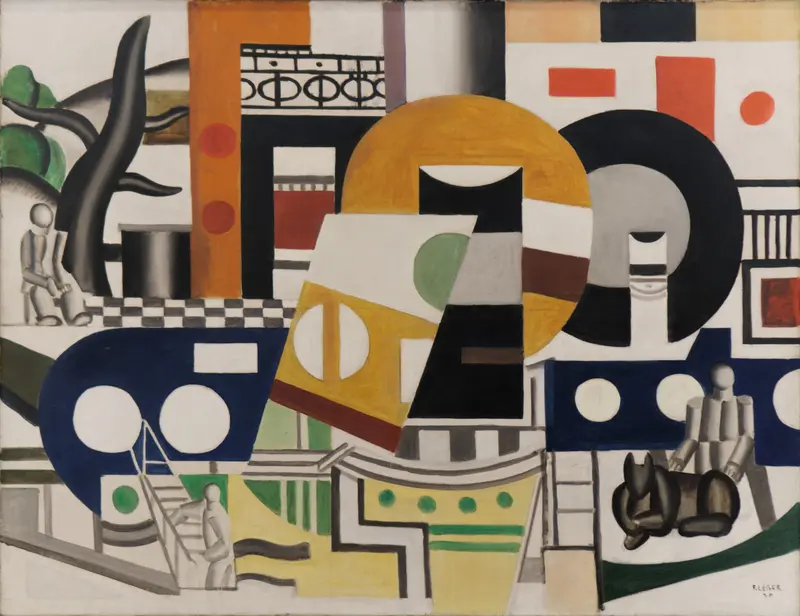
The Tug
Fernand Léger
More Genre Scene Art

Banquet of the Officers of the St George Civic Guard
Frans Hals

Rembrandt and Saskia in the Scene of the Prodigal Son
Rembrandt van Rijn

Bal du moulin de la Galette
Pierre-Auguste Renoir

Quadrille at the Moulin Rouge
Henri de Toulouse-Lautrec

A Burial at Ornans
Gustave Courbet

When Will You Marry?
Paul Gauguin