
The Murders in the Rue Morgue (Edgar Allan Poe) — History & Facts
What first seizes the eye in The Murders in the Rue Morgue (Edgar Allan Poe) by Aubrey Beardsley is not the violence, but the strange poise—a moment of horror held in almost balletic suspension. The monstrous figure, part ape and part grotesque caricature, clasps a limp, dark-haired woman in a grip that is both possessive and chillingly gentle. Every line is deliberate: the creature’s earring and pendant dangle with a mocking elegance, while the woman's head lolls, her hair cascading in inky waves that echo the tassels and swags of the stage-like backdrop.
The setting, with its delicate curtains and ornamental tassels, frames the act as if it were a performance, daring the viewer to look closer at the macabre theater unfolding within. This drawing, created in 1894, belongs to a world where the boundaries between illustration and fine art were dissolving, thanks in part to the daring of artists like Beardsley. The late nineteenth century saw a fascination with the decadent, the uncanny, and the psychologically charged—qualities that found a natural home in literary illustration, especially for works by authors like Edgar Allan Poe. Commissioned illustrations for books and magazines were a thriving industry, and artists were pushing the limits of what could be shown.
Beardsley’s work, now held by the Metropolitan Museum of Art, stands as a testament to this era’s taste for the morbid and the ornate, inviting us to linger on every unsettling detail and to question where beauty ends and terror begins.
More Artworks by Aubrey Beardsley

The Dream
Aubrey Beardsley
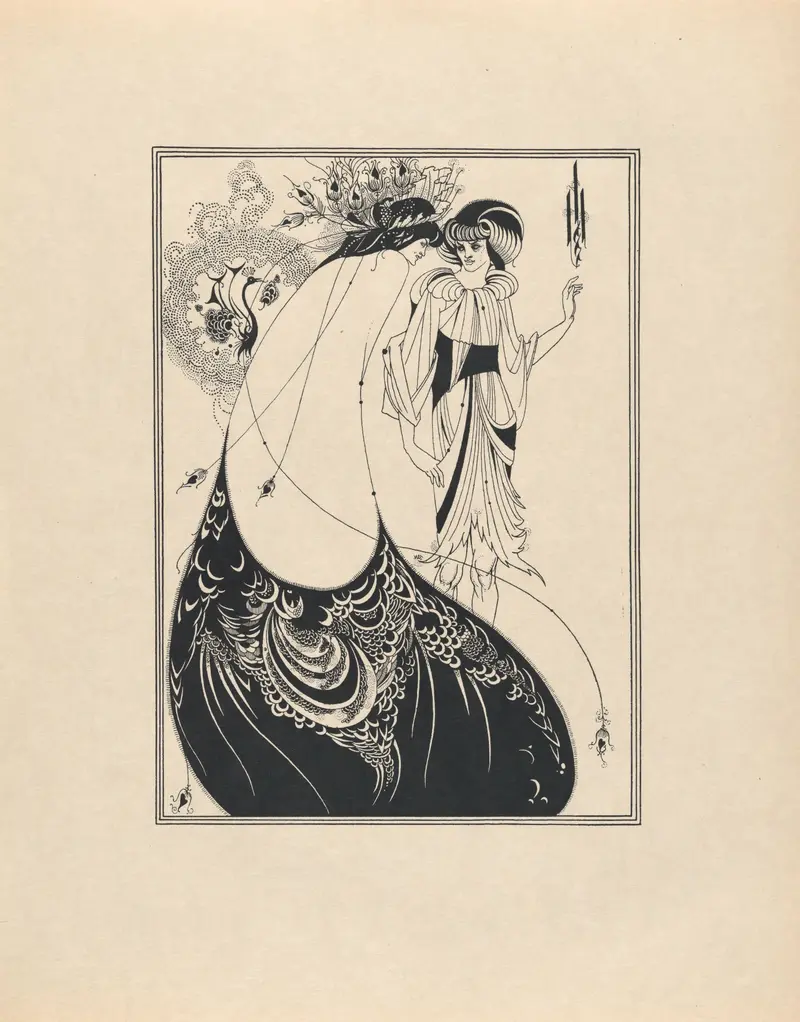
The Peacock Skirt
Aubrey Beardsley
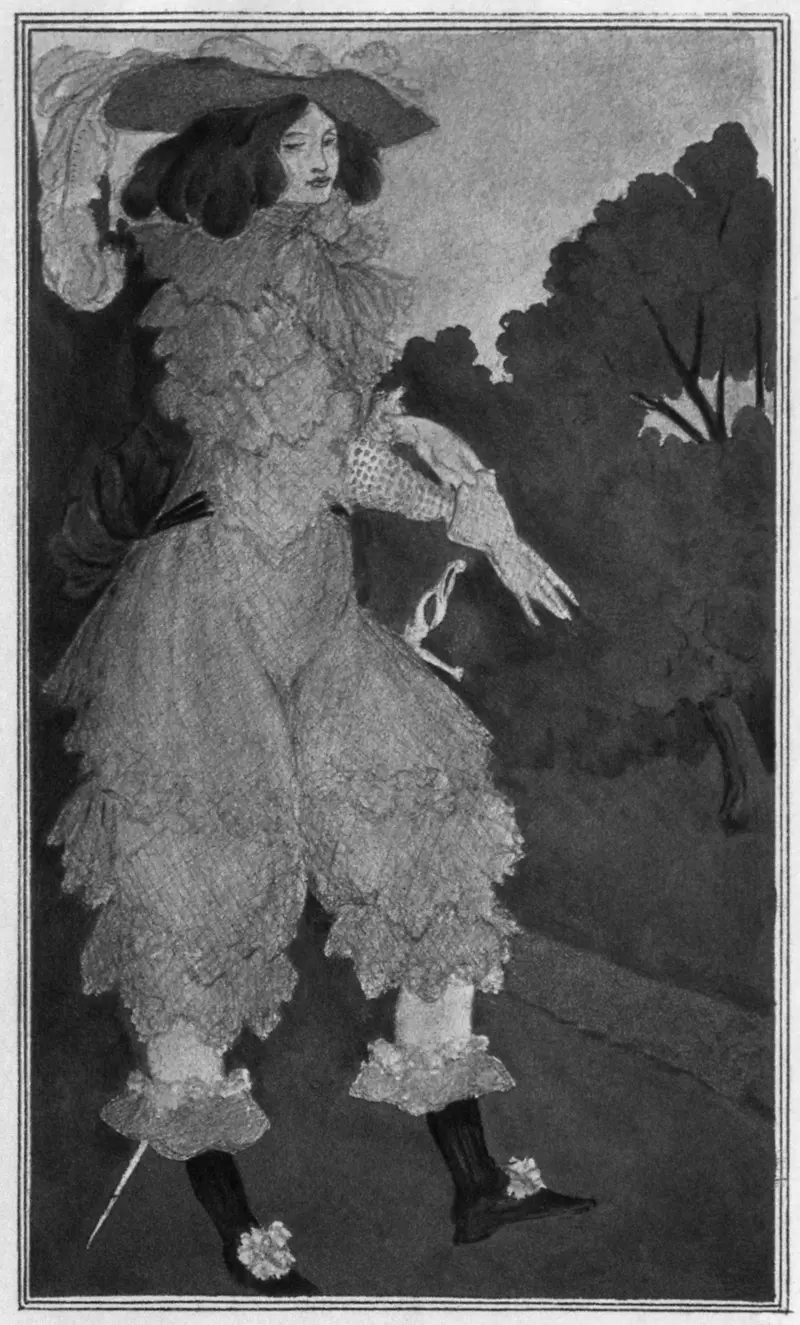
Mademoiselle de Maupin
Aubrey Beardsley
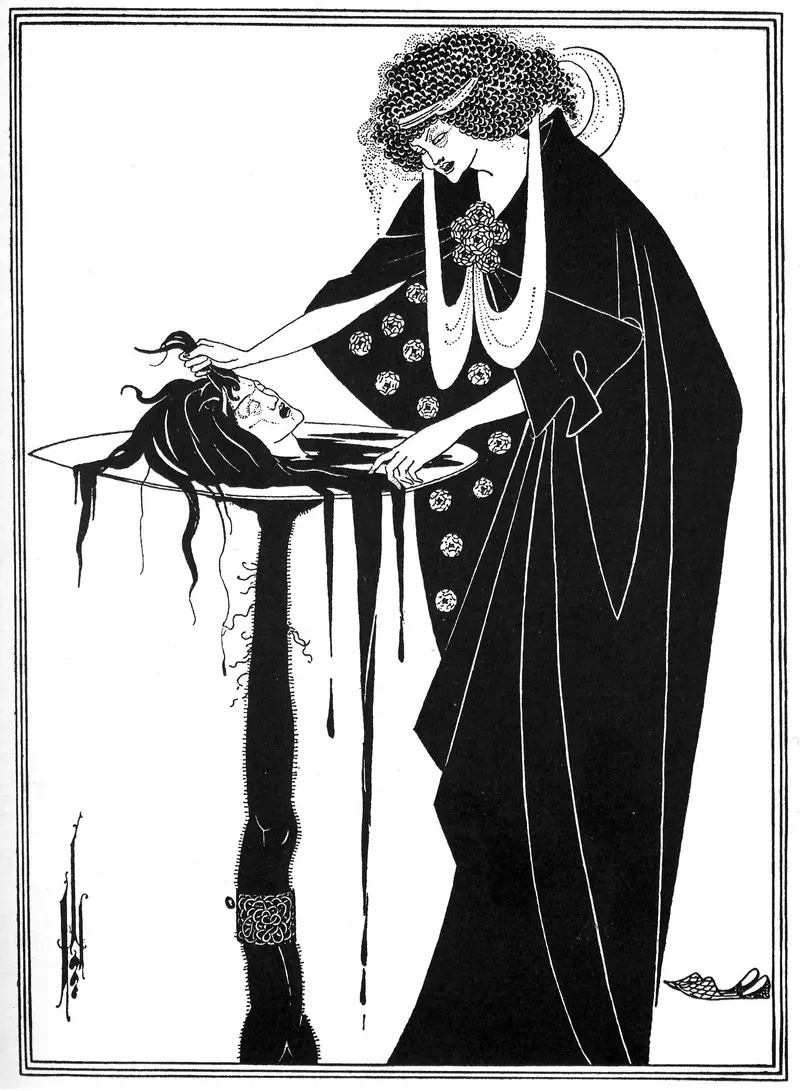
The Dancer's Reward (Salome)
Aubrey Beardsley
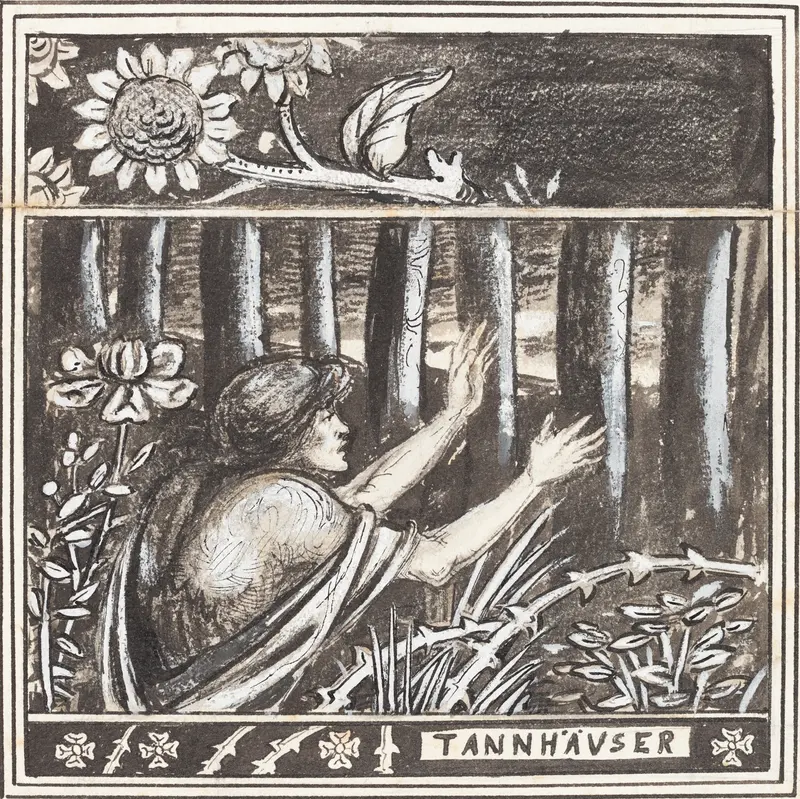
Tannhäuser
Aubrey Beardsley
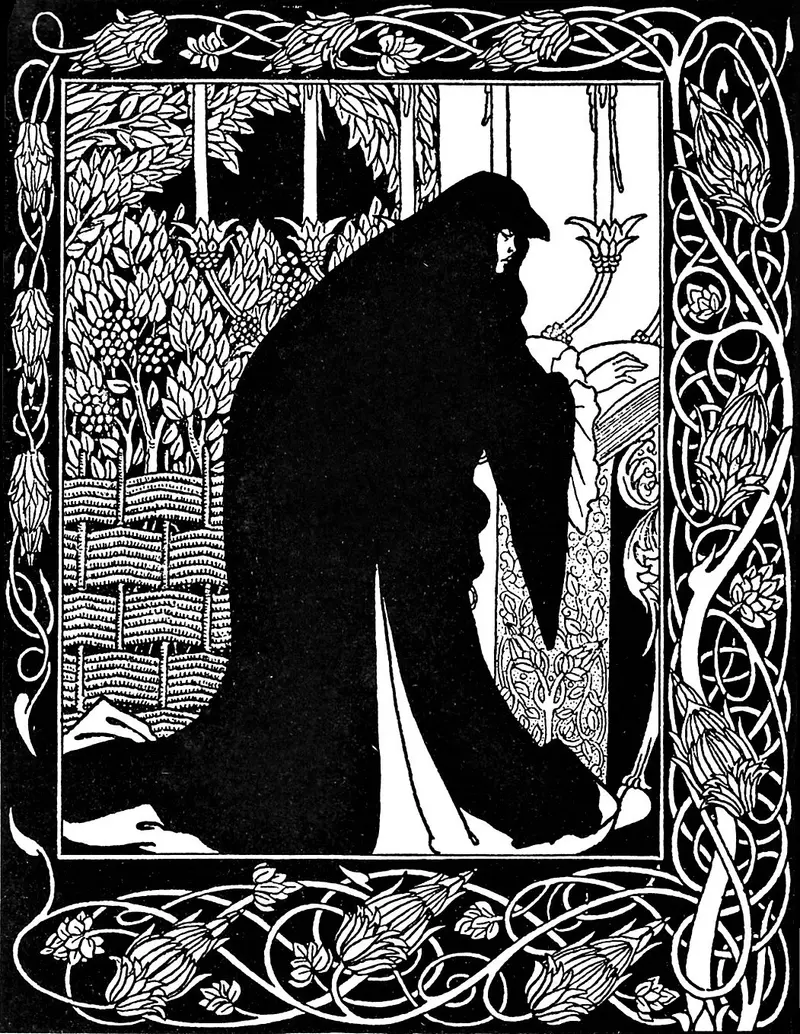
Queen Guenever, a Nun at Almesbury (Le Morte d'Arthur)
Aubrey Beardsley
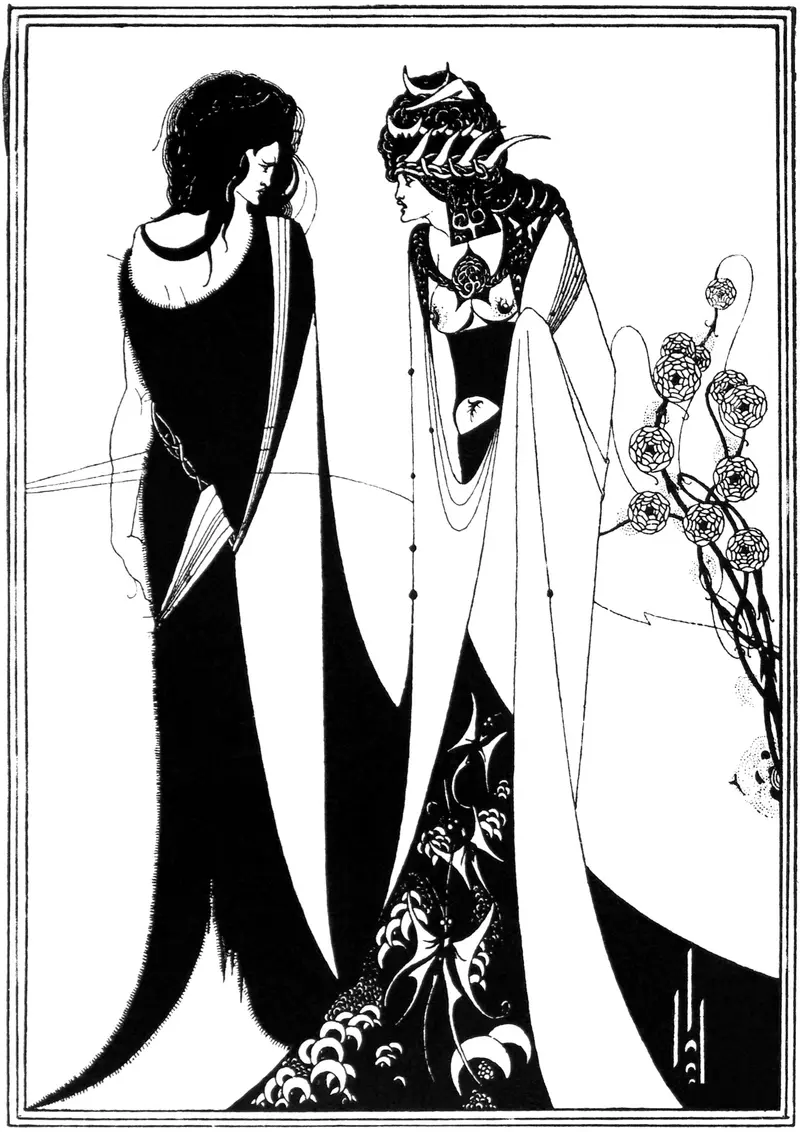
John and Salome
Aubrey Beardsley
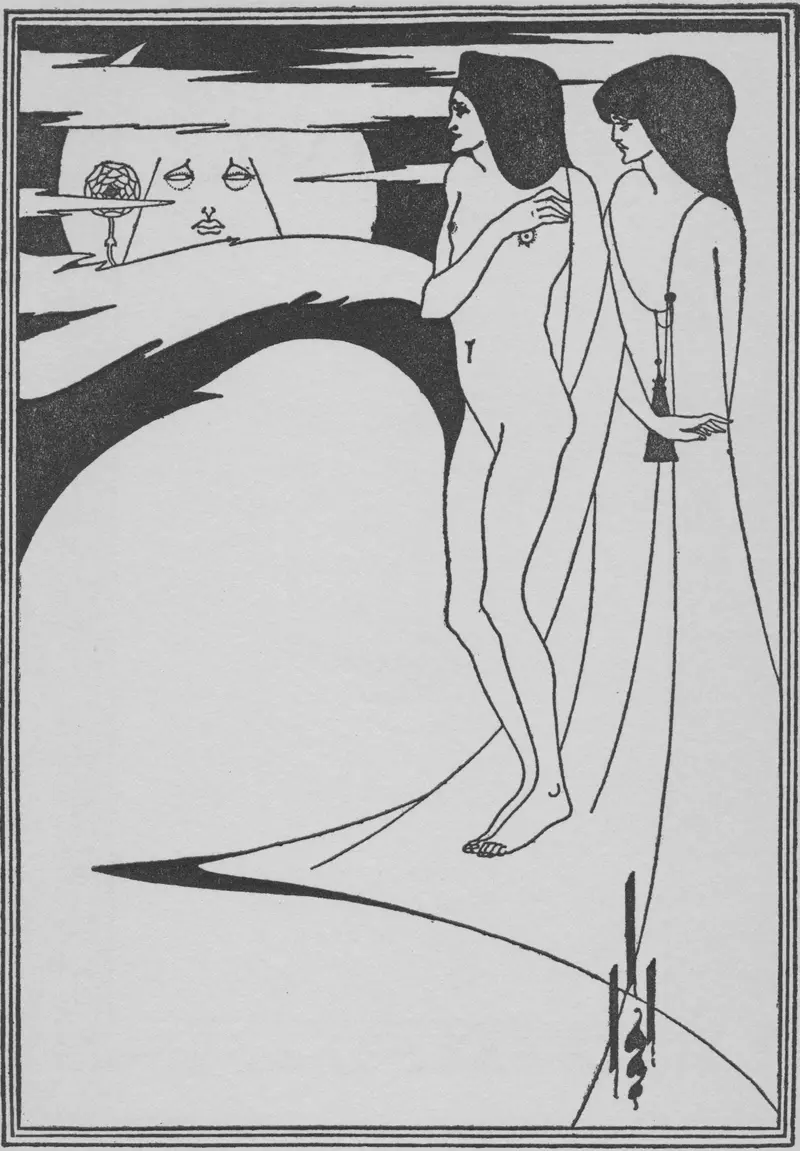
The Woman in the Moon (Salome)
Aubrey Beardsley
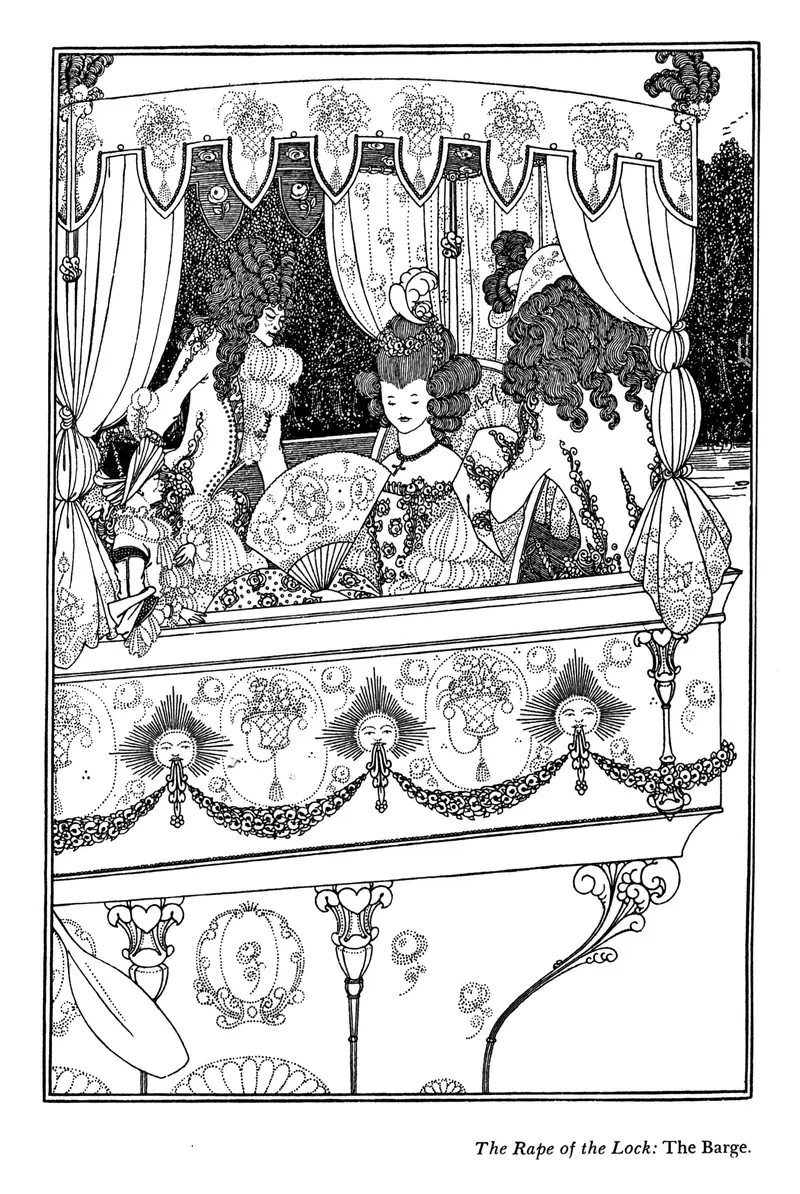
The Barge (The Rape of the Lock)
Aubrey Beardsley
Hermaphroditus (Le Morte d'Arthur)
Aubrey Beardsley





