
The Mystic Wood — History & Facts
What draws the eye first in The Mystic Wood is the hush of anticipation: four figures, draped in medieval dress, stand poised at the edge of a shadowed forest, held in thrall by the silent passage of a white stag. The lead woman’s outstretched hand, fingers splayed against a tree, signals both wonder and restraint—she is both guide and guardian for those behind her. The stag itself, crowned with antlers and haloed by a faint golden collar, glides through the tangled undergrowth, a living apparition that seems to beckon the group deeper into the woods.
Waterhouse’s brushwork lets the forest loom and close in, the trunks and branches forming a natural barrier that heightens the sense of secrecy and enchantment. The palette—earthy browns, mossy greens, and the luminous white of the stag—casts a spell of twilight, inviting the viewer to linger in this moment between discovery and pursuit. Painted between circa 1914 and circa 1917, this work belongs to the late flowering of British Pre-Raphaelitism, when artists like John William Waterhouse turned again and again to myth, legend, and the supernatural as antidotes to the anxieties of the modern world. Such paintings were rarely mere illustrations; they were invitations to lose oneself in a world where the boundaries between the ordinary and the magical blur.
The white stag, a symbol of mystery and quest in Arthurian and Celtic lore, hints at stories of transformation and destiny—tales that would have resonated with audiences facing the uncertainties of the First World War. Though little is recorded about the specific journey of this painting, its presence in an online collection today is a reminder of how these visions of enchantment continue to call us into the woods, urging us to look again.
More Artworks by John William Waterhouse
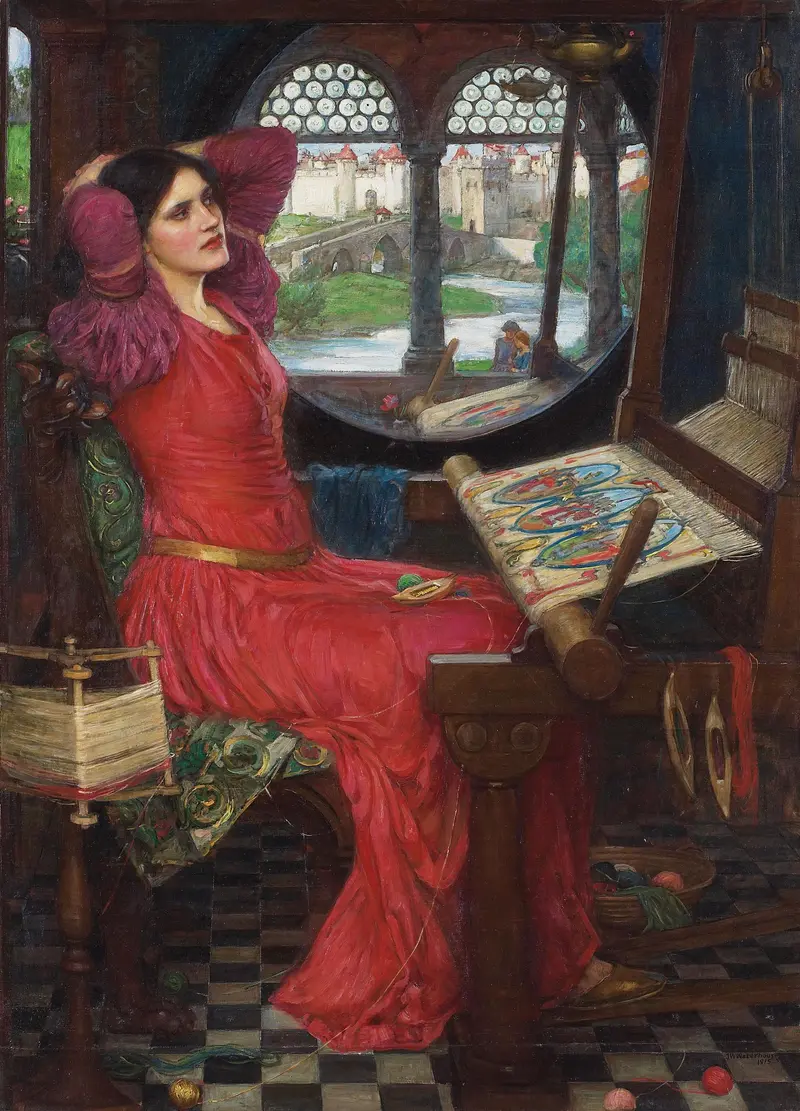
'I Am Half-Sick of Shadows,' Said the Lady of Shalott
John William Waterhouse

The Favourites of the Emperor Honorius, 1883
John William Waterhouse
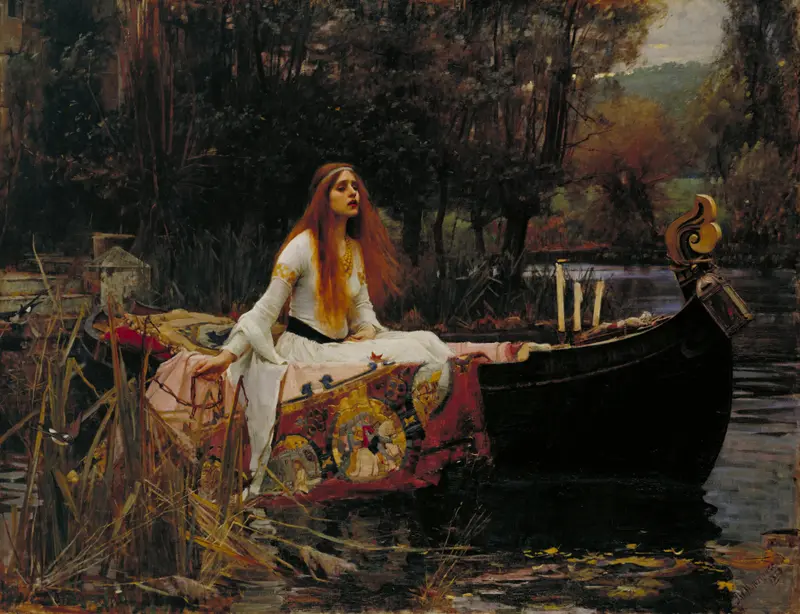
The Lady of Shalott
John William Waterhouse
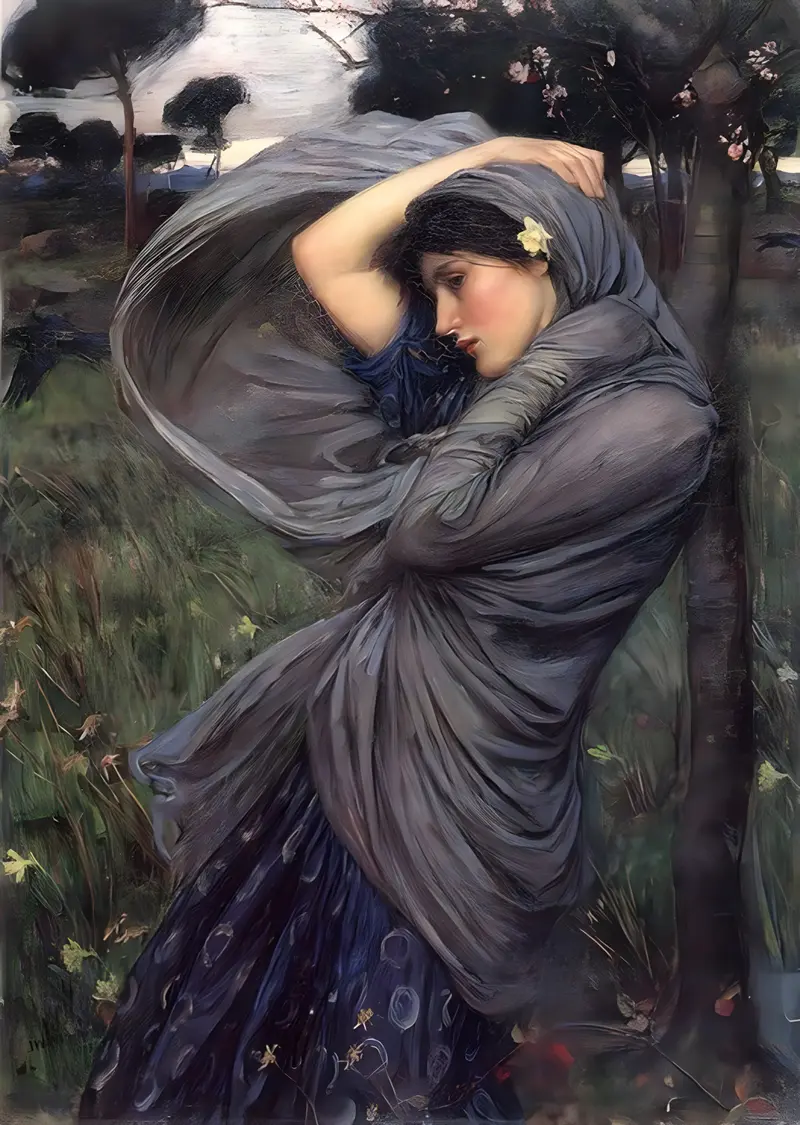
Boreas
John William Waterhouse
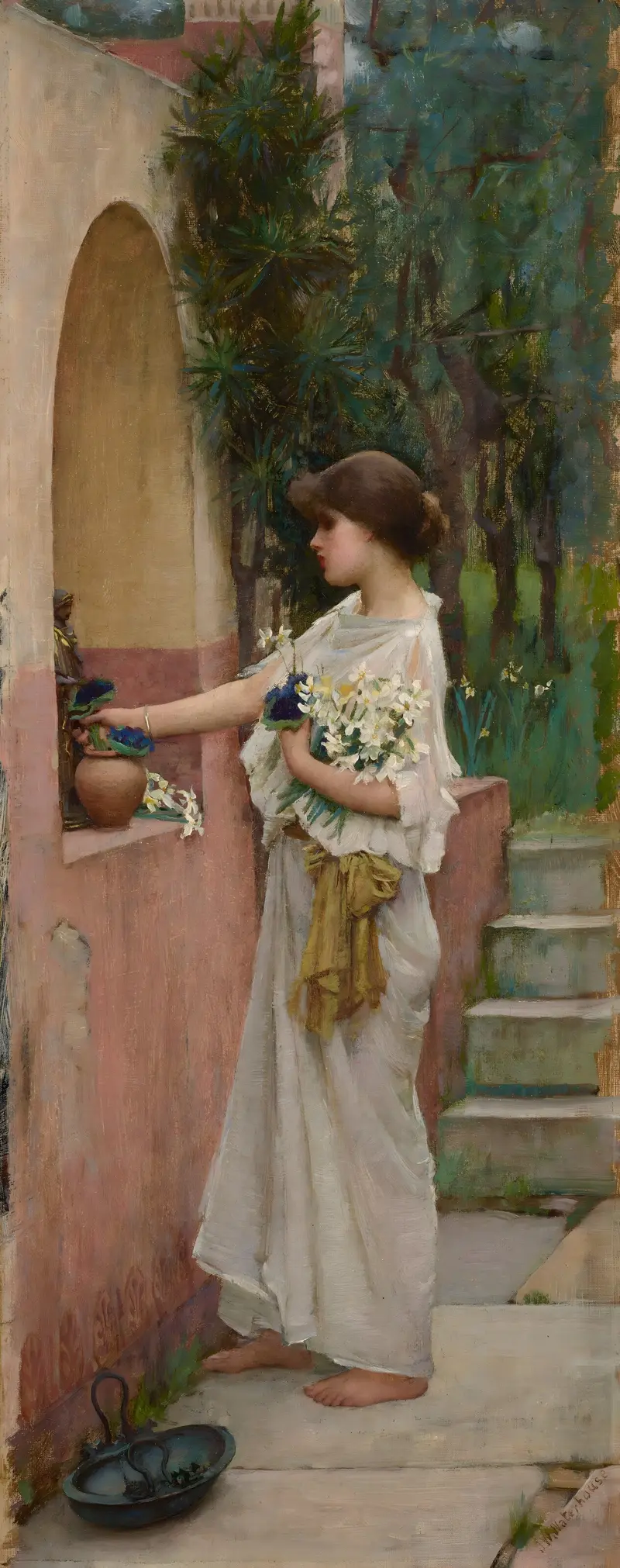
A Roman Offering
John William Waterhouse
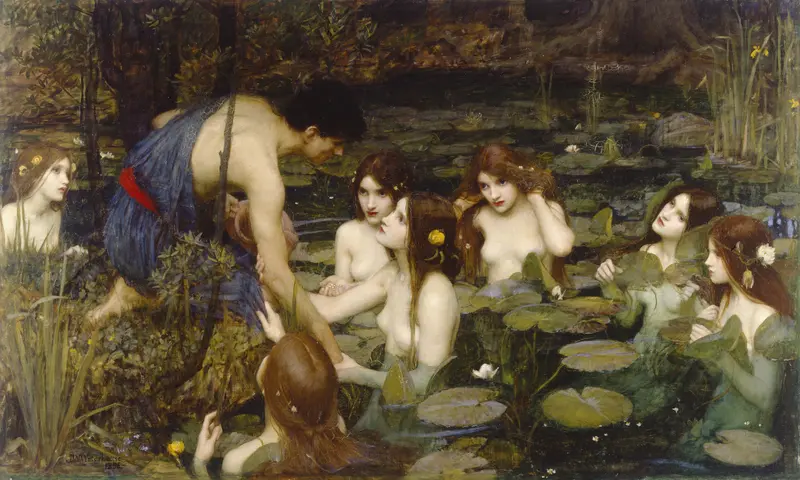
Hylas and the Nymphs
John William Waterhouse
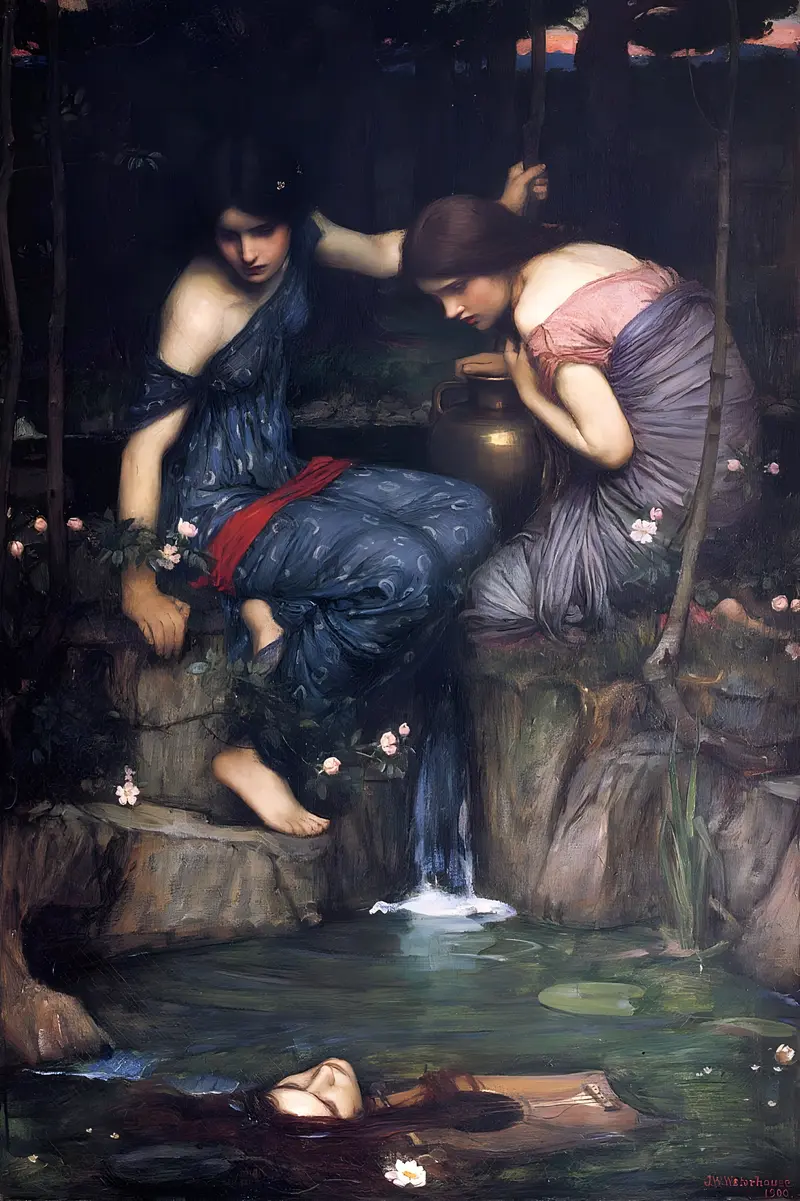
Nymphs Finding the Head of Orpheus
John William Waterhouse
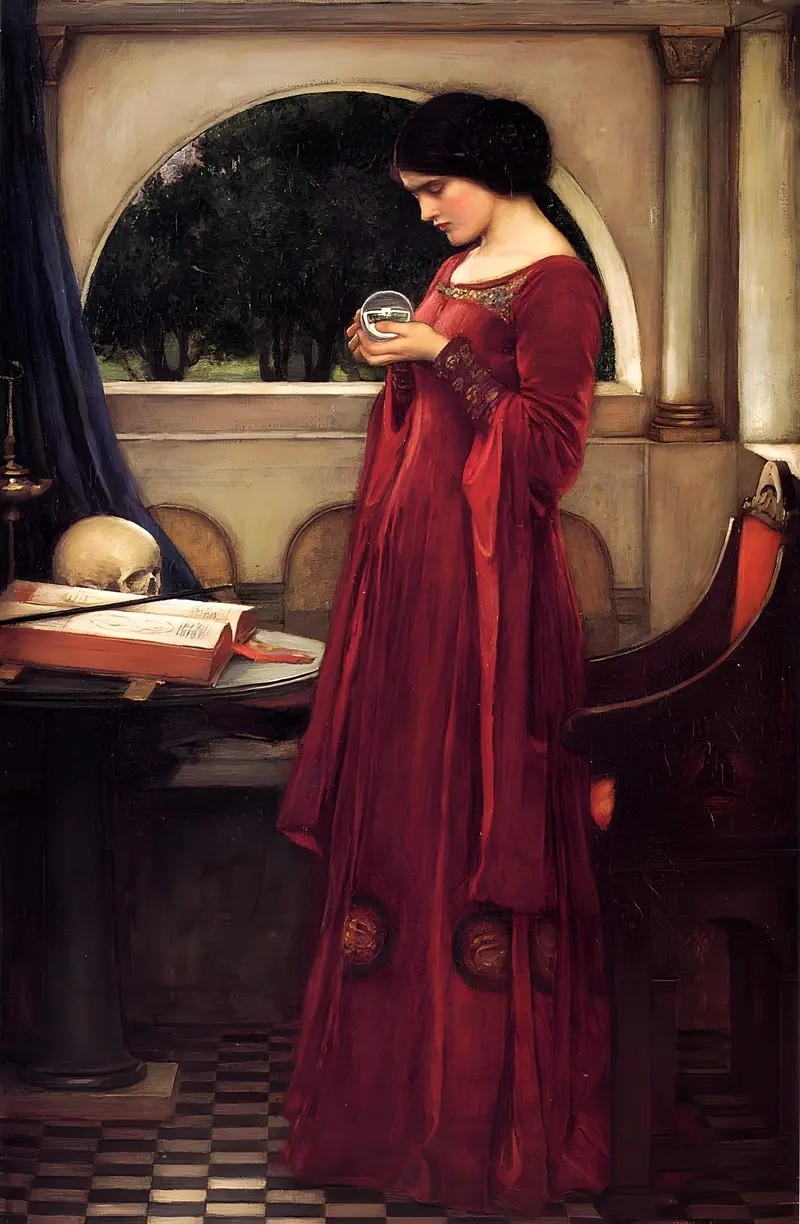
The Crystal Ball
John William Waterhouse
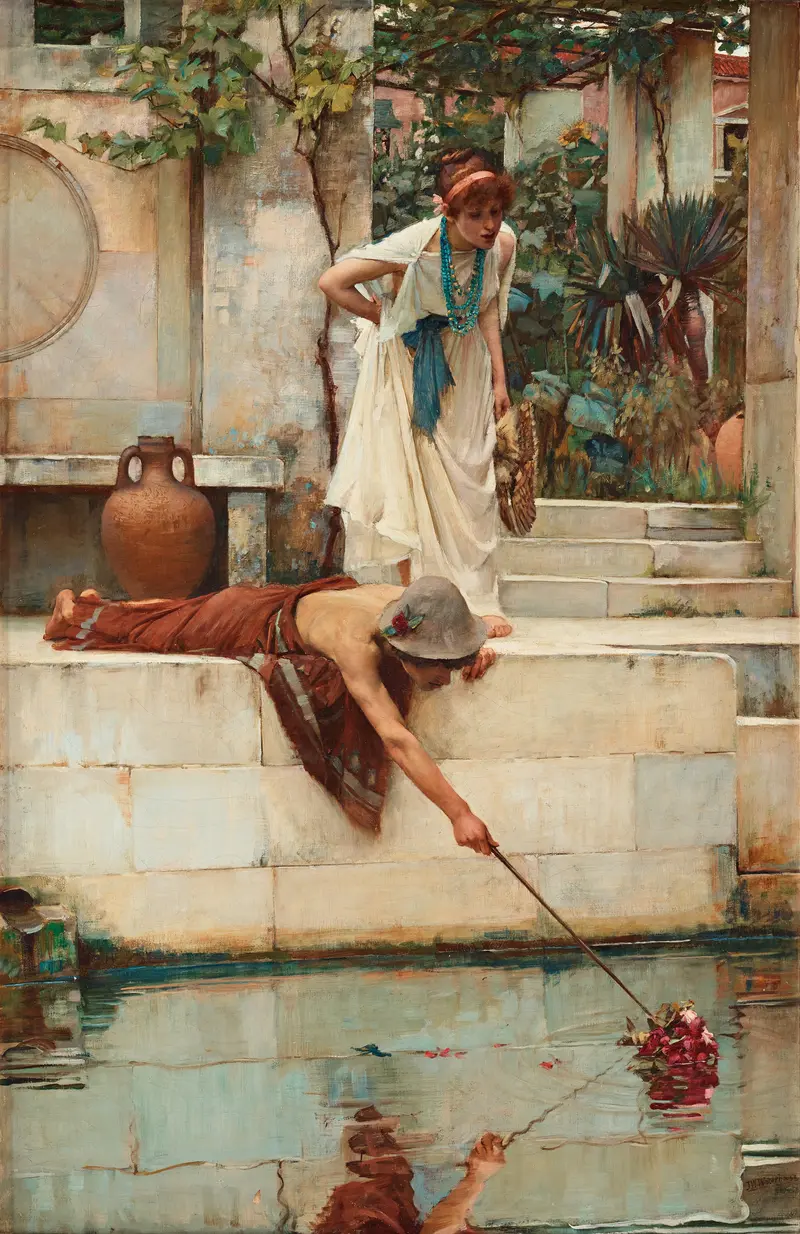
The Rescue
John William Waterhouse
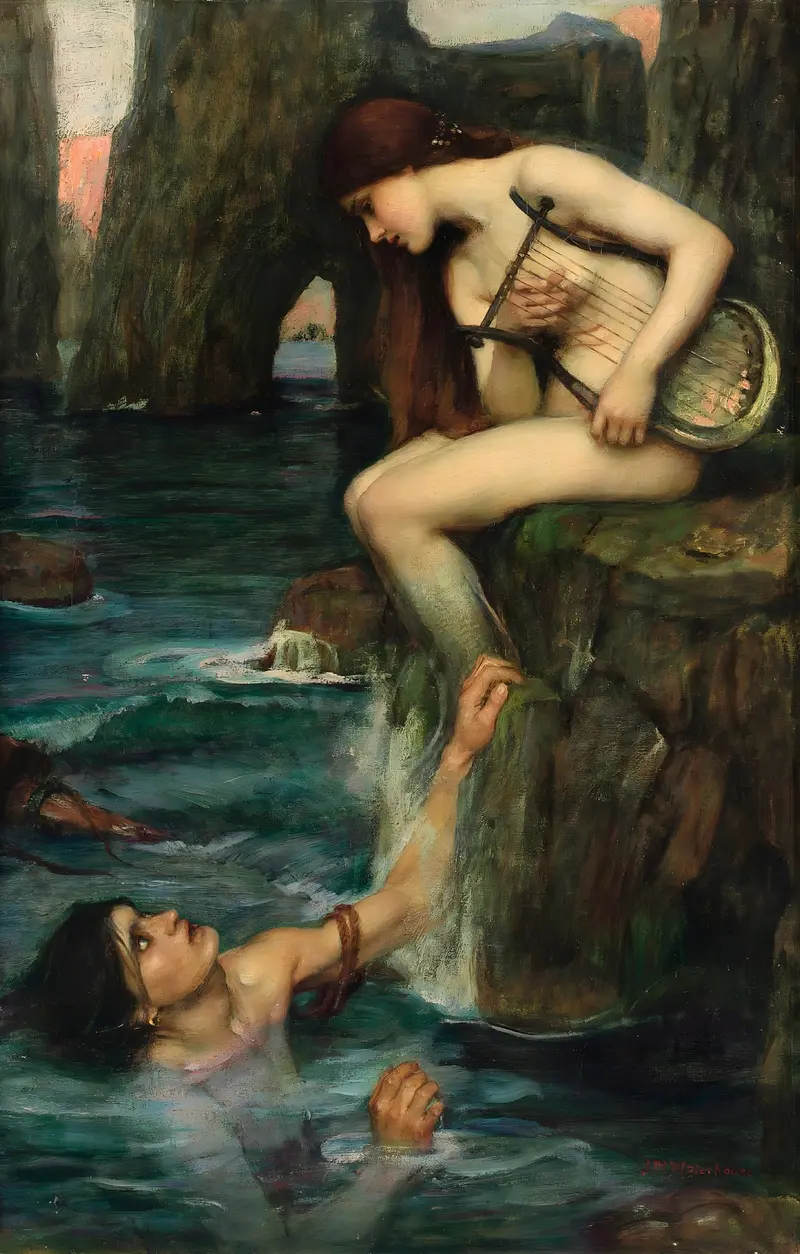
The Siren, 1900
John William Waterhouse





