
The origin of cornucopia — History & Facts
A sweep of strong, sculptural arms and the lush spill of fruit draw the viewer instantly into the drama at the heart of The origin of cornucopia. The figures are not passive muses but active creators, their bodies twisting and leaning into the task at hand. At the center, a woman’s gaze fixes intently on the horn she fills, her hand guiding grapes and greenery into its mouth.
The cornucopia—the legendary horn of plenty—emerges here as the product of effort and collaboration, not mere myth. The palette is rich but grounded, the flesh tones set off by deep reds, blues, and greens, each color heightening the sense of abundance. This is a world where allegory and myth are made tangible. The laurel crowns signal victory or divinity, while the bounty of fruits and vegetables at their feet—artichokes, grapes, gourds—speak of harvest and the promise of nourishment.
The figures’ bodies are monumental, their gestures broad and purposeful, recalling the influence of Italian Renaissance painting but with a distinctly Northern European weight. In the background, two more figures echo the foreground’s activity, their forms less defined but their presence reinforcing the sense of communal ritual. Light falls from the left, modeling muscles and folds of drapery, guiding the eye from the tactile foreground to the soft, dreamlike distance. Painted around 1619, this work by Abraham Janssens belongs to a moment when Flemish artists were looking to Italy for inspiration, blending classical subjects with a new, physical realism.
Such paintings were often commissioned by wealthy patrons eager to display both their learning and their prosperity—here, the cornucopia becomes a symbol of both. While little is recorded about the specific journey of this canvas, it now resides in the Seattle Art Museum, a testament to the enduring fascination with myth and material plenty. The painting invites viewers to linger, tracing the arc from myth to matter, from story to sumptuous surface.
More Artworks by Abraham Janssens

Jupiter Rebuked by Venus
Abraham Janssens
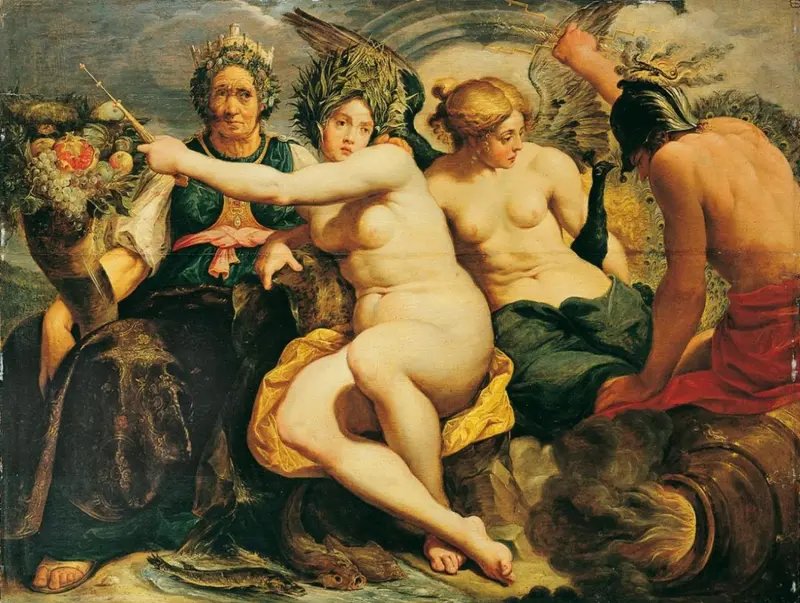
Allegorie der vier Elemente
Abraham Janssens
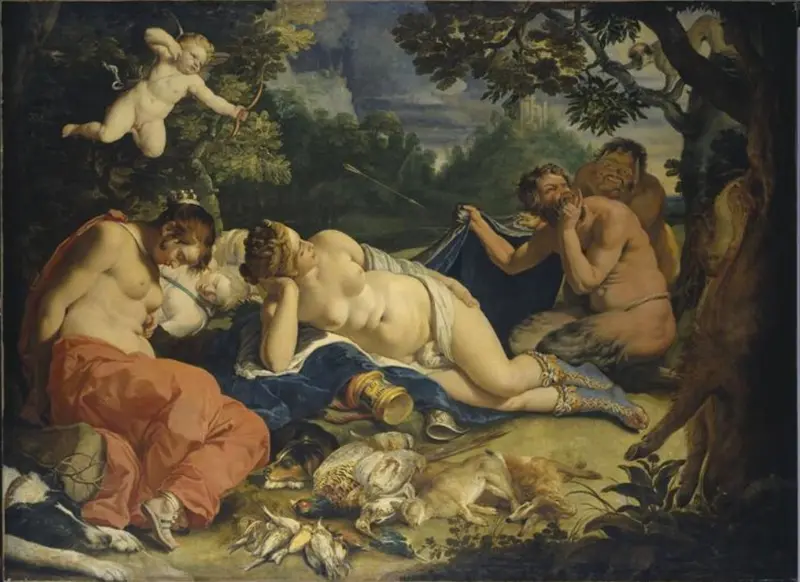
Diana and her nymphs spied on by satyrs
Abraham Janssens

Die Erweckung des Lazarus 153 Bavarian State Painting Collections
Abraham Janssens
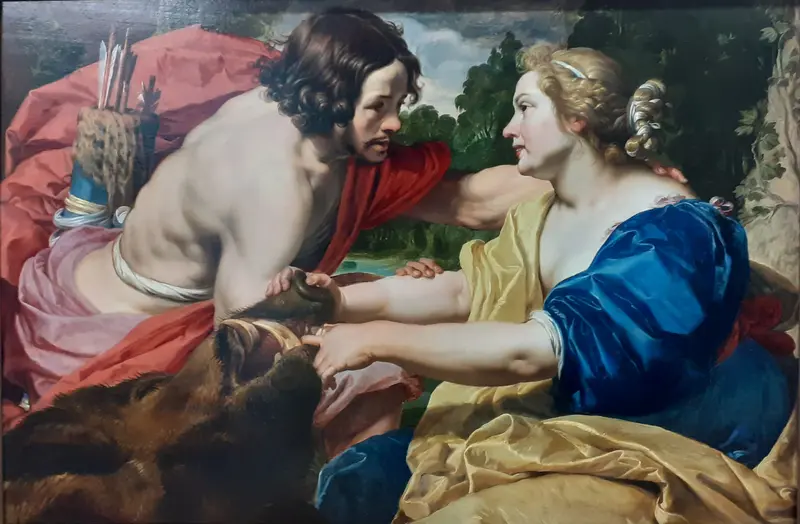
Meleager presents the head of the Calydonian Boar to Atalanta
Abraham Janssens
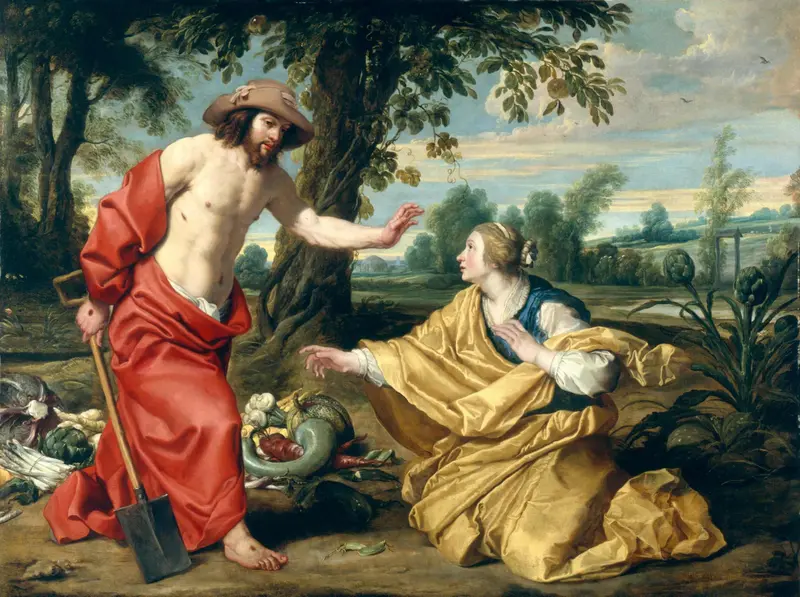
Noli me Tangere
Abraham Janssens
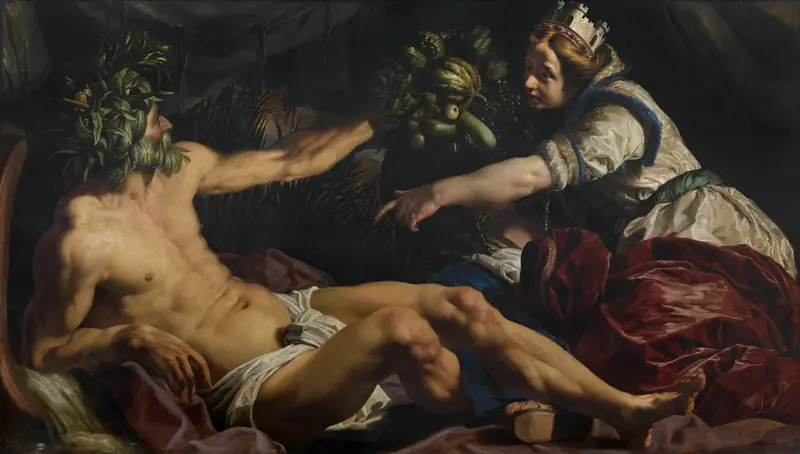
Scaldis and Antverpia
Abraham Janssens
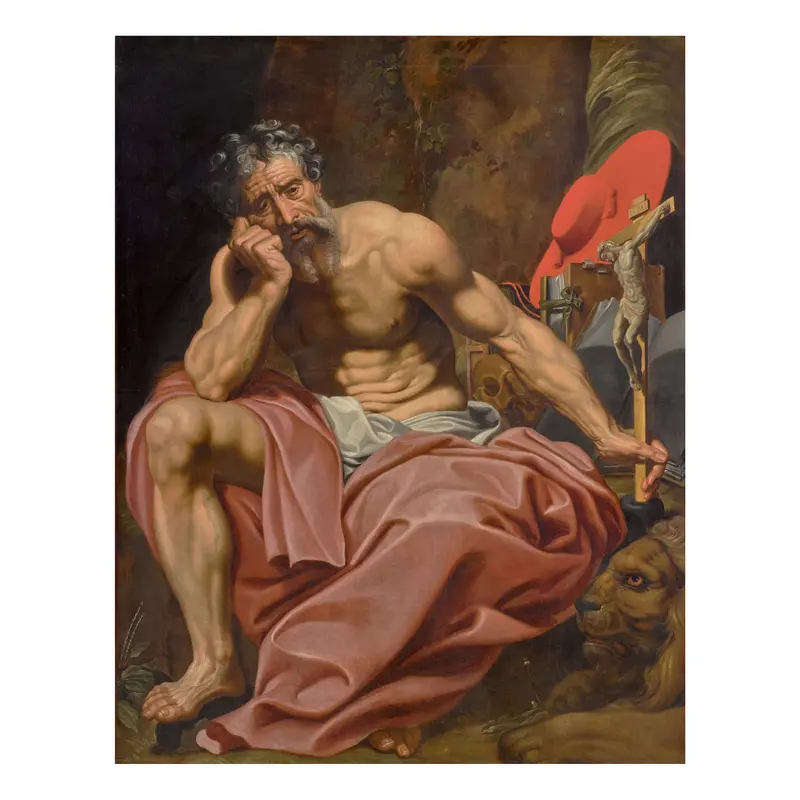
Saint Jerome
Abraham Janssens
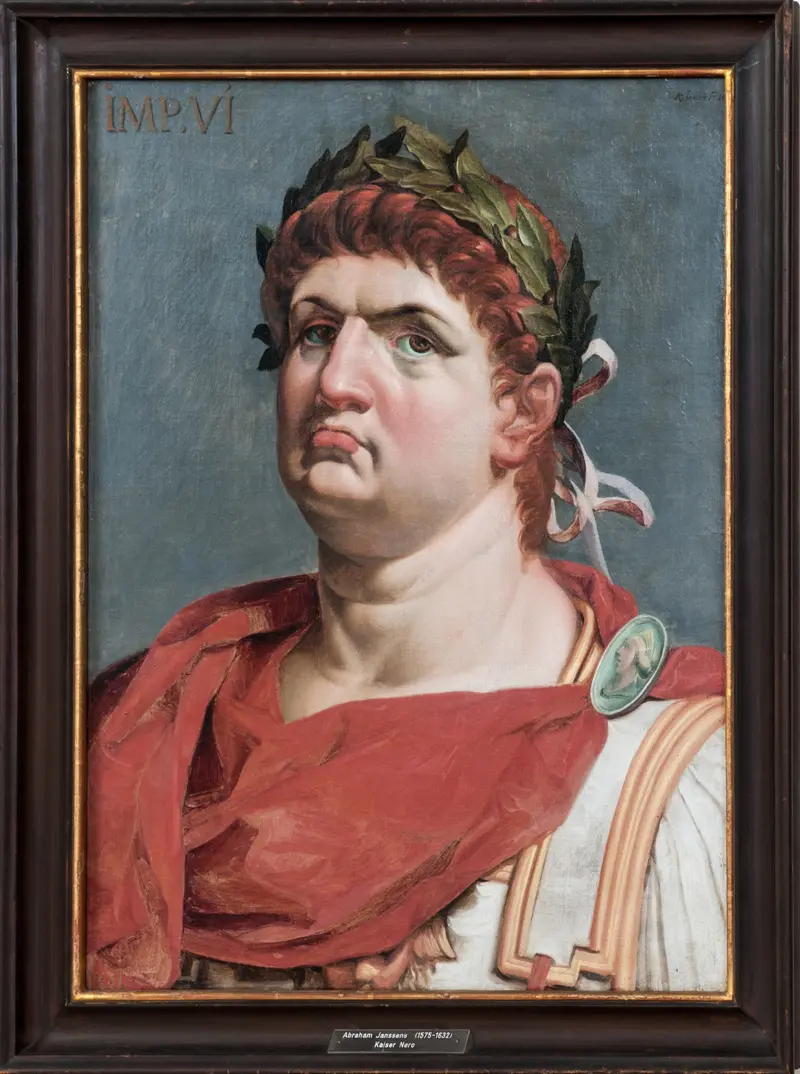
Nero
Abraham Janssens
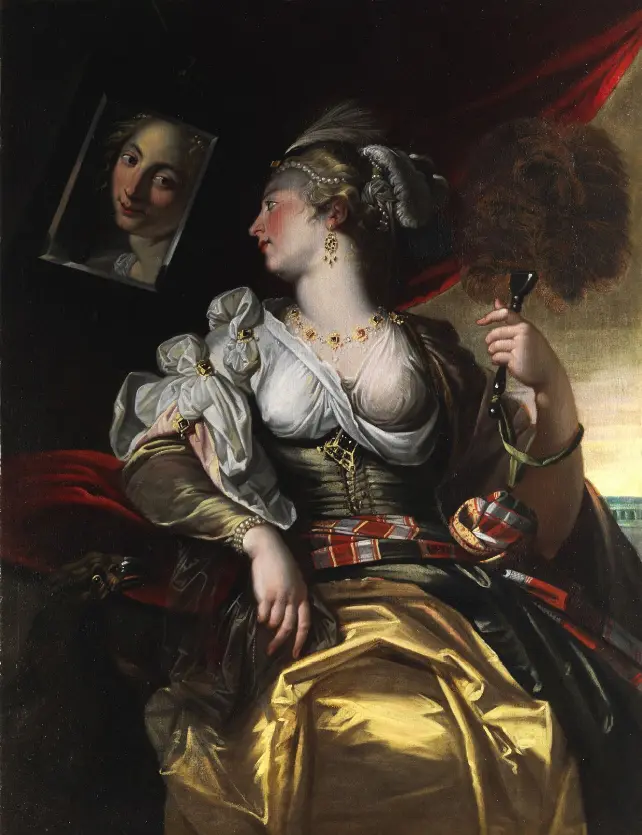
The Face
Abraham Janssens





