
The Plaster Kiln — History & Facts
When Théodore Géricault exhibited The Plaster Kiln in 1821, it marked a rare foray into industrial subject matter for an artist best known for the drama of The Raft of the Medusa. While Parisian critics puzzled over this unexpected turn, some contemporaries saw it as a bold statement on modern labor. The painting stands almost alone in Géricault’s oeuvre as a meditation on the anonymous toil of workers, a subject more often associated with later Realists like Courbet.
Its exact medium remains uncertain, adding a layer of mystery to its material presence. At the heart of The Plaster Kiln is a scene of men laboring under the weight of their task, caught in the furnace’s glow as they tend to heaps of raw gypsum. Géricault chooses the moment when the kiln’s mouth blazes open, illuminating sweat-streaked faces and muscular arms in mid-motion. The composition is dominated by the kiln itself, a hulking, almost sculptural form, while tools and sacks scattered on the ground speak to the physicality of the work.
The dramatic contrasts of light and shadow recall the tenebrism of Caravaggio, but here, fire replaces candlelight, and the drama is not spiritual but industrial. In choosing this moment, Géricault elevates the ordinary, forcing viewers to confront the energy and danger of modern industry. The later history of The Plaster Kiln is less well documented than that of Géricault’s larger canvases. It is not known whether the work was painted on commission or created on the artist’s own initiative, and its early provenance remains obscure.
What is clear is that the painting reflects a restless curiosity in Géricault’s career, bridging the gap between his grand historical subjects and the emerging interest in contemporary life. Today, The Plaster Kiln is recognized as a significant precursor to the Realist movement, and its presence in museum collections offers a rare glimpse of Géricault’s engagement with the world of work and industry.
More Artworks by Théodore Géricault
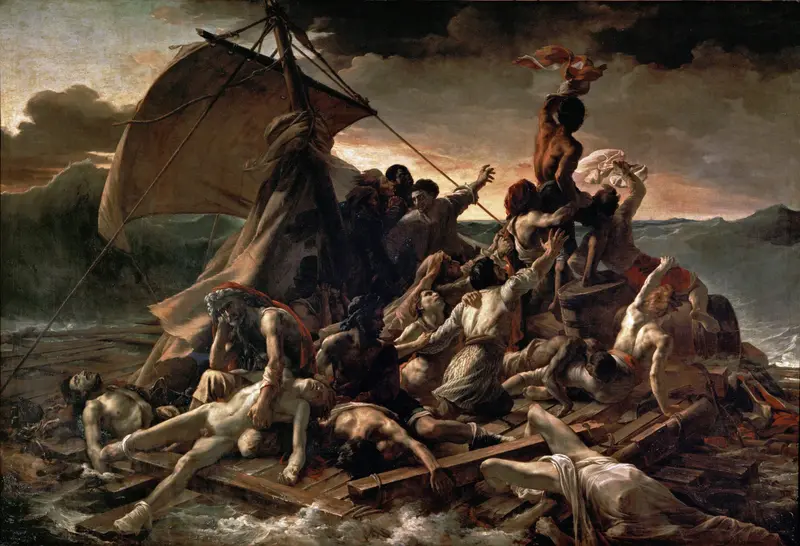
The Raft of the Medusa
Théodore Géricault

Géricault - Le naufrage du radeau de la Méduse, MBA 790
Théodore Géricault
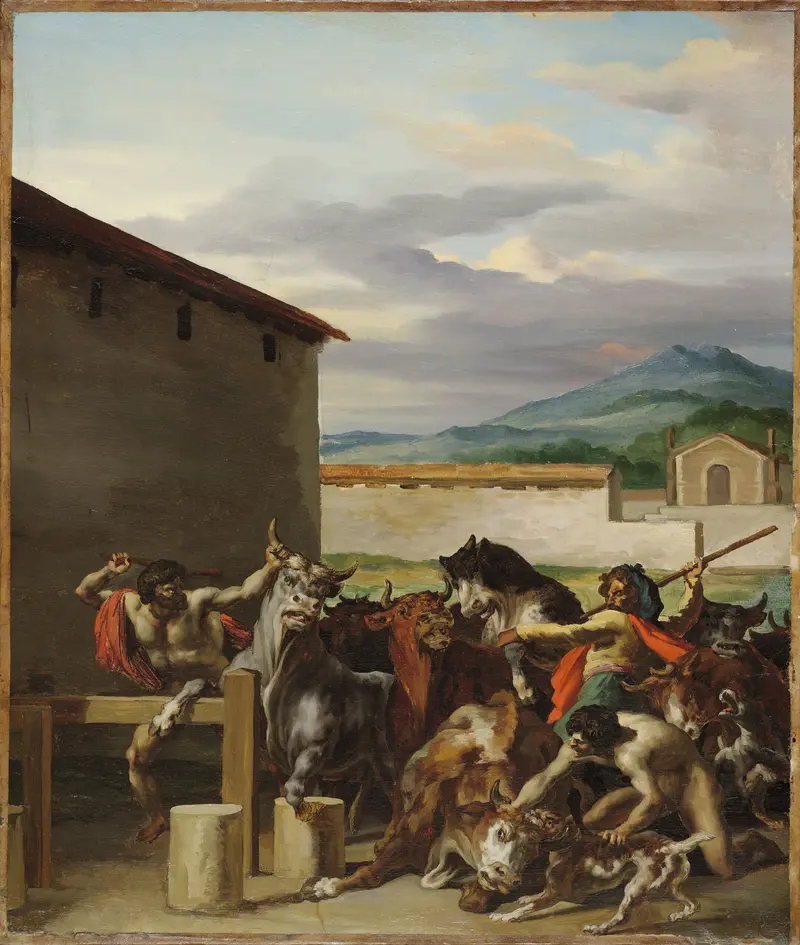
Cattle Market
Théodore Géricault
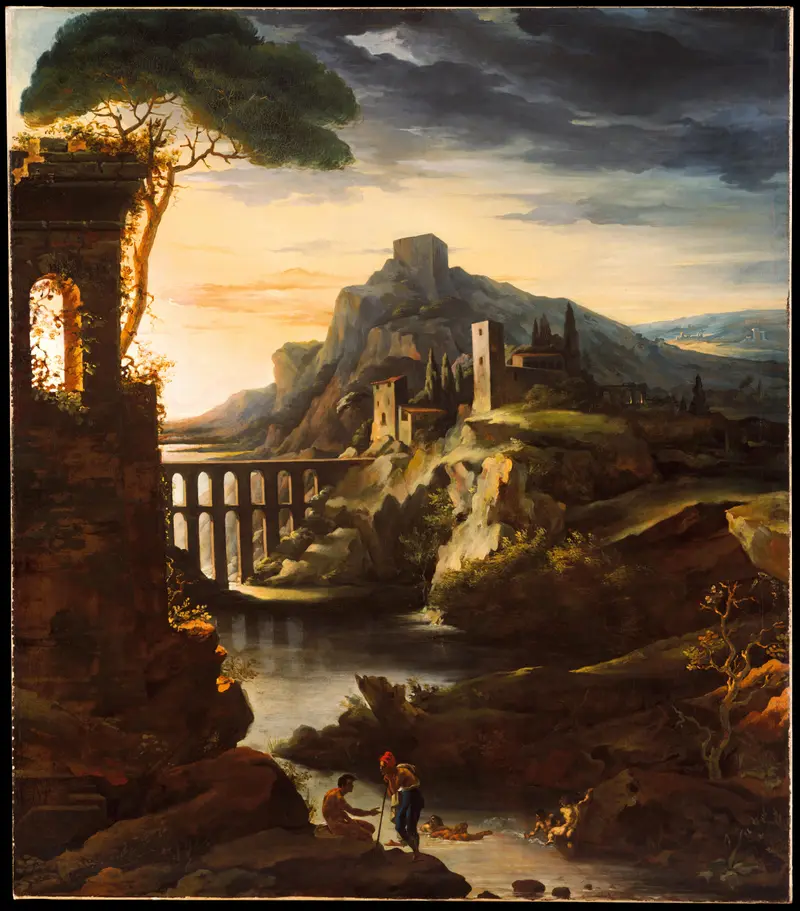
Evening; Landscape with an Aqueduct
Théodore Géricault
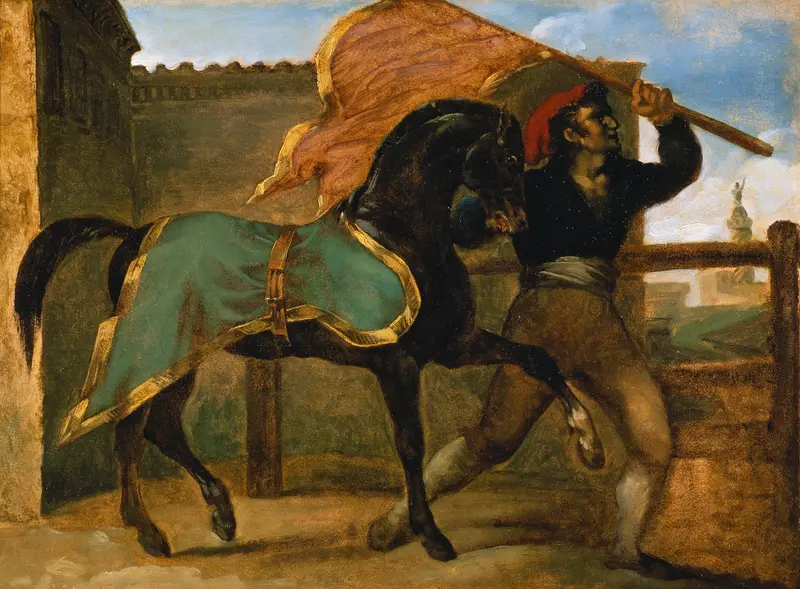
Horse Race
Théodore Géricault

Horses Standing in a Mews
Théodore Géricault
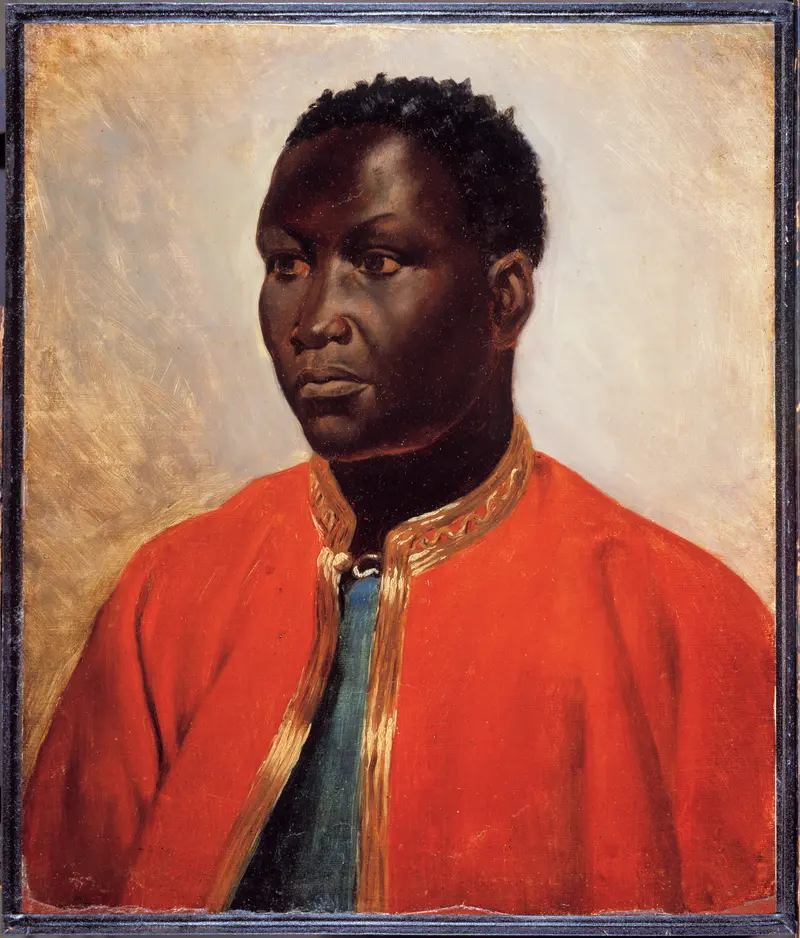
Portrait of a Negro
Théodore Géricault
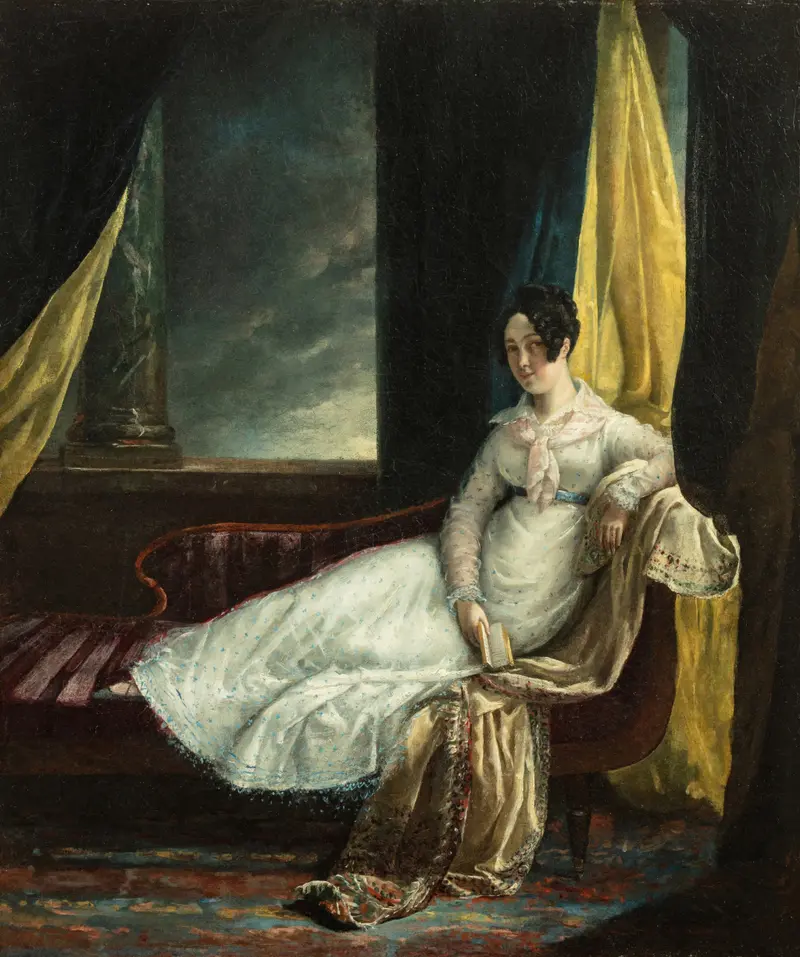
Portrait of Zoë Elmore
Théodore Géricault
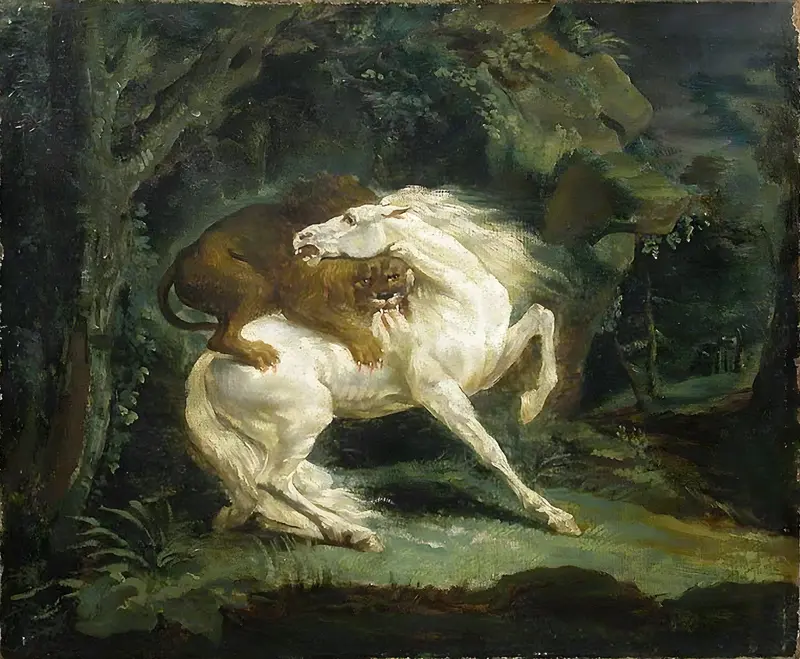
Cheval attaqué par un lion
Théodore Géricault
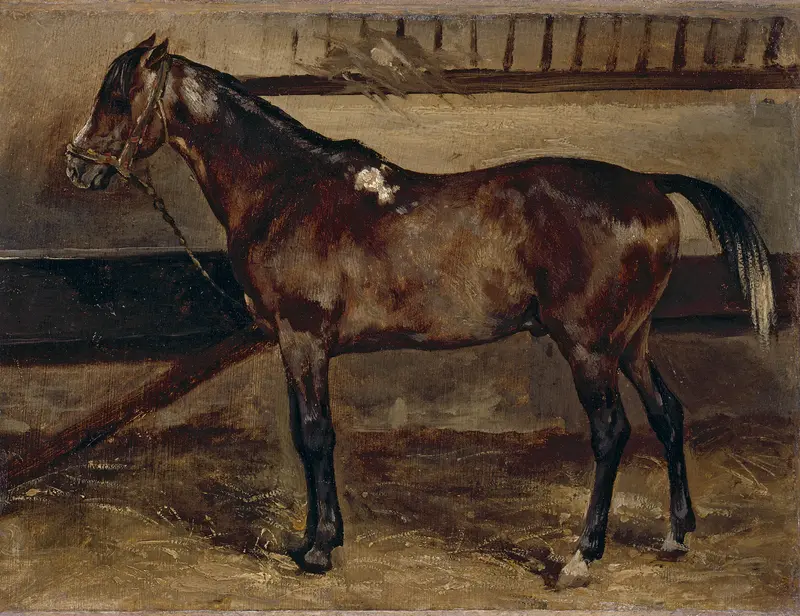
Cheval brun à l'écurie
Théodore Géricault
More Genre Scene Art

Banquet of the Officers of the St George Civic Guard
Frans Hals

Rembrandt and Saskia in the Scene of the Prodigal Son
Rembrandt van Rijn

Bal du moulin de la Galette
Pierre-Auguste Renoir

Quadrille at the Moulin Rouge
Henri de Toulouse-Lautrec

A Burial at Ornans
Gustave Courbet

When Will You Marry?
Paul Gauguin