
The rape of Europa — History & Facts
A swirl of myth and movement pulls the viewer into the heart of The rape of Europa, painted by Abraham Govaerts in 1621. The drama unfolds not in thunderous violence, but in a scene of surprising delicacy: Europa, draped in luminous fabrics, is poised upon the back of a bull whose gaze is fixed and unyielding. The artist orchestrates the composition so that the eye is drawn first to the gentle tension in Europa’s grasp, her fingers entwined in the bull’s garlanded horns, then outward to the companions and landscape that frame the abduction.
Light pools around her pale figure, separating her from the darker tones of the surrounding figures and the lush, wooded backdrop, heightening the sense of a moment suspended between innocence and fate. The palette, rich in earthy greens and warm flesh tones, suggests both the beauty and the danger of this mythic crossing. Painted in the early seventeenth century, this work belongs to a world eager for stories that mingled gods and mortals, painted for collectors who delighted in the retelling of ancient myths. In the Low Countries, where Govaerts worked, such scenes were prized for their combination of landscape and narrative, and often adorned the homes of prosperous merchants and humanists.
The year 1621 places this painting at the height of the Flemish Baroque, when artists were experimenting with theatrical compositions and luminous color. Though history has kept few traces of this particular canvas beyond its current collection, it stands as a testament to the era’s fascination with transformation and desire—inviting us to linger over the details, and to imagine what comes next for Europa as she vanishes into legend.
More Artworks by Abraham Govaerts

Forest landscape
Abraham Govaerts
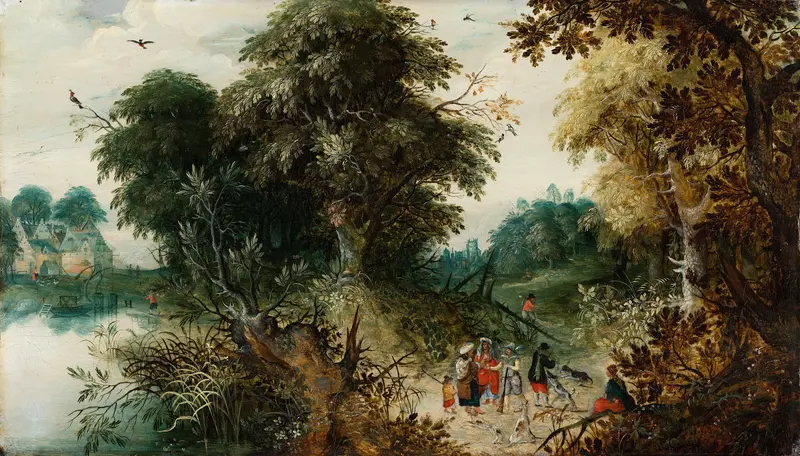
Forest View with Travellers
Abraham Govaerts
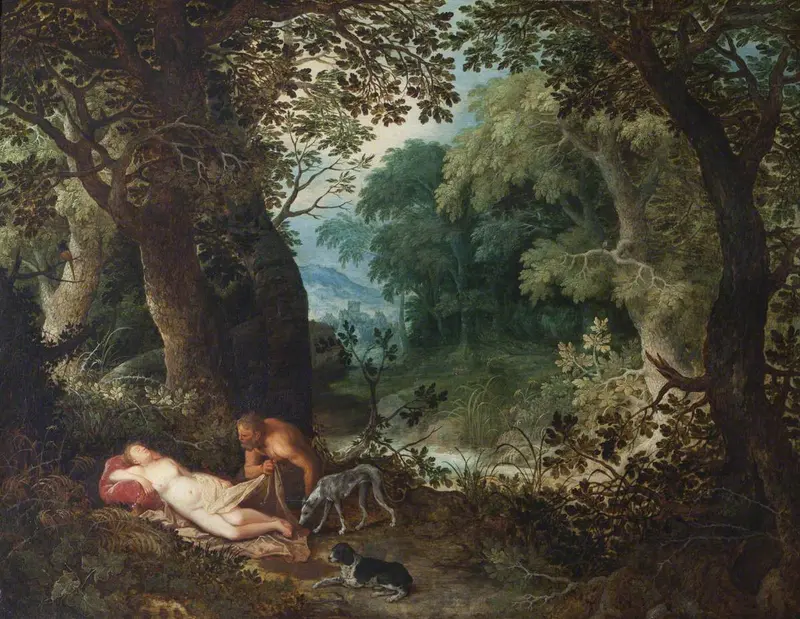
A Nymph and a Satyr
Abraham Govaerts
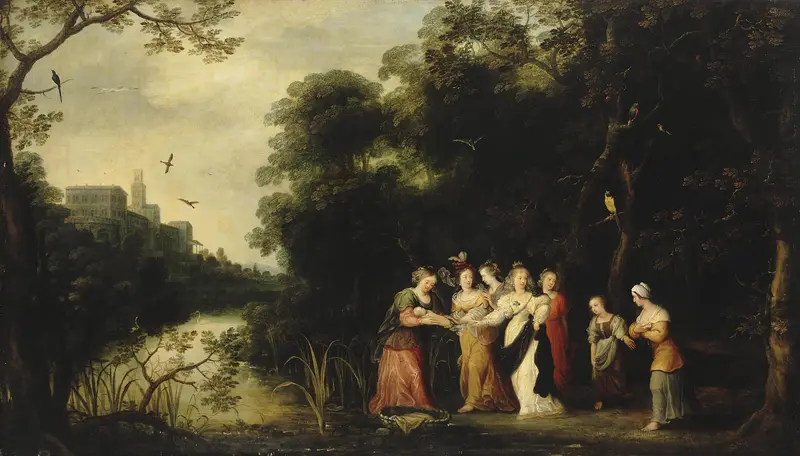
Finding of Moses
Abraham Govaerts
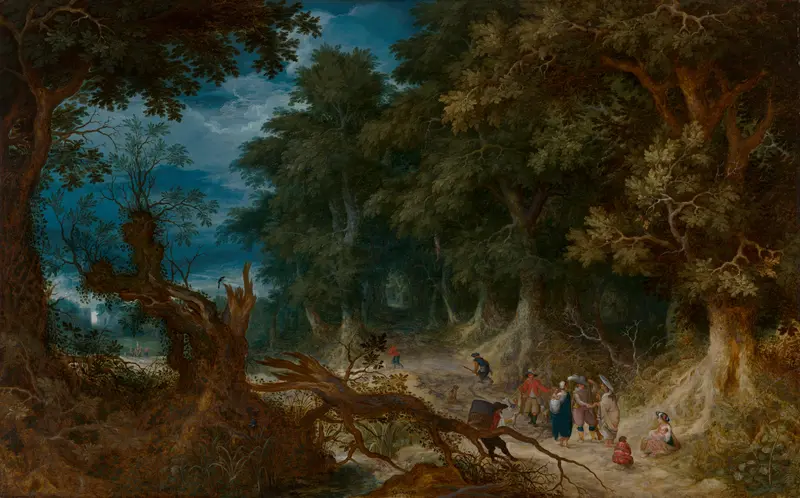
Wooded Landscape with Gipsy Women
Abraham Govaerts
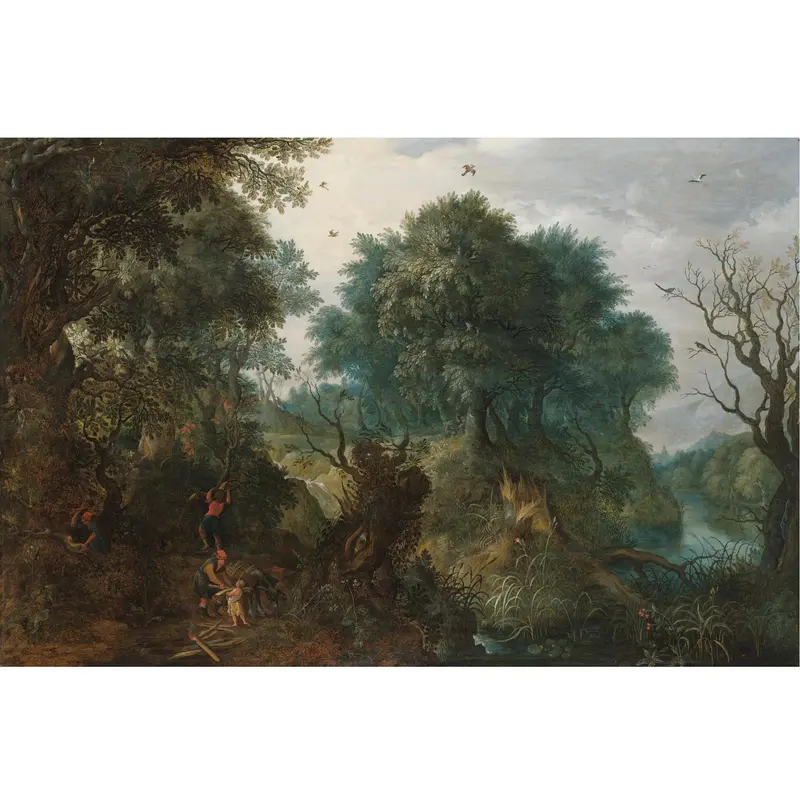
A Wooded Landscape with Woodcutters near a River
Abraham Govaerts
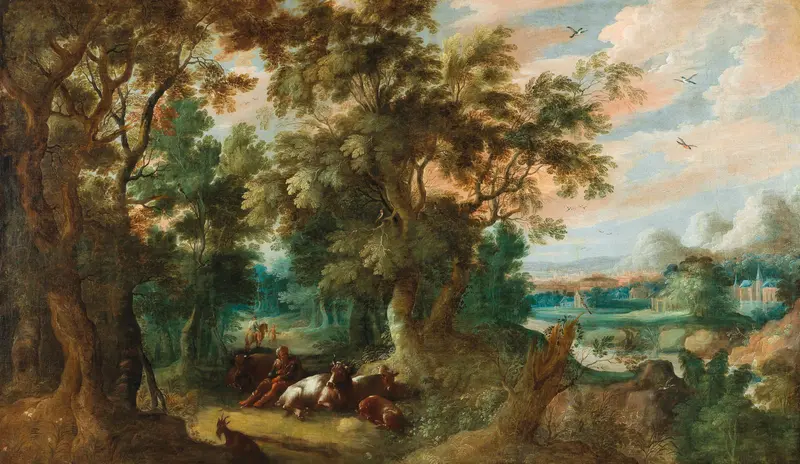
Wooded landscape with shepherds and their flock
Abraham Govaerts
Dorf unter Bäumen
Abraham Govaerts
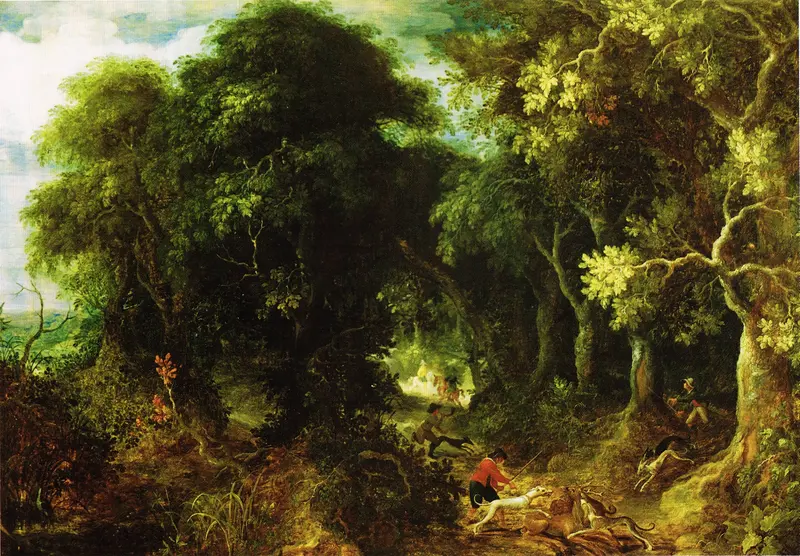
The Eternal Forest / Deer hunting
Abraham Govaerts
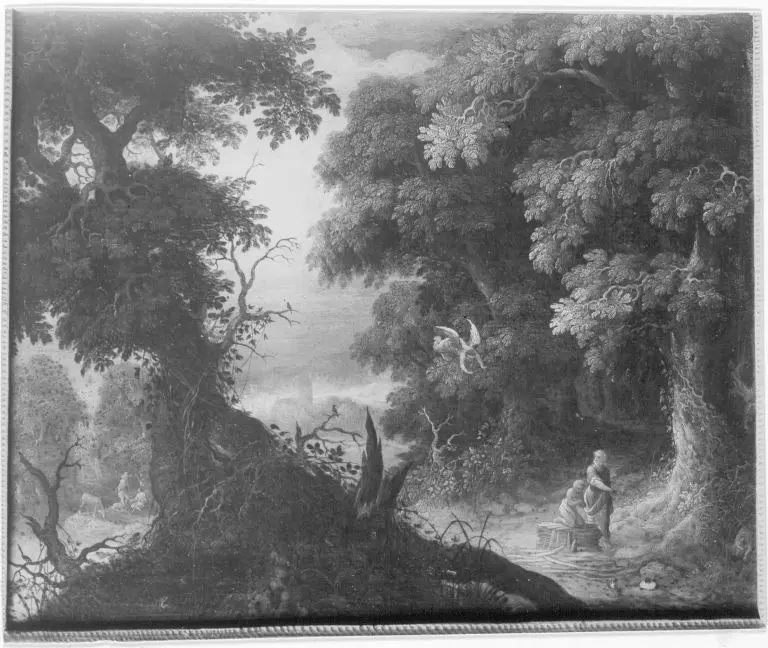
Wooded landscape with the sacrifice of Isaac (Genesis 22)
Abraham Govaerts





