
The Reaper — History & Facts
When The Reaper appeared at the Salon of 1754, it marked one of the earliest public glimpses of the young Jean-Honoré Fragonard—a painter who would soon become synonymous with the sparkling pleasures of the Rococo movement. Unlike the playful boudoir scenes that would later define his career, this work surprised critics by focusing on rural labor, a subject rarely chosen by Parisian artists of the time. The painting’s exact medium remains uncertain, adding to its air of mystery, but its presence at the Salon was enough to catch the attention of the influential Académie Royale.
This early recognition set Fragonard on the path to the Prix de Rome, a prize that would shape his artistic development. The scene unfolds at the height of the harvest: a lone reaper, caught mid-motion, pauses with his sickle raised, sweat glistening on his brow. Fragonard chooses a moment of stillness within labor, the figure’s gaze cast downward, suggesting both exhaustion and a quiet pride. The golden light rakes across the field, illuminating the rough texture of the wheat and the simple, sturdy garments of the worker.
Unlike Jean-Baptiste Greuze, whose peasants are often sentimentalized, Fragonard’s reaper stands with a dignity that edges toward the heroic. The sickle, worn but sharp, becomes a symbol of both toil and survival, while the distant horizon hints at the endless cycle of rural life. The provenance of The Reaper is less well documented than some of Fragonard’s later works, and scholars continue to debate whether it was painted as an independent piece or as part of a now-lost series on the seasons. After its Salon debut, the painting passed quietly through private collections, surfacing in inventories but rarely exhibited.
Its attribution to Fragonard was briefly questioned in the nineteenth century, but technical analysis and stylistic comparisons have since confirmed his authorship. Today, The Reaper stands as a rare testament to Fragonard’s early ambition and range, offering a glimpse of the seriousness that underpinned even the most playful corners of the Rococo.
More Artworks by Jean-Honoré Fragonard

The Swing
Jean-Honoré Fragonard

The Swing
Jean-Honoré Fragonard

A Young Girl Reading
Jean-Honoré Fragonard

The Lock
Jean-Honoré Fragonard

The Triumph of Venus
Jean-Honoré Fragonard

A Game of Hot Cockles
Jean-Honoré Fragonard
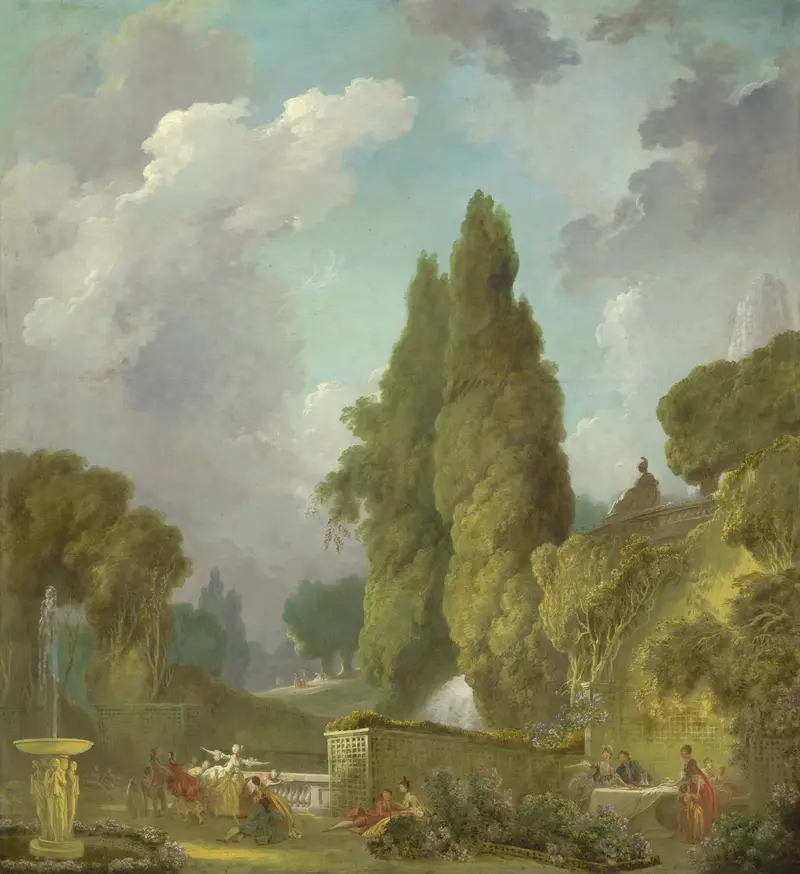
Blindman’s Buff
Jean-Honoré Fragonard
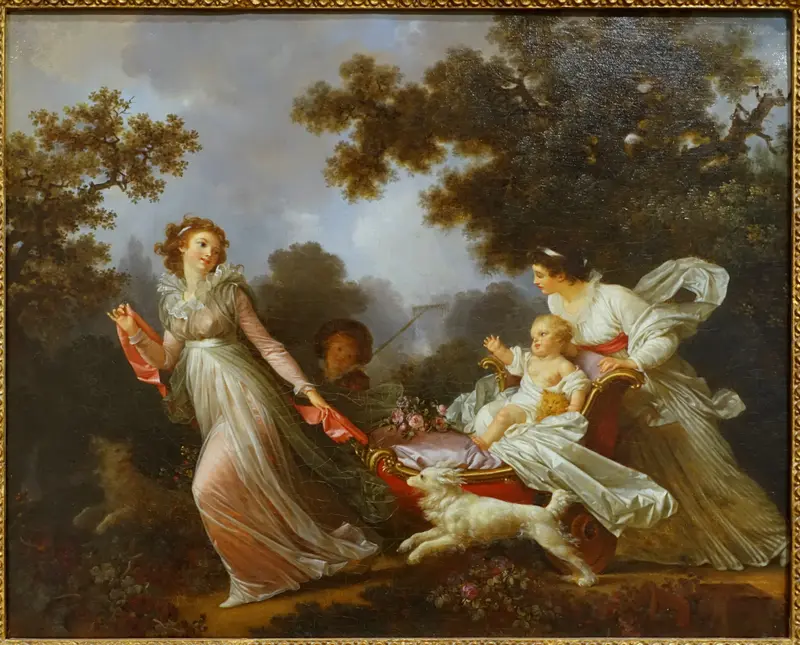
The Beloved Child
Jean-Honoré Fragonard
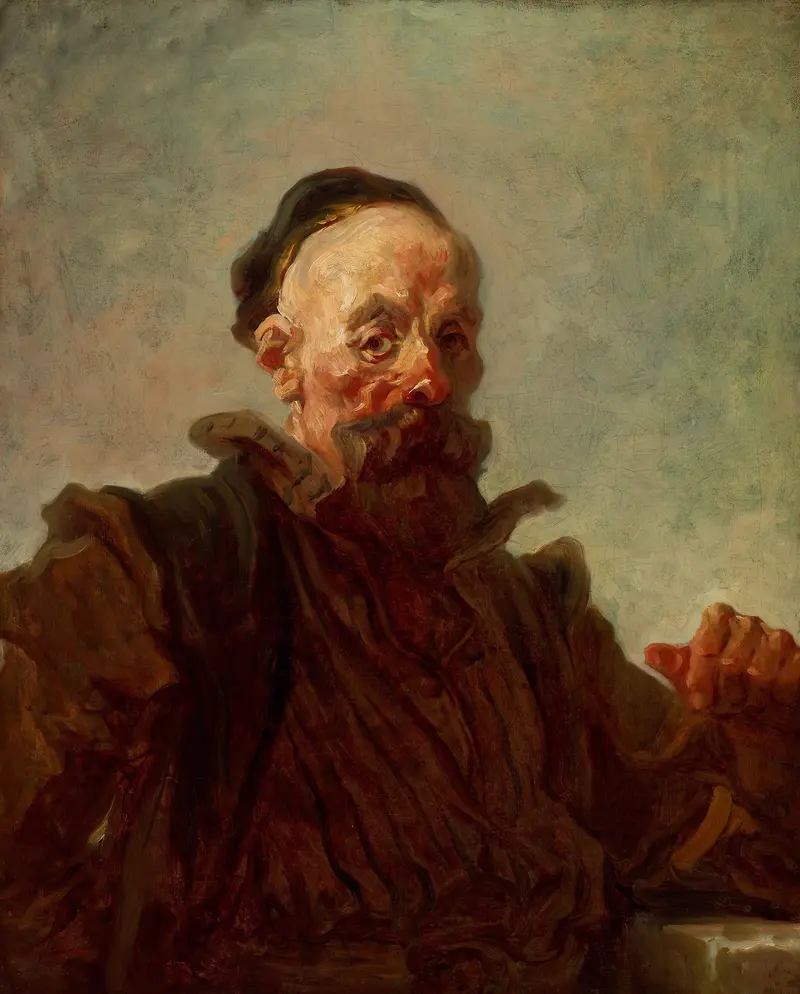
Portrait of a Man in Costume
Jean-Honoré Fragonard
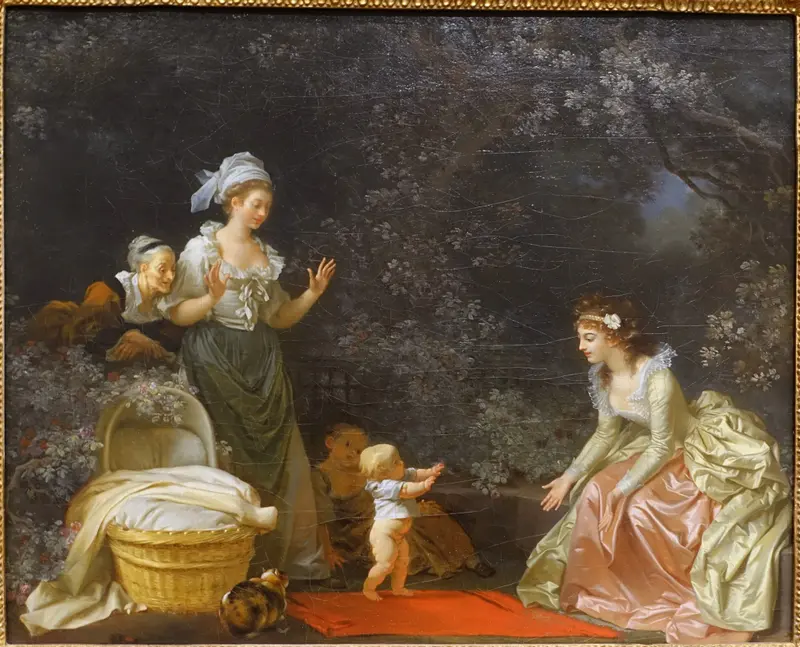
The First Steps
Jean-Honoré Fragonard
More Genre Scene Art

Banquet of the Officers of the St George Civic Guard
Frans Hals

Rembrandt and Saskia in the Scene of the Prodigal Son
Rembrandt van Rijn

Bal du moulin de la Galette
Pierre-Auguste Renoir

Quadrille at the Moulin Rouge
Henri de Toulouse-Lautrec

A Burial at Ornans
Gustave Courbet

When Will You Marry?
Paul Gauguin