
The Sacrifice of Iphigenia — History & Facts
In The Sacrifice of Iphigenia, Giovanni Battista Tiepolo presents a vibrant scene filled with dynamic figures. The colors are rich and varied, with deep reds, golds, and blues dominating the canvas. Iphigenia stands at the center, surrounded by a crowd of characters, each displaying a range of emotions from despair to determination.
The setting is dramatic, emphasizing the gravity of the moment as she faces her fate. The painting is executed in oil on canvas, a common medium for Tiepolo, allowing for a luminous quality in the colors. The composition is carefully arranged, with figures positioned to guide the viewer's eye towards Iphigenia. Tiepolo's use of light and shadow enhances the three-dimensionality of the figures, creating a sense of depth.
The brushwork is fluid, characteristic of the Rococo style, which emphasizes movement and grace. Giovanni Battista Tiepolo was a leading figure of the Rococo movement, known for his grand and theatrical compositions. This work, painted in the 1750s, reflects his mastery of color and light, as well as his ability to convey complex narratives. An interesting fact about this painting is that it draws from Greek mythology, specifically the story of Iphigenia, who was sacrificed to appease the goddess Artemis.
Tiepolo's interpretation captures the emotional intensity of this mythological tale.
More Artworks by Giovanni Battista Tiepolo
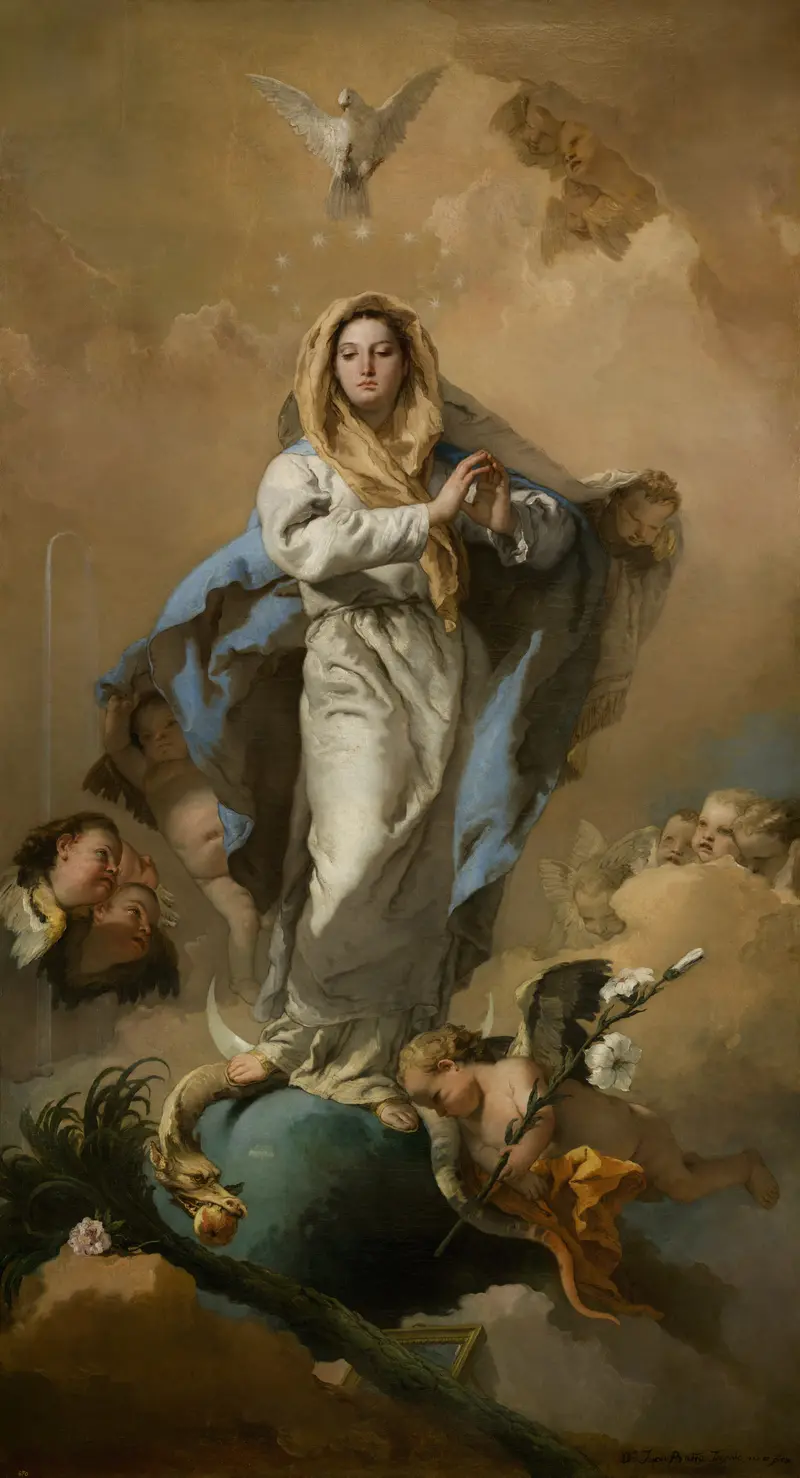
The Immaculate Conception
Giovanni Battista Tiepolo
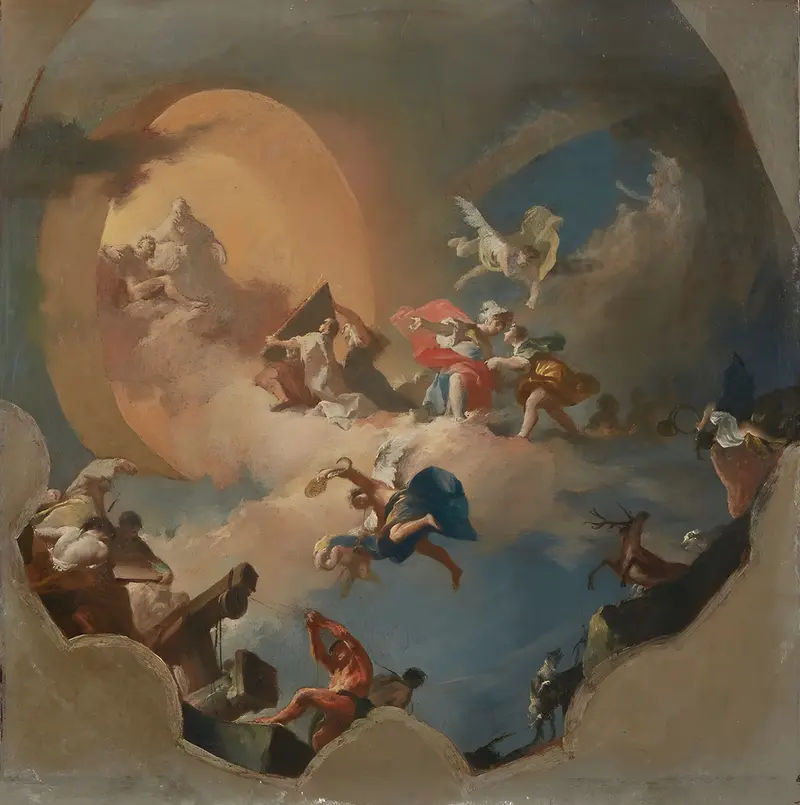
The Apotheosis of the Arts
Giovanni Battista Tiepolo
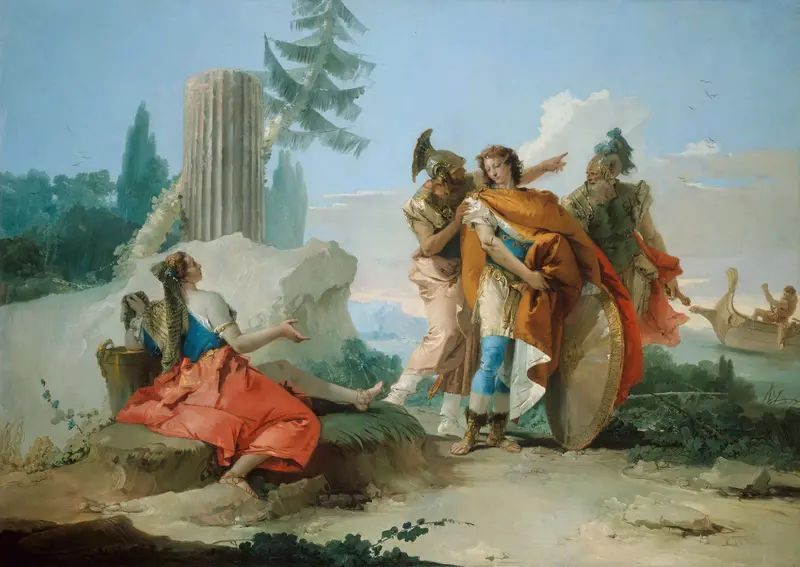
Armida Abandoned by Rinaldo
Giovanni Battista Tiepolo
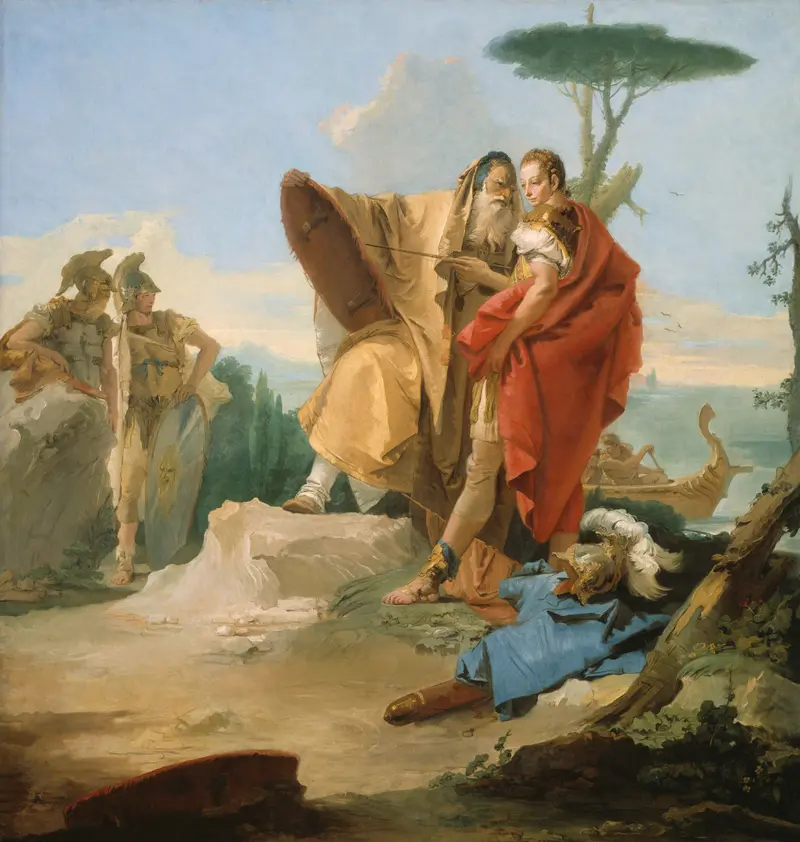
Rinaldo and the Magus of Ascalon
Giovanni Battista Tiepolo
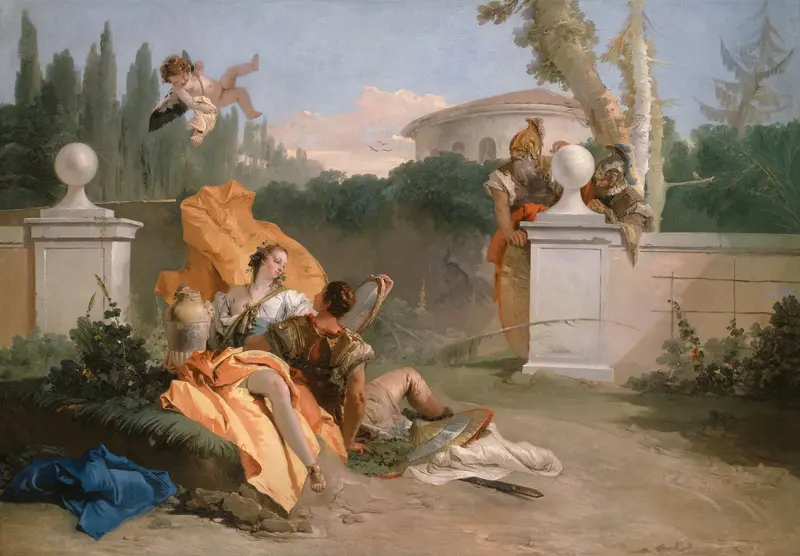
Rinaldo and Armida in Her Garden
Giovanni Battista Tiepolo
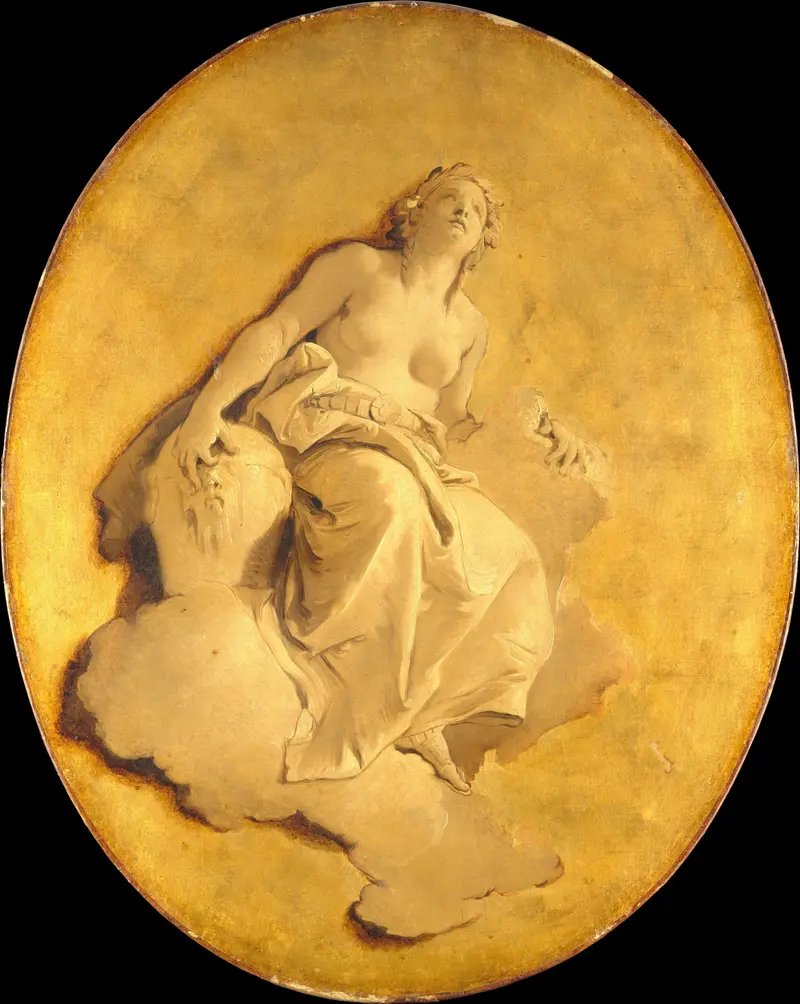
A Female Allegorical Figure
Giovanni Battista Tiepolo
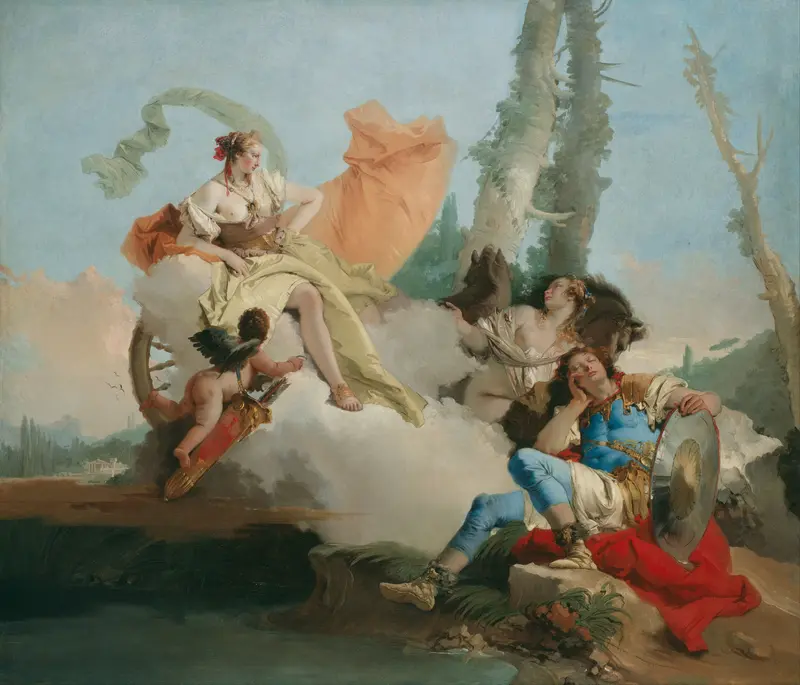
Armida Encounters the Sleeping Rinaldo
Giovanni Battista Tiepolo
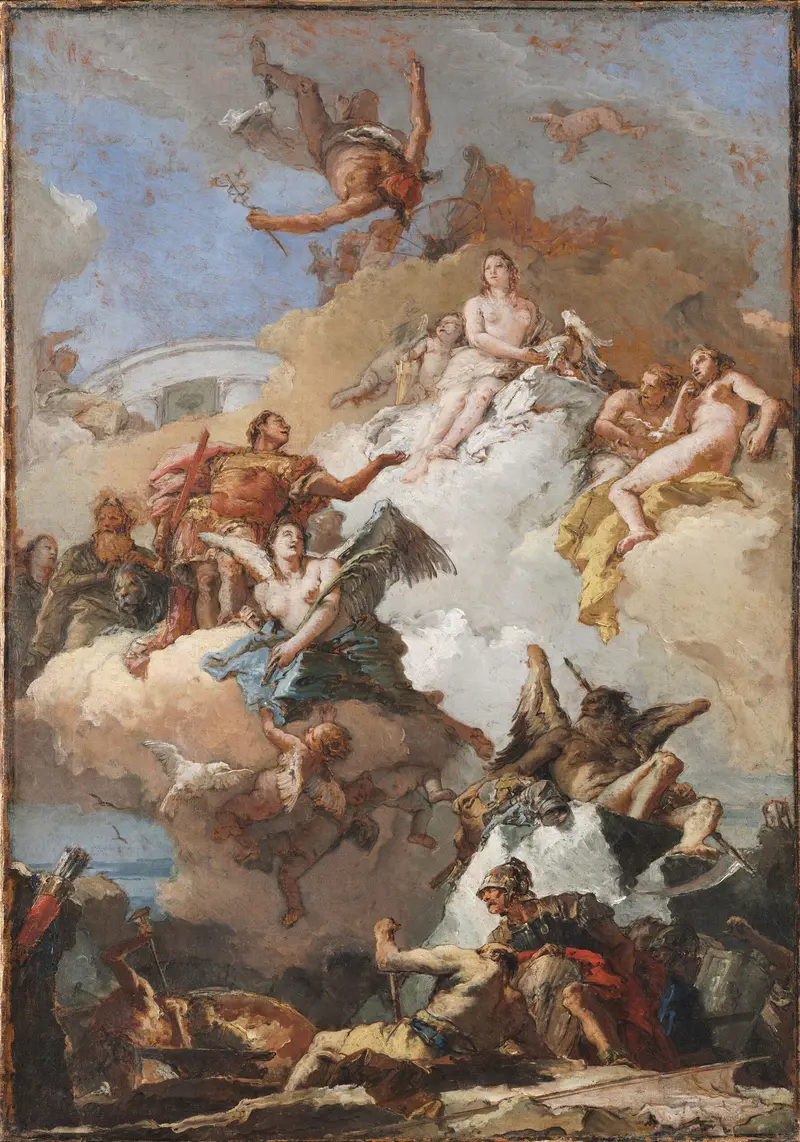
The Apotheosis of Aeneas
Giovanni Battista Tiepolo
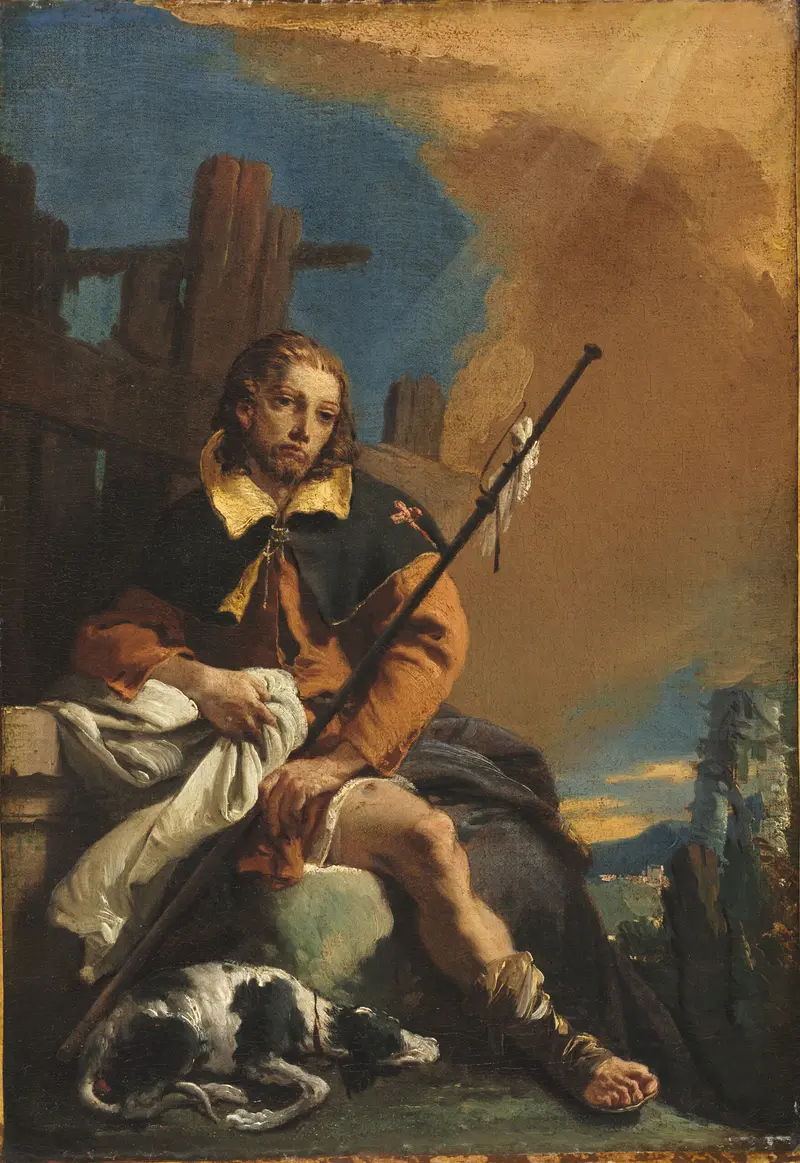
Saint Roch as a Pilgrim
Giovanni Battista Tiepolo
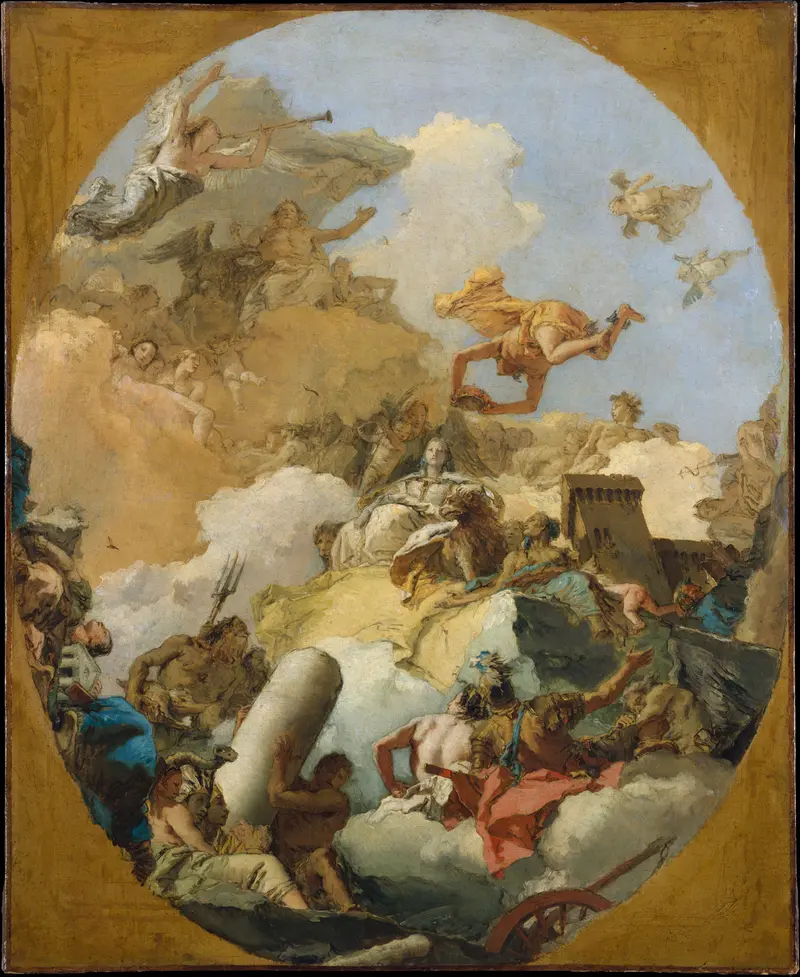
The Apotheosis of the Spanish Monarchy
Giovanni Battista Tiepolo





