
The Tame Magpie — History & Facts
It is the magpie, perched high atop a barrel in the center of the scene, that draws every eye and gesture in this unruly gathering. Arms reach up, children point, and a woman in blue seems to hush a child, as if the bird’s presence is both a marvel and a puzzle. The setting—a half-ruined arcade open to the sea—feels at once abandoned and alive, with sunlight pooling on crumbling stone and a sky that promises more stories beyond the arch.
The magpie, often a symbol of wit or mischief, becomes the unlikely axis of this moment, its tameness the cause of wonder or perhaps a fleeting distraction from daily hardship. Magnasco’s brushwork is quick and nervous, animating the figures with a sense of restless curiosity, while the warm, broken architecture frames the drama without confining it. Painted sometime between the early eighteenth century and the later decades of that era, this work belongs to a world in flux—Italy’s cities were full of contrasts, where the remnants of the classical past mingled with the improvisations of the present. Scenes like this, with their mix of ruin and festivity, were favored by patrons who delighted in the picturesque and the unexpected, often commissioning such works for private contemplation or conversation.
Alessandro Magnasco was known for his energetic, sometimes fantastical scenes of daily life, and here, in the collection of the Metropolitan Museum of Art, his vision remains as unpredictable as the magpie itself. The painting invites us to linger, to puzzle out each gesture and gaze, and to wonder what stories the bird—and its audience—might tell.
More Artworks by Alessandro Magnasco

The Synagogue
Alessandro Magnasco
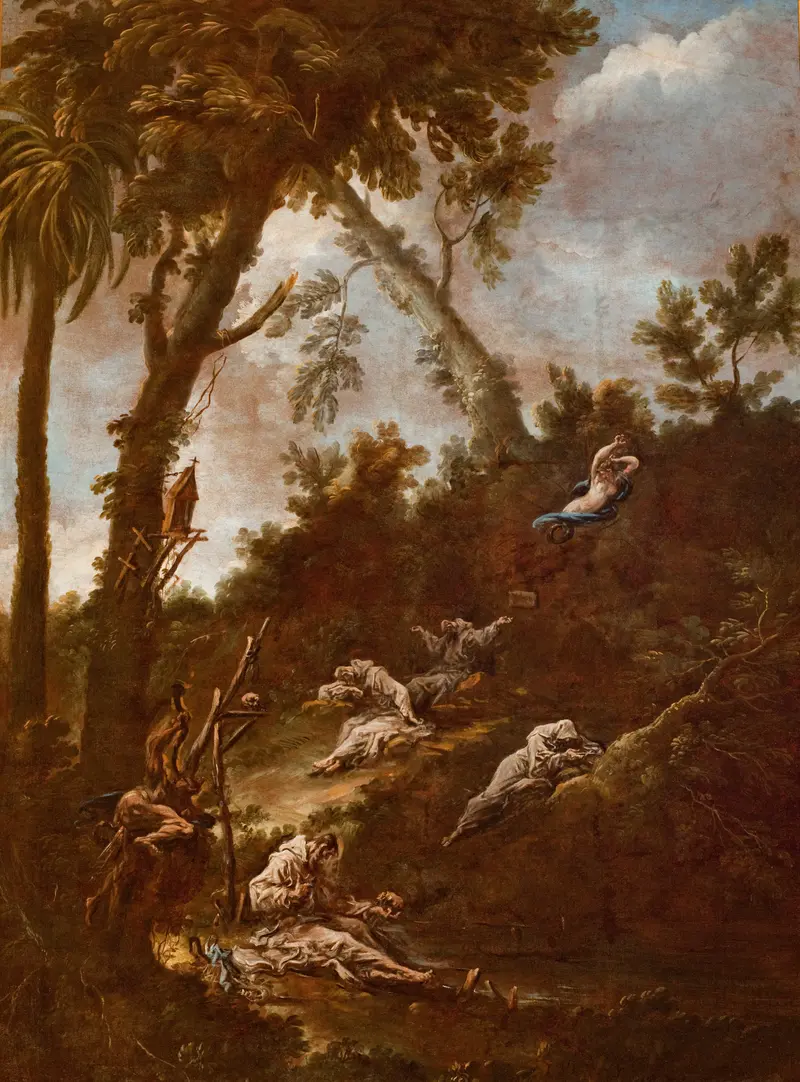
Hermits (Anachorets)
Alessandro Magnasco
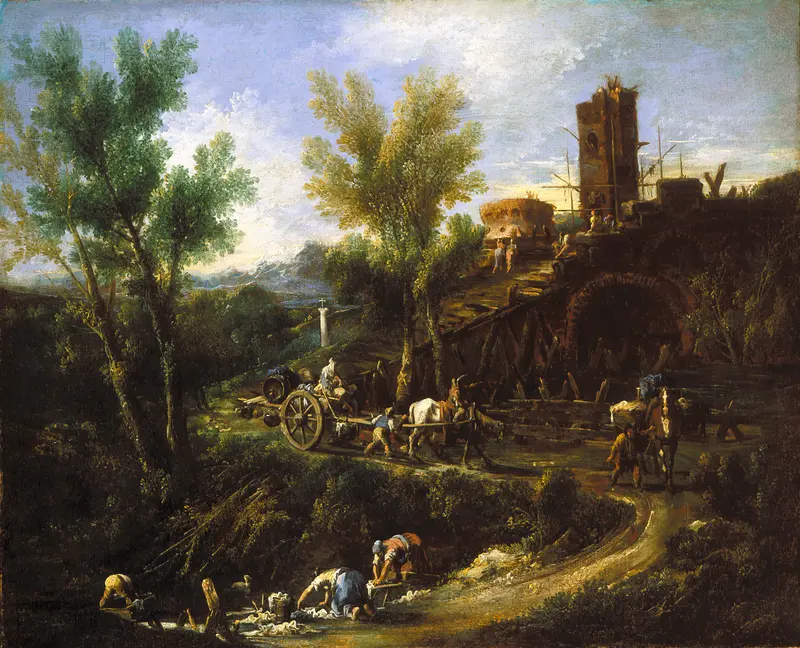
Landscape with Gypsies and Washerwomen
Alessandro Magnasco
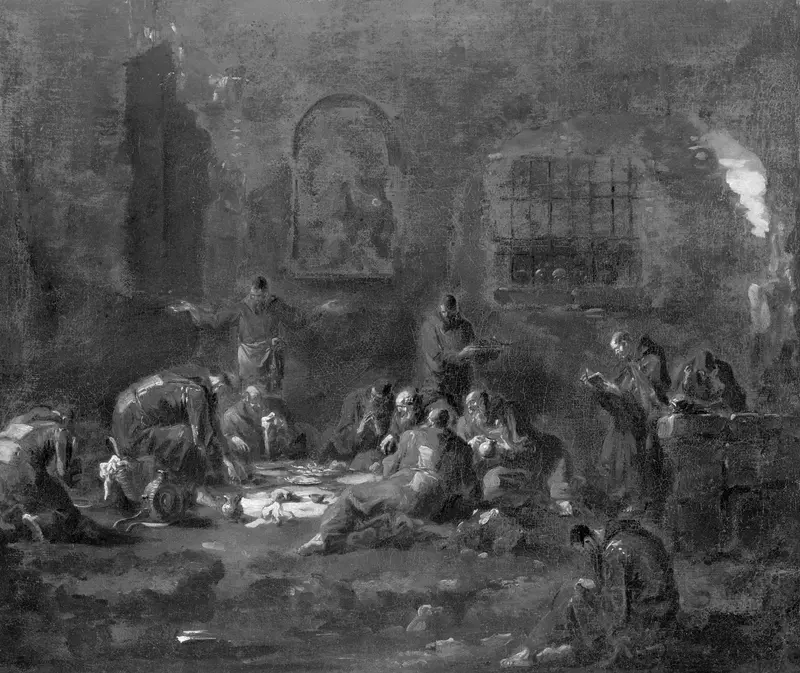
Monks at Supper
Alessandro Magnasco
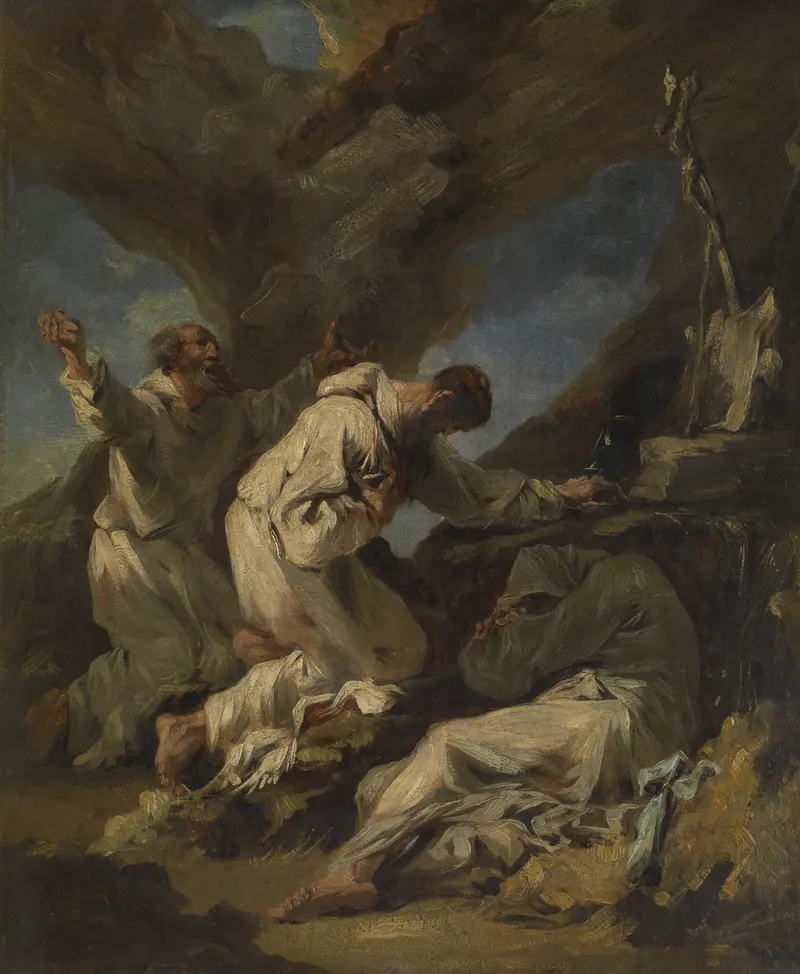
Praying Monks
Alessandro Magnasco
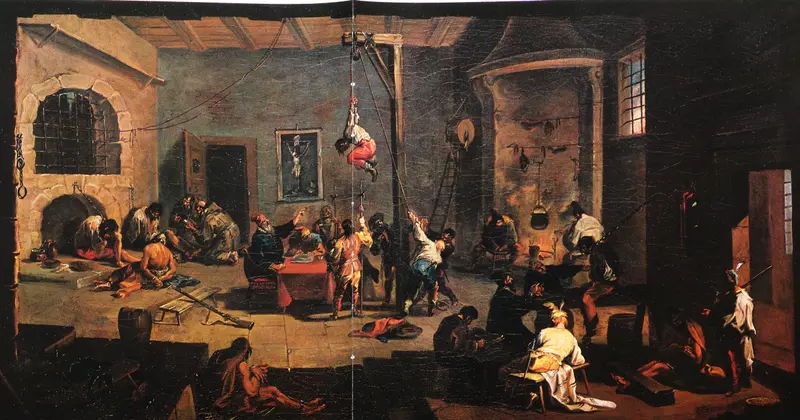
Torture Scene
Alessandro Magnasco
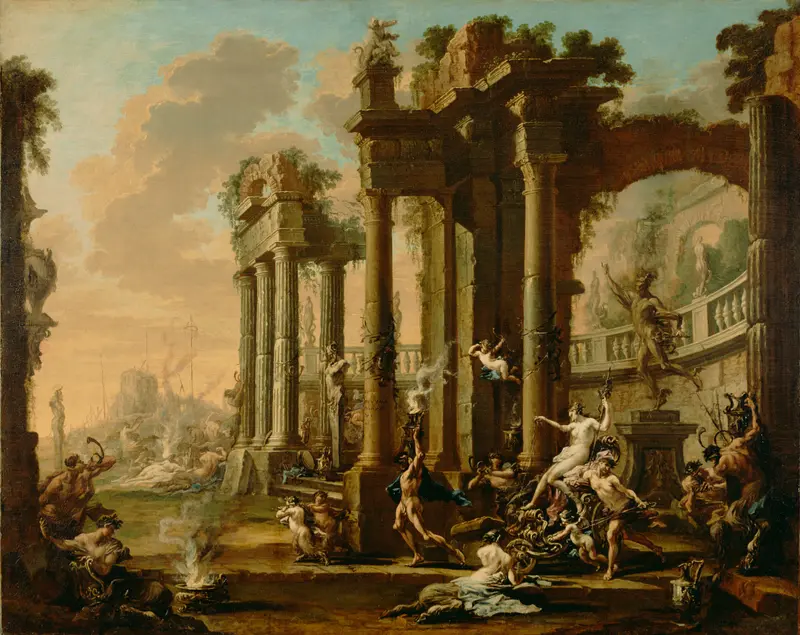
The Triumph of Venus
Alessandro Magnasco
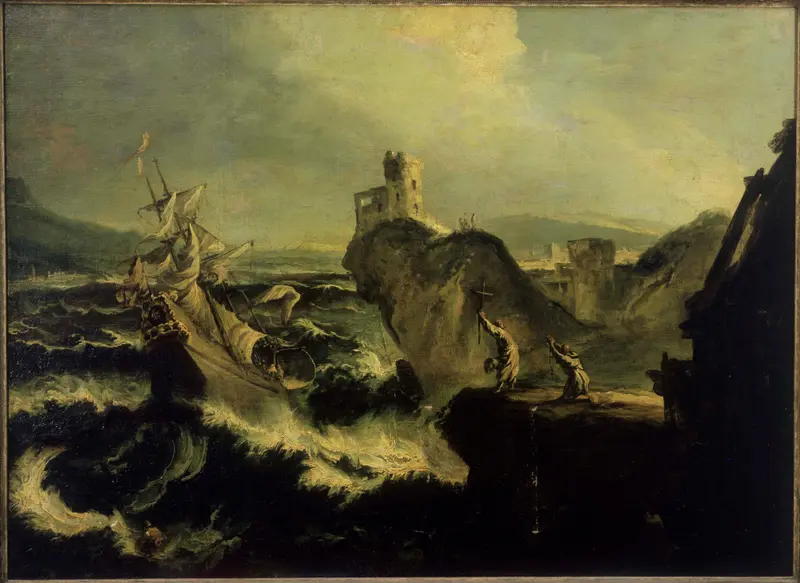
The Shipwreck
Alessandro Magnasco
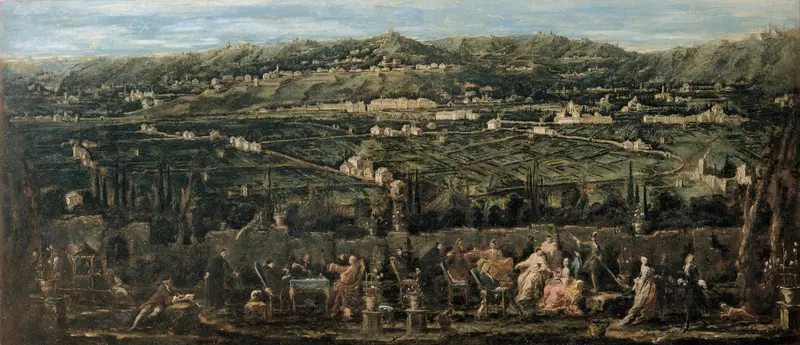
Garden Party in Albaro
Alessandro Magnasco
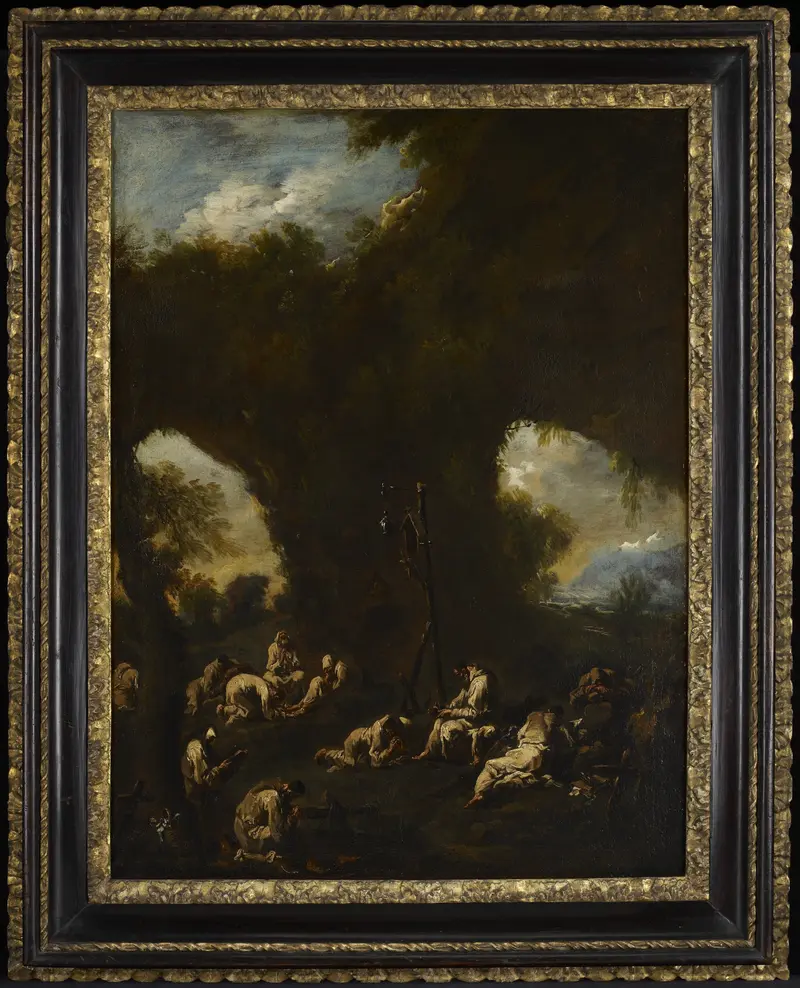
Monks Praying in a Grotto
Alessandro Magnasco
More Genre Scene Art

Banquet of the Officers of the St George Civic Guard
Frans Hals

Rembrandt and Saskia in the Scene of the Prodigal Son
Rembrandt van Rijn

Bal du moulin de la Galette
Pierre-Auguste Renoir

Quadrille at the Moulin Rouge
Henri de Toulouse-Lautrec

A Burial at Ornans
Gustave Courbet

When Will You Marry?
Paul Gauguin